richboy2307
Staff
-
Joined
-
Last visited
Everything posted by richboy2307
-
Hi, Not been able to reproduce this issue on our end on SU3. Can you confirm if you're on MSFS SU4 Beta? We've seen a few other reports on the discord that seem indicative of an SU4 Beta specific issue introduced with their latest sim update. Thanks!
-
Hi @MediocreGorilla Thanks for your report. This is a known byproduct of the the compression and package delivery method used for marketplace streaming. We're working with Microsoft on resolution. Thanks for your patience meanwhile!
-
Thanks for reporting, logged for the team.
-
Hi, The included error messages sadly are not indicative of a WASM crash. All the included message means is that it was either unable to create an autosave file in the directory at this time, or that it couldn't access the directory to delete an existing autosave file. These kind of error messages are common place and not a known cause of any WASM crashes. That being said, in order to address your experienced issue better, we'll need more information - reproduction steps/conditions, screenshots/video of your sim at the time of crash or whenever you noticed, as well as recent autosave files if any before the crash. Without this information, it is impossible to ascertain what may have happened in your instance. Thanks for your patience and understanding.
-
Usually received messages will be under ATSU > ATC MENU or AOC MENU accordingly. If you have any specific examples/instances of how to reproduce these "errant" messages please let us know so we can investigate further. Do you mean D-ATIS under ATC MENU > ATIS? That is coming in the next update. It didn't make the cut in QA Testing for the release version. Features such as CMS, ETP, ETT and Time markers are all work in progress items that should be available in a future update. These didn't make the cut in QA Testing for the release version. Some more specific reference/examples, ideally in the form of video showing us what you're noticing would be helpful. Additionally, please include what your expected result is. Can't say I've noticed any issues personally in this regard in testing but I am curious as to what you're experiencing. That is standard behaviour for the simulated FMS. If you want to make changes after engine start, you do so via the FUEL PRED page. DSC-22_10-40-10 P 12/16 FCOM extract: "Feels" is something quite subjective, and will vary between each individual's setup/hardware. Our aircraft are best used with linear (1:1) sensitivity settings for your axis, with deadzones as necessary for your hardware. While there may be room for minor adjustments, we stand by our simulated flight dynamics behaviour - which has been tested by type-rated pilots on consumer level hardware such as Winwing, Thrustmaster as well as more elaborate setups. The experience will scale up with better hardware naturally. We are also going to remain primarily data-driven in our approach to such tweaks so scenario specific example and reference for expected results are required for such feedback to be actionable. Not currently planned however your suggestion is noted. Thanks!

-
This is by design for stability and performance reasons, as all instrumentation is being drawn in a single layer rather than its own separate gauge (as previous planes).
-
Hey, Yes these appears to be an issue related to streaming/encryption that can sometimes make the file unreadable for GSX. If you are affected, please manually install the Passenger or Preighter GSX Profile as explained here: Thanks!
-
The A340 Airliner’s visual effects have been designed to immerse the user fully. Engine heat blur, exhaust distortion, and realistic condensation effects bring the aircraft to life, while cold start smoke, dynamic over-wing vortices, and vapor trails react to environmental conditions. Combined with the highly detailed exterior and interior modelling, these effects elevate the aircraft beyond visual fidelity to deliver a fully engaging simulation. Although these effects have been optimized to reduce performance impact, you also have the option to manually disable them entirely via the FX Performance Mode. FX Performance Mode You can enable FX Performance Mode via the EFB Aircraft Settings page. (Click to enlarge image)
-
The iniBuilds A340 Airliner includes GSX profiles for both Passenger and Preighter variants, which are bundled in the Marketplace streamed/downloaded package already. Typically, external profile downloads are unnecessary. However, if you encounter issues with GSX recognizing the aircraft type, you can download the profiles below as a backup. Preighter Profile Differences The Preighter profile has the following difference by comparison to the passenger variant Assigned as Cargo Type - No visual passenger boarding Catering is only conducted via R2 Door Installation Choose the Passenger or Preighter profile .zip folder Extract the inibuilds-a340 folder to %AppData%\Virtuali\Airplanes Uninstallation Delete the inibuilds-a340 folder from %AppData%\Virtuali\Airplanes iniBuilds A340 GSX Passenger.rar iniBuilds A340 GSX Preighter.rar
-
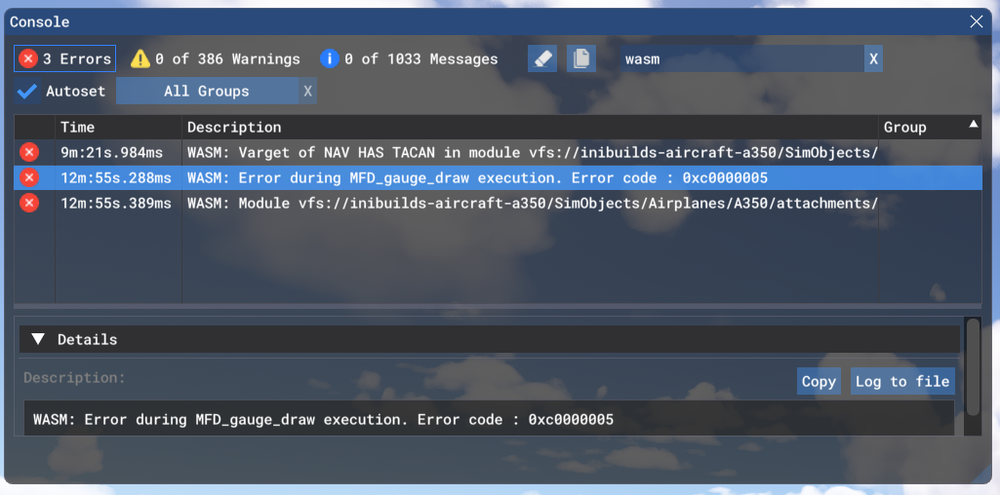
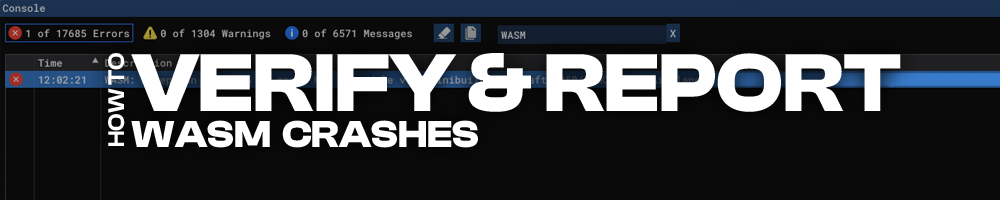
What is WASM? The WebAssembly Module (WASM) is a container for running programmes written in other langauges (eg C/C++) that is then converted to native code ahead of time (as DLLs) during first launch (WASM Compilation). This helps improve performance for subsequent uses but causes longer load times on first launch. See for more info: This improves security of the sim and portability of projects across PC/Xbox. In case of issues, only the WASM crashes instead of the rest of the sim along side with it. This is why the sim and some functions may continue to work, however other systems and displays that use WASM on the aircraft become unresponsive or "freeze" in place. So what to do in case of WASM crash? Do not close the sim/restart flight immediately Verify the WASM error message Report the WASM error message with reproduction steps using the guide below. Verify WASM Crash in Sim Step 1. Enable Developer Mode (FS24) Settings > General > Advanced Options Step 2. Enable the Console by pressing "~" key on your keyboard or using the Dev Toolbar at the top of the screen Step 3. Filter the Console by ❌Error messages only by clicking on ⚠️Warning and ℹ️Messages to disable them (remove blue box border around them). Step 4. Type 'WASM' in the search box. Find the WASM Error and Copy the message. Also take a screenshot of this console window for making a report. Report WASM Crash on Forum Step 5. Paste the WASM Error message and screenshot of the Console obtained in Step 4 above into a forum post WASM Crash Report. Step 6. Take note of what you pressed or things you did, just before you noticed this crash happen. Step 7. Verify if you are able to repeat the crash by following those same steps. Step 8. Please provide the following information Aircraft: A340 EIS 1 or EIS 2 + Passenger / VIP / Freighter Simulator: FS2024 Version: Update Version and Source (Marketplace / iniManager) Navdata Method: SIM DEFAULT or NAVIGRAPH OFP: Include a PDF of your Operational Flightplan (OFP) if related to FMS/Route Procedures crashes WASM Error: The error you copied in Step 4 above Specs: CPU, GPU and RAM of your system. Autosave File: Please include the latest ".bin" autosave file prior to your crash. Step 9. Where possible, include on your report a Screenshot / Video showing what you pressed/did just before the crash happened to give us more clues. steps on how to reproduce the crash so that we can try ourselves with debugging tools to identify the cause of crash. The Autosave File, include the latest ".bin" autosave file prior to your crash to help us reload into same scenario. FS24 Autosave Folder Paths - Steam: %APPDATA%\Microsoft Flight Simulator 2024\WASM\MSFS2024\inibuilds-aircraft-a340\work\autosaves - MS Store: %LOCALAPPDATA%\Packages\Microsoft.Limitless_8wekyb3d8bbwe\LocalState\WASM\MSFS2024\inibuilds-aircraft-a340\work\autosaves These types of WASM crashes are actionable depending on your reports of the steps taken immediately before the crash happened. If reproducible on our end by following the same steps, can be debugged and resolved more efficiently.


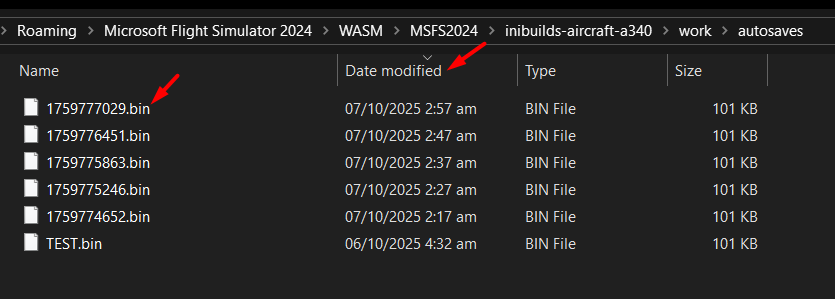
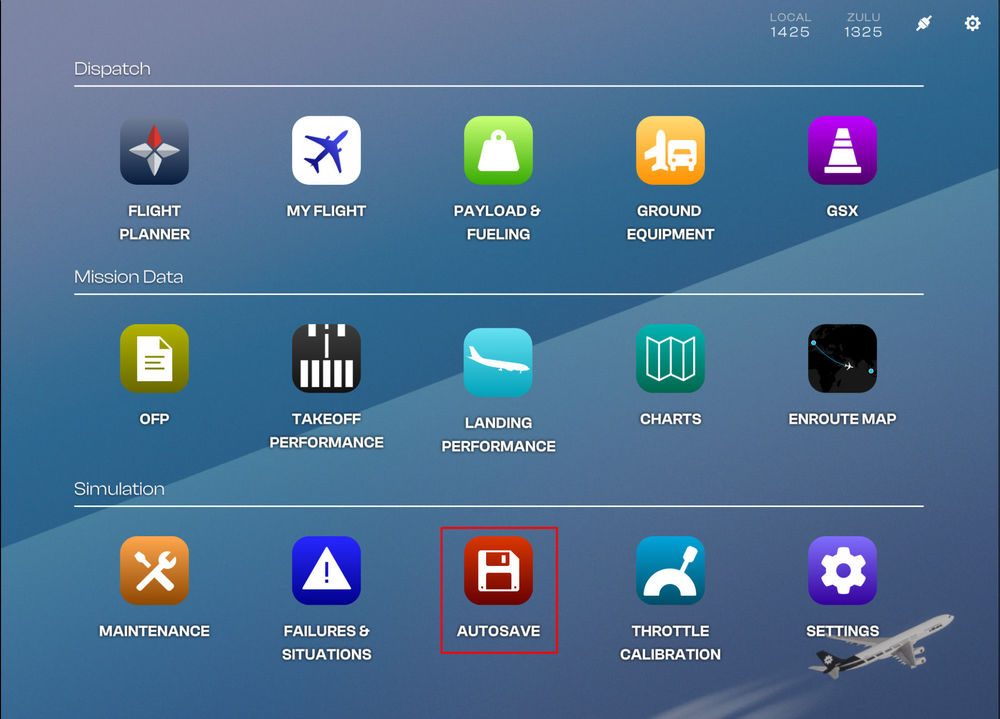
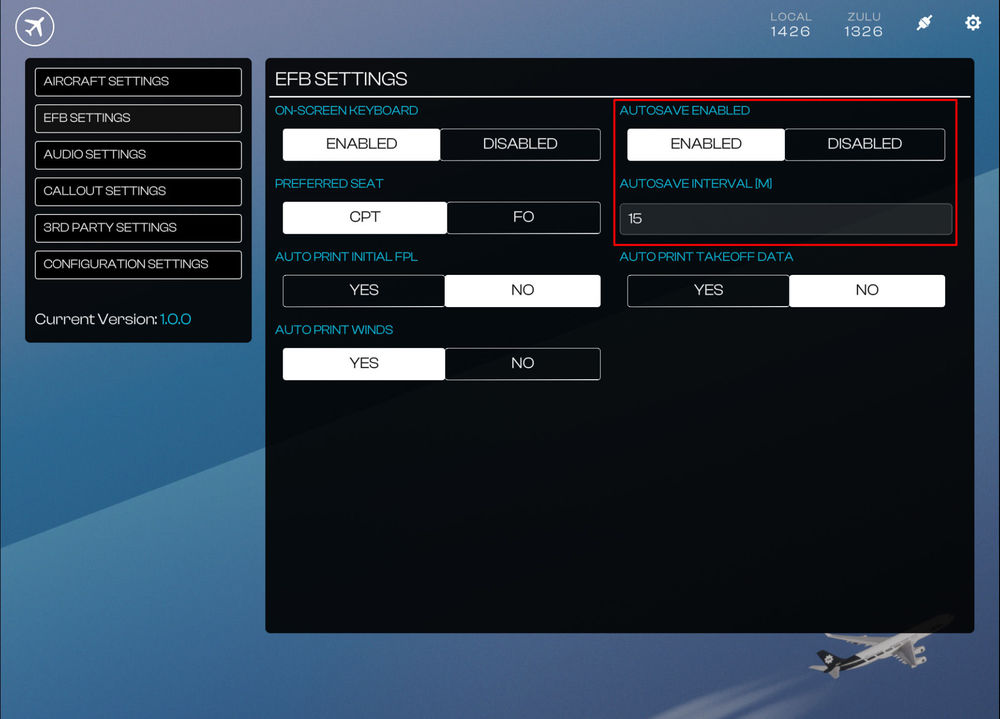
 Our autosave feature from the A350 Airliner returns with expanded flexibility to the A340 Airliner. You can set custom save intervals, manually save flight states, rename autosaves, delete autosaves and reload progress at any time - ensuring your long-haul isn’t lost to a power cut or catastrophic failure. (Click to enlarge image) Autosave Settings Autosave functionality can be enabled/disabled via the EFB Settings page. You can also set a custom interval (in minutes) on the same page. (Click to enlarge image) Creating a Custom Saves To create a custom save via the EFB: Navigate to EFB Autosave Page Click 'CREATE SAVE NOW' button Enter a desired name for the autosave and then press 'CREATE SAVE' button Your custom save will appear on the list on the right side of the page (Click to enlarge image) Renaming a Custom Save To rename a custom save via the EFB: Navigate to EFB Autosave Page Click 'EDIT' button Enter the new desired name for the autosave and then press 'RENAME SAVE' button Your renamed custom save will appear on the list on the right side of the page (Click to enlarge image) Deleting a Custom Save To delete a custom save via the EFB: Navigate to EFB Autosave Page Click 'DELETE' button The custom save will be removed from the list on the right side of the page (Click to enlarge image) Loading Custom / Auto saves To load any custom/auto save via the EFB: Navigate to EFB Autosave Page Click the desired save from the AUTOSAVES or CUSTOM SAVES list. The sim may take a few seconds to load the proper panel states after teleporting you to save location. (Click to enlarge image) Sharing Custom Saves All custom and auto saves are stored as ".bin" files in your WASM/work folder. These can be shared with other users or our staff for support requests. Simply drop the save files in the folders listed below and then reload the OIS autosave page to see it on the list. The autosaves folder is found at the various paths listed below: (Click to enlarge image)
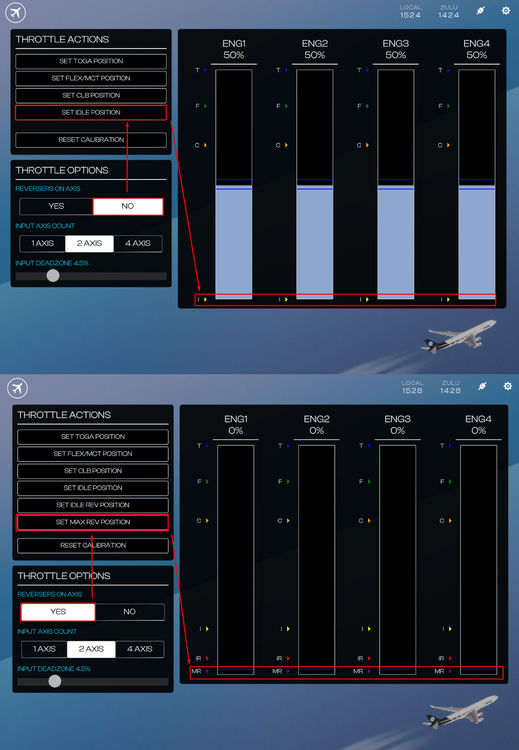
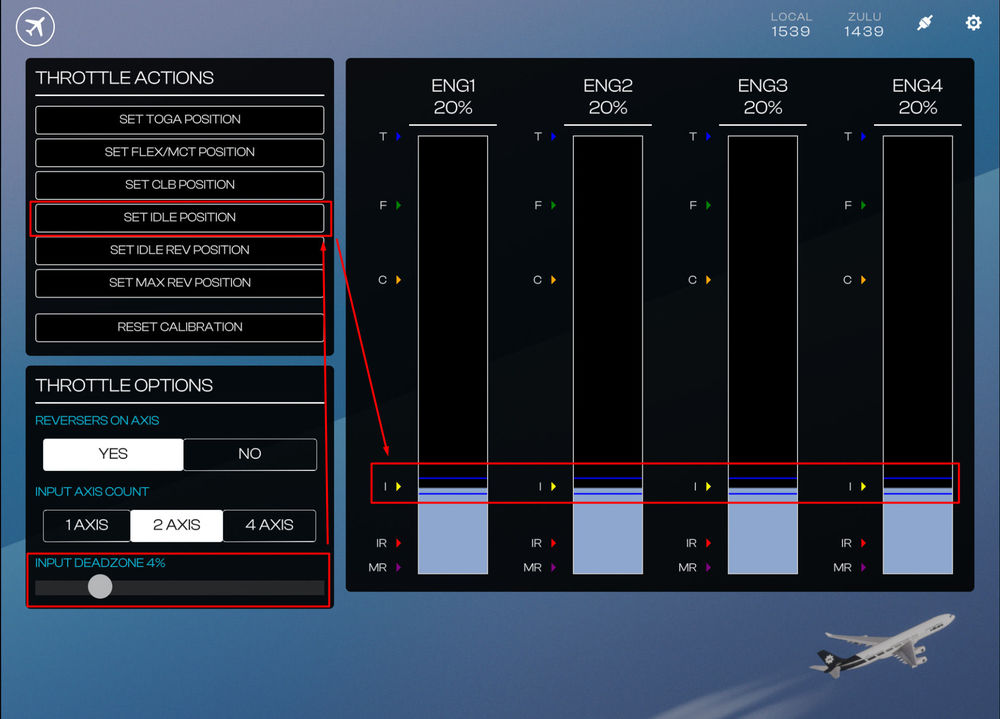
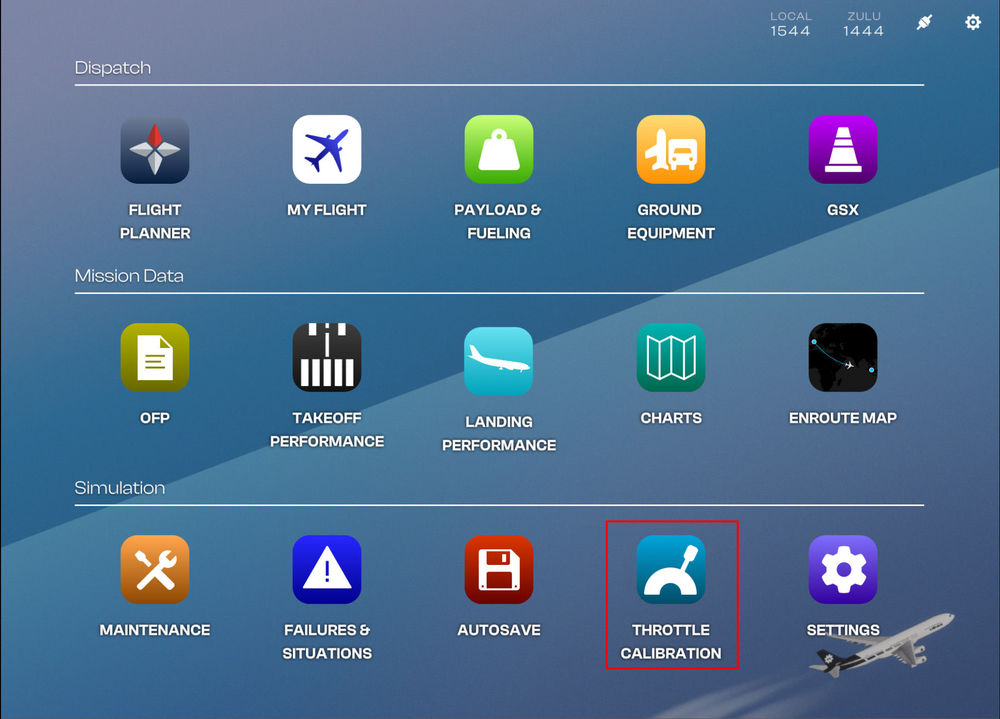
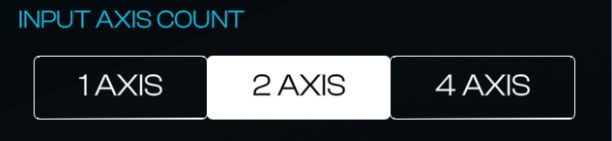
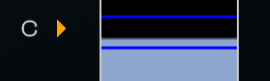
 Throttle Calibration Page (EFB) Before you fly, you must calibrate your throttles via the Electronic Flight Bag (EFB) - Throttle Calibration page. (Click to enlarge image) Throttle Calibration Process Typically the throttle calibration is done in the following order Ensure that Throttle Axis or Throttle Axis 1 to 4 are assigned in the MSFS Control settings. Set desired REVERSERS ON AXIS option Set desired INPUT AXIS COUNT option Set desired INPUT DEADZONE % Move your hardware throttle axis to the position you want to define as a detent (e.g. IDLE/CLB/FLX/TOGA) Click the SET (DETENT) POSITION button on the EFB to define the current position to the detent chosen Observe new detent position shown on the diagram on the right. Repeat Steps 4 to 7 for each desired detent. Reversers on Axis Option Verify whether your hardware has a reverse thrust on an axis or not then choose the appropriate option. 'REVERSERS ON AXIS' is set to NO: The bottom most position of your hardware axis (0%) will be assignable to the IDLE detent position. You may have to bind 'HOLD' / 'TOGGLE REVERSE THRUST' sim control binding to an additional button / input on your hardware to use reverse thrust. This option is recommended for majority of consumer flight simulation hardware (including Xbox Controllers). 'REVERSERS ON AXIS' is set to YES: The bottom most position of your hardware axis (0%) will be assignable to the MAX REV detent position for thrust reverser operation. You can additionally define separate IDLE and IDLE REV detent positions. This option is recommended for hardware such as the TCA Airbus Throttle Quadrant. (Click to enlarge image) Input Axis Count Option Verify whether your hardware has One, Two or Four independent axis available for throttle control, then choose the appropriate option. This changes how the calibration values are copied across ENG1 to ENG4. Input Deadzone Option You may define a Global 'Input Deadzone %' for all detents during the Throttle Calibration Process which we will cover below. The present deadzone % boundary is also shown visually on the axis diagram to the right via dark blue lines above/below your present AXIS % value. These lines indicate that the assigned detent will activate whenever ENG1 to ENG4 % values are within the two blue lines. The larger the number, the further apart the blue lines will be meaning the the detent is engaged for a larger range of hardware axis movement. Applying a Deadzone % Use the slider to choose the desired 'INPUT DEADZONE %' value (Default is 2.5%). Click the SET (DETENT) POSITION button to apply the set value to your detent. Example - Applying a 4% Deadzone to IDLE detent (Click to enlarge image) Example Throttle Calibration Process Example #1 - Defining a CLB detent with Reverser On Axis = NO Move your hardware axis physically to where you want to define the CLB detent. Set your desired 'INPUT DEADZONE %' for the current detent. Press the 'SET CLB POSITION' button on the EFB. Verify on the diagram on the right a C > appears showing the newly defined CLB detent position, with the relevant % above. (Click to enlarge image) Example #2 - Defining a Max Reverser detent with Reverser On Axis = YES Move your hardware axis physically to where you want to define the MAX REV detent. Set your desired 'INPUT DEADZONE %' for the current detent. Press the 'SET MAX REV POSITION' button on the EFB. Verify on the diagram on the right a MR > appears showing the newly defined MAX REV detent position, with the relevant % above. (Click to enlarge image)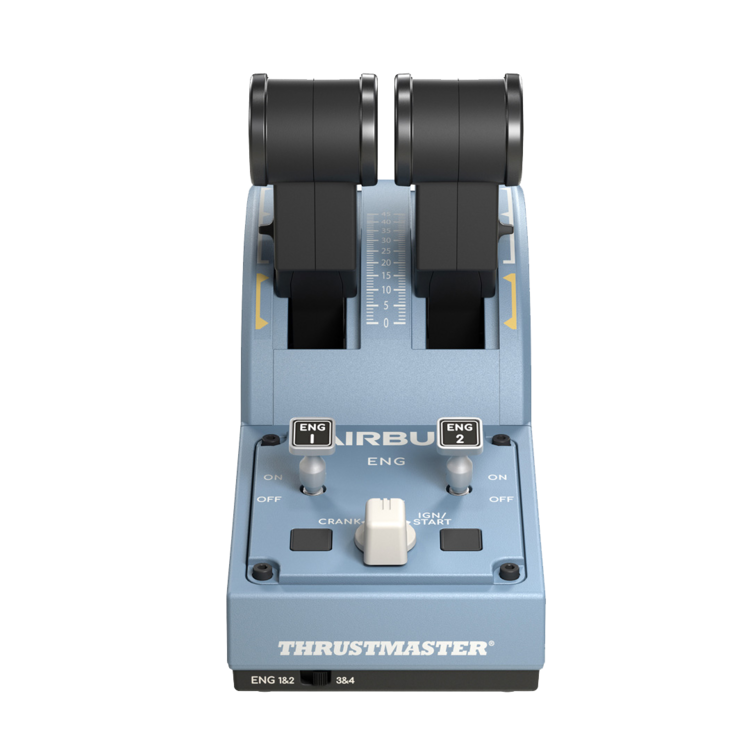

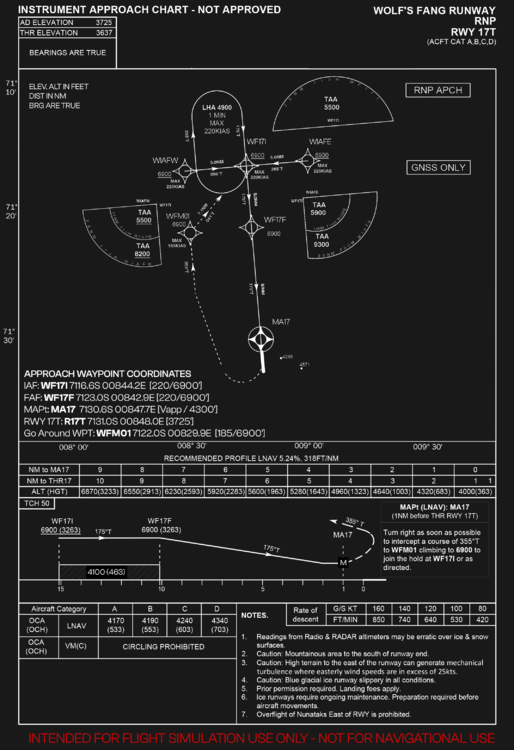
 Wolf's Fang Runway IATA: WFR ICAO: AT98 (recognized via Navigraph Navdata / Simbrief only) LID: AT98 AD Co-ordinates: 71° 31′ S, 08° 48′ E (FMS Format: 7131.0S / 00848.0E) AD Elevation: 3725' / 1127m AMSL Rwy Length: 8200' / 3000m Rwy Width: 196' / 60m Rwy Orientation: 175 True (175T) Rwy Declared Distances: TORA AND LDA 2500m / TORA AND ASDA – 3000 m Common Routes (FACT - AT98) You may use any of these below on Simbrief for planning purposes IMSOM UQ36 APKIN UL211F ITLIK 3713S 4112S 4811S 6209S 6808S GEPAB 4018S 5016S 5814S 6412S 6810S 7008S IMSOM UQ36 APKIN UL211F ITLIK 3615S 4014S 4513S 5013S 5513S 6012S 6511S 7010S You may also append the following waypoints from the approach segment for the final part of your flightplan as necessary 711635S0084411E 712133S0084525E 713034S0084741E Suggested Approach Custom Waypoints You may create these custom waypoints in your aircraft FMS for a straight in approach to RWY 17T IAF: WF17I 7116.6S 00844.2E [220/6900'] FAF: WF17F 7123.0S 00842.9E [220/6900'] MAPt: MA17 7130.6S 00847.7E [Vapp / 4300'] RWY 17T: R17T 7131.0S 00848.0E [3725'] Go Around WPT: WFM01 7122.0S 00829.9E [185/6900'] (Click to enlarge images) Note: These are approximate waypoints and will keep you on path but once you have the runway in sight, you should proceed visually.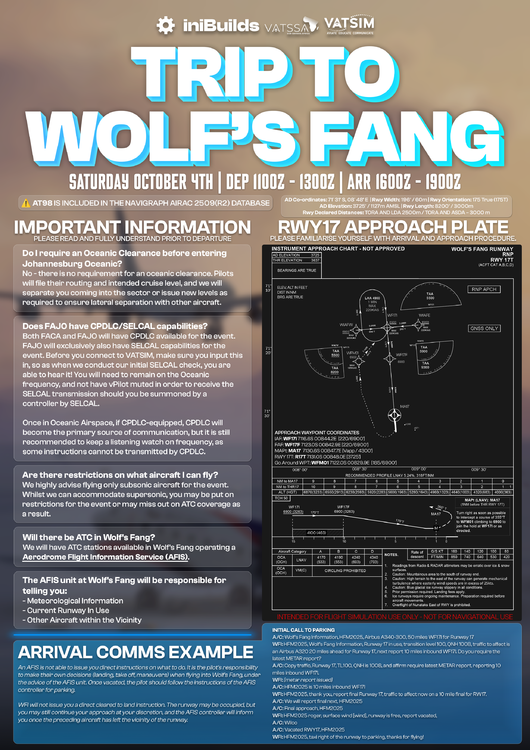
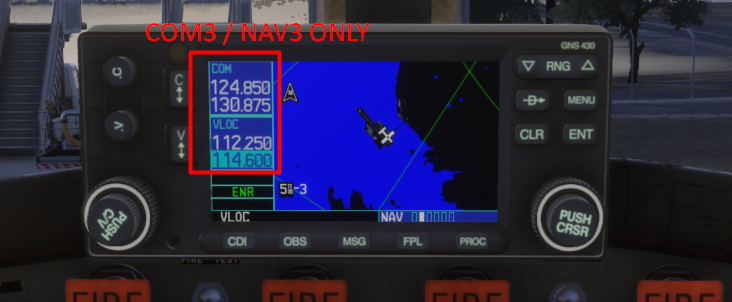
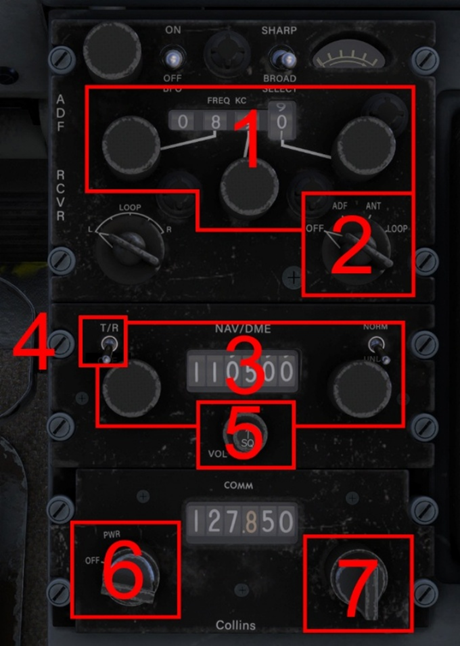
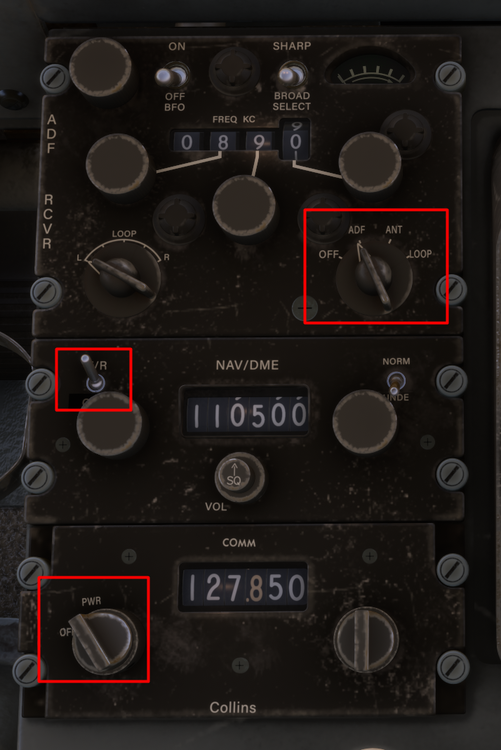
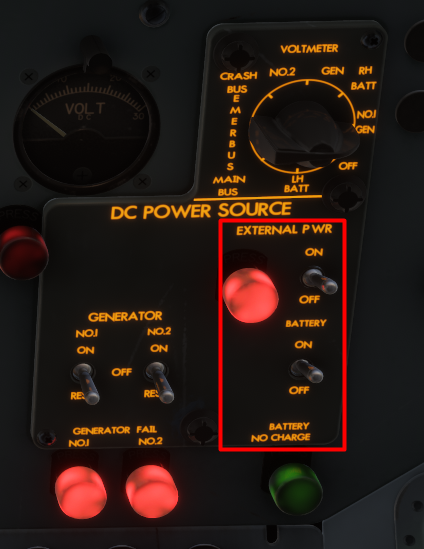
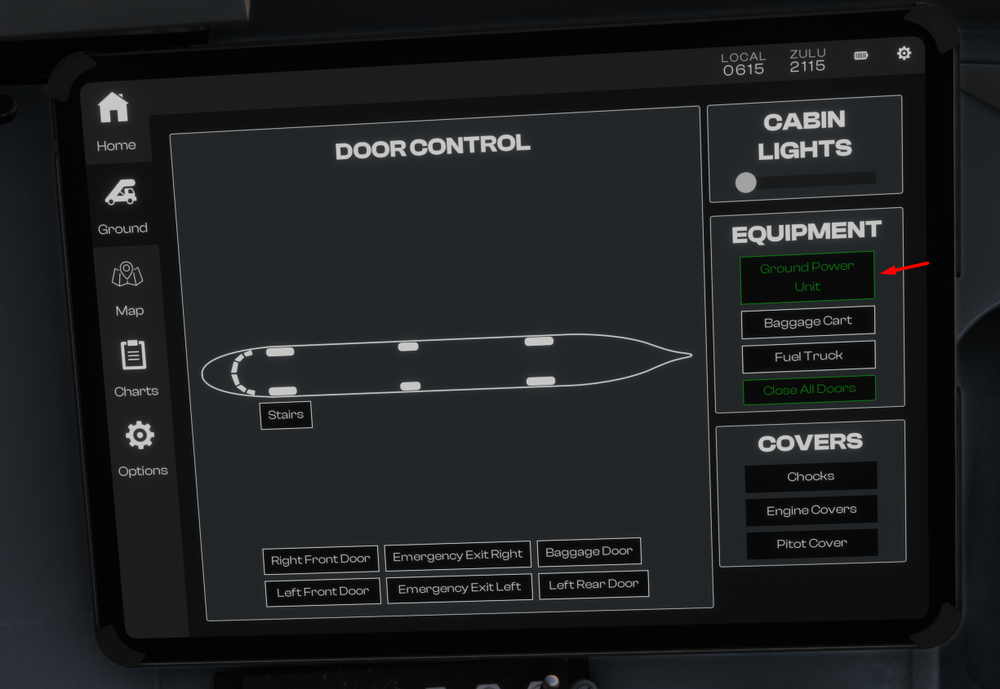
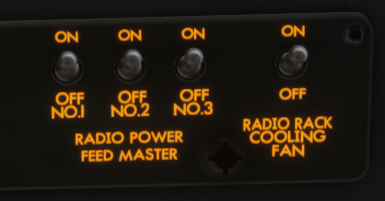
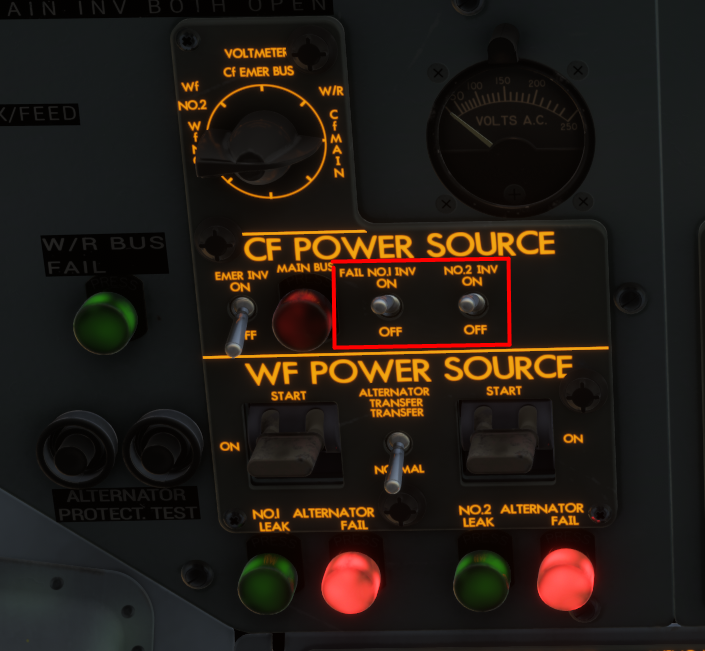
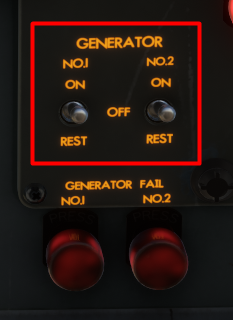
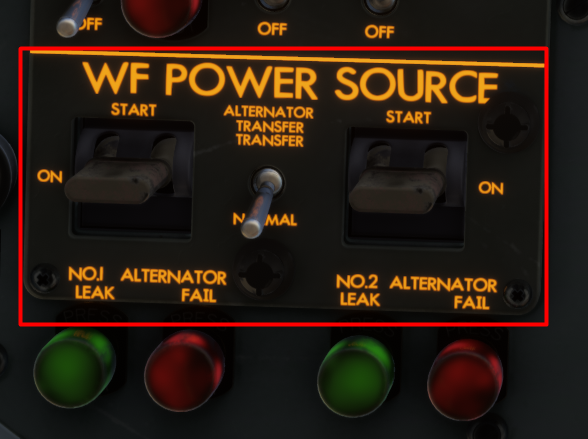
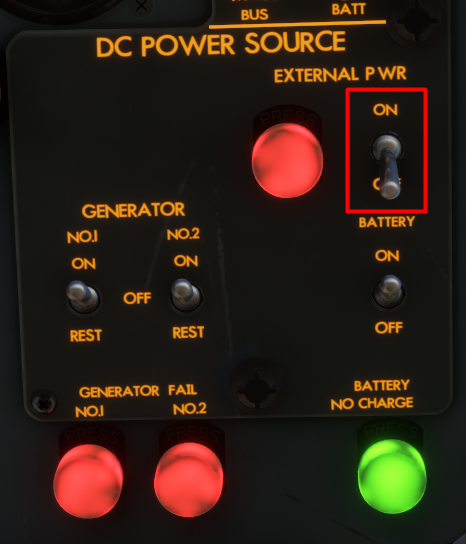
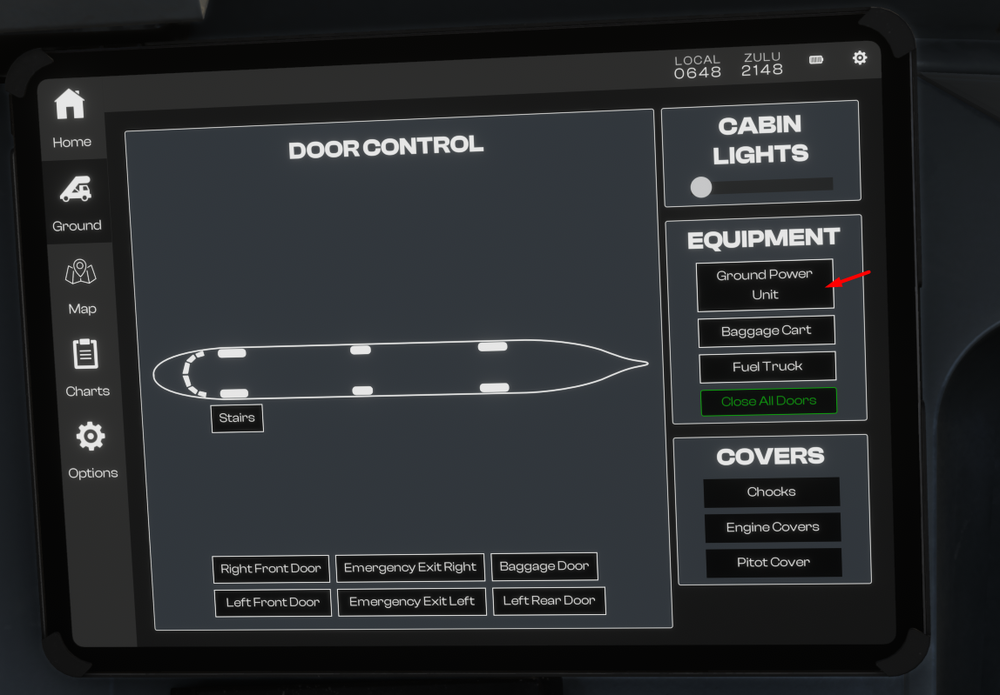
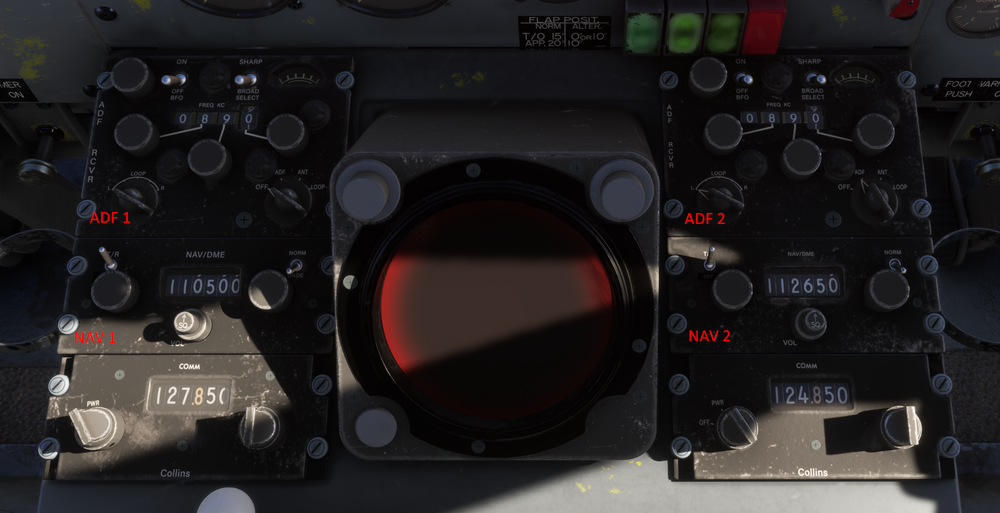
 The YS-11 is equipped with 2x COM radios, 2x NAV receivers and 2x ADF Receivers. All of these can be tuned via controls found on the forward section of the Centre Pedestal (4) Forward Pedestal Radios ADF Frequency and Selector Knobs ADF Power Switch NAV Frequency and Selector Knobs NAV Power Switch NAV Ident Volume Knob COM Power Switch COM Frequency Selector Knobs WT GNS430 GPS If you are using the WT GNS430 GPS, the radio controls on the GPS are tied to COM3 / NAV3 only. Please use the radios on the pedestal only for communication / navigation. RADIOS - ELECTRICAL POWER To operate the radios and avionics, proper power source needs to be established, in addition to turning on their respective unit power switches. To establish electrical power on the ground, Turn on BATTERY Switch on the Overhead Panel Connect External Power via EFB + Turn on EXTERNAL POWER Switch on the Overhead Panel Turn on RADIO POWER FEED MASTER No. 1 / 2 / 3 switches on the Overhead Panel Turn on CF POWER - INVERTER SWITCHES NO.1 / 2 on the Overhead Panel Turn on COM / NAV / ADF power switches on the Center Pedestal After Engine start, Turn on the GENERATOR NO. 1 / 2 switches on the Overhead panel Turn on the WF POWER SOURCE - ALTERNATOR NO.1 / 2 switches by moving to START then ON position on the Overhead panel Turn off the EXTERNAL POWER Switch on the Overhead Panel + Disonnect External Power via EFB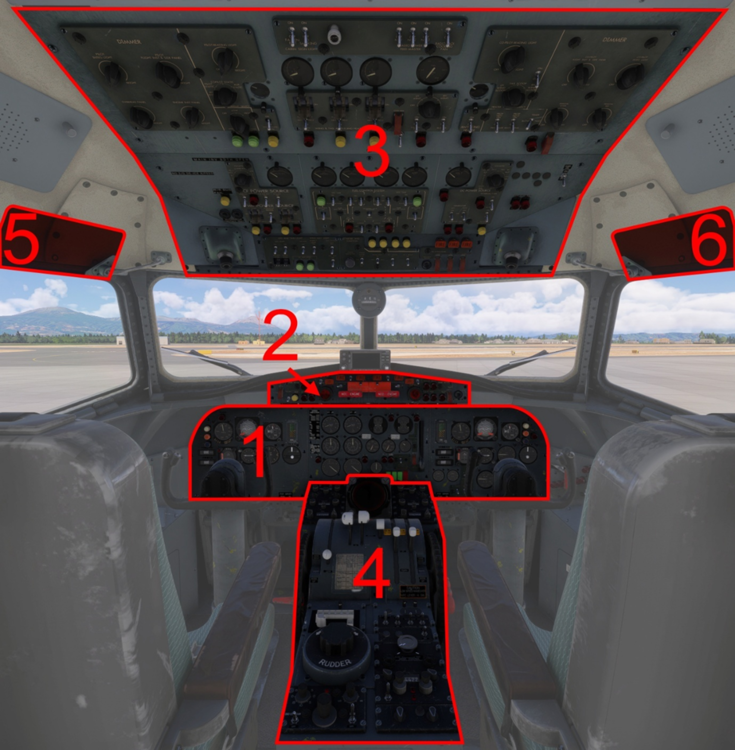
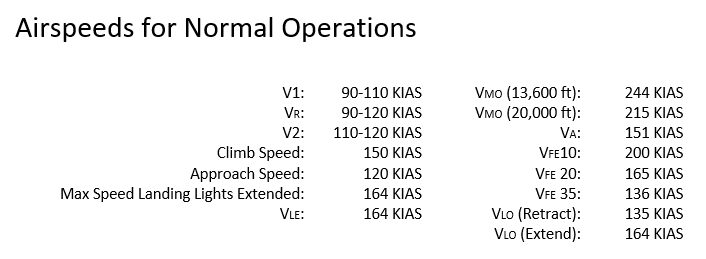
 The following section is intended to supplement the Simplified Procedures or in-simulator Checklist. General operating guidelines are provided along with speeds and power settings to be applied per flight phase. Engine Start Ensure the Low Stop Lever is in the Ground position. Engine 2 is started first, followed by Engine 1. Engine 2 HPC lever: ON. Starter and Ignition panel: Engine Select No. 2. Starter Master: Start. Starter Push Button: Push and hold for 4 seconds, the button should remain in. When the RPM reaches 1200 to 1500 RPM: Engine 2 HPC lever to HSWL position. Repeat the procedure for Engine 1. After Start Starter and Ignition panel: Engine Select OFF. Starter Master SAFE (middle position). Set Flap 15, this is the normal Take Off Flap setting. Take Off Gently apply full power, note that the Low Stop Lever will automatically move to the Flight position as the power levers are advanced. Full power will be approximately 15,000 RPM. V1 and Vr speed is 90-110 KIAS depending on weight. Rotate gently, especially at high weights. Allow the aircraft to get airborne on its own and avoid the temptation to increase the pitch further if the aircraft does not become airborne immediately. Once airborne, Adjust your pitch accordingly to maintain a V2 speed of 110-120 KIAS. Retract the gear, turn the Landing and Taxi Lights OFF and retract both Landing Lights. At 1,000 ft AGL lower the pitch of the aircraft to accelerate. Set 14,200 RPM, retract the flaps. Establish a climb speed of 150 KIAS, this will correlate to approximately 1,000 FPM at Maximum Take Off Weight. Climb Throughout the climb monitor the speed and adjust the vertical speed accordingly to maintain 150 KIAS. If using the autopilot remember that there is no altitude preselector in this aircraft. Gently reduce the vertical speed and press ALT to engage altitude hold when your desired altitude is reached. Cruise Cruise RPM is the same as climb - 14,200 RPM. Set the HPC levers to the ON position. Monitor your fuel consumption and transfer fuel from the auxiliary tanks to the main tanks as required. Engine 1 is fed from Main Tank 1 Engine 2 is fed from Main Tank 4. Using the transfer pumps, transfer fuel from Auxiliary Tank 2 into Main Tank 1 and from Auxiliary Tank 3 into Main Tank 4. Descent Set power as required to maintain a speed of 200 KIAS. This will correspond to approximately idle power, and a vertical speed of -1,000 to -1,500 FPM. Approach and Landing On Approach, Reduce speed from 200 KIAS to 150 KIAS. Select Flaps 10 when the speed is below VFE. When appropriate (and below VLO of 164 KIAS), - Extend the landing gear - Extend the Landing Lights and turn them ON as well - Turn on the the Taxi Lights. - Set the HPC levers to HSWL position. Select Flaps 20 and continue to decelerate to the approach speed of 120 KIAS. Select Flaps 35 on final approach whilst maintaining 120 KIAS. At touchdown, Move the Low Stop Lever to the Ground position. Note: This lever can be operated using the “Toggle Spoilers” control assignment Apply brakes as required, remember that the YS-11 does not have reverse. Go Around In case of a go around, Apply Full Power (approx 15,000 RPM). Adjust pitch to maintain an initial pitch attitude of 10 degrees. Select Flaps 15. Note: that when heavy, the YS-11 will take time to accelerate. Monitor the pitch attitude and carefully adjust it to accelerate and prevent altitude loss as the flaps are retracted. Retract the gear when a positive rate of climb is achieved. At 1,000 ft AGL - Lower the pitch of the aircraft to accelerate - Set 14,200 RPM - Retract the flaps Establish a climb speed of 150 KIAS, this will correlate to approximately 1,000 FPM at Maximum Take Off Weight. Level off at desired altitude and then repeat the Approach and Landing section process.
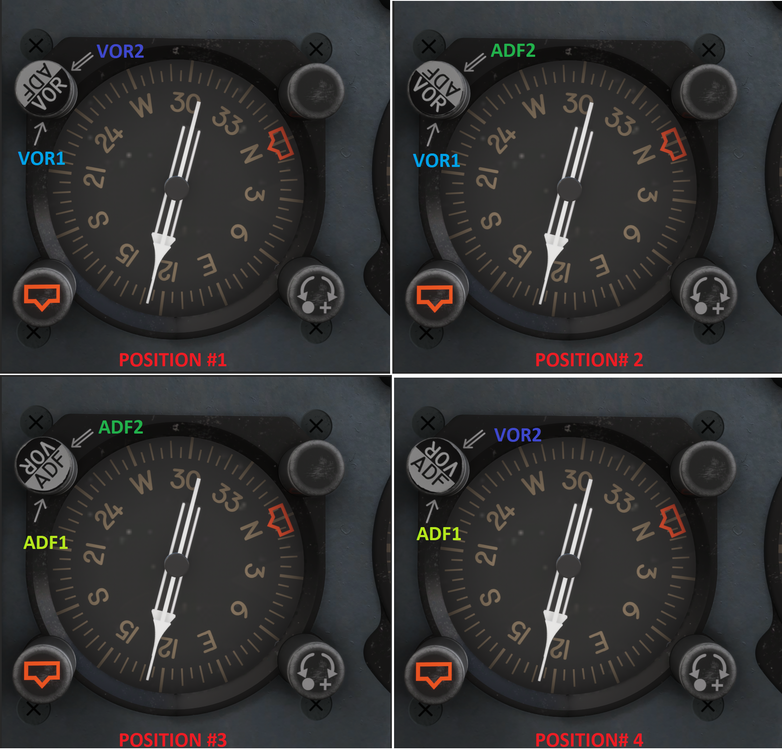
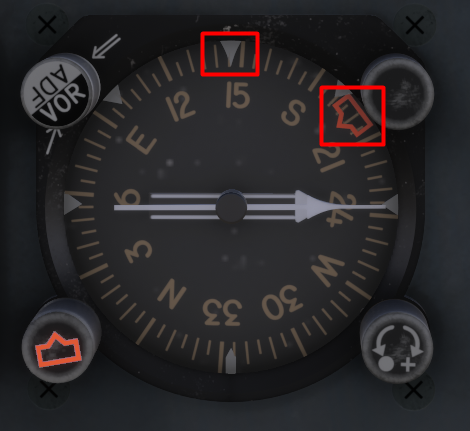
 The YS-11 is equipped with a dual-needle Radio Magnetic Indicator (RMI) on each side of the cockpit that is used as both a bearing and heading indicator. RMI - Bearing Indicator The two needles always indicate magnetic bearing to the selected beacon (VOR or NDB) provided there is an active signal. The tail of the needle indicates the reciprocal bearing. You can configure the needles in a various number of ways using the Selector Knob positions as follows: Position #1 - The thin needle (single line) points to VOR1. The thick needle (double line) points to VOR2. Position #2 - The thin needle (single line) points to VOR1. The thick needle (double line) points to ADF2. Position #3 - The thin needle (single line) points to ADF1. The thick needle (double line) points to ADF2. Position #4 - The thin needle (single line) points to ADF1. The thick needle (double line) points to VOR2. RMI - Heading Indicator The RMI also functions as a heading indicator by using a slaved gyro to always show the direction of the aircraft in relation to magnetic north at the 12 o'clock position. There is additionally a Heading Selector bug that can be manipulated using the HDG Selector Knob at the bottom left to choose a heading target for the autopilot when using Heading Hold mode. Example - Current Heading 145 deg, Selected Heading 200 deg For more information on Autopilot Operation please refer to the manual or see: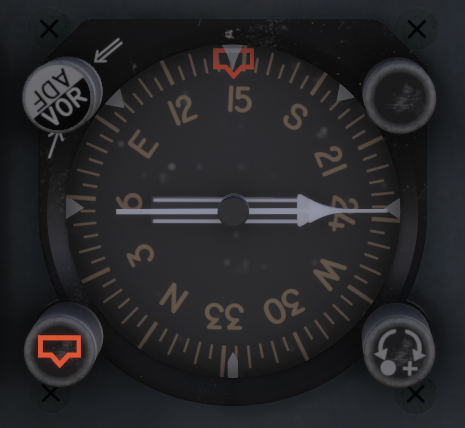
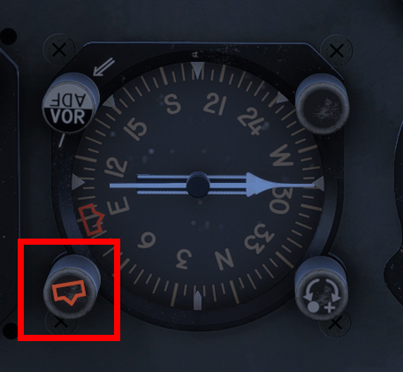
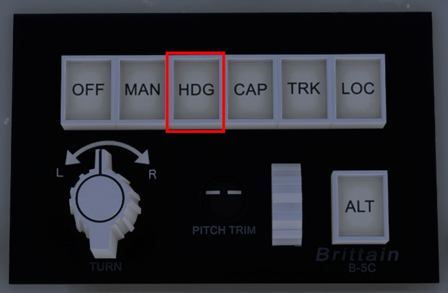
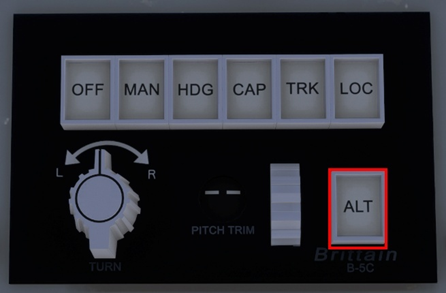
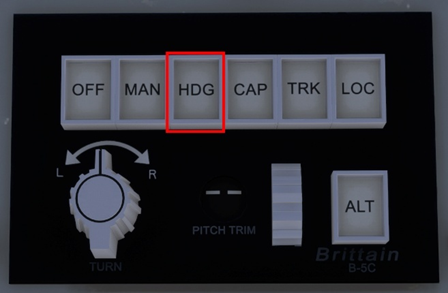
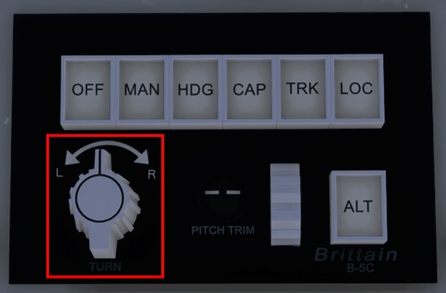
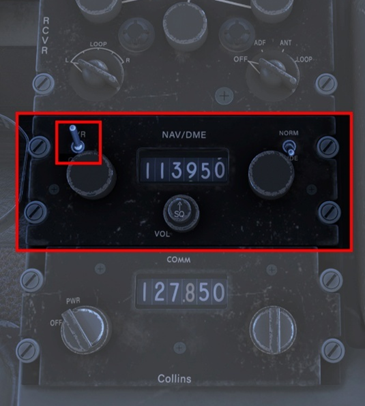
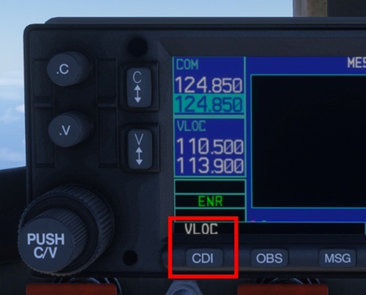
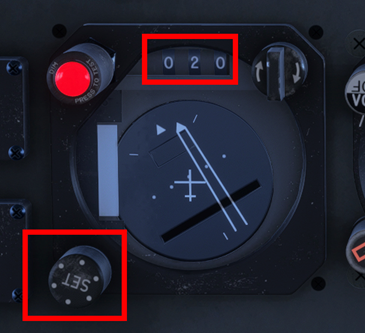
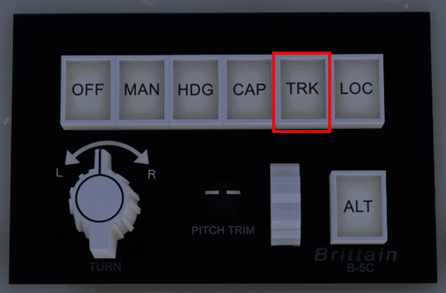
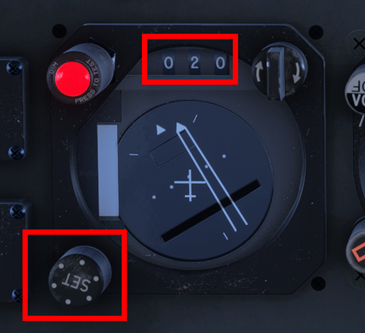
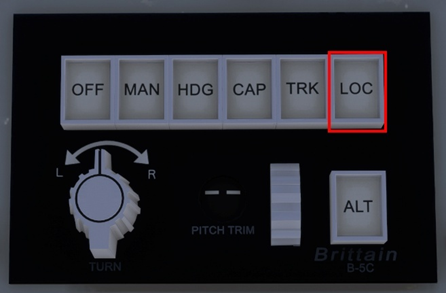
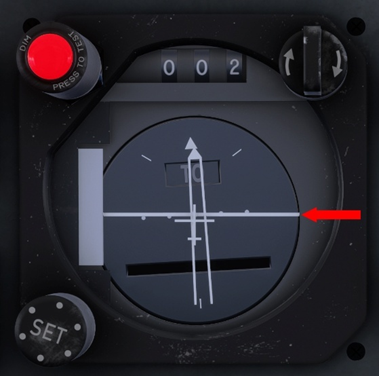
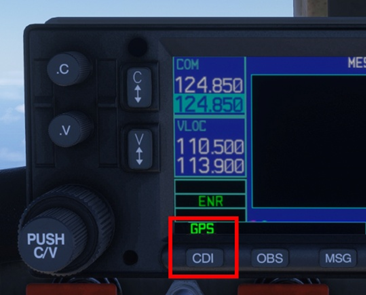
 Microsoft / iniBuilds - YS 11 Simbrief Profile: https://dispatch.simbrief.com/airframes/share/11223_1758809508331Example Calculation For this example, we will consider a 200 NM flight • Departure airport elevation: Sea Level • Departure airport taxi time: 10 minutes • Arrival airport elevation: 2,000 ft • Cruise level: FL150 • Average climb wind: 20 kt headwind • Average cruise wind: 30 kt headwind • Average descend wind: 10 kt headwind Total Fuel Required Taxi: 300 lbs Take Off: 200 lbs Climb: 654 lbs Cruise: 997 lbs Descent: 420 lbs Approach fuel: 200 lbs Reserve Fuel: 1,400 lbs Contingency Fuel (5% of Take Off + Climb + Cruise + Descent + Approach): 124 lbs Total: 4,295 lbs Calculation Breakdown Taxi Fuel 10 minutes taxi at 30 lbs per minute: 300 lbs. Take Off Fuel Fuel required to reach 1,000 ft AGL: 200 lbs. Climb Fuel 150 KIAS will be maintained throughout the climb, leading to an increasing TAS as the altitude increases. For climbing it is common practice to consider the TAS at a point two thirds of the desired cruise altitude. In our case climbing from sea level to 15,000 ft, 2/3 would equal 10,000 ft. Extracting the TAS from the Climb table at 10,000 ft gives 240 KTAS. An average climb rate of 1,000 FPM will be assumed for calculation purposes. Take Off fuel accounts for fuel up to 1,000 ft AGL, therefore we will take 14 minutes to climb the remaining 14,000 ft to reach our cruise level of 15,000 ft. In this example we are assuming a climb headwind component of 20 kt, obtaining a resulting Ground Speed of 220 kt (240 KIAS – 20 kt). We will now compute the distance taken on the climb: 14 minutes at 220 kt = 51 NM. During the climb the average fuel flow is 2,800 lbs per hour. The climb will take 14 minutes, therefore requiring 654 lbs. Cruise Fuel Using the table provided we extract at 15,000 ft a cruise TAS of 250 kt and a fuel flow of 2,600 lbs per hour. Before we can compute our cruise fuel, we need to know the length of our cruise segment. The distance required to climb was calculated previously (51 NM), we now need to calculate the descent distance in order to compute the remaining cruise distance. Our arrival airport is at an elevation of 1,000 ft. From 15,000 ft we will need to descend 14,000 ft. Assuming a rate of descent of 1,000 FPM this equates to 14 minutes. Our TAS is required and this can be extracted from the table located in the Descent Fuel section. When descending we will consider the TAS at the halfway point throughout the descent. We will be descending 14,000 ft, half equates to 7,000 ft and we add the arrival elevation to this figure giving an altitude of 8,000 ft for our TAS. At a descent speed of 200 KIAS this corresponds to approximately 230 KTAS. The average descend wind is 10 kt headwind, giving a resulting Ground Speed of 220 kt. 14 minutes descending at 220 kt Ground Speed will cover 51 NM. Total flight distance of 200 NM, minus climb distance (51 NM), minus descent distance (51 NM) = 98 NM cruise distance. At our cruise level the expected headwind component is 30 kt. TAS 250 kt – 30 kt = 220 kt Ground Speed. 98 NM at a Ground Speed of 220 kt takes 27 minutes. 23 minutes at a fuel flow of 2,600 lbs per hour requires 997 lbs. Descent Fuel The descent distance and time was computed in the Cruise Fuel section: 14 minutes and 51 NM covered. Average descent fuel flow is 1,800 lbs per hour. On a 14 minute descent the fuel required is 420 lbs. Approach Fuel Standard Approach fuel required is 200 lbs. Reserve Fuel 30 minutes reserve fuel: 1,400 lbs.An abbreviated method is provided to calculate the fuel required for your flight. Note that the values mentioned below are for total fuel required for both engines assuming Maximum Take Off Weight. An example calculation is provided for reference. Taxi Fuel 30 lbs / minute. Take Off Fuel 200 lbs required until reaching 1,000 ft. Climb Fuel 2,800 lbs per hour at a climb speed of 150 KIAS, approximately 1,000 FPM. Equivalent True Airspeed for 150 kt Indicated Airspeed: Altitude (ft) IAS (kt) TAS (kt) 20,000 150 210 15,000 150 195 10,000 150 180 5,000 150 165 Cruise Fuel Cruise power setting 14,200 RPM. The fuel flow remains approximately stable at 2,600 lbs/hr. Altitude (ft) IAS (kt) TAS (kt) Fuel Flow (lbs/hr) 20,000 190 265 2,600 15,000 190 250 2,600 10,000 190 230 2,700 5,000 190 210 2,700 Descent Fuel 1,800 lbs per hour. Speed of 200 KIAS, approximately 1,000 FPM at 12,500 RPM. Equivalent True Airspeed for 200 kt Indicated Airspeed: Altitude (ft) IAS (kt) TAS (kt) 20,000 200 280 15,000 200 260 10,000 200 240 5,000 200 220 Approach Fuel 200 lbs fuel required from 2,000 ft AGL at 200 KIAS, execute the approach and a Go Around until reaching 1,000 ft AGL in clean configuration. Holding/Reserve Fuel 2,800 lbs per hour, holding at 1,000 ft AGL at 200 KIAS.The YS-11 is equipped with the Brittain B-5C, three-axis Automatic Flight Control System—a robust, low-power autopilot designed to enhance stability and reduce pilot workload across roll, pitch, and yaw axes. The B-5C integrates seamlessly with the aircraft’s navigation system to provide smooth course tracking and altitude hold. Its simplicity, reliability, and minimal electrical draw make it especially well-suited for regional turboprops like the NAMC YS-11, where operational efficiency and mechanical resilience are paramount. Autopilot Control Panel 1) Autopilot Disengage 2) Heading Hold 3) NAV Hold 4) Localizer and Glideslope Hold (APPR Mode) 5) Turn Knob 6) Vertical Speed Selector 6) Altitude Hold Engaging the Autopilot The B-5C autopilot system lacks a dedicated master switch for activation. Instead, engagement occurs through the selection of a lateral mode—such as Heading Hold, Nav Hold, or Localizer Hold. Activating any of these modes automatically engages the Vertical Speed mode, maintaining the aircraft’s vertical speed at the moment of engagement. An alternative method of engaging the autopilot is through the Altitude Hold function. However, this activates only the altitude control—lateral guidance must be selected separately via Heading Hold, Nav Hold, or Approach Hold to achieve full autopilot functionality. Engaging Heading Hold Select the desired heading in the Directional Gyro using the Heading Knob. The knob can also be pushed to synchronize the bug to the current heading. Press HDG in the Autopilot Control Panel. Note: this will engage the Vertical Speed mode as well and maintain the vertical speed present at the moment of engaging Heading Hold. Engaging Altitude Hold Press ALT, this will command an immediate level off at the current altitude. Note: if the autopilot was not previously engaged only the ALT mode will engage. A lateral mode must be subsequently engaged if desired. Commencing a Climb/Descend Disengage the Altitude Hold mode if it was previously engaged. Turn the Vertical Speed Selector to select the desired vertical speed target. The target will be displayed as a tooltip and can be seen by placing your cursor over the selector. Using the Turn Knob If the autopilot was not previously engaged, engage it by first selecting Heading Hold. Turn the knob to the left or right to initiate a turn in the desired direction. When the desired heading is reached, turn the knob back to the middle (neutral position). Note: The turn will continue as long as the knob is not neutral. Capturing and Tracking a VOR Radial Tune the desired VOR in the NAV/DME radio. Note: ensure the unit is turned on. This is controlled by the top left switch. If using a GPS unit, VLOC must be displayed. If GPS is displayed, press the CDI button to change the guidance to VLOC. Select the desired course in the Course Deviation Indicator by using the lower left knob. The course is displayed at the top of the instrument (020 in this case). The top right knob reverses the set course by 180º. Press TRK to engage the mode. Capturing and tracking the GPS Route In your desired GPS unit, select GPS. If VLOC is displayed, press the CDI button to change the guidance to GPS. Press TRK to engage the mode. The autopilot will now follow the GPS guidance. Executing an ILS Approach Tune the desired ILS in the NAV/DME radio. Note: ensure the unit is turned on. This is controlled by the top left switch. If using a GPS unit, VLOC must be displayed. If GPS is displayed, press the CDI button to change the guidance to VLOC. Select the desired course in the Course Deviation Indicator by using the lower left knob. The course is displayed at the top of the instrument (020 in this case). The top right knob reverses the set course by 180º. Press LOC to engage the Approach mode. Note: the real autopilot was capable to only track the Localizer, hence the LOC text in the button. For ease of use it was decided to simulate the Approach mode (Localizer and Glide Slope tracking). The Glide Slope indication is shown in this image. The aircraft is on the Glide Slope when the horizontal white line is in the middle of the instrument.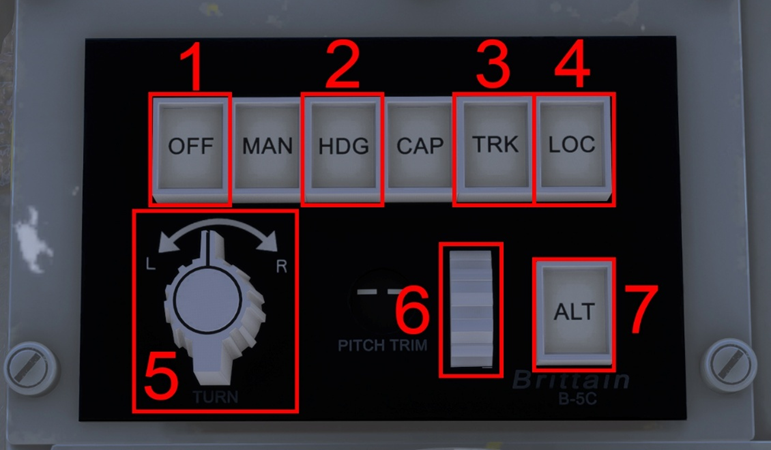
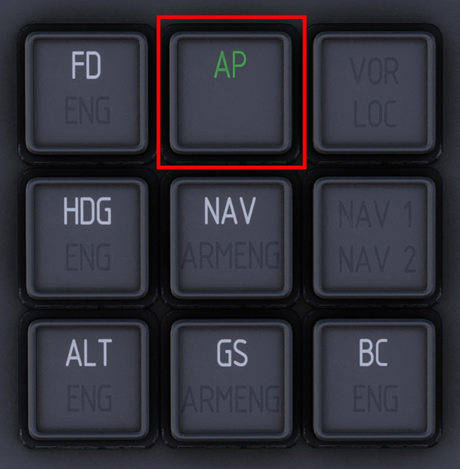
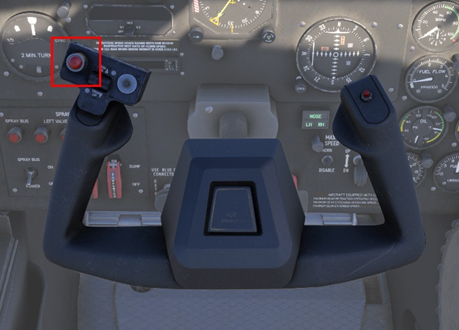
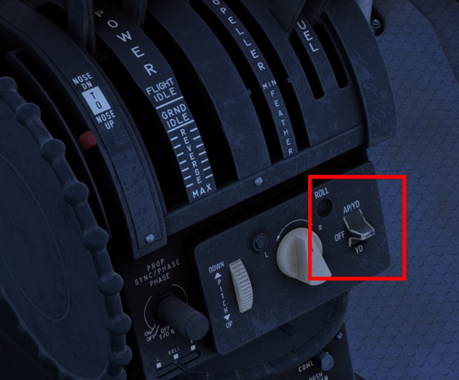
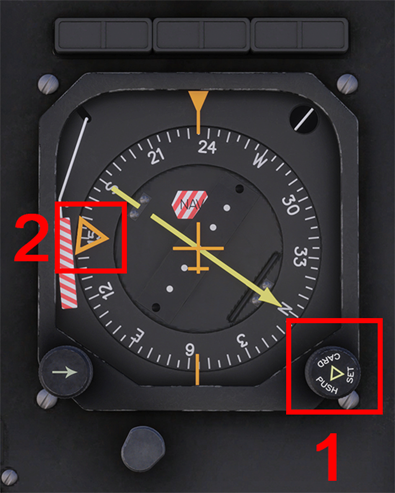
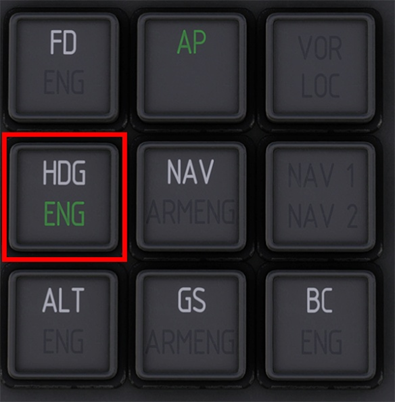
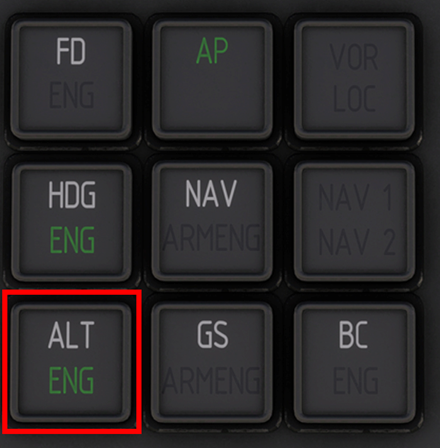
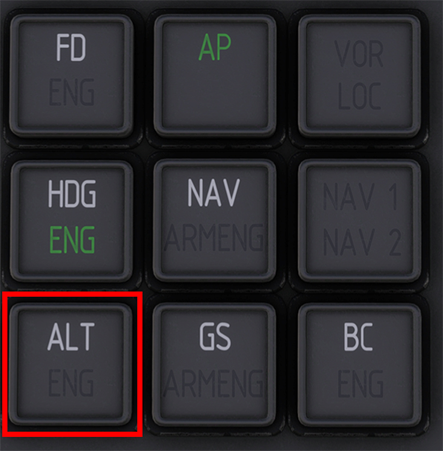
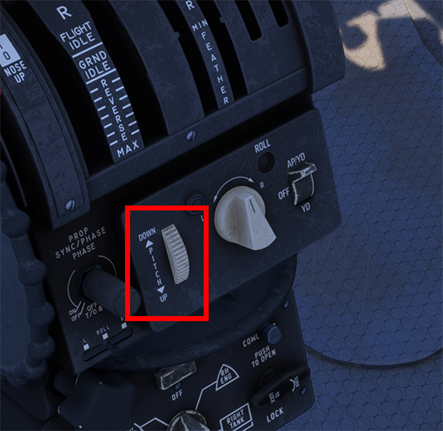
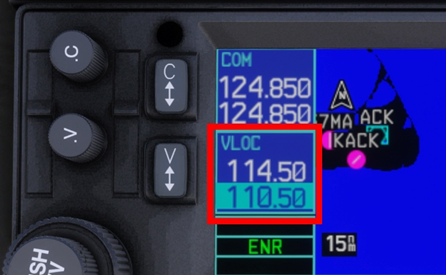
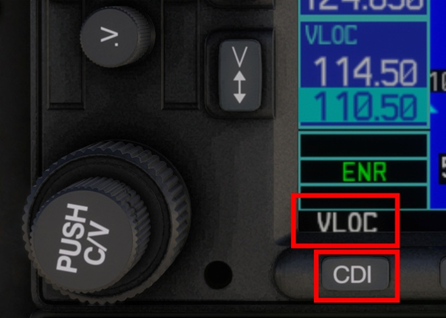
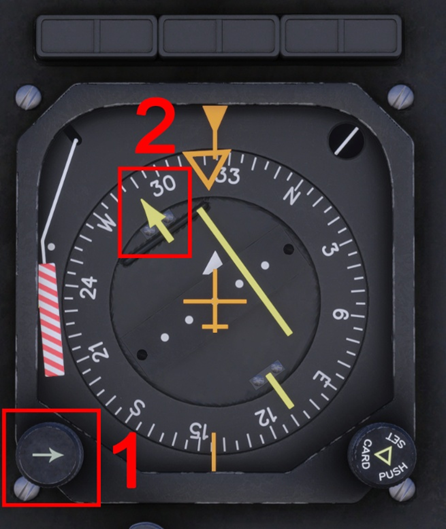
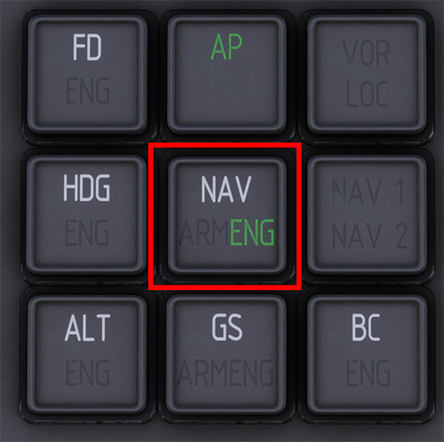
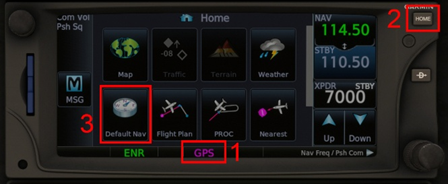
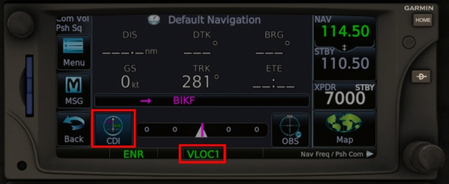
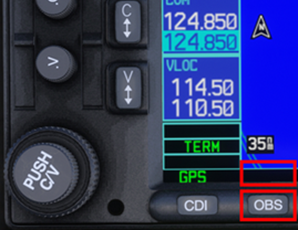
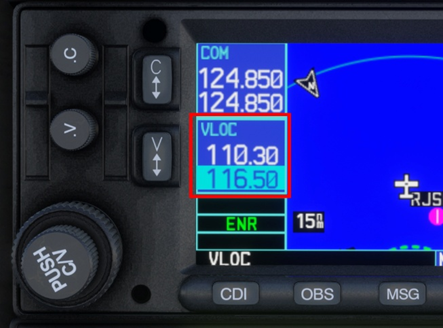
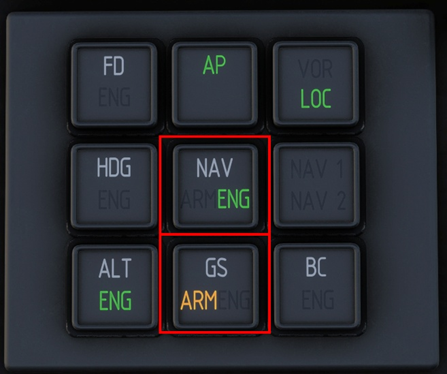
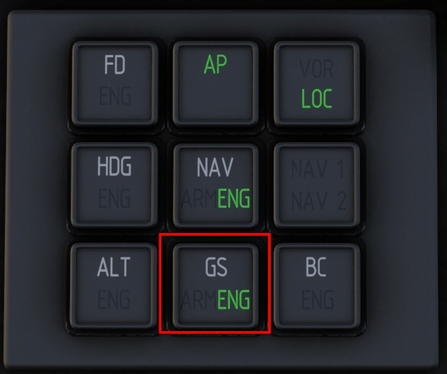
 Hi @kevinh Thanks for your report. If you can, please provide the OFP (PDF) for your route where you noticed this so I can share with the team for reproduction/fix testing. Thanks!Hi all, Firstly, you should never delete the WASMs in the community folder. What you've done is essentially deleted all the code of the aircraft, so no wonder it doesn't work in that instance. Please DO NOT delete any files from the package in the community folder. You should uninstall and reinstall the package fresh from iniManager to ensure there are no missing essential files at present. When we ask you to clear your WASM folder, we only mean the sim-compiled WASMs that can be found on the AppData folder paths listed here: You are welcome to receive support but please refrain from making inflammatory statements. We apologize for your frustrating experiences but I assure you, as you said, "you shouldn't need to do any of this" as the product is working fine in this regard for majority of the customer base without CTDs. Your experience so far is the exception, not the universal norm, so please have some patience as we work with you (and others here) to figure out the cause of such issues on your install. The Windows crashdumps are very limited in their ability to diagnose or provide useful data when it comes to MSFS. Going by the above though, it points to some kind of potential error or corruption in virtual memory (pagefile). I know you have tried, but just for completeness sake, please can you can try the following in the way listed below: Uninstall A350 from iniManager then complete a fresh install of the latest (v1.1.4) Delete your FS20 AppData WASM folders from the paths listed here: Adjust Virtual Memory behaviour as per this link: https://forums.flightsimulator.com/t/flightsimulator-exe-application-error-0x80000003-a-breakpoint-has-been-reached/334962/101 If it was already on automatic, try manually setting a custom size that is 1.5x your physical memory (e.g. if you have 16GB RAM, try 24GB) Load into MSFS with just the A350 package (inibuilds-aircraft-a350) in your community folder. Spawn directly onto a runway in any variant. Observe if you get a CTD or WASM loads on launch. If you do have a CTD, please share the windows error log again as well as exactly where you tried. Again, most users don't have to do any of this but we are just going off the limited metrics available to us from your submitted crash reports to help you find a solution. This is very weird considering "broken" liveries will at best result in lack of selection for those liveries in the aircraft selection menu, not CTD the sim as a whole. The livery package, if unreadable, will normally just not load into the VFS. What were the liveries you had installed so I can try exactly that set to see if we can reproduce the issue? For context, I run FS20 A350 in testing regularly across 2 different systems (one PC, one laptop) with the entire FS20 IniManager liveries library installed on one system; and all the marketplace livery packs installed on another and have yet to experience such CTDs across the iniManager or Marketplace builds. What were the liveries you had installed so I can try exactly that set to see if we can reproduce the issue? If there is any action/fix required on our part, we're always eager to do it and push it via update, as we have throughout the life of this product. However, we can't fix an issue that we cannot reproduce, so we need your help to try these things and let us know so we can work together to find the cause (and also hopefully a solution). Thanks!Overview The iniBuilds F406 has a two-axis autopilot that controls the ailerons and elevators. There is no auto-throttle, the power levers must always be controlled by the pilot to achieve the desired target power and/or speed. The Yaw Damper functions independently of the autopilot and can be engaged in conjunction with the autopilot or independently to provide basic yaw coordination. Engaging the Autopilot / Yaw Damper The F406 autopilot system comprises of two units: the Autopilot Control Panel and the Autopilot Mode Selector. Both units are used together as they provide different functionalities and modes of operation. 1. Ensure the Inverter is switched ON by selecting 1 or 2. There are two identical inverters installed in the F406. Selecting either one will provide the required AC power to the autopilot. 2. Select the desired AP/YD position on the Autopilot Control Panel. The AP Control Panel is found on the center console. Move the switch up to engage both AP/YD, or down to engage YD only. The system is OFF in the centre position. 3. Verify engagement on the Autopilot Mode Selector. Autopilot engagement is confirmed by the green AP indication. All the buttons on the AP Mode Selector also act as 'mode annunciators', indicating the status of the relevant mode being either ARMED or ENGAGED. Disengaging the Autopilot There are 3 ways to disengage the autopilot: Yoke Press the red Autopilot Disengage Button. Note: to re-engage the autopilot after using this button you must press it again to re-arm the autopilot. Center Console Select the OFF position on the Autopilot control panel. Keybind Assign a key or controller button to the AUTOPILOT OFF function via the control settings. Heading Hold Mode (HDG) In this mode, the autopilot captures and maintains the heading selected on your HSI using the HDG SEL knob. 1. Set your target heading. On the Horizontal Situation Indicator (HSI) use the (1) Heading Select knob to select the desired (2) target heading. 2. Press the HDG button. Press the HDG button on the Autopilot Mode Selector to engage Heading hold mode. The aircraft will turn towards and track the selected heading on the HSI. Engagement is confirmed when ENG is displayed on the button. Altitude Hold Mode (ALT) In this mode, the autopilot commands an immediate level off and maintains present altitude. 1. Press the ALT button on the Autopilot Mode Selector. Engagement is confirmed when ENG is displayed on the button. Note: The F406 autopilot does not have an altitude preselector and is only able to maintain the altitude at mode engagement. The preselector was optional and not installed as default equipment on this type. Commencing a Climb or Descent The simulated autopilot can maintain a desired vertical speed target set using the Pitch Command Wheel on the Autopilot Control Panel. 1. Ensure ALT is disengaged. If the Altitude Hold Mode (ALT) was engaged, disengage it by pressing the ALT button in the Autopilot Mode Selector. ENG will disappear when the Altitude Hold Mode is disengaged. 2. Use the Pitch Command Wheel to set desired vertical speed target. From the Autopilot Control Panel move the wheel up or down to select a higher or lower vertical speed target respectively to initiate and maintain a climb or descent. You can see your present target via the Tooltip or by observing your Vertical Speed Indicator (VSI) Tracking a VOR Radial or Localizer course (NAV - VLOC) The autopilot uses Navigation Mode (NAV) to capture and maintain the course selected on the HSI to a VOR or LOC. 1. Set desired VOR / LOC frequency on NAV1 radio. Select the VOR (or Localizer) frequency in NAV1 using your preferred GPS unit. 2. Ensure the GPS CDI is set to VLOC mode for tracking. GNS430 The active mode is displayed on the bottom left corner of the GPS unit. If GPS is displayed, press the CDI button to toggle to VLOC instead. GTN650 The active mode is displayed at the bottom of the GPS unit. If GPS is displayed, a. Press HOME button. b. Select Default Nav page. c. Press CDI button. d. VLOC1 will display as active mode. 3. Set desired course on the HSI. Use the (1) Course Selector Knob to select the (2) target course to be intercepted and maintained. 4. Press the NAV button on the Autopilot Mode Selector. The autopilot will now intercept and track your desired VOR or Localizer course. Engagement is confirmed when ENG is displayed on the button. Tracking a GPS Flight Plan The autopilot uses Navigation Mode (NAV) to capture and maintain the active GPS flightplan. 1. Ensure the GPS CDI is set to GPS mode for tracking. GNS430 The active mode is displayed on the bottom left corner of the GPS unit. If VLOC is displayed, press the CDI button to toggle to GPS instead. GTN650 The active mode is displayed at the bottom of the GPS unit. If VLOC1 is displayed, a. Press HOME button. b. Select Default Nav page. c. Press CDI button. d. GPS will display as active mode. 2. Load and activate your flightplan. If SUSP or OBS is displayed, press the OBS button until the indication above the button is blank. Note: the autopilot will NOT automatically sequence or follow the next leg otherwise. 3. Press the NAV button on the Autopilot Mode Selector. The autopilot will now intercept and track your GPS Flightplan. Engagement is confirmed when ENG is displayed on the button. Tracking an ILS The autopilot simulates a coupled approach (APP) mode via the NAV and GS buttons to capture and track the localizer and glide slope associated with an ILS. 1. Set desired ILS frequency on NAV1 radio. Select the ILS frequency in NAV1 using your preferred GPS unit. 2. Ensure the GPS CDI is set to VLOC mode for tracking. GNS430 The active mode is displayed on the bottom left corner of the GPS unit. If GPS is displayed, press the CDI button to toggle to VLOC instead. GTN650 The active mode is displayed at the bottom of the GPS unit. If GPS is displayed, a. Press HOME button. b. Select Default Nav page. c. Press CDI button. d. VLOC1 will display as active mode. 3. Set desired course on the HSI. Use the (1) Course Selector Knob to select the (2) target ILS course to be intercepted and maintained. 4. Press the NAV and GS buttons on the Autopilot Mode Selector. The autopilot will now intercept and track the Localizer. The Glide Slope mode (GS) is ARM until the Glide Slope is captured. Engagement is confirmed when ENG is displayed on the button. Glide Slope mode (GS) mode is now ENG, Altitude (ALT) mode automatically disengaged, and the autopilot is now tracking both the Localizer and the Glide Slope.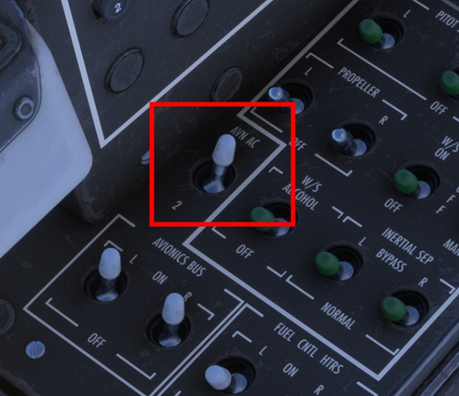
 Overview The iniBuilds A350 Airliner for FS2024 (PC) now comes with additional Cabin Packs that you can download via the iniBuilds Store and soon via the Marketplace (PC). Once installed, you can choose one of the many custom airline cabins to use with any compatible livery of your choice via the Aircraft Selection Menu. Changing Cabin Variants Open the Aircraft Selection Menu Find from the list or Search for the 'A350' Choose the 'A350-900' or 'A350-1000' aircraft Select 'Configure' at the bottom left corner of your screen via your mouse or by pressing the shown keybind Choose the 'Variant' tab at the top Select 'A350-900 (XXXX)' or 'A350-1000 (XXXX)' variant, where XXXX is the desired airline cabin. Switch to the 'Livery' tab at the top Choose your desired livery from the list Select 'Save and Back' at the bottom left corner of your screen via your mouse or by pressing the shown keybind Now you can return to the Free Flight menu and select Start Flight to use the selected Cabin variant of the iniBuilds A350 Airliner. Cabin Variant FAQ Video.mp4 Compatibility with Custom Cabin Textures You can use any cabin variant with any installed livery for that aircraft type (-900 or -1000) as they share the same exterior models (e.g. Cathay Pacific -900 Livery with a Qatar Qsuite Cabin option). However, if your installed livery comes with additional cabin customizations/textures, they may conflict with the Cabin Packs. In such instances please use the "Default Cabin" variant to continue enjoy those customizations.