richboy2307
Staff
-
Joined
-
Last visited
Everything posted by richboy2307
-
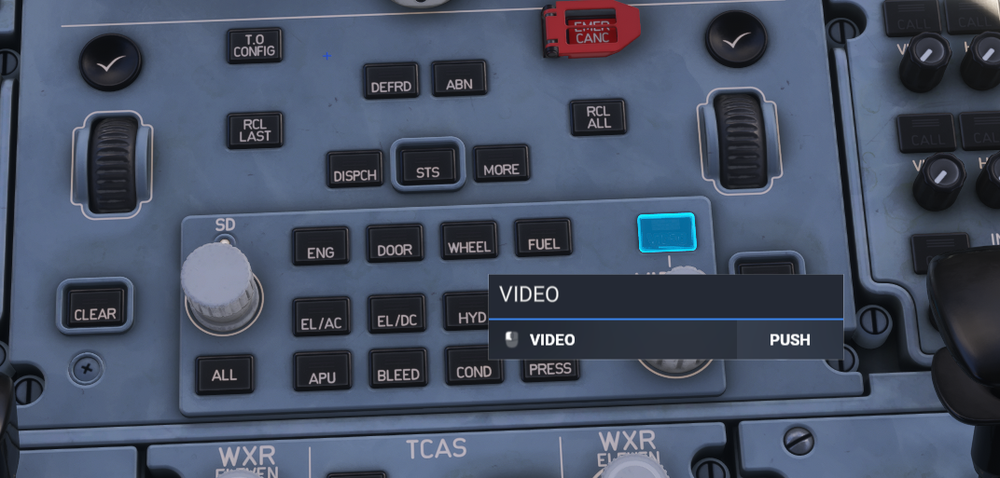
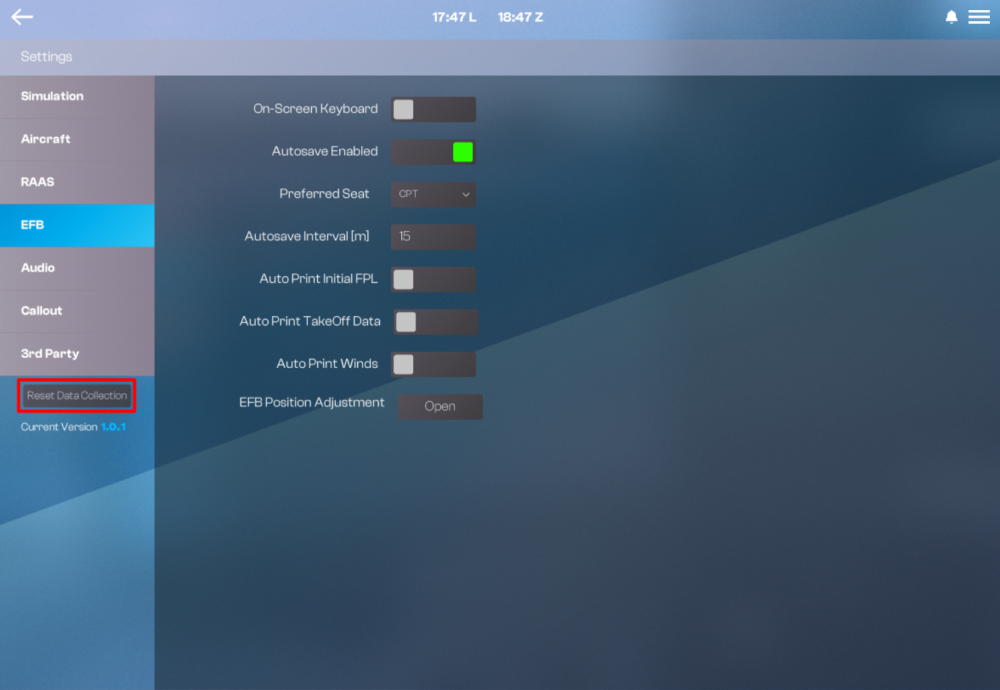
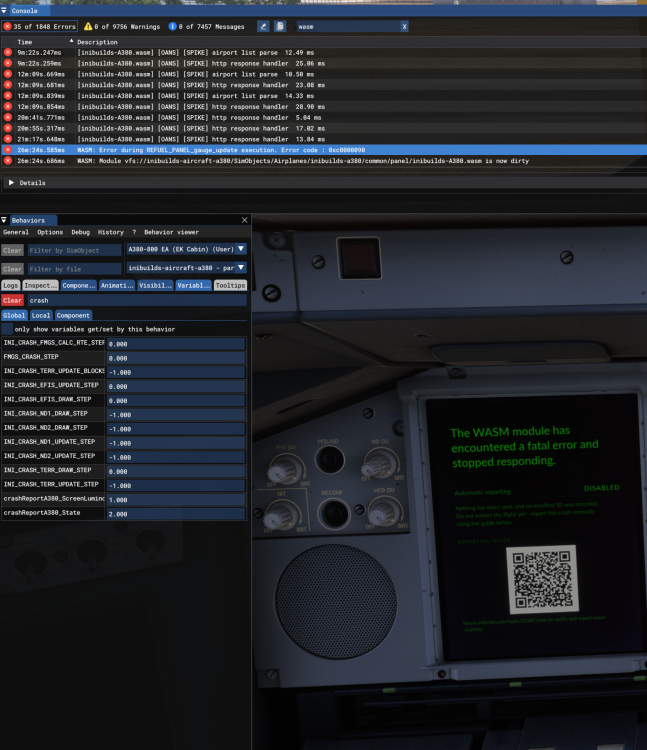
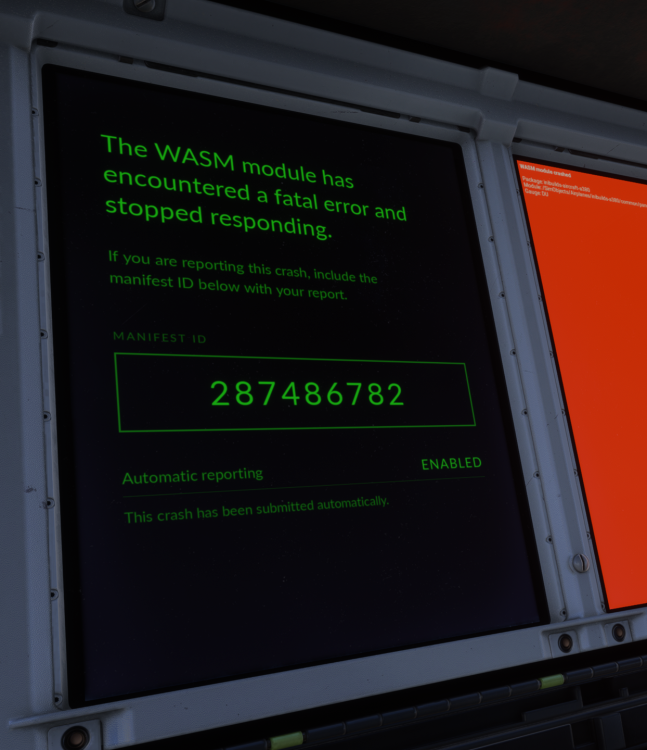
What is it?To help us better diagnose and fix issues, the iniBuilds A380 Airliner now includes an optional automatic WASM crash reporting feature. If a WASM crash occurs, the A380 can automatically send a diagnostic report directly to our development team, no manual reporting needed on your end! What gets sent?If enabled, a report will include: Add-on version The failed component Relevant technical counters Aircraft position Flight plan The latest portion of the diagnostic log No personal data or session-identifying information is collected. All reports are sent over an encrypted connection and are only accessible to our development team for crash investigation purposes. How to enable itOn your first load of the A380 following the update, you'll be prompted with the option to enable crash reporting on the MFD FMS. Click ACCEPT if you wish to participate. (Click to enlarge image) If you choose not to participate, click DECLINE and nothing will be sent to us, although diagnostic logs will continue to be stored locally on your PC. Your preference can be changed at any time through the EFB Settings page. Changing your preference laterChanged your mind? No problem! You can click the RESET DATA COLLECTION button on the EFB Settings page any time. Note: The changes will only take effect from next time you load into the A380 from the Free Flight menu. The Consent Prompt will be shown again on the MFD FMS. Click ACCEPT or DECLINE as preferred. (Click to enlarge image) Why it mattersThis extra telemetry helps us catch and fix hard-to-reproduce issues much faster, and means less back-and-forth needed from you when reporting a crash. Every report helps us improve the A380 for everyone!+ Automatic Crash ReportIf you have a WASM crash after clicking ACCEPT on the consent prompt, you will see a screen such as below with a reference MANIFEST ID that indicates that the report is sent. (OPTIONAL) You can share this ID with our support staff for reference to help locate the corresponding crash report logs. (Click to enlarge image) Manual Crash ReportIf you choose not to participate, click DECLINE and nothing will be sent to us, although diagnostic logs will continue to be stored locally on your PC. To report the crash manually, please follow the How to - Verify and Report WASM Crashes? guide to report all of the following: Aircraft Variant: A380 RR or EA Navdata Method: SIM DEFAULT or NAVIGRAPH OFP: Include a PDF of your Operational Flightplan (OFP) if related to FMS/Route Procedures crashes WASM Error: The error you see on the console. Crash VARs: A screenshot of the CRASH variables in the behaviours debug menu. Specs: CPU, GPU and RAM of your system. Autosave File: Please include the latest ".bin" autosave file prior to your crash. For more info see How to - Autosave guide. Screenshot / Video: showing what you pressed/did just before the crash happened to give us more clues. Repro Steps: How to reproduce the crash so that we can try ourselves with debugging tools to identify the cause of crash. Autosave Folder Paths
-
Issues with CalibrationIf you experience any issues with the Throttle Calibration process, you may force-reset the calibration on the EFB via either of the following methods: PC & Xbox: Press the 'RESET CALIBRATION' button, PC Only: Delete the 'ThrottleData.ini' file to start fresh on next launch of the simulator. This file will be found in the work folder of the aircraft, and the path will vary based on where you purchased the simulator: Steam: %APPDATA%\Microsoft Flight Simulator 2024\WASM\MSFS2024\inibuilds-aircraft-a380\work MS Store: %LOCALAPPDATA%\Packages\Microsoft.Limitless_8wekyb3d8bbwe\LocalState\WASM\MSFS2024\inibuilds-aircraft-a380\work Issues with ReversersIf you experience any issues with the operation of reversers on hardware with reverse on axis (E.g. TCA Quadrant Airbus Edition), please ensure the following: Reverse on Axis: Ensure you have selected YES on the EFB Throttle Calibration page. Calibration: Ensure you have completed the calibration at least once. This will ensure the creation of a 'ThrottleData.ini' file. ThrottleData.ini : The file can be found at the path stated above. Open with a text editor (e.g. Notepad) and check that it says the following - [throttle] reverse_on_axis = true If it says false, change it to true as above and save the file. Reversers should then work after a sim restart.
-
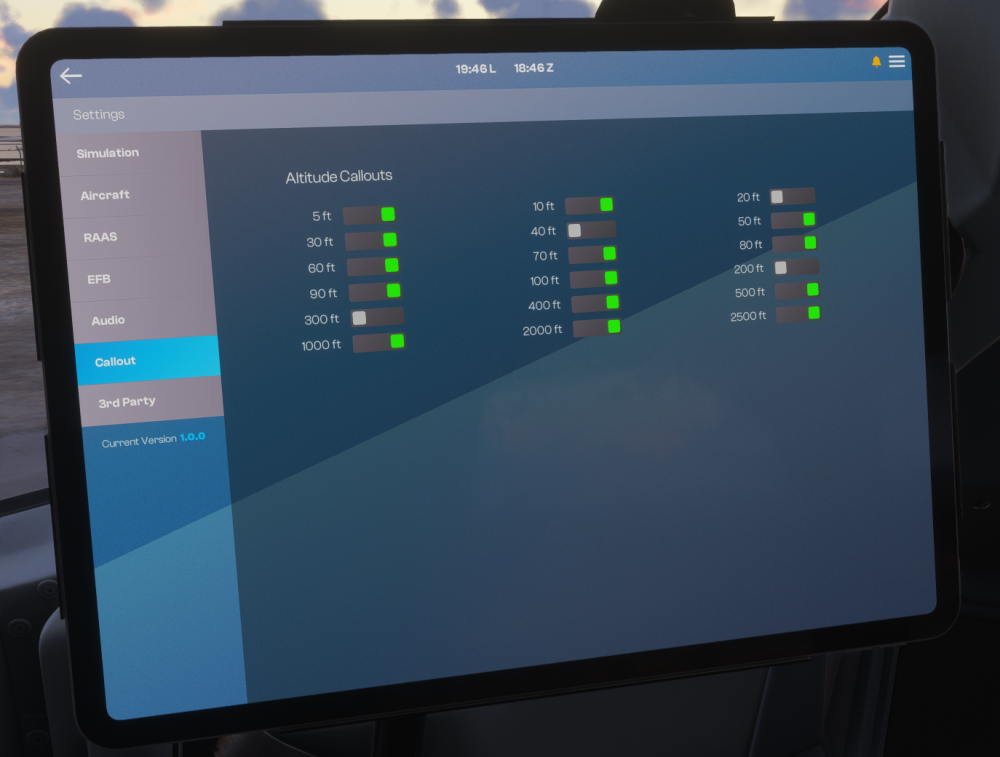
Radio Altitude (RA) callouts are automated aural announcements that alert the flight crew to the aircraft's height above ground during approach and landing. They provide critical situational awareness in the final phase of flight, helping pilots monitor descent rate, verify height against the expected profile, and prepare for landing or go-around decisions. You can toggle which RA callouts you wish to hear via the EFB Callout Settings page. (Click to enlarge image) Changing RA CalloutsOpen the EFB and navigate to Settings > Callouts Toggle the switch next to the desired callout to enable or disable it. Your selections are automatically saved and will persist across sessions and aircraft variants.
-
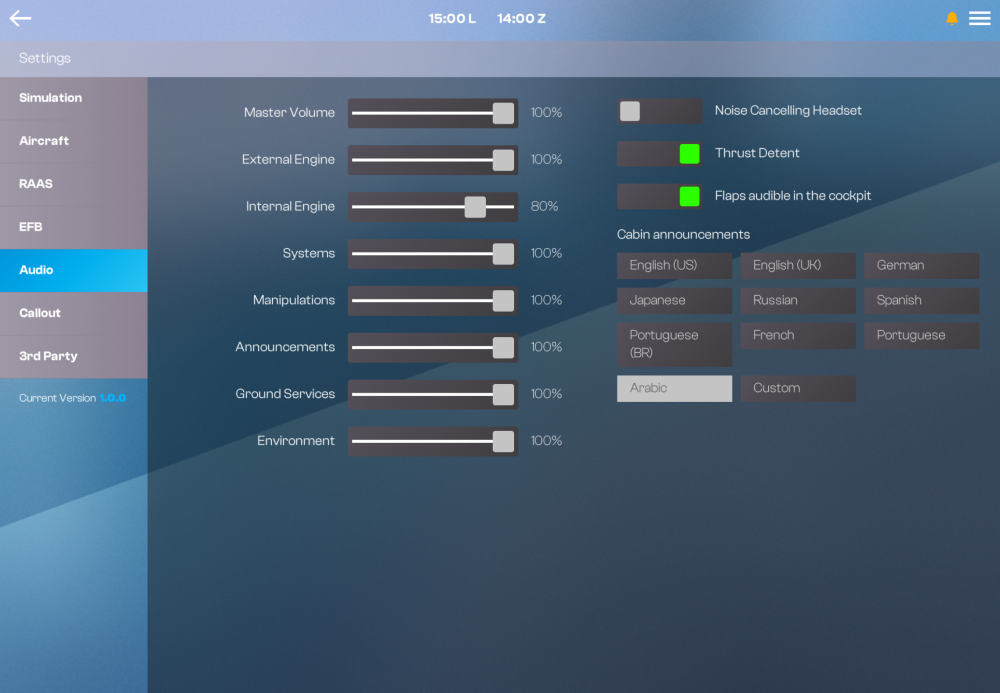
The Audio settings page on the Electronic Flight Bag (EFB) allows you to fine-tune individual sound category volumes, enable specific sounds, control noise-cancelling and select your preferred cabin announcement language. This page is accessed via EFB Settings > Audio. (Click to enlarge image) Volume SlidersEach category below can be independently adjusted from 0% to 100% using its respective slider: Category Description Master Volume Global volume control affecting all aircraft sounds. External Engine Engine sounds heard from an external camera view. Internal Engine Engine sounds heard from inside the cockpit and cabin. Systems Aircraft systems sounds (hydraulics, avionics fans, relays, etc.). Manipulations Switch clicks, knob turns, and other cockpit interaction sounds. Announcements Cabin crew and PA announcements. Ground Services Sounds related to ground handling (GPU, air conditioning carts, jet bridge, etc.). Environment Ambient and environmental sounds (wind, rain, airframe noise). Tip: Lowering Internal Engine relative to Systems or Announcements can help improve callout and PA clarity during critical phases of flight. Adjust the sliders for what works best on your Audio/EQ setup. Audio TogglesNoise Cancelling Headset Simulates the effect of a noise-cancelling headset, reducing ambient cockpit noise for clearer radio and callout audio. Note: For this feature to function correctly, ensure Loudness Limiter and Headphone Simulation are disabled in your simulator's Settings > General > Sound menu. For more information refer to How to - Disable Loudness Limiter & Headphone Simulation. Thrust Detent Enables audible click/detent sounds when moving the throttle levers through IDLE, CLB, FLX, and TOGA positions. Flaps Audible in the Cockpit Enables the sound of flap surface movement to be heard from inside the cockpit. Cabin Announcements - Language SelectionChoose the language used for cabin crew announcements (e.g., safety demonstrations, boarding, and arrival PAs): English (US) English (UK) German Japanese Russian Spanish Portuguese (BR) French Portuguese Arabic Custom - Allows use of a custom/user-provided announcement audio set. Simply click on your preferred language button to apply it. The currently selected language will be highlighted. Custom Cabin Announcements - COMING SOONCOMING SOON
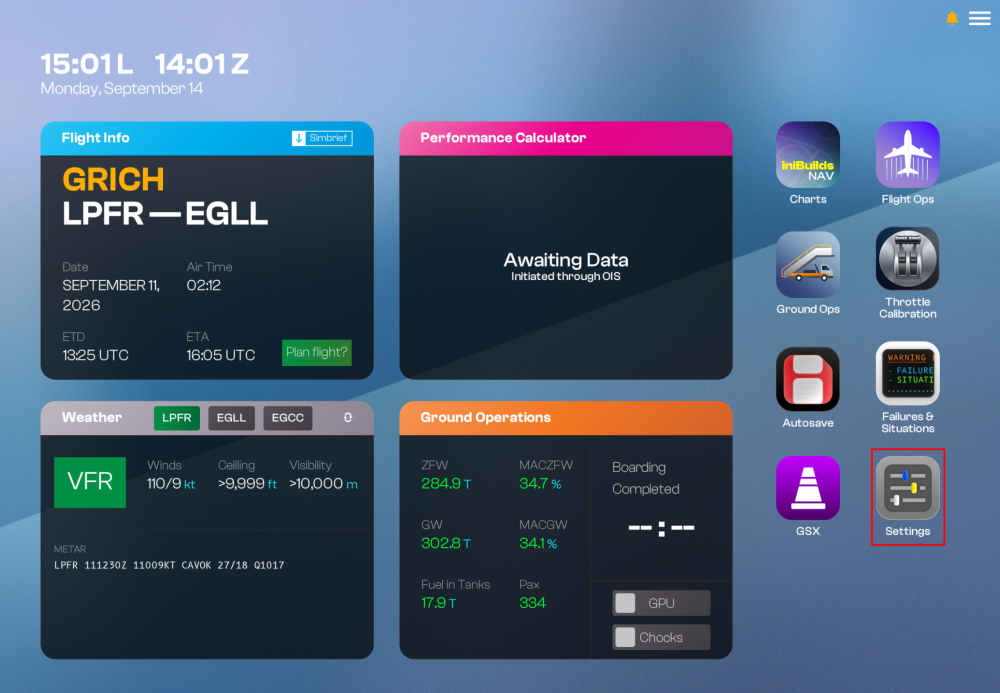
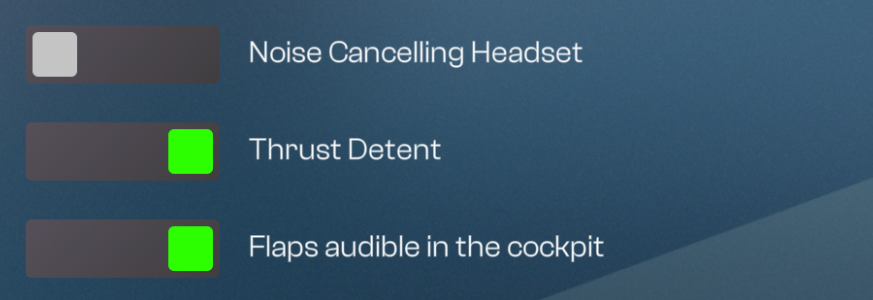
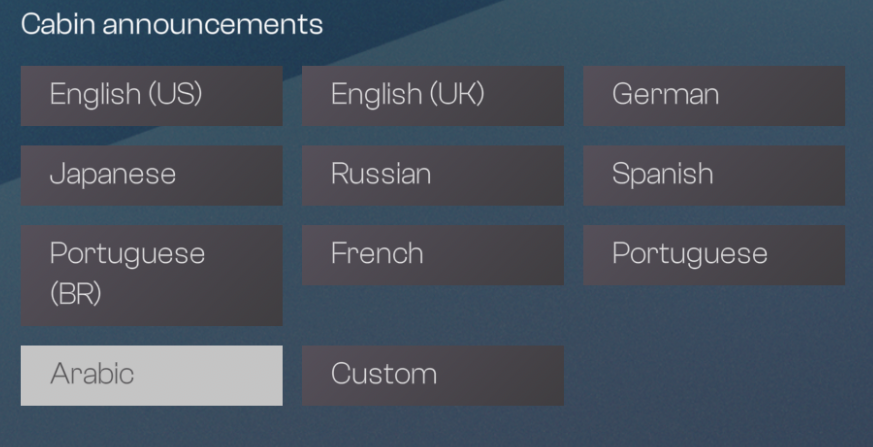
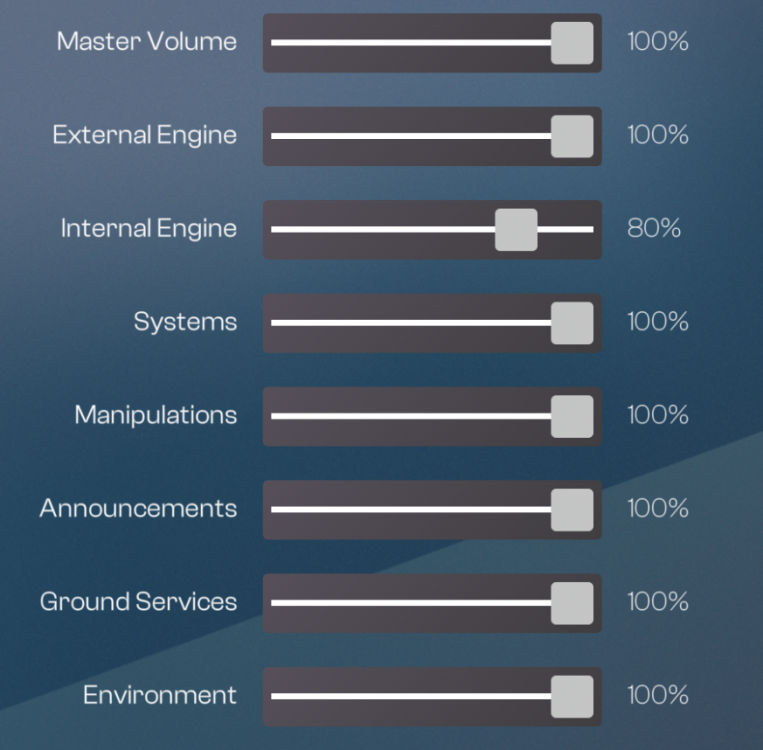
-
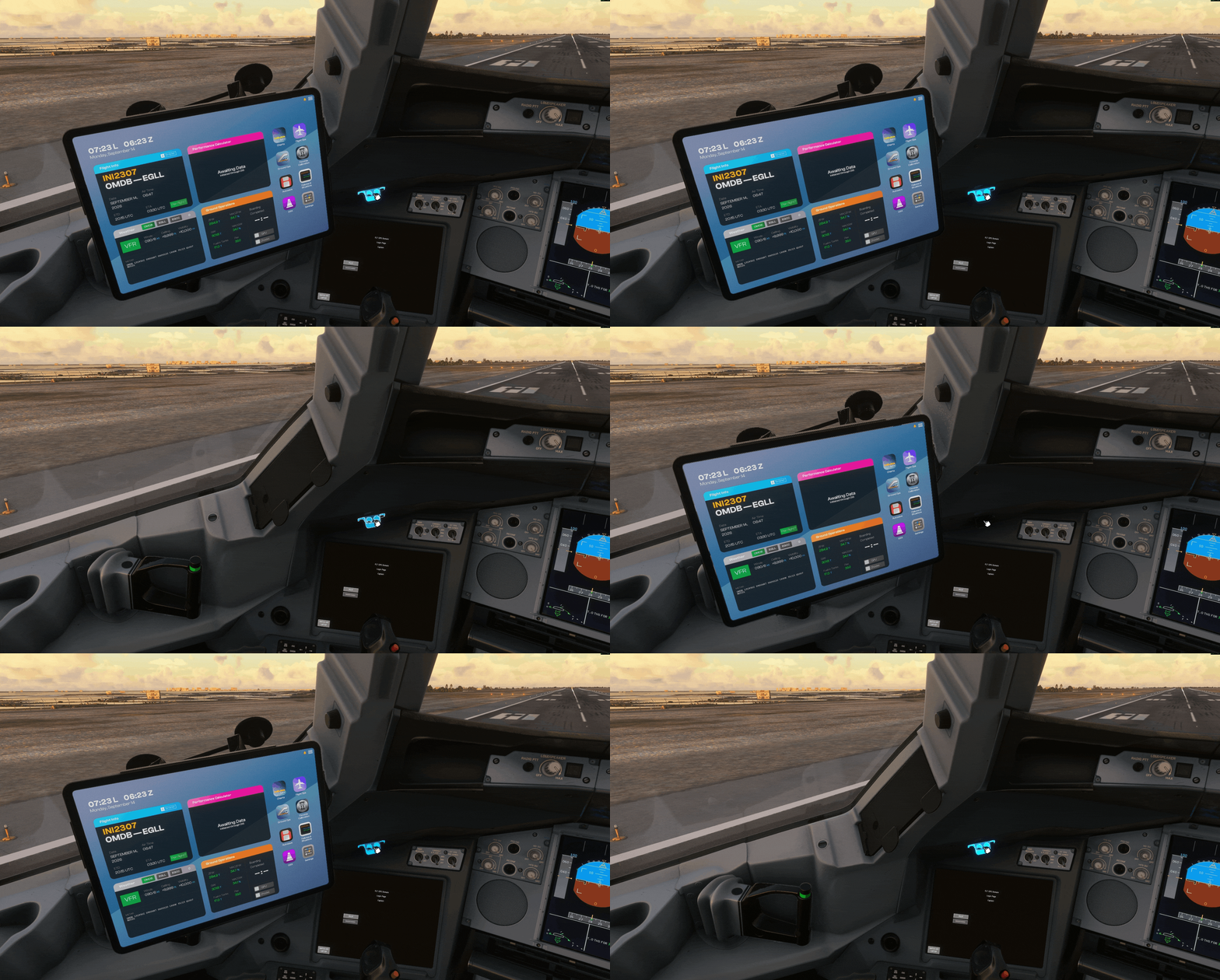
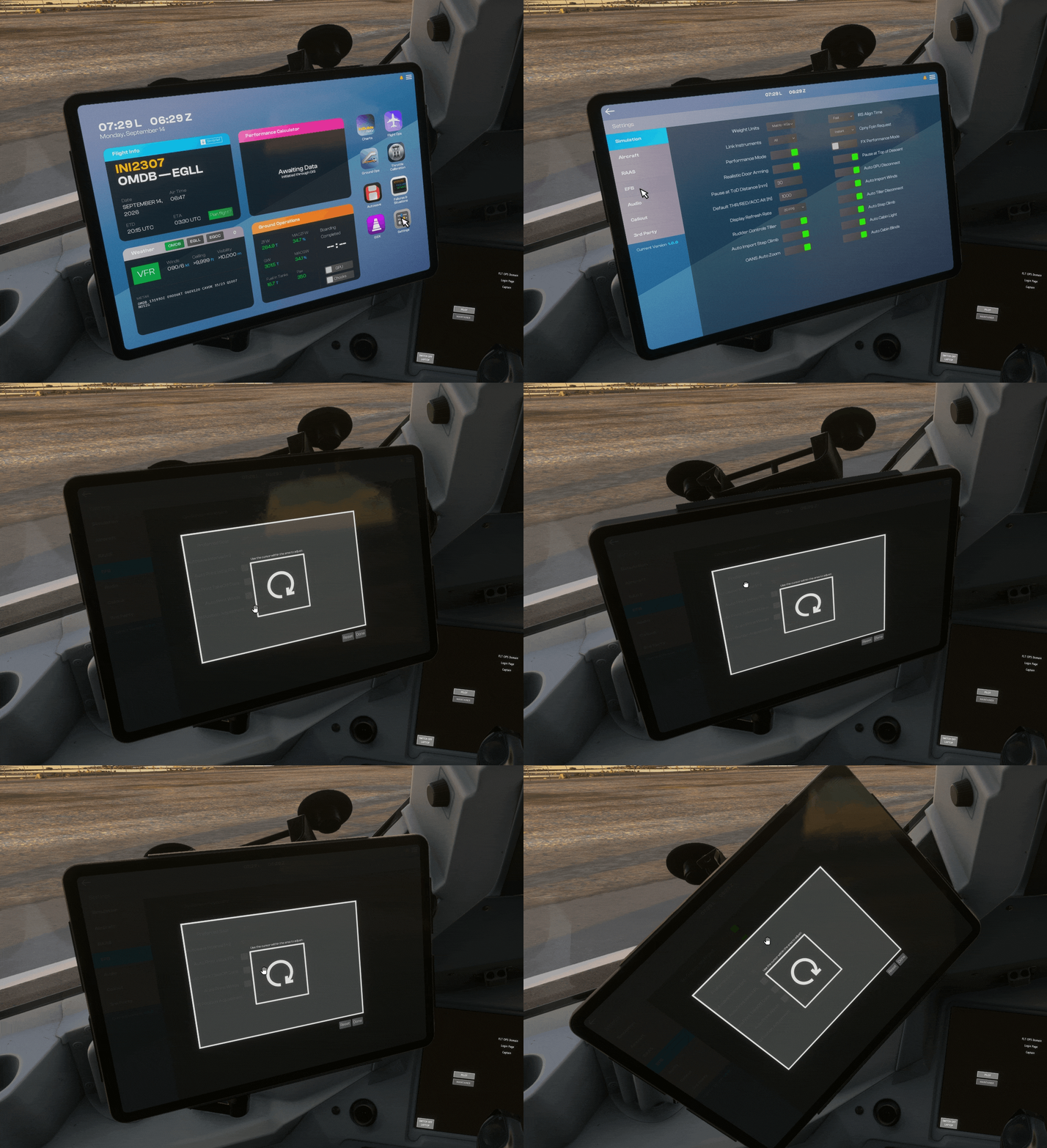
Showing / Hiding the EFBClick on the pen holder located above the OIT, on either the Captain (CPT) or First Officer (FO) side, to show or hide the respective EFB. (Click to enlarge image) Adjusting EFB Position (Tilt & Rotation)Open EFB > Settings > EFB > EFB Position Adjustment. A pop-up window will appear with an adjustment area. Click and drag with your mouse within the white box to adjust the EFB's mounting pivot: Inner (center) area — Adjusts Rotation Outer area (within the white box) — Adjusts Tilt Once satisfied with the position, click Done to confirm. Click Reset at any time to restore the default position. (Click to enlarge image)

-
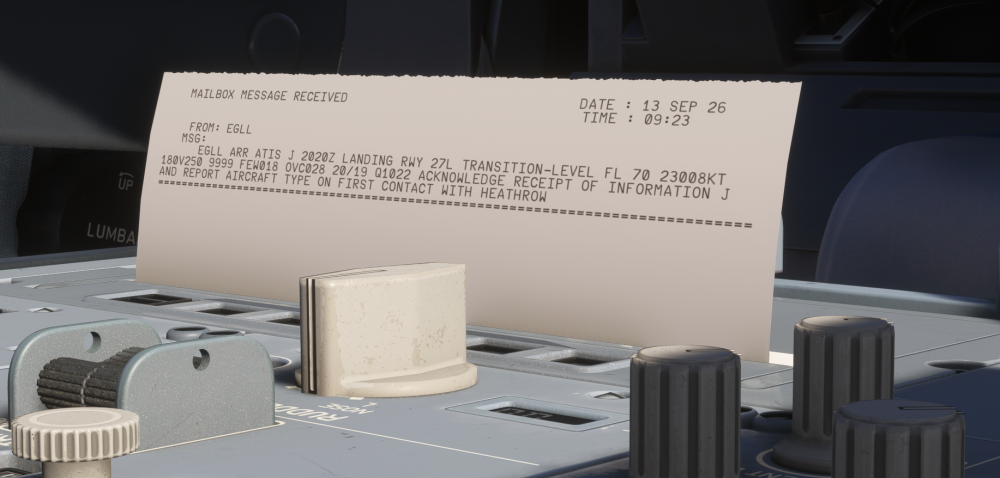
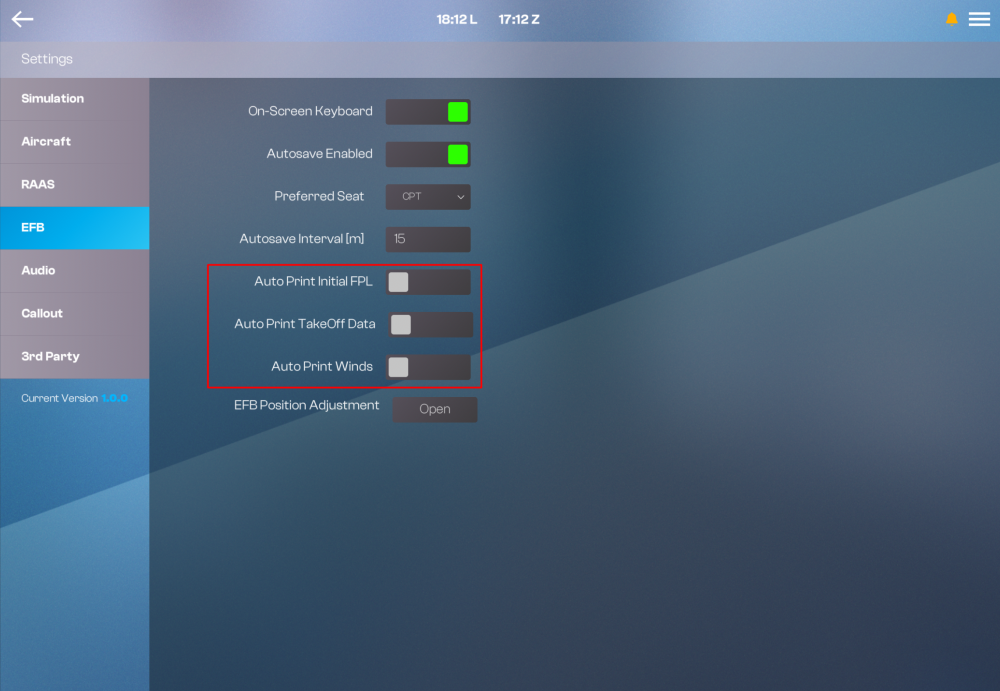
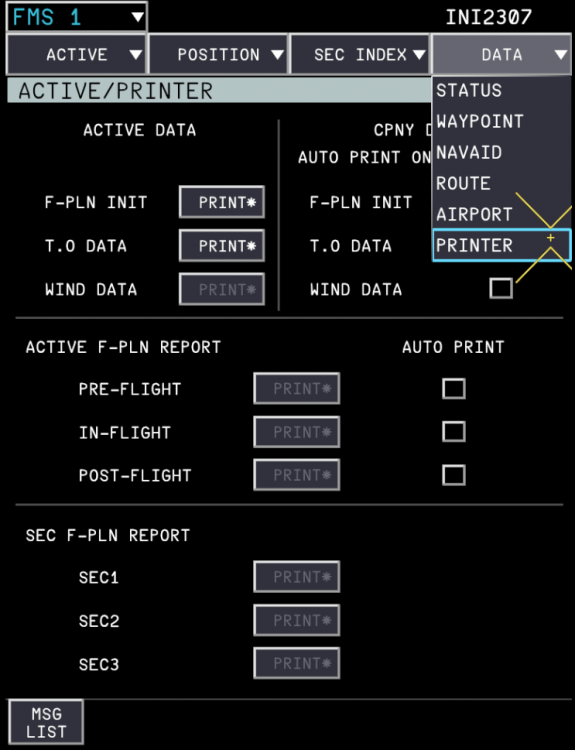
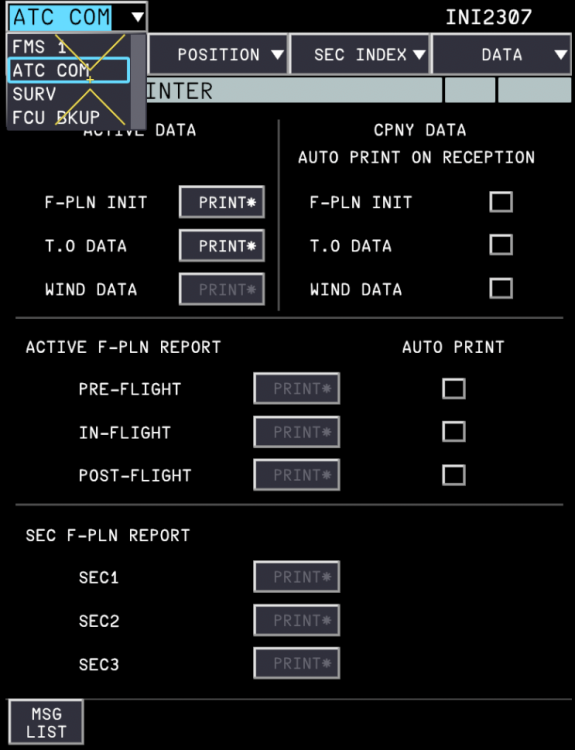
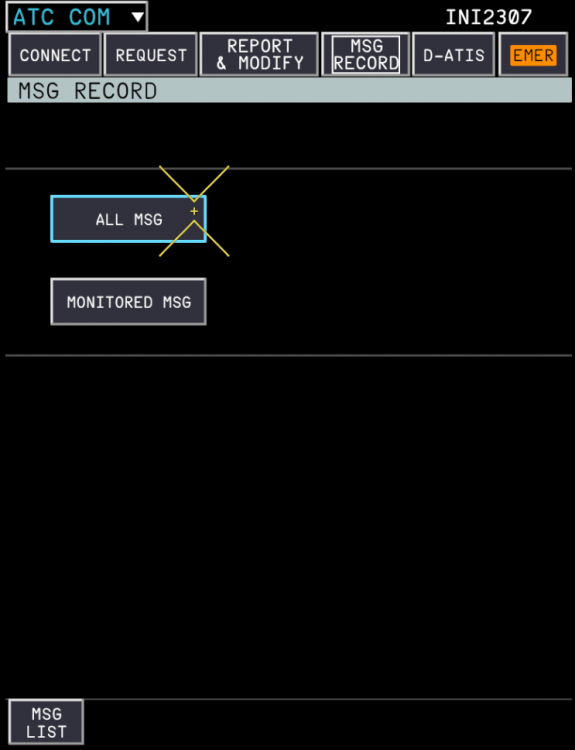
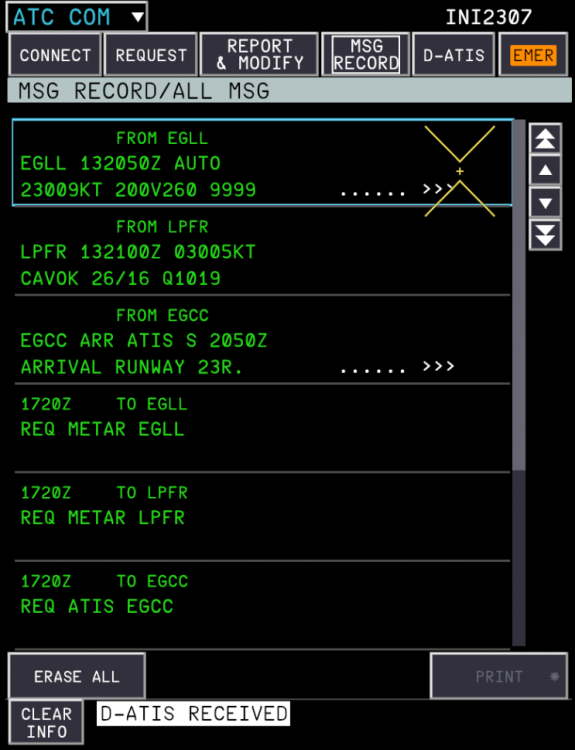
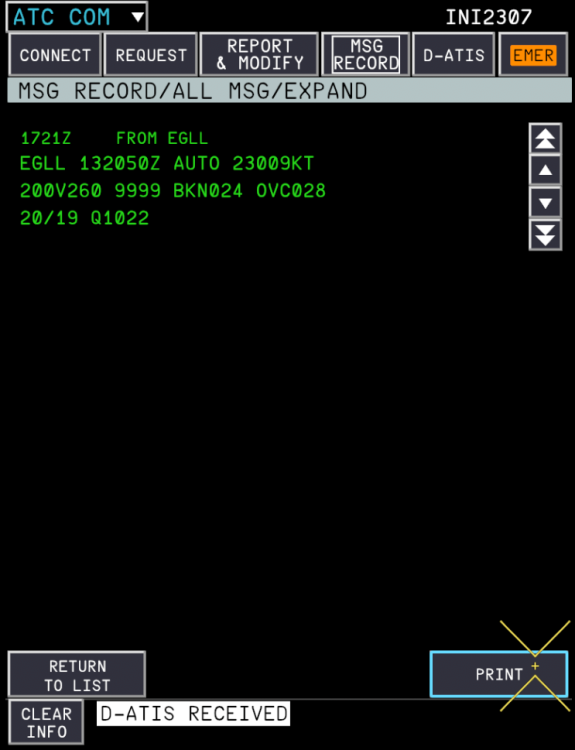
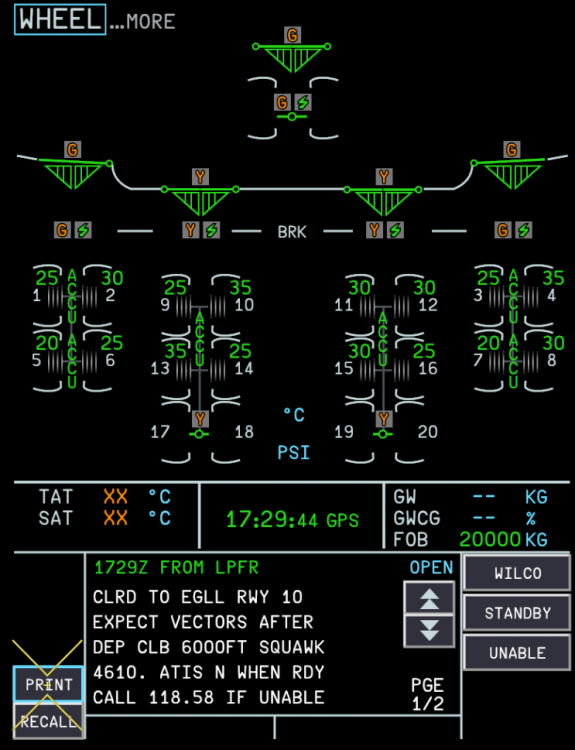
The onboard printer is used to create hard copies of key flight data like Take-Off (T.O) Data, Flight Plan (F-PLN), METAR, Mailbox messages, and more. While this data is already accessible via the Electronic Flight Bag (EFB), Onboard Information Terminal (OIT) and Flight Management System (FMS), printing allows you to cross-check and reference information physically on the cockpit tray table. (Click to enlarge image) How It WorksThe printer simulates a realistic print process using a combination of: 3D model animations - representing the physical printing mechanism Show/hide attachments - simulating the printed page being fed out and placed onto the tray table in the cockpit Once data is sent to print, it is automatically formatted using a template corresponding to the type of printout requested (e.g., F-PLN INIT, METAR, T.O Data) and rendered onto the printed page texture. Note: Page sizes may vary Paper length is dynamic and scales based on the content being printed. For example, a METAR printout will use significantly less paper than a full F-PLN printout. (Click to enlarge image) How to Print1. Configure Auto-Print Options (Optional)Open the EFB, navigate to Settings > EFB, and enable any desired auto-print options (e.g., Auto Print Initial FPL, Auto Print TakeOff Data, Auto Print Winds) if you want certain items to print automatically without manual input. (Click to enlarge image) 2. Print Flight Plan, Take-Off or Wind DataNavigate to the Printer page on the FMS (DATA > PRINTER) using the MFD and cursor controls. Select the on-screen PRINT prompt where available to send that data to the printer. The options will remain gray until the relevant data is uplinked into the FMS first. (Click to enlarge image) 3. Print Loadsheet, METAR or Mailbox MessagesGo to the Mailbox or MFD ATC Communications (ATC COM) page on the FMS, select the specific METAR or message you wish to print, and press the on-screen PRINT button. OR 4. Collect Your PrintoutOnce printing completes, click on the simulated printout located on the pedestal to retrieve it. It will then be placed on the cockpit tray table for reference. Note: Only 1 printout can be displayed at a time. The printed page remains on the tray table until manually removed or replaced by a new printout. The printed page will show/hide alongside the tray table when closed. Since paper length varies by content, larger printouts (e.g., full F-PLN with multiple waypoints) will take slightly longer to complete than smaller ones (e.g., METAR). Use the printer as a quick physical reference during busy phases of flight, reducing the need to repeatedly navigate FMS/OIS pages. Note: The printout is strictly simulated inside the virtual cockpit only. The virtual printout cannot be sent to a real-world physical desktop printer or exported directly as a PDF at this time.
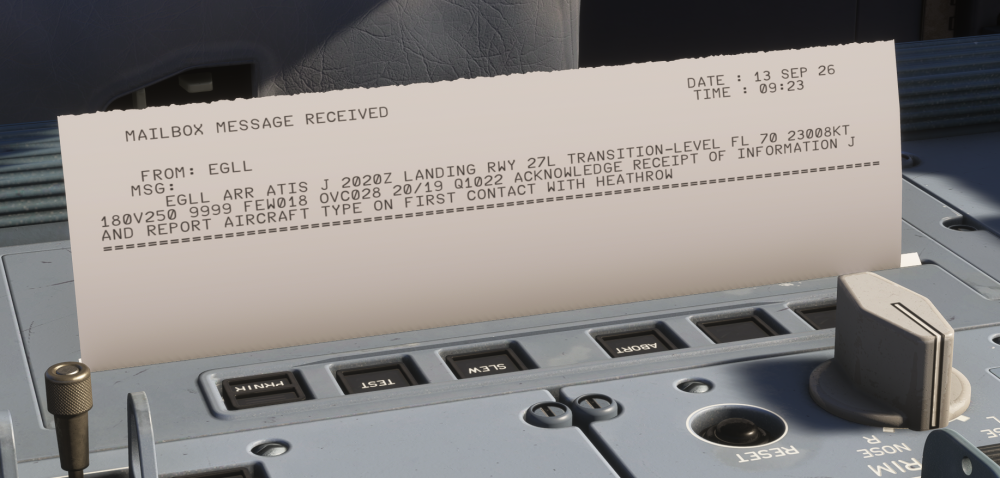
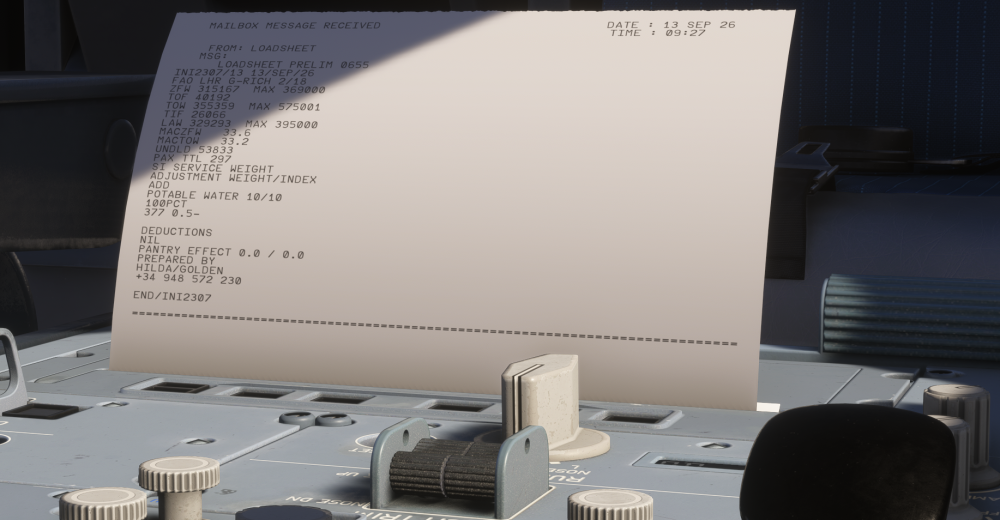
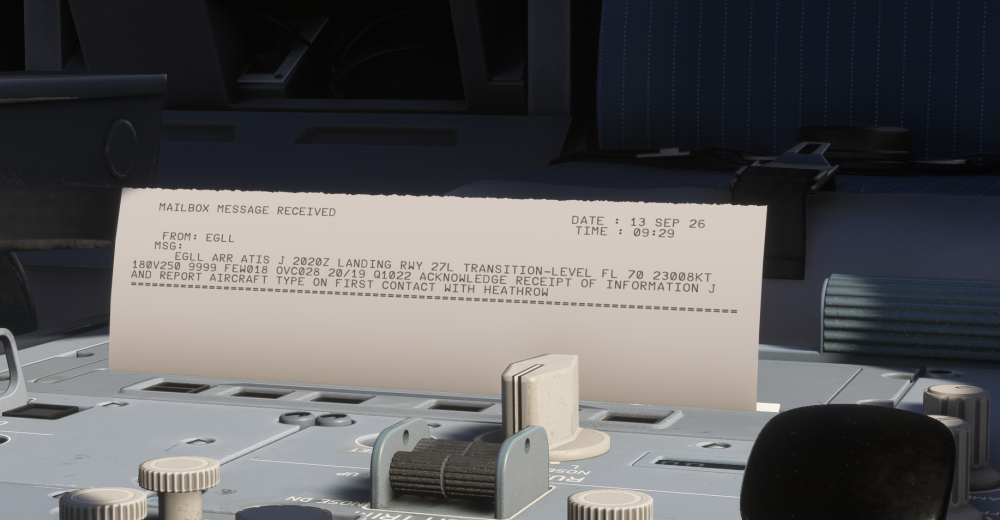
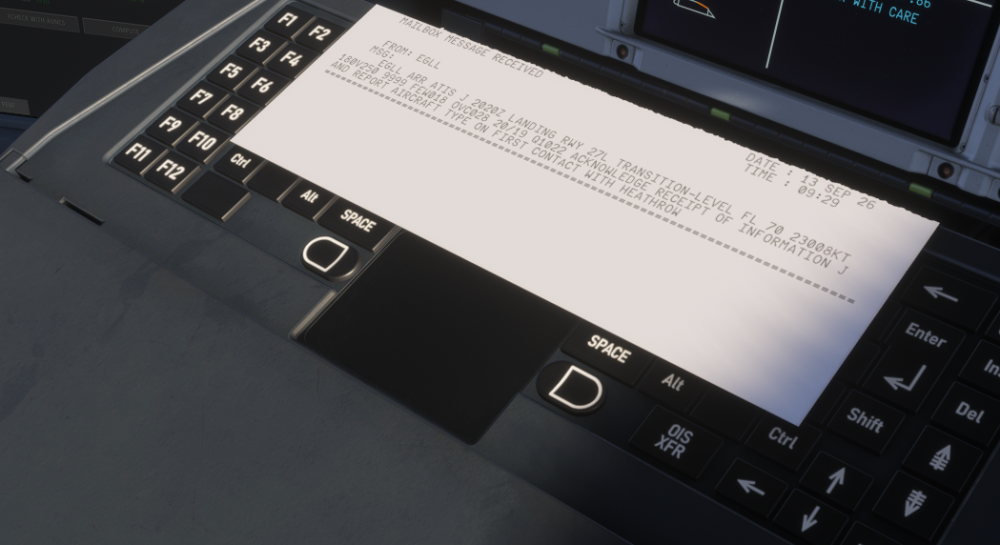
-
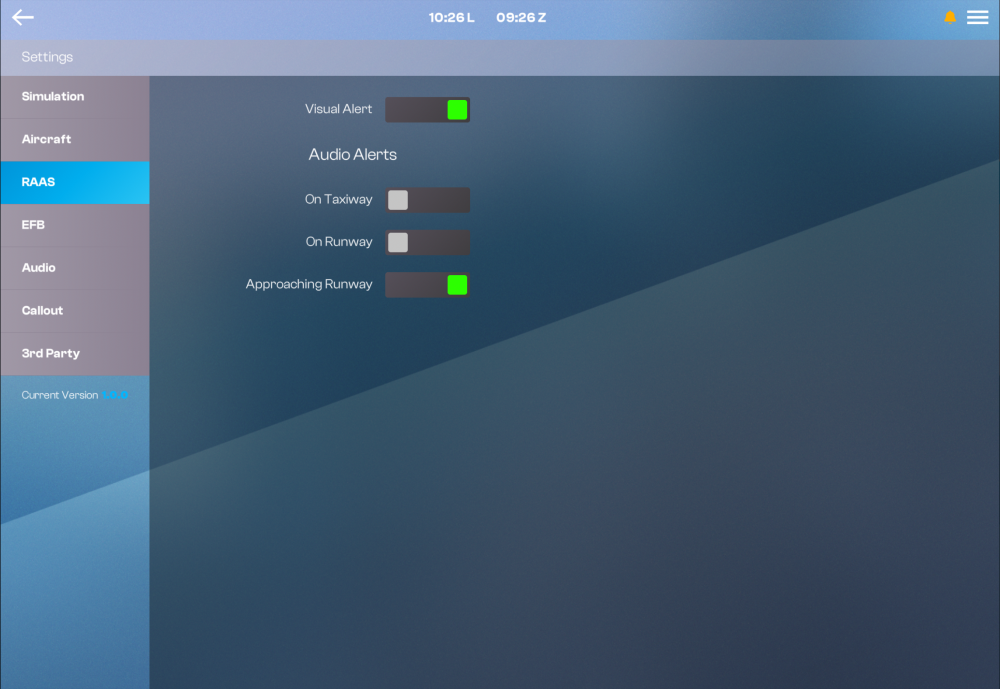
RAAS (Runway Awareness and Advisory System) is an optional feature designed to enhance situational awareness during ground operations by alerting the flight crew to the aircraft's position relative to taxiways and runways. What is RAAS?RAAS provides both visual and aural alerts to help prevent runway incursions and improve positional awareness during taxi, takeoff, and landing phases. Alerts are displayed on the PFD and ND, accompanied by corresponding audio callouts. Available Alerts: ON TAXIWAY: Indicates the aircraft is on a taxiway. ON RUNWAY: Indicates the aircraft has entered a runway. APPROACHING RUNWAY: Alerts when approaching a runway during taxi. Enabling / Disabling RAASRAAS is optional and can be configured via the EFB: EFB > Settings > RAAS Each alert can be individually enabled or disabled using its respective toggle switch. Setting Description Visual Alert Toggles the visual display of all RAAS alerts on the PFD and ND. Audio Alerts - On Taxiway Toggles the aural alert when the aircraft is on a taxiway. Audio Alerts - On Runway Toggles the aural alert when the aircraft is on a runway. Audio Alerts - Approaching Runway Toggles the aural alert when approaching a runway.
-
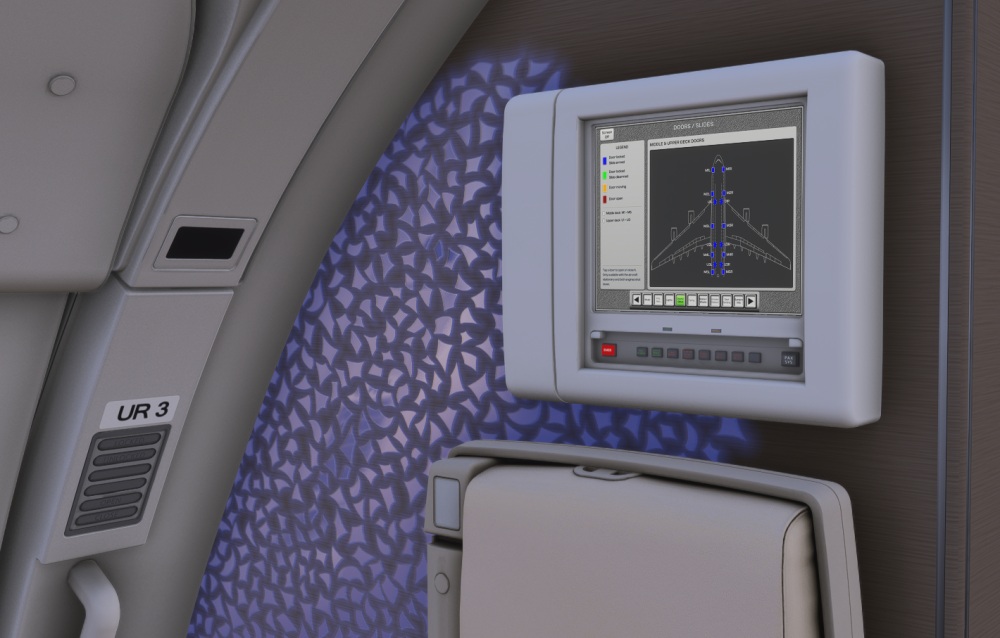
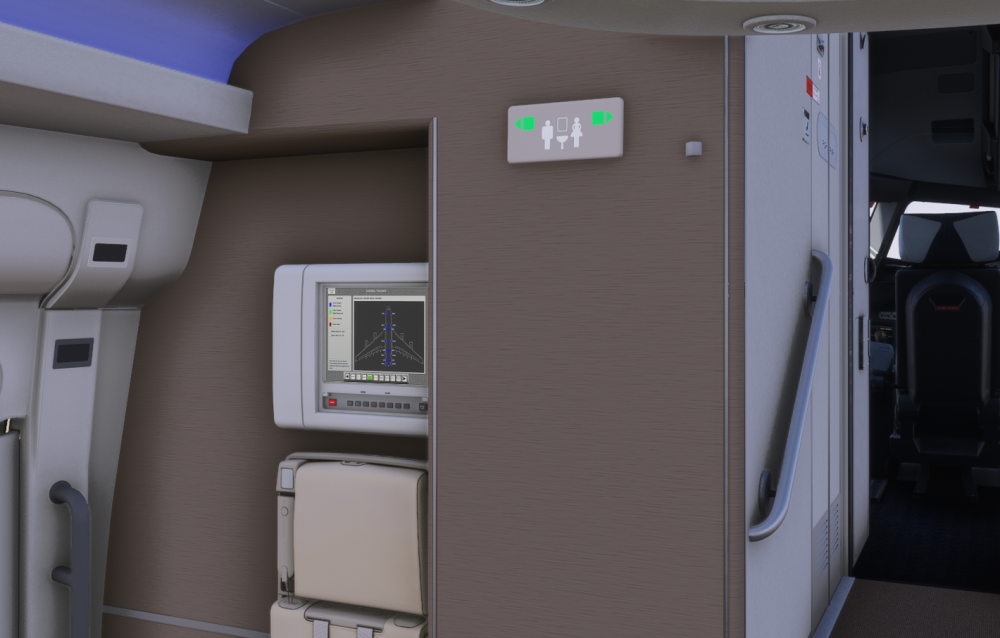
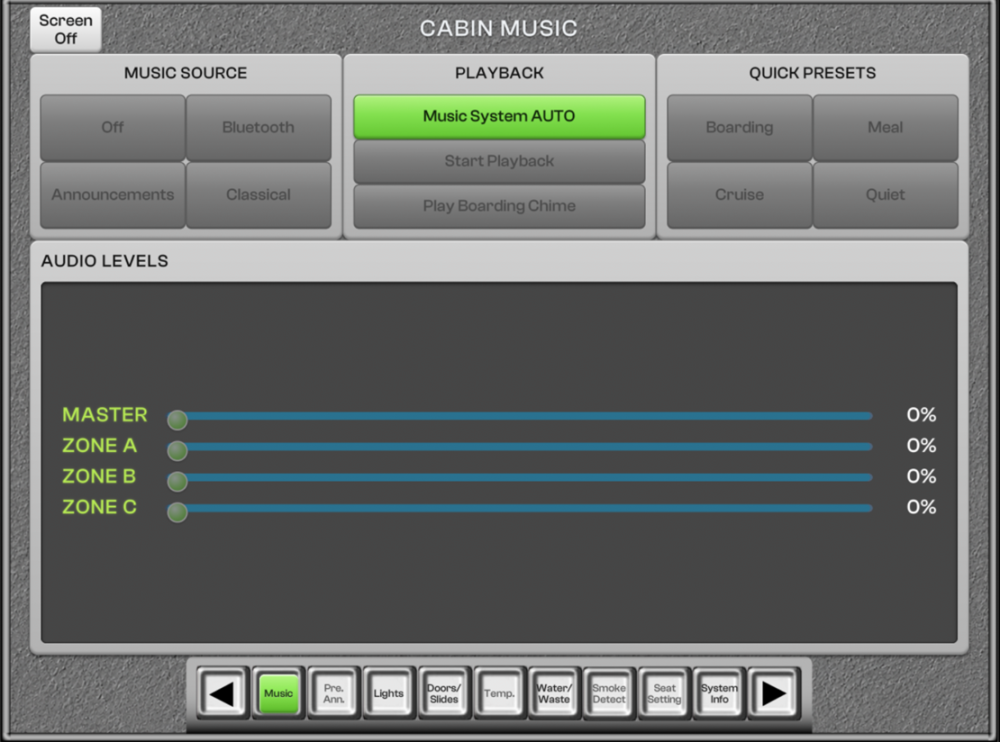
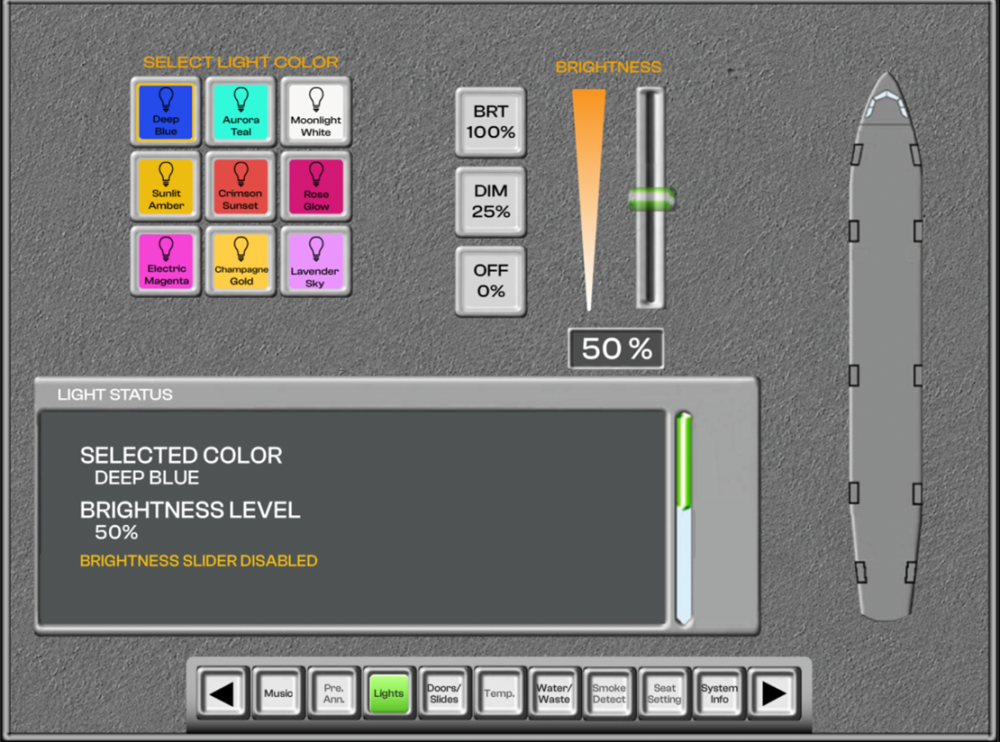
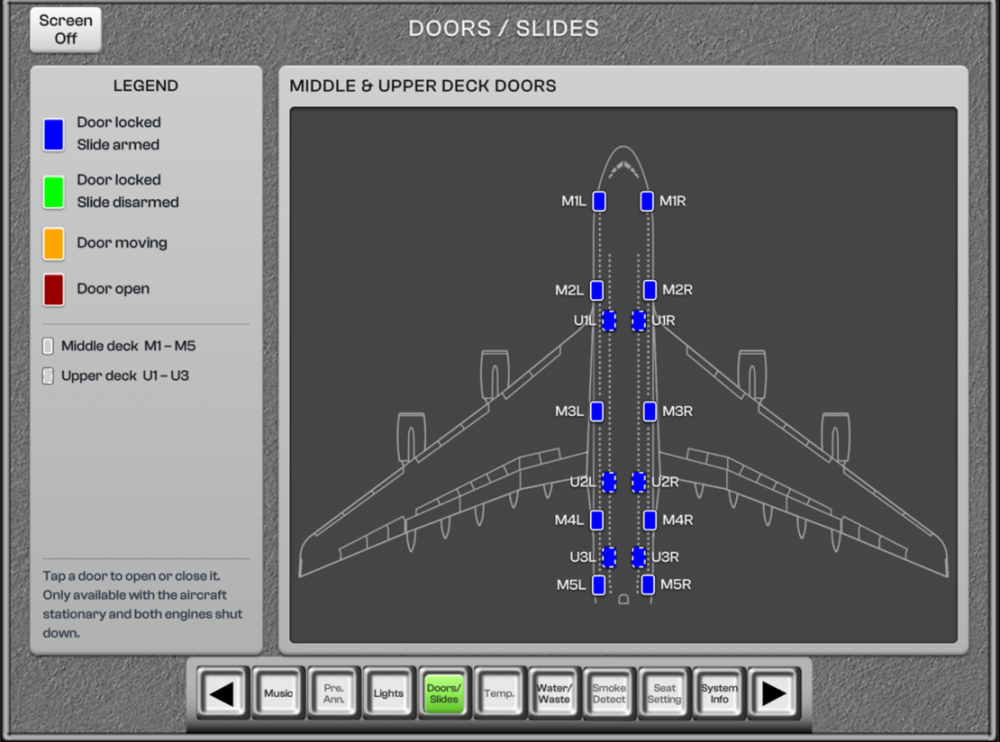
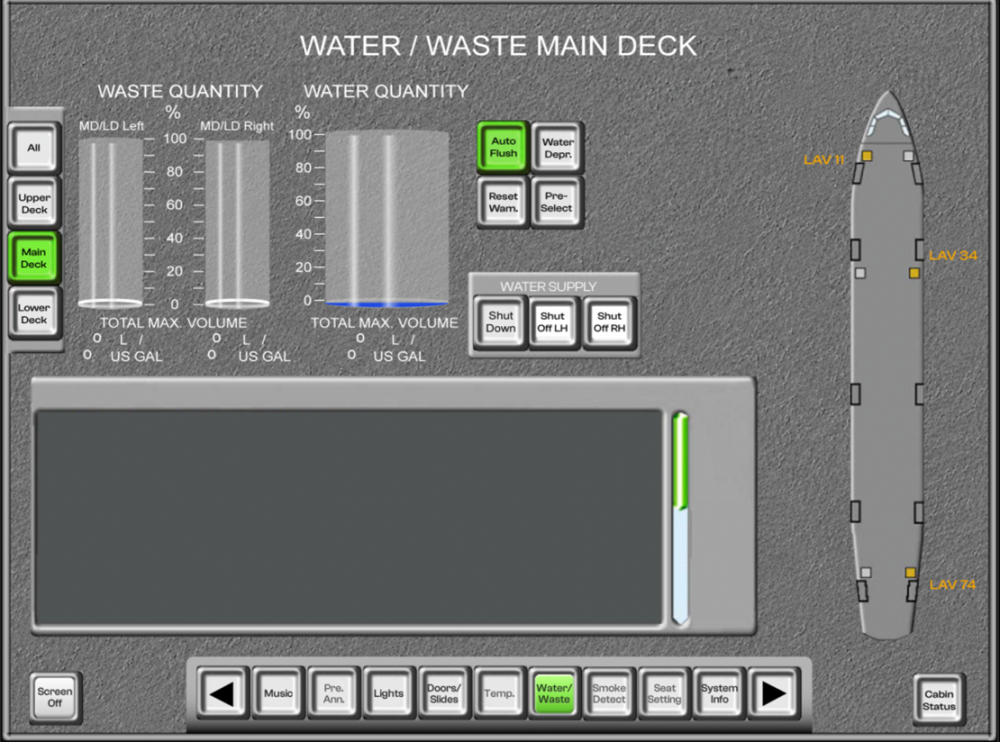
On the iniBuilds A380 Airliner you can use the Flight Attendant Panel (FAP) to manage and monitor: Lounge Music Cabin Lighting Cabin Doors Water and Waste Tanks Capacity / Status FAP - LOCATIONSThere are two touchscreen FAPs installed on the aircraft: Lower Deck - FWD galley near door M1L Upper Deck - AFT galley near door U3R (Click here to enlarge image) FAP - NAVIGATIONEach FAP screen features a bottom navigation bar allowing you to switch between the following simulated pages: Music Lights Doors/Slides Water/Waste System Info Use of the ◀ / ▶ arrows to scroll through additional pages is not currently simulated. FAP - MUSICControls the lounge's ambient audio system. The following interactions are currently simulated: Playback: Toggle Music System AUTO or OFF (Click here to enlarge image) FAP - LIGHTSControls cabin ambient lighting. The following interactions are currently simulated: Select Light Color: Choose from preset lighting themes (e.g., Deep Blue, Aurora Teal, Moonlight White, Sunlit Amber, Crimson Sunset, Rose Glow, Electric Magenta, Champagne Gold, Lavender Sky). Brightness: Set brightness using the BRT (100%), DIM (25%), or OFF (0%) presets, or manually adjust via the slider. Light Status: Displays the currently selected colour and brightness level Note: the brightness slider is disabled when auto-cabin lighting option is enabled. (Click here to enlarge image) FAP - DOORS/SLIDESProvides a visual overview and control of all cabin doors across the Middle and Upper Decks. The following interactions are currently simulated: Toggle Door: Toggle the selected door OPEN or CLOSE by clicking on it while the aircraft is stationary with the engines OFF. Door Status: The door colour will update according to the legend to indicate the current status. (Click here to enlarge image) FAP - WATER/WASTEMonitors and manages potable water and waste system levels. The following interactions are currently simulated: Waste Quantity: Displays waste levels for MD/LD Left and MD/LD Right as a percentage and volume (L / US GAL). This will fill up throughout the flight. Water Quantity: Displays total potable water quantity as a percentage and volume (L / US GAL). This will drain as you use the showers or flush. Shutdown Supply: Shuts off all water supply. (Click here to enlarge image)


-
Step into the cabin and bring the iniBuilds A380 to life. From the iconic First Class showers to ambient cabin lighting, discover every interactive element available throughout the aircraft. Common InteractionsThe following interactions are available across all cabin variants, regardless of your selected livery or engine variant. LavatoriesToilet Doors: Fully interactive lavatory doors throughout the cabin. (Note: Doors will be stickered INOP if Potable Water Quantity is too low.) Toilet Flush: Functional toilet flush mechanism. Toilet Seat Cover: Raise or lower the seat cover. Sink Faucets: Interactive lavatory sink faucets. ShowersShowers: Fully interactive shower suites, available for passenger use during flight. Shower Doors: Fully interactive shower doors (Note: Doors will be stickered INOP if Potable Water Quantity is too low.) Shower Tank Water Quantity Indicators: Tank quantity changes as you use the shower. Stairs & Bar AreaElectronic Window Blinds (AFT Bar): Motorized blinds specific to the bar area, adjustable independently of the automatic cabin blinds. Waterfall / Bar Feature (FWD Stairs): Interact with the staircase feature, either the Waterfall or Bar variant depending on configuration. Cabin Access & DoorsCabin Door Handles: Interactive door handles on all cabin doors, across both decks. Curtains: Class-dividing curtains throughout the cabin. Cabin SeastsSeat 6D - Seat Recline (Business Class - Upper Deck): Fully interactive reclining business class seat. Seat 35E - Footrest (Premium Economy - Lower Deck): Adjustable footrest. Seat 55D - Tray Table (Economy - Lower Deck):: Fold-down tray table. Crew SystemsFlight Attendant Panels (FAP): Interactive FAPs located on both decks, to manage and monitor Lounge Music, Cabin Lighting, Cabin Doors and Water/Waste Tanks Status. For more info see How to - Flight Attendant Panel (FAP) Operations. Lighting & AmbienceAdjustable Cabin Lights: Customize cabin lighting brightness and colour theme to suit the mood or phase of flight (FAP Lighting Settings) Automatic Cabin Blinds: Cabin window blinds that automatically adjust based on the position of the sun and current phase of flight (EFB Option) EK Cabin (4-Class) Exclusive InteractionsThe following interactions are only available when flying with the EK (Emirates) 4-Class cabin configuration called CABIN. First Class - Upper DeckSuite 1F - Doors: Fully enclosing First Class suite doors. Suite 1F - Amenities Drawer and Table: Interactive personal storage drawer and dining table. Suite 1F - In-Seat Bar: Personal mini-bar unit built into the suite. Suite 1F - Divider: Adjustable privacy divider between suites.
-
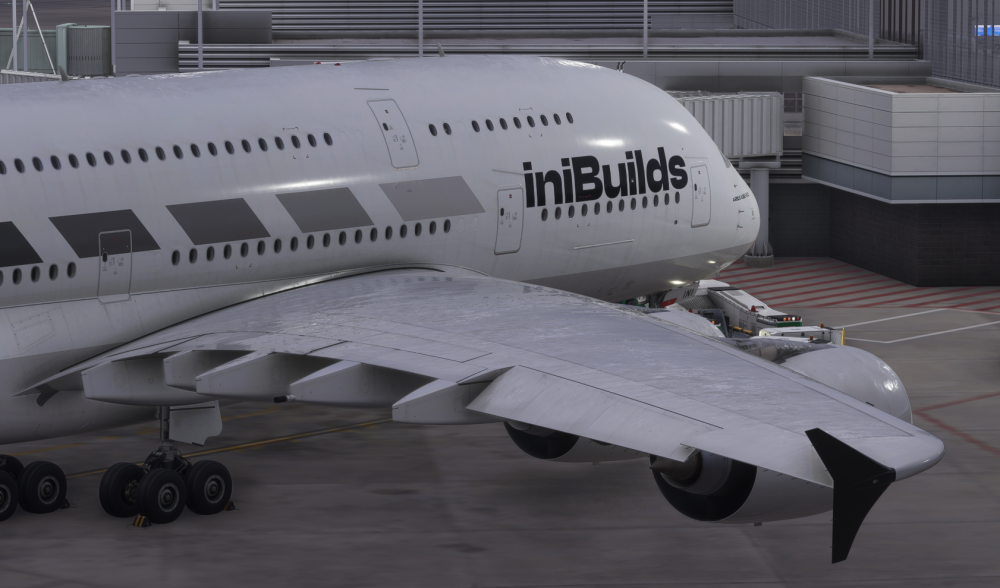
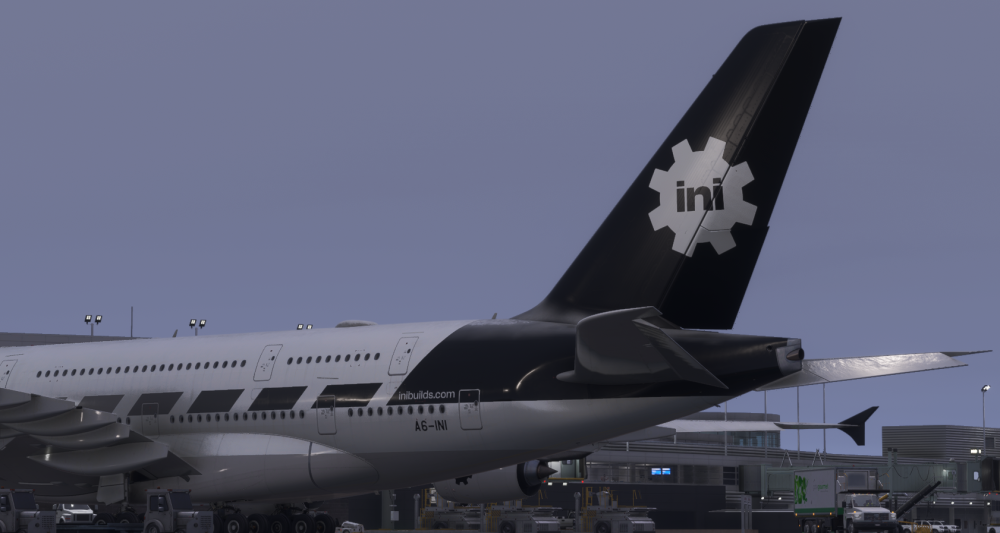
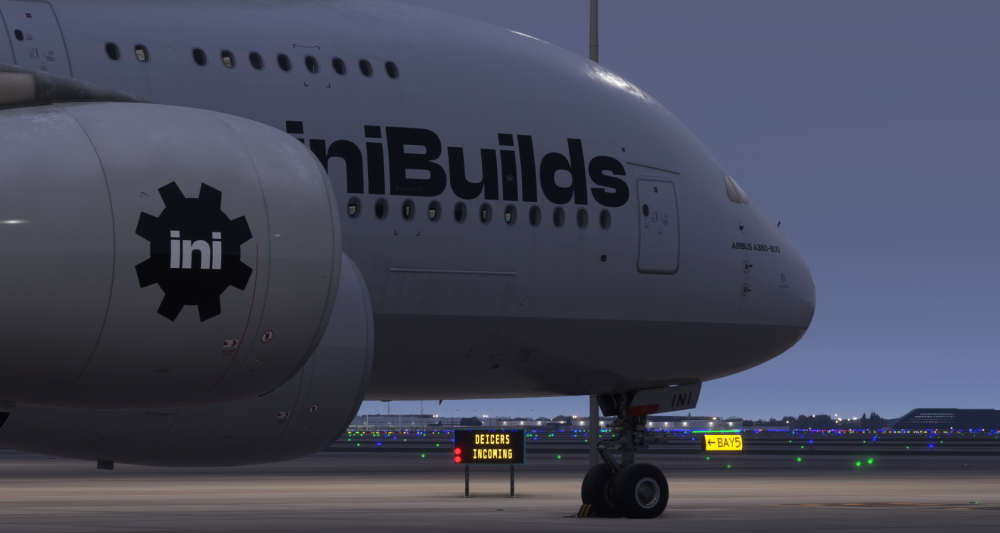
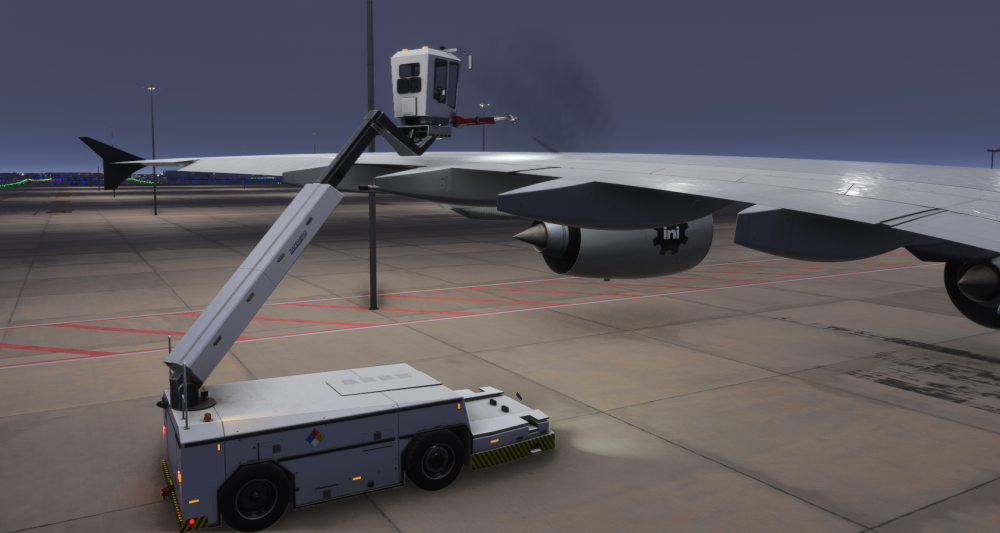
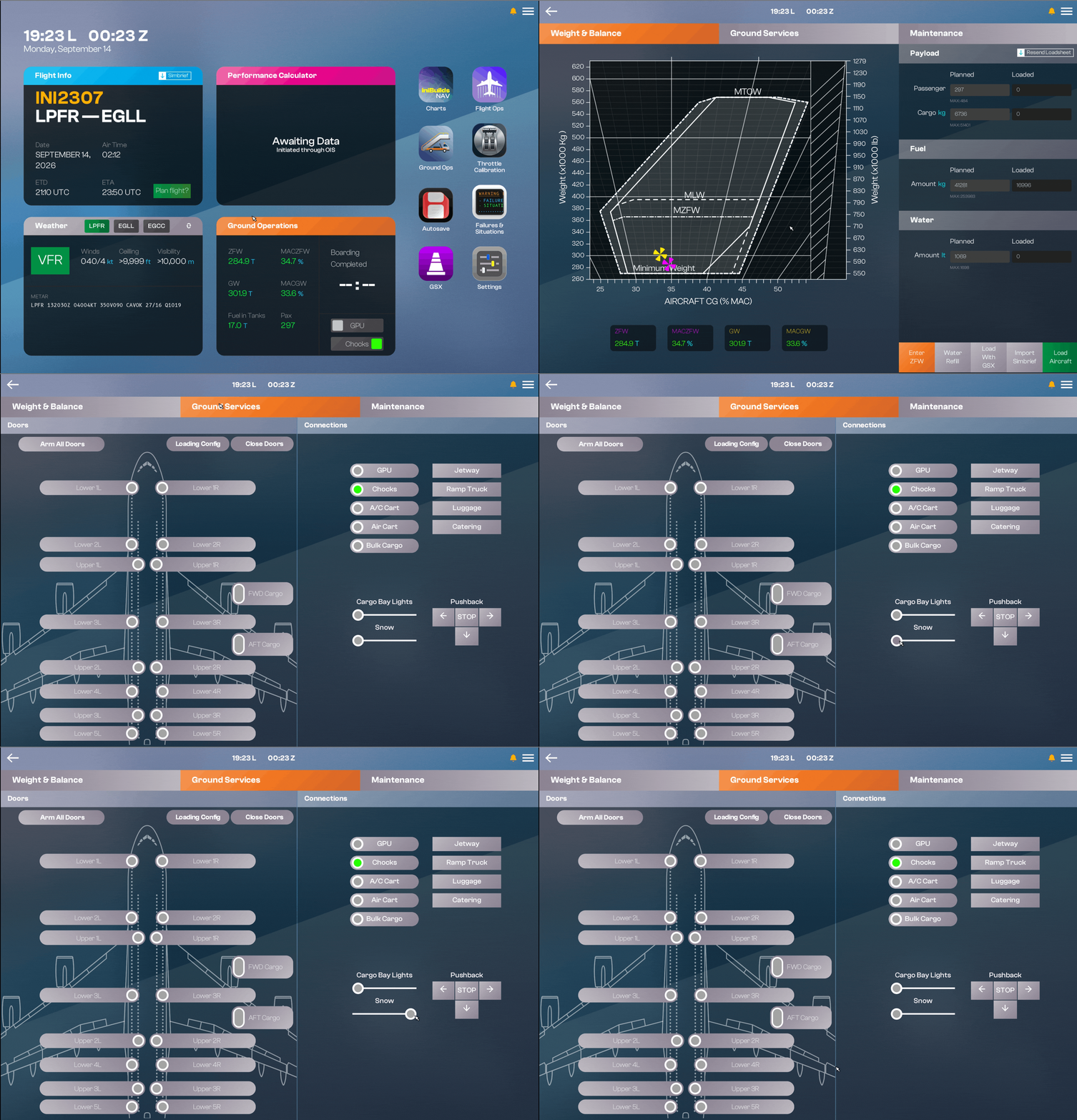
The iniBuilds A380 airliner features integrated snow and icing effects on the wings, fuselage, and horizontal stabilizer. These effects can develop dynamically over time depending on the type and rate of precipitation, or can be manually adjusted for visual impact through the EFB, functioning as a standalone feature. (Click to enlarge image) Dynamic Snow Accumulation & RemovalThe snow layer forms over the aircraft when you spawn in at the gate in a cold and dark state and the weather conditions are met. This layer will dissolve over time as the aircraft is powered up from its cold and dark state leaving only the ice layer underneath. Furthermore, if you use FSDreamTeam’s GSX add-on, the snow and icing can be eliminated as part of the de-icing procedure on the ground when required. (Click to enlarge image) EFB Snow Accumulation SliderYou can also manually control the various levels of Snow & Ice Accumulation on the EFB Ground Ops page. (Click to enlarge image)

-
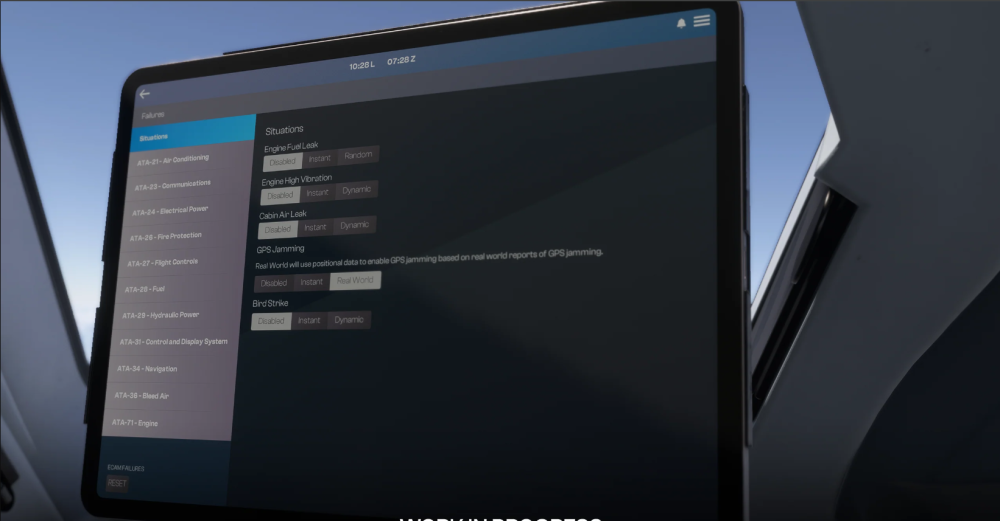
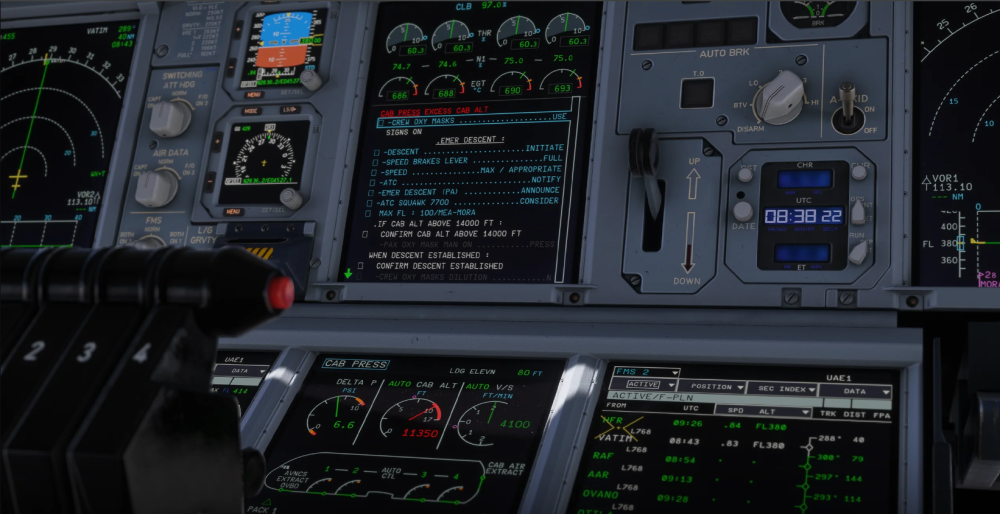
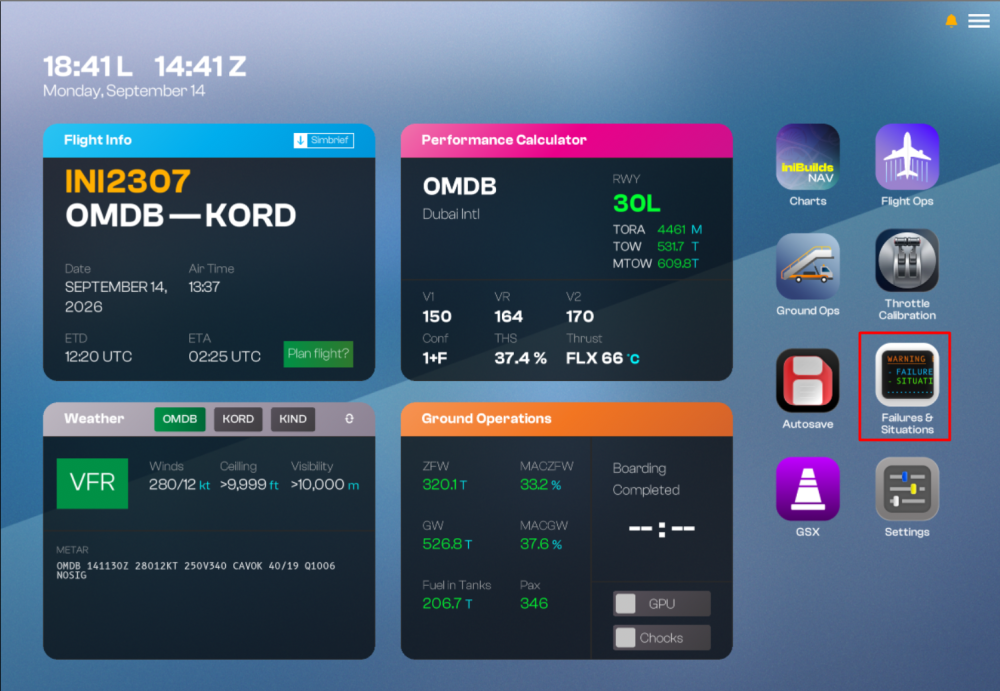
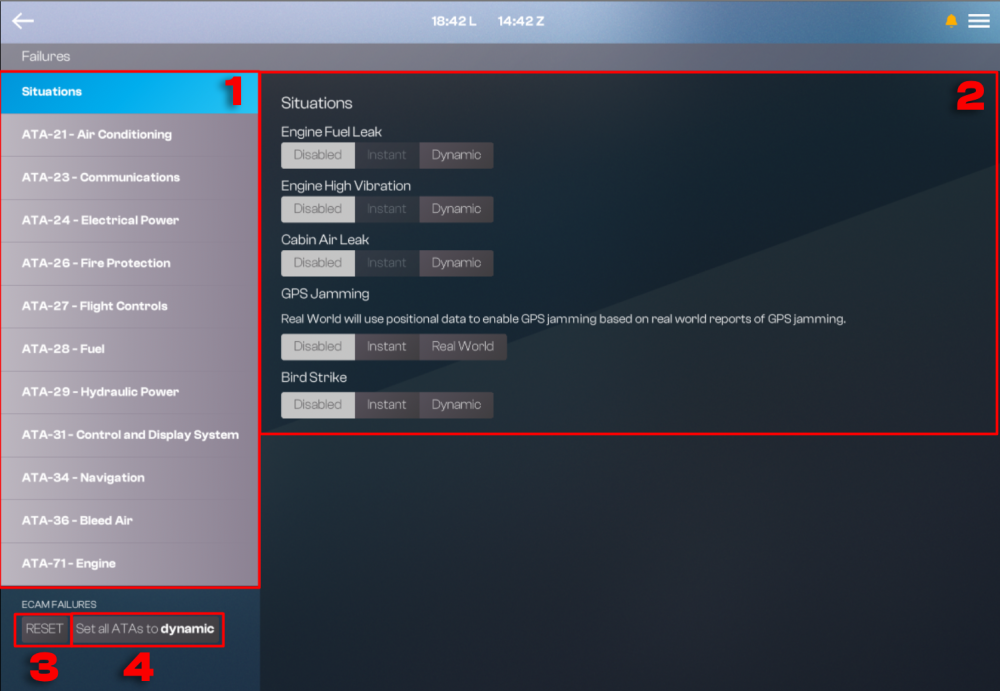
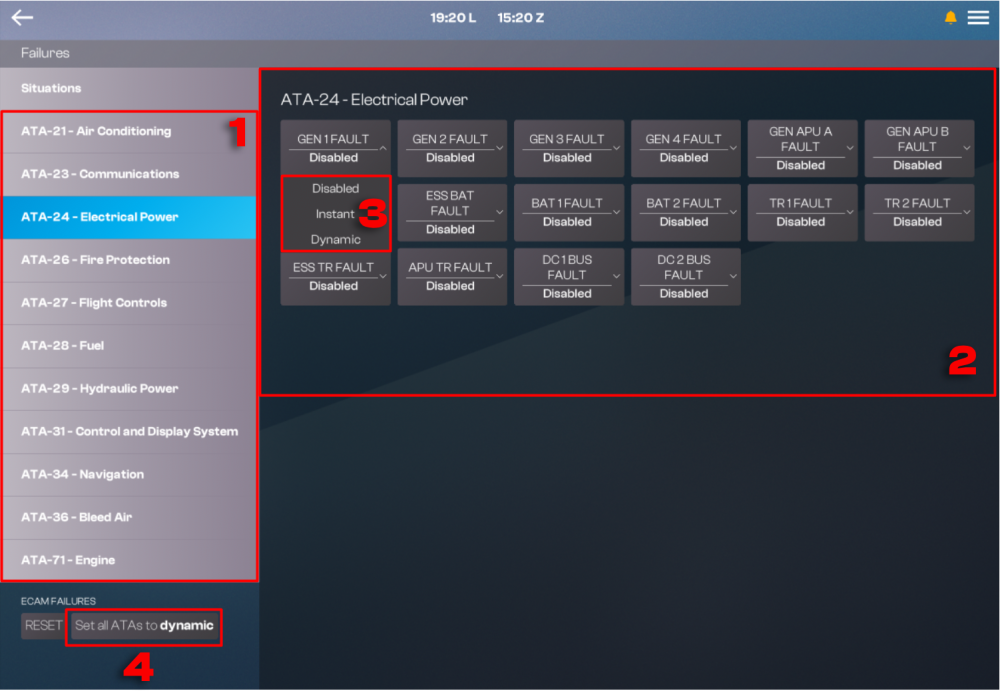
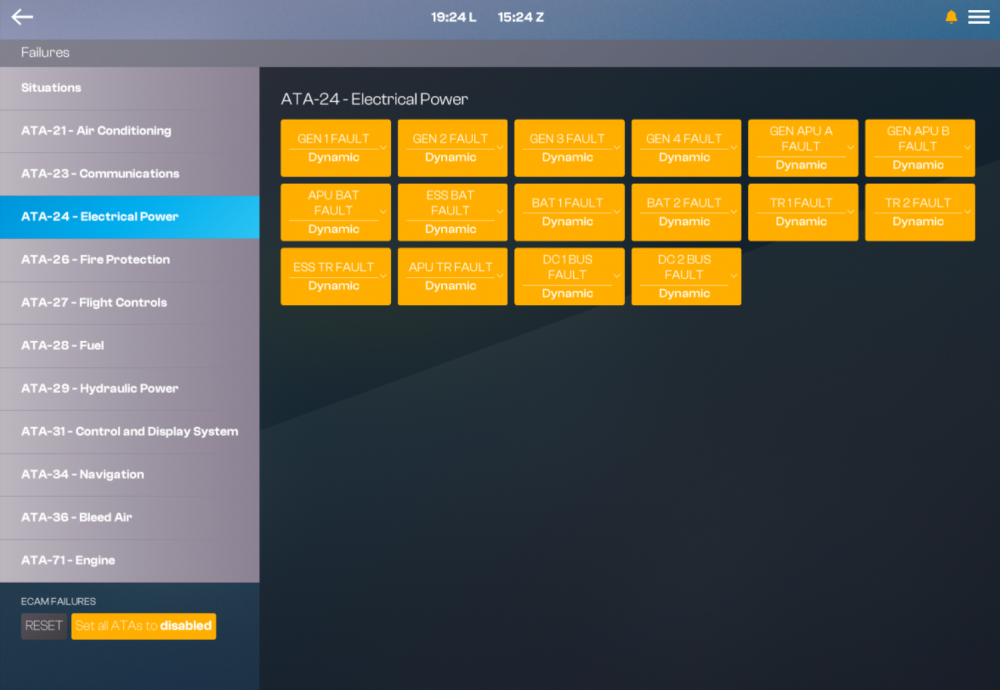
The inibuilds A380 Airliner features configurable failure scheduling, allowing faults to occur immediately or randomly during flight. The failure-management system is organized around the aircraft's ATA chapter structure, making failures easier to locate and configure while aligning their organisation more closely with real-world aircraft documentation and procedures. (Click here to enlarge image) Note: This guide only provides an overview of the Failures and Situations menu, options and how to configure it. It is not a guide or Quick Reference Handbook (QRH) on how to appropriately manage or respond to any individual failure or situation. Always refer to the appropriate FCOM/QRH procedures for guidance on handling specific system failures or abnormal situations. Such documentation cannot be provided with the product for legal reasons. HighlightsA number of individual scenarios have also been added or significantly expanded: Engine Fuel Leaks - Can develop under a variety of operating conditions, requiring the crew to identify the problem, follow the appropriate procedures, and manage the aircraft through the relevant ECAM-driven workflow. Cabin Pressurisation Leaks -May develop gradually rather than presenting immediately. A small leak can initially be difficult to notice unless indications are closely monitored, eventually requiring intervention, descent, or diversion. Display Unit Failures - Simulate the loss of primary flight information on individual displays. Crews must then reconfigure displays using available alternate procedures, creating a more involved abnormal situation to manage. (Click here to enlarge image) Accessing Failures and Situations MenuThe Failures and Situations menu is accessed via the EFB home page and is organised as follows: (Click here to enlarge image) Menu Overview - SituationsSituations/System Menu Located on the left side, this panel lists Situations (general scenarios) alongside individual ATA chapters (e.g., ATA-21 Air Conditioning, ATA-24 Electrical Power, ATA-28 Fuel, ATA-29 Hydraulic Power, etc.), allowing failures to be browsed and configured by system. Situations Options Once a category is selected, the available failures/situations are displayed here. Each item can be individually set to: Disabled - The failure/situation will not occur. Instant - Triggers the failure/situation immediately. Dynamic - Introduces a random chance of the failure/situation occurring at some point during the flight. Certain situations (e.g., GPS Jamming) may include additional unique options, such as Real World, which uses real-world positional data to simulate GPS jamming based on actual reported occurrences. ECAM Failures Reset Button Clears and resets any currently active failures triggered through the ECAM. Global System Failure Selection Located in the top-right corner, this allows you to apply a setting across all failures/situations simultaneously: Disabled - Disables any previously active/enabled failures across all systems. Dynamic - Applies a random chance of failure across all systems for the remainder of the flight. (Click here to enlarge image) Menu Overview - FailuresWhen selecting an individual ATA chapter from the left-hand menu (e.g., ATA-24 – Electrical Power), the corresponding system failure buttons for that chapter are displayed. ATA Chapter Header Displays the currently selected system category (e.g., ATA-24 – Electrical Power). System Failure Buttons Each button represents an individual failure available within that ATA chapter (e.g., GEN 1 FAULT, BAT 1 FAULT, DC 1 BUS FAULT). Clicking a button reveals its available failure options. System Failure Options Each individual failure can be set to: Disabled - If previously enabled, disables the active failure. Instant - Enables the failure immediately. Dynamic - Introduces a random chance of the failure occurring at some point during the remainder of the flight. Global System Failure Selection Located in the bottom-left corner, this allows you to apply a setting across all ATA failures: Disabled - Disables any currently active failures within this chapter. Dynamic - Applies a random chance of failure to all items within this chapter for the remainder of the flight. (Click here to enlarge image) Example: All failures set to Dynamic (Click here to enlarge image)
-
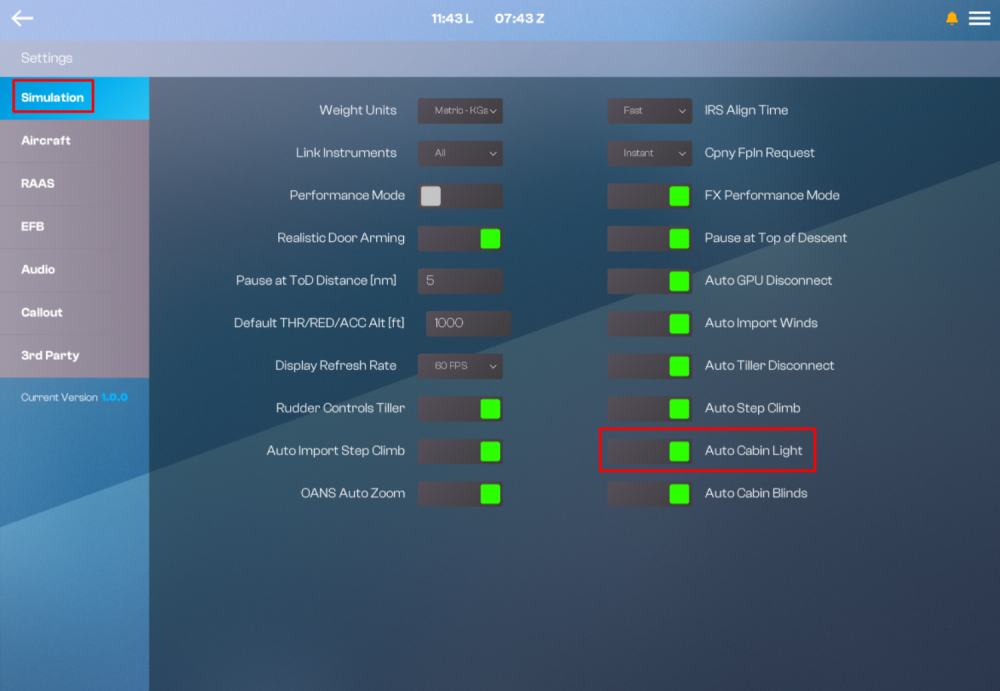
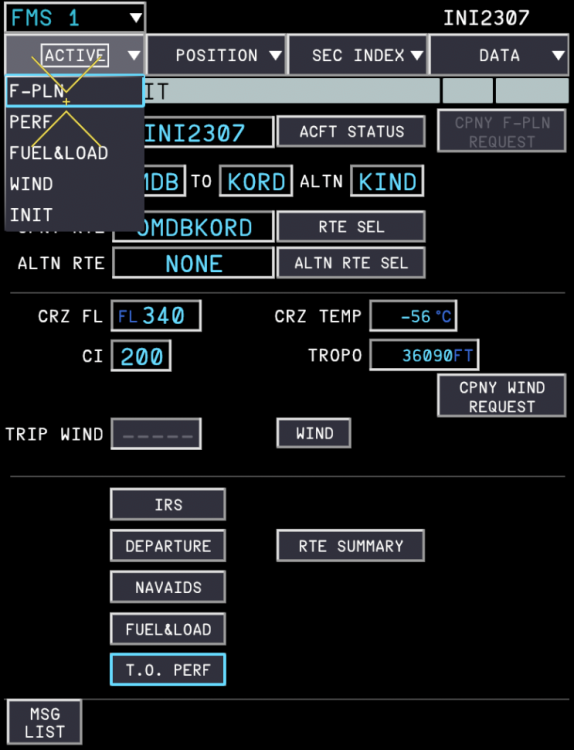
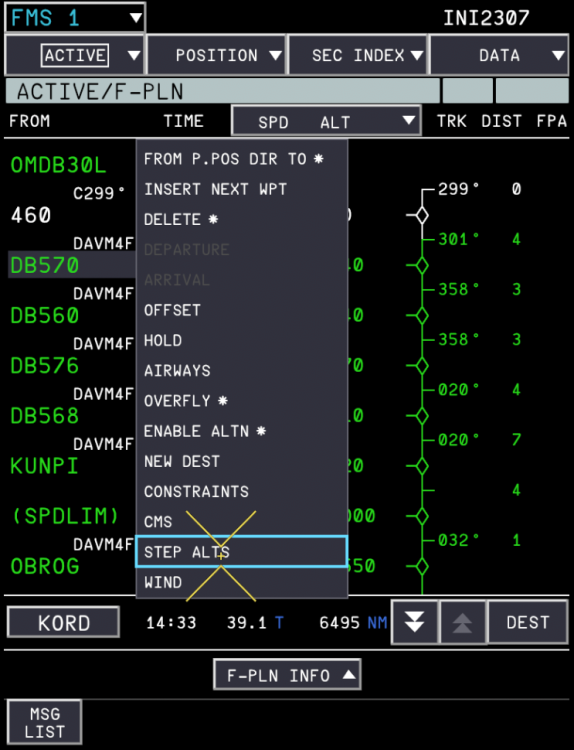
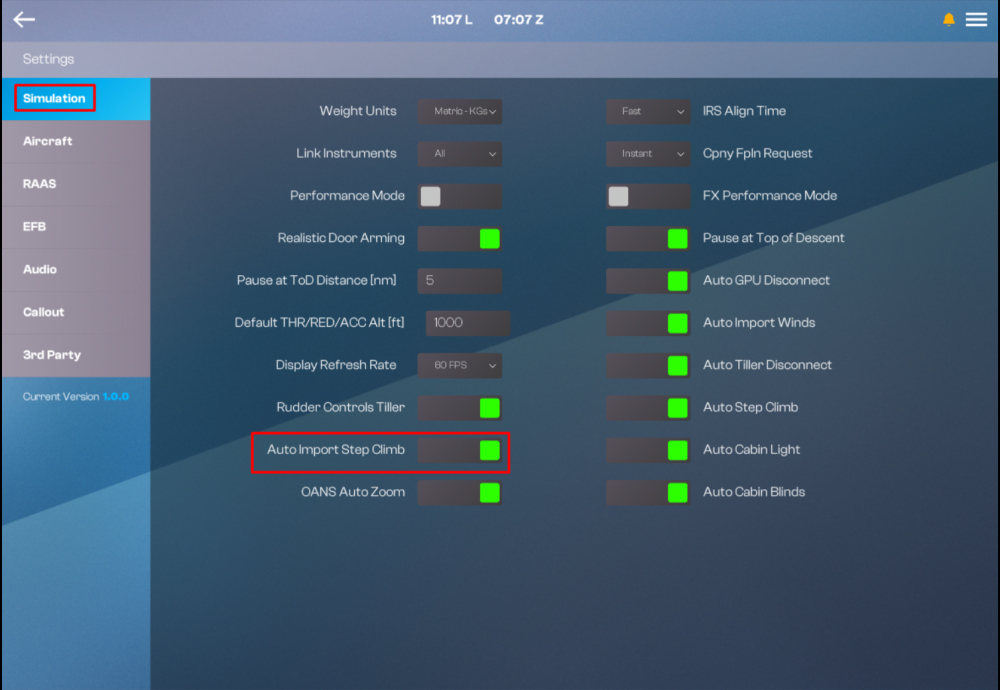
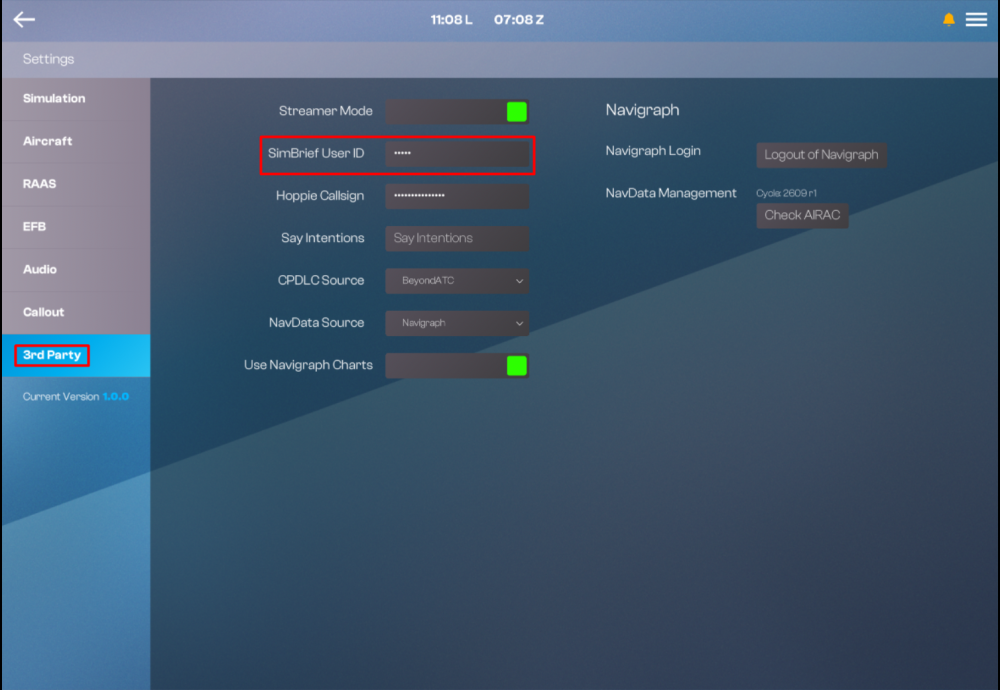
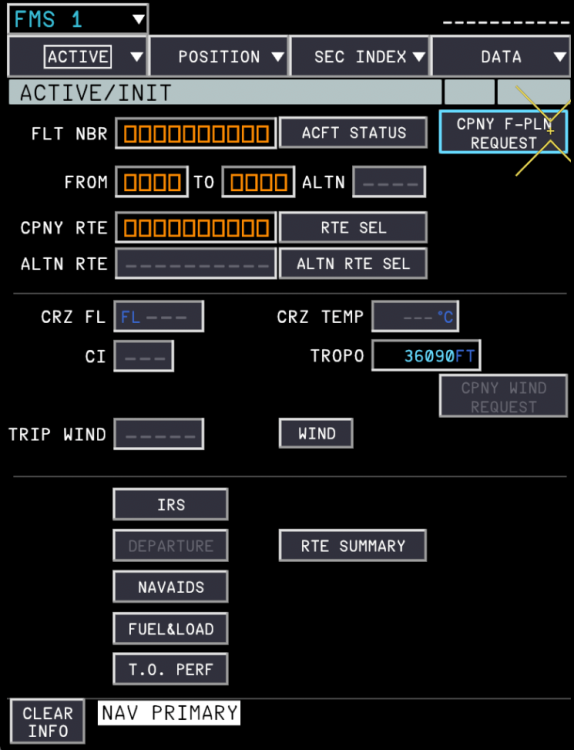
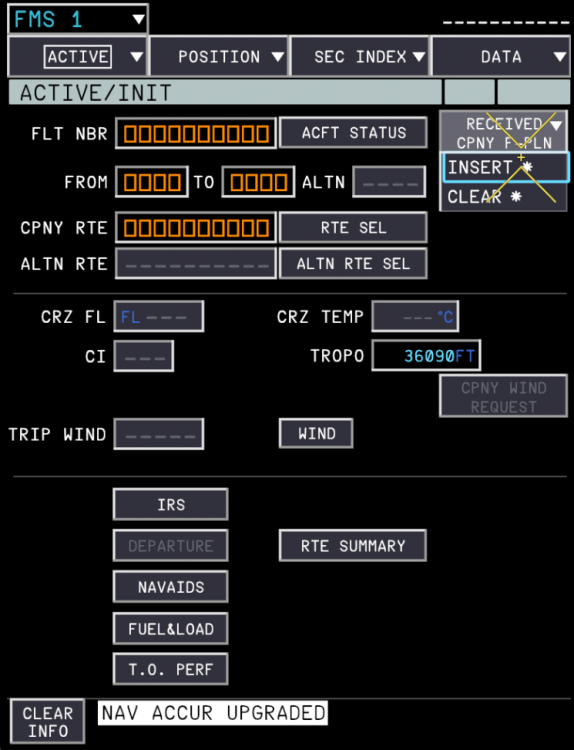
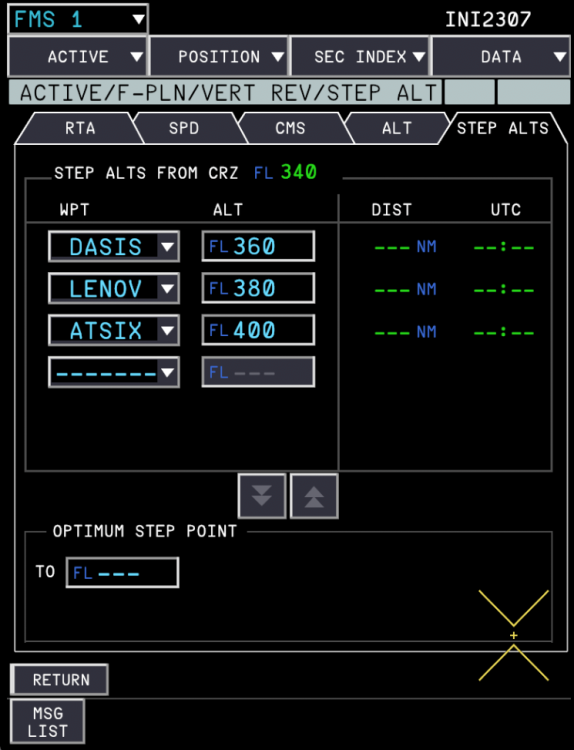
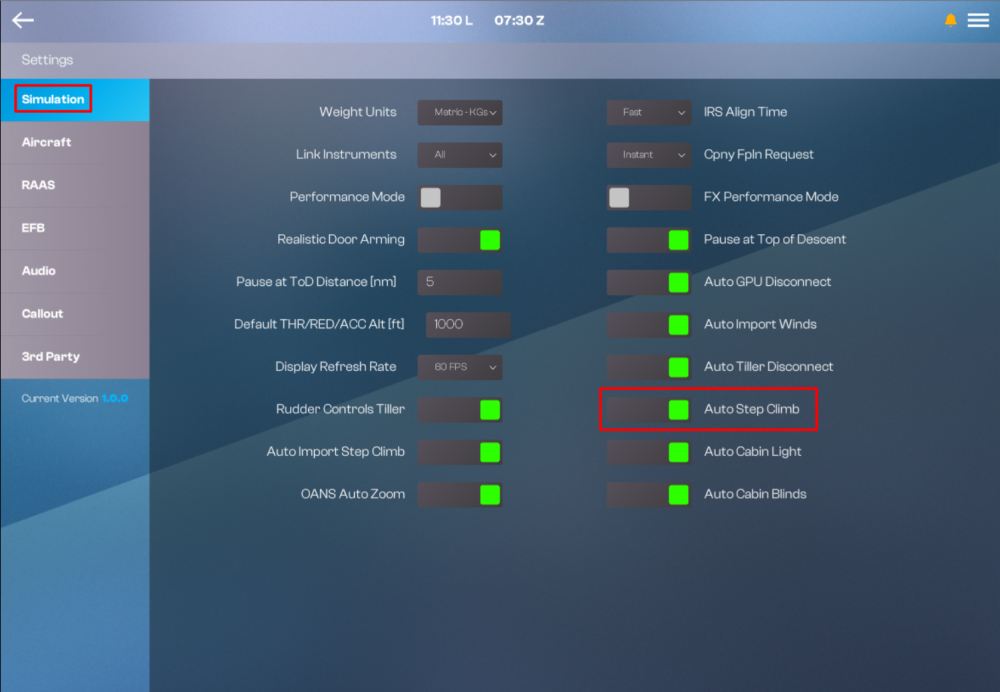
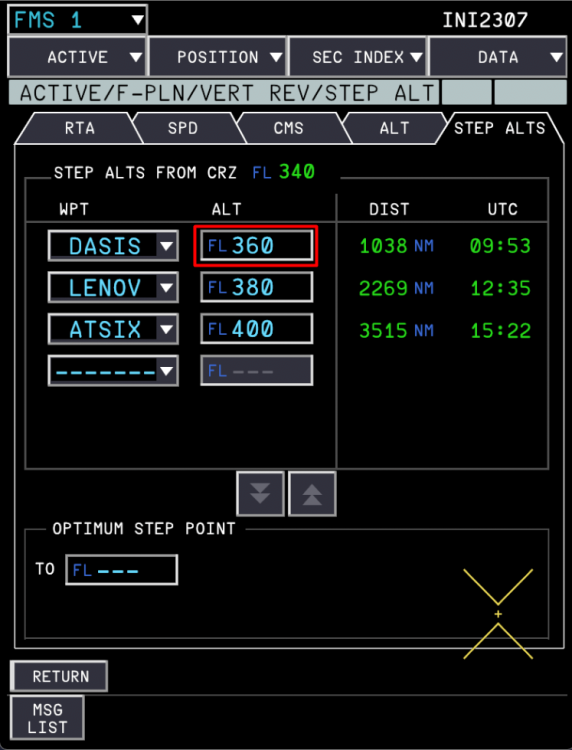
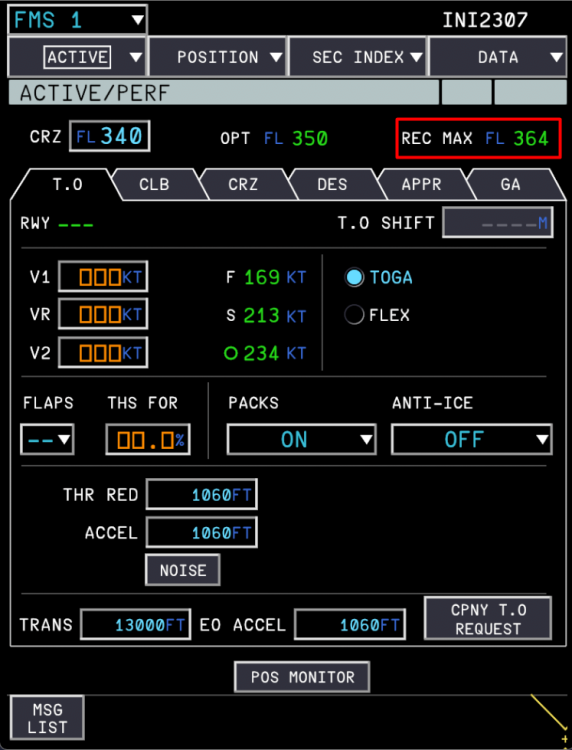
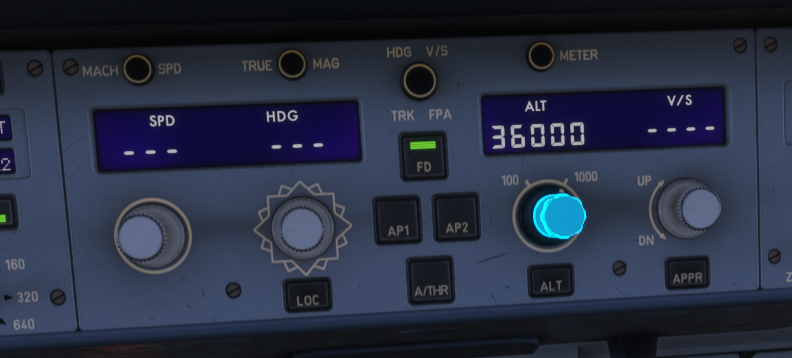
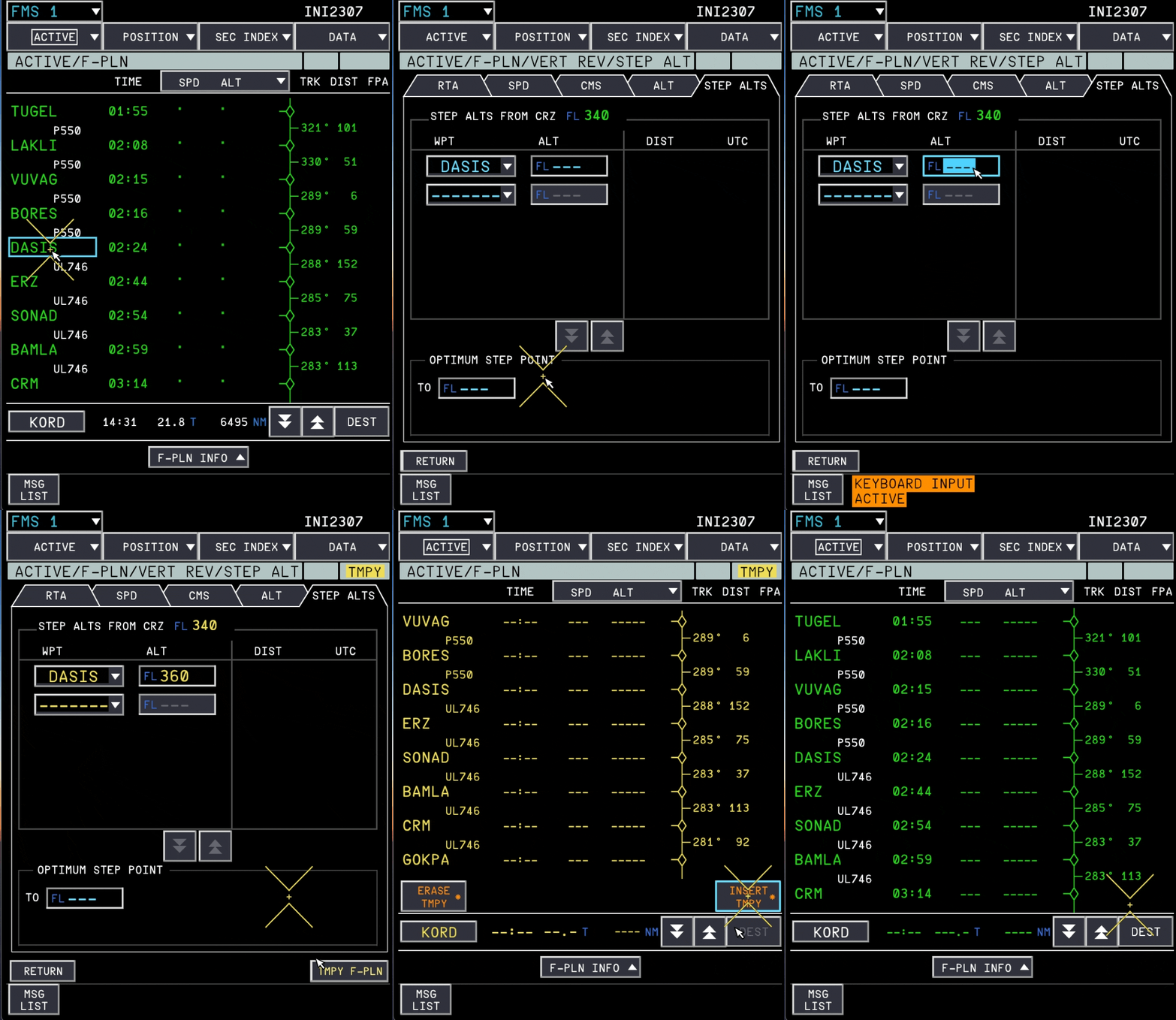
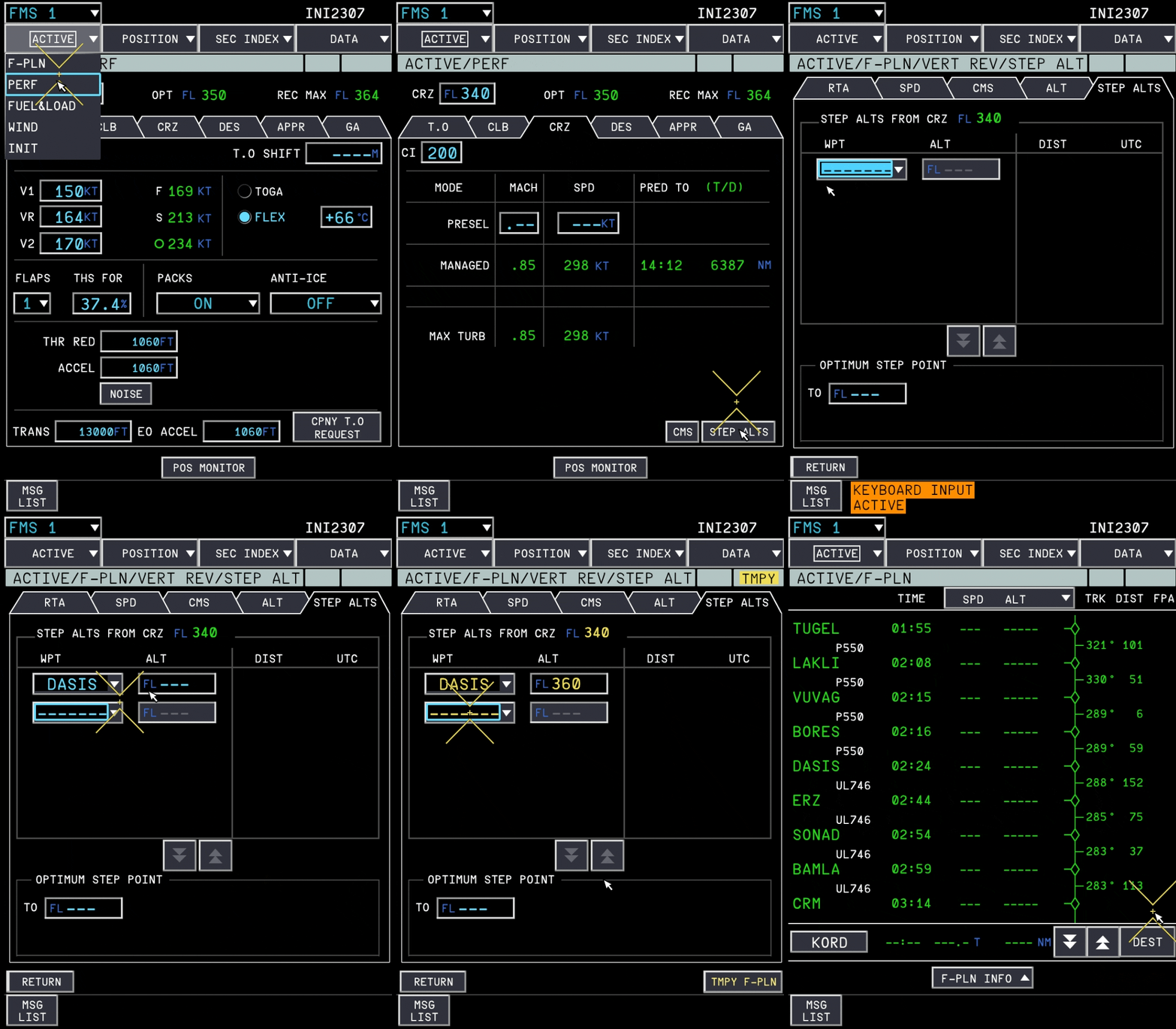
The FMS in the iniBuilds A380 supports step climbs, which can be configured manually or imported automatically from your SimBrief OFP. These step climbs can then be initiated either manually or automatically upon reaching the pre-defined waypoint. Both setup and operation are detailed below. (Click to enlarge image) Accessing FMS Step Alts PageStep climbs can be entered manually or imported directly into the STEP ALTS page. There are two ways to access this: Via ACTIVE / PERF / CRZ page on the FMS (Click to enlarge image) Via ACTIVE / F-PLN page by accessing the menu on any waypoint. (Click to enlarge image) Setup - Manual EntryAltitude Entry via ACTIVE / F-PLN page Select Waypoint: Open your flight plan (F-PLN) and left-click on the desired waypoint where you want the step climb to begin. Open Step Alts: Navigate to Step Alts at the bottom of the list/menu options for that waypoint. Input Altitude: Type the target flight level (for example, type 360 for FL360). Insert Plan: Confirm and enter the change into the temporary flight plan (TMPY F-PLN), then click INSERT TMPY*. (Click to enlarge image) Alternative Direct Type via ACTIVE / PERF / CRZ page Open Step Alts: Go directly to the STEP ALT page via ACTIVE / PERF / CRZ page on the FMS Input Waypoint: Type or scroll to select the target waypoint name. Input Altitude: Type the target flight level (for example, type 360 for FL360). Insert Plan: Confirm and enter the change into the temporary flight plan (TMPY F-PLN), then click INSERT TMPY*. (Click to enlarge image) Setup - Auto Import via SimbriefThe step climbs can be automatically imported onto the STEP ALT page along with your flightplan from Simbrief as long as the following conditions are satisfied: A valid SIMBRIEF USER ID (Numbers only) is set via the EFB Settings > 3rd Party Settings page. The AUTO IMPORT STEP CLIMB option is enabled via the EFB Settings > Simulation Settings page. (Click to enlarge image) To import them, Request Uplink: Intiate CPNY F-PLN REQUEST on the FMS INIT Page. Insert Uplink: Click INSERT * to import the RECEIVED CPNY F-PLN uplink. Verify Import: Go directly to the STEP ALT page via ACTIVE / PERF / CRZ page on the FMS to validate the imported STEP ALTs against your flight plan. (Click to enlarge image) Operation - Automatic Step ClimbThe step climbs entered on the FMS STEP ALT page will be conducted automatically at the defined waypoint as long as the following conditions are satisfied: The AUTO STEP CLIMB option is enabled via the EFB Settings > Simulation page. The FMS STEP ALT page is filled with valid target WAYPOINT and STEP ALT information The target step altitude is not above the computed REC MAX altitude at the time of reaching target waypoint (else step will be deleted and ignored) (Click to enlarge image) (Click to enlarge image) Operation - Manual Step ClimbWhen you are approaching your target step climb waypoint, you will receive a STEP AHEAD message on the FMS. Verify that the target altitude is below your currently computed REC MAX altitude which is found on the FMS PERF page. (Click to enlarge image) To initiate the step, Dial your new target altitude into the FCU ALT window. Push the ALT knob (managed mode) to initiate the managed step climb. The FMS CRZ FL will also update to the new target altitude. (Click to enlarge image)
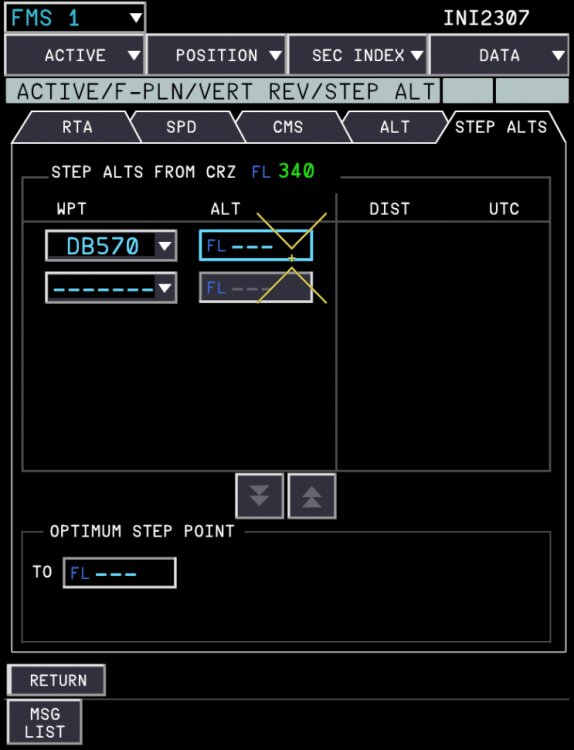
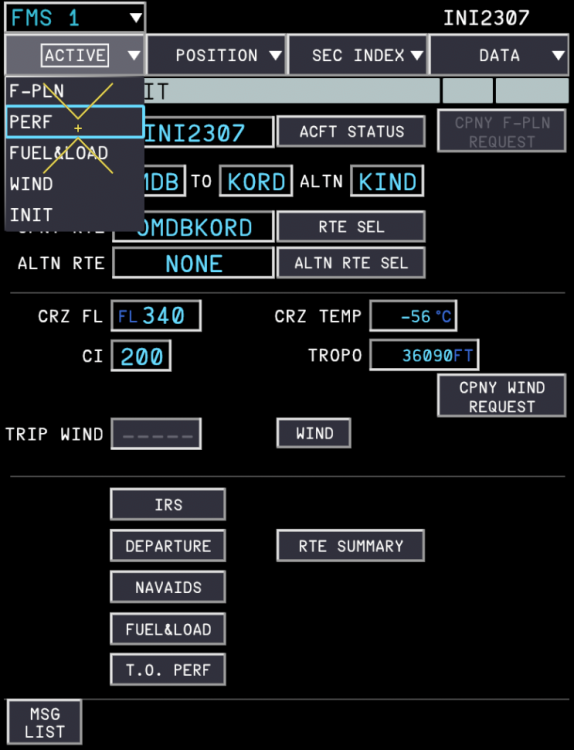
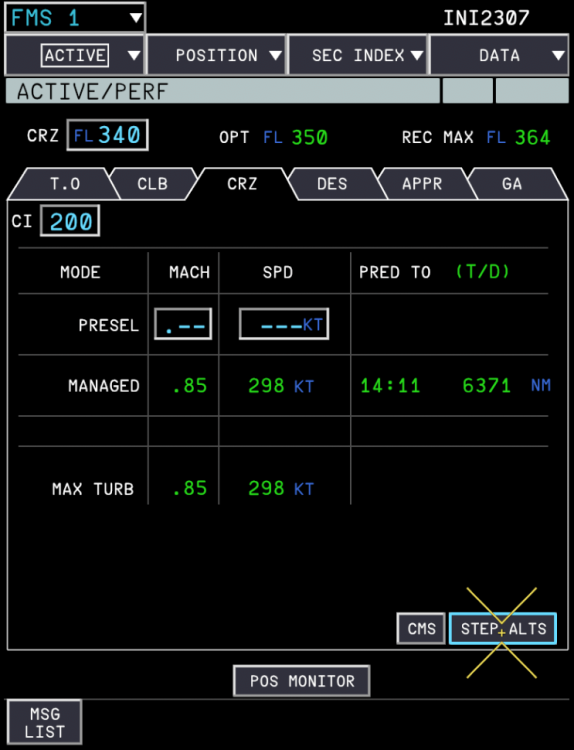
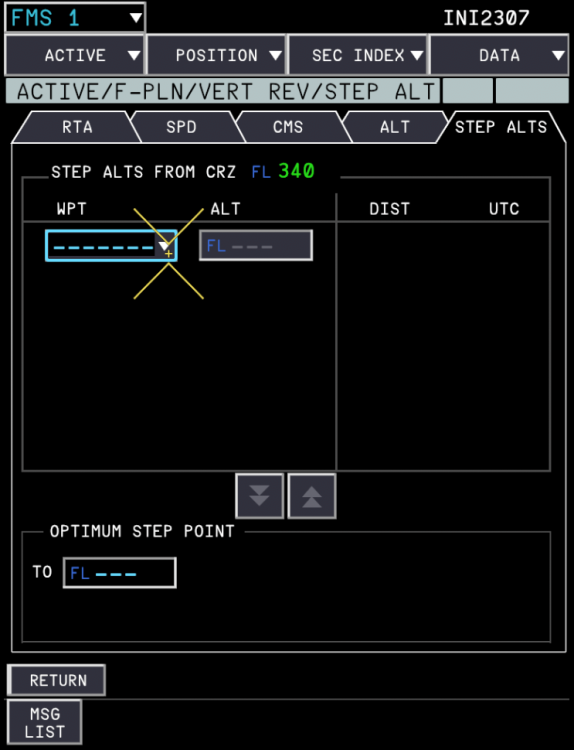
-
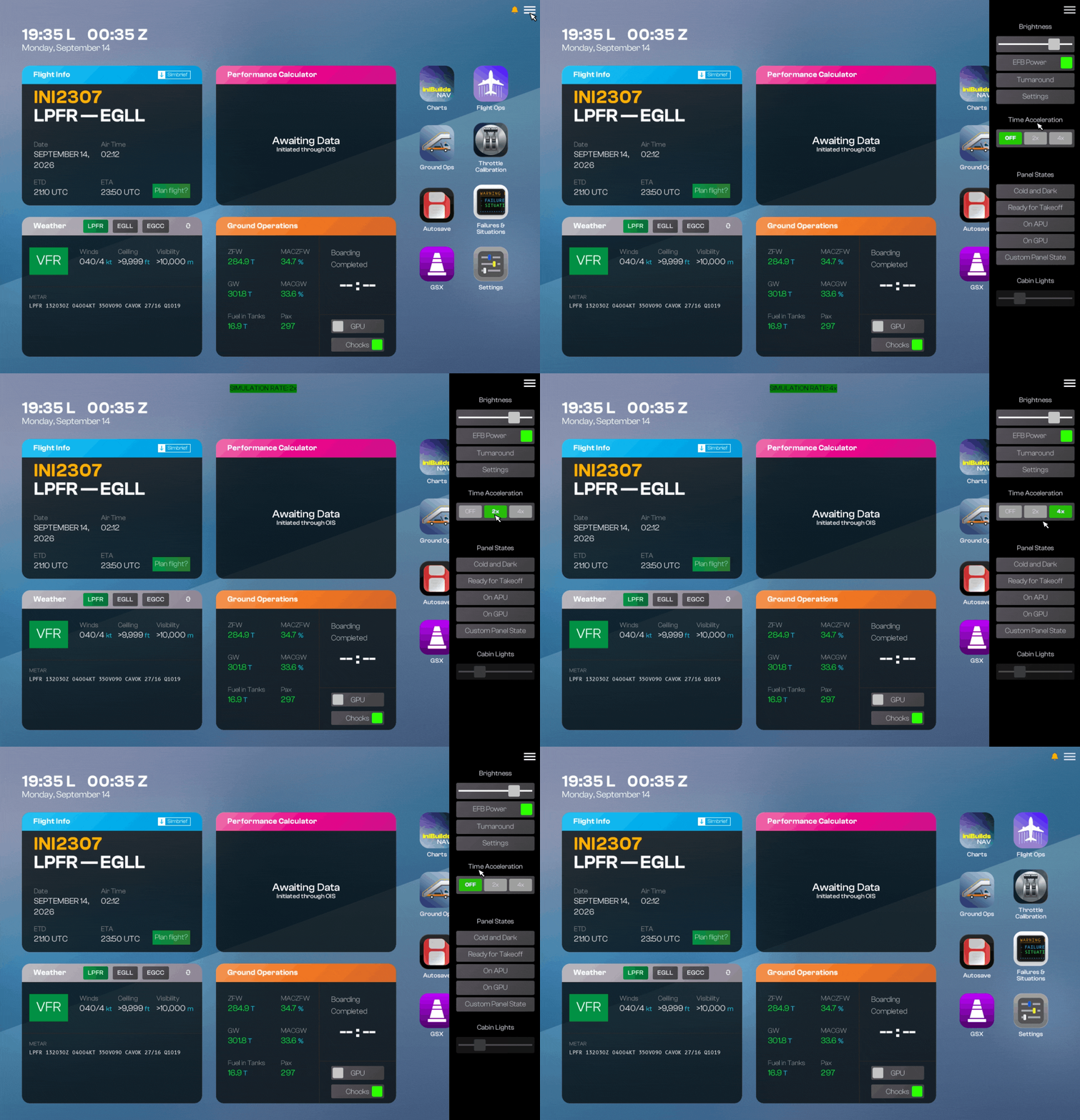
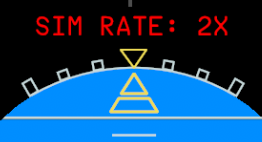
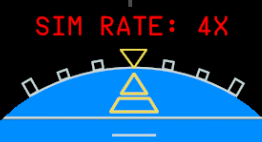
The iniBuilds A380 airliner features upto 4x Time Compression which can be enabled via the Electronic Flight Bag (EFB). This feature increases the simulation rate by upto 4x to allow you to conduct your flights faster, however it may come with a performance penalty depending on your hardware. EFB Time Compression SettingsThe Time Compression controls are in the EFB Options menu which is accessed via the Menu icon (☰) button at the top right corner of the EFB. Here you can choose between various options as follows OFF - disables time compression instantly 2x - enables max 2x time compression 4x - enables max 4x time compression The time compression is automatically disabled or downgraded in the following conditions Autopilot is disengaged Aircraft is above 80N (automatically downgraded to MAX 2X) Sim Pause at Top of Descent is triggered (Click to enlarge image) Current Simulation Rate IndicatorThe current simulation rate is shown on at the top of the EFB display when time compression is active. or It is also shown on at the top of the PFD. or Pitch/Roll Oscillations during Time CompressionAs the time compression feature increases the simulation rate, this also increases the CPU/GPU resource usage in tandem. Results will vary depending on your hardware and sim settings, however in some situations you may observe oscillations in the Pitch/Roll axis due to the performance degradation. If you are experiencing this regularly, please consider the following Use a lower time compression rate (e.g. 2X) Set a lower display refresh rate under EFB Simulation Settings (e.g. 20 or 30 FPS). Lower sim settings that affect CPU usage such as Object and Terrain LOD, Glass Cockpit Refresh Rate, Off-Screen Terrain Pre-caching or Ground/Air/Sea Traffic density. Lower sim settings that affect GPU usage such as Raytraced Shadows, Volumetric Clouds, Texture Resolution. Set Turbulence to "LOW" under the sim Assistances settings Temporarily disable any addons during time compression that may affect flight physics (e.g. RealTurb, FSRealistic etc.)


-
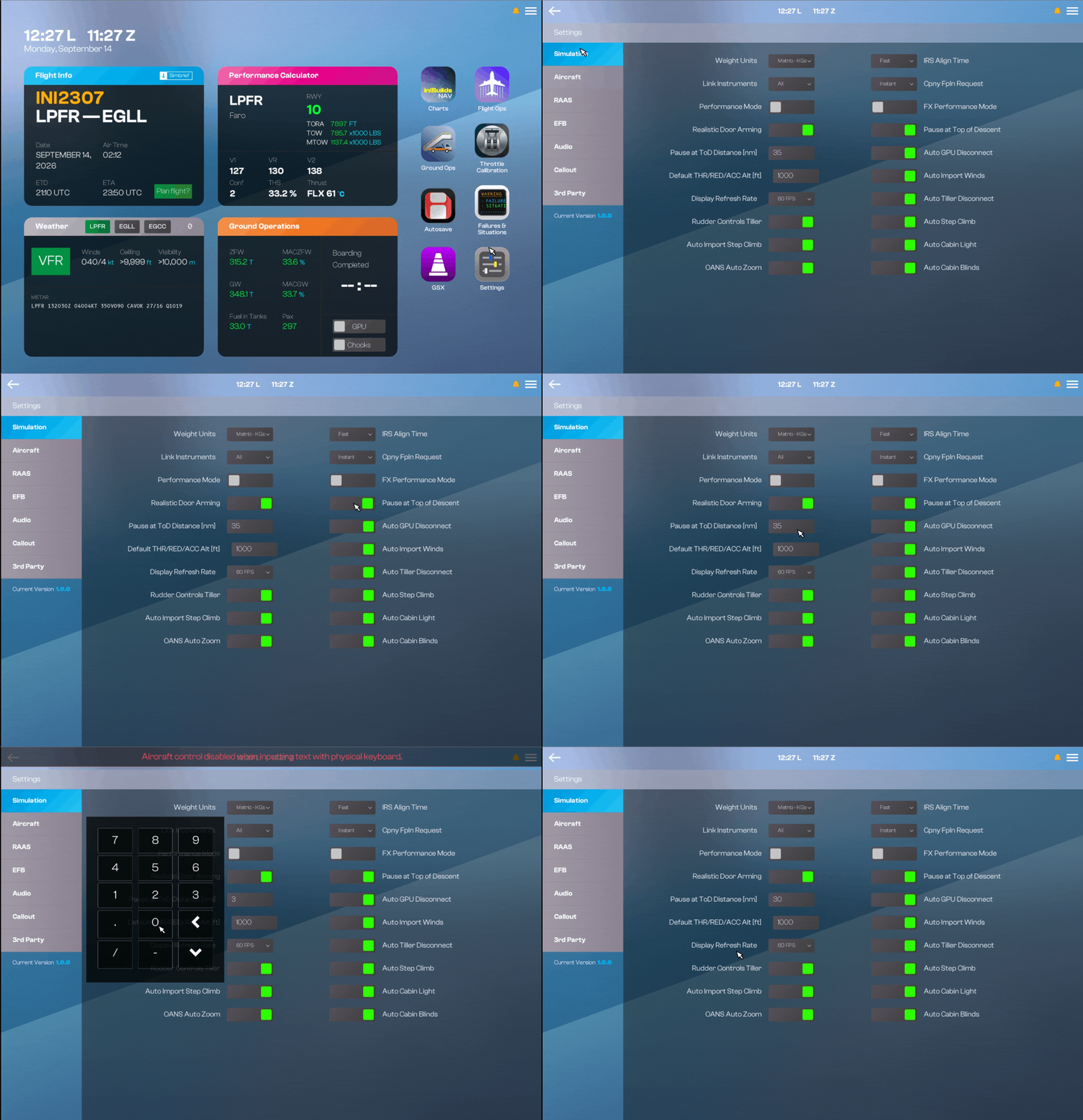
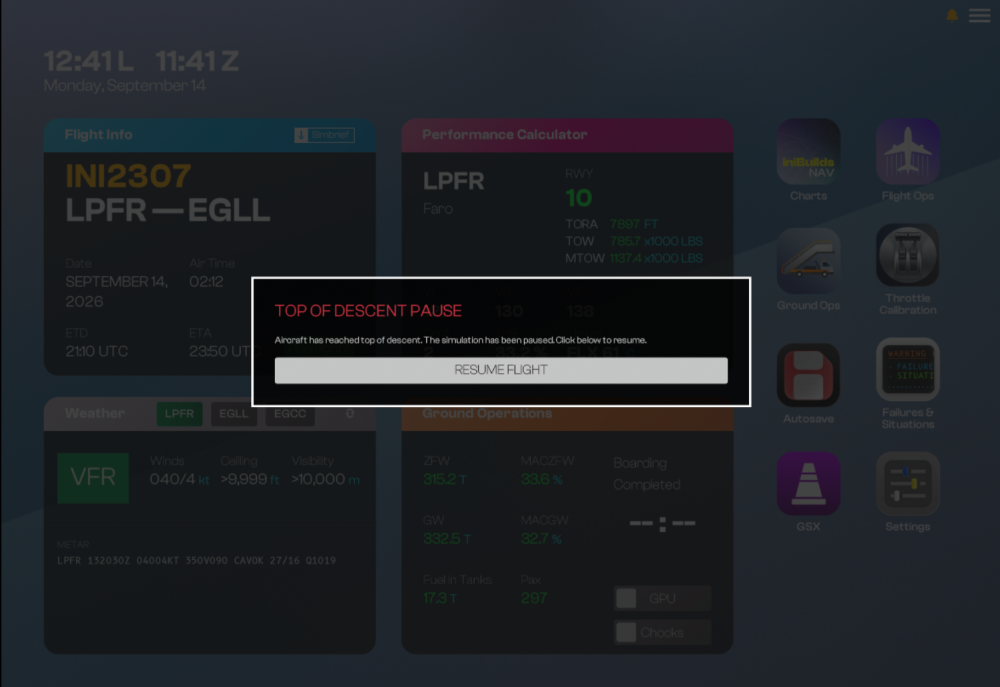
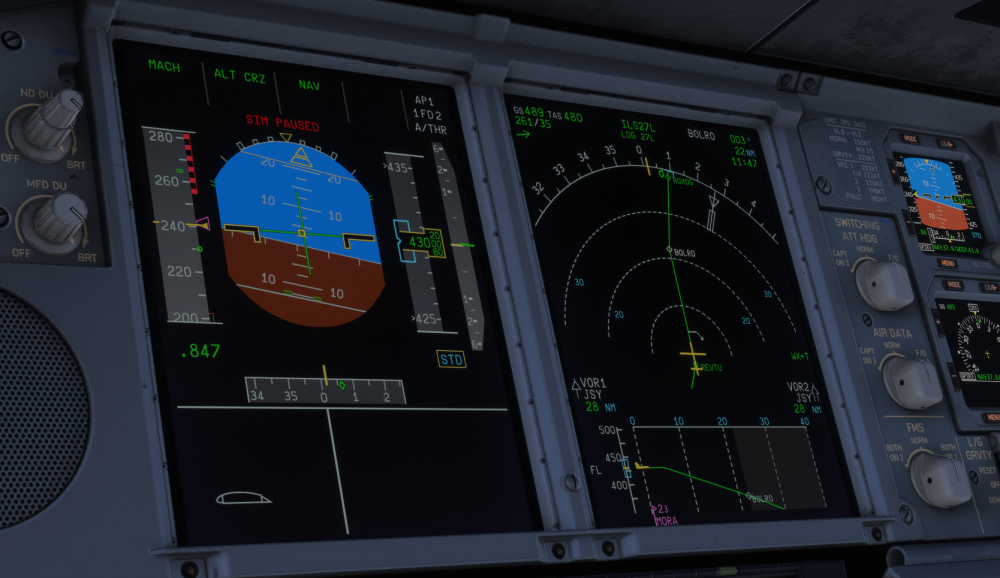
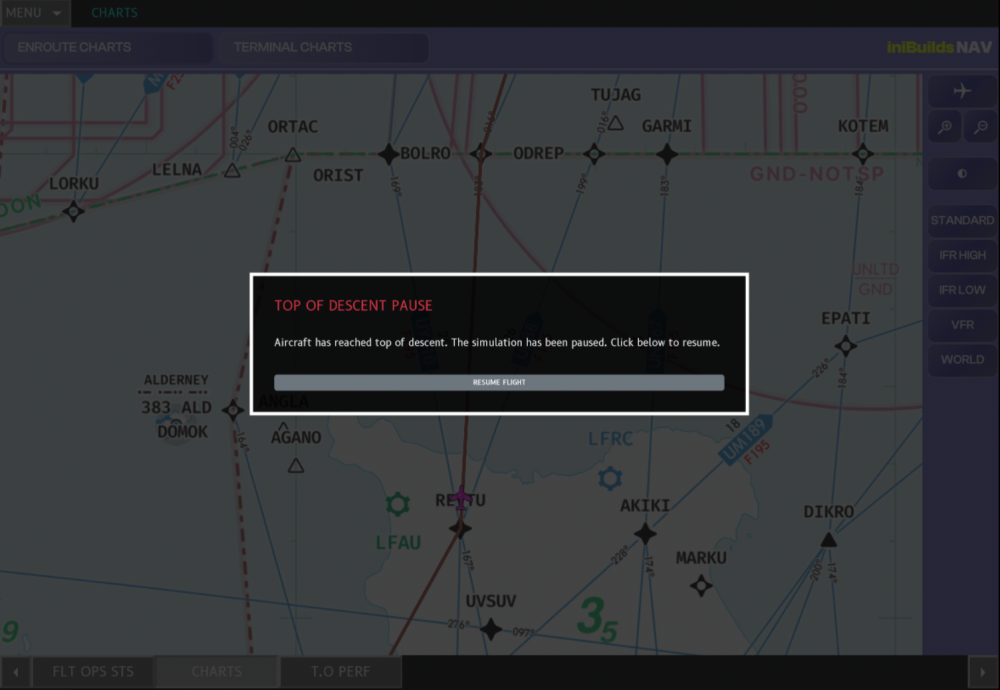
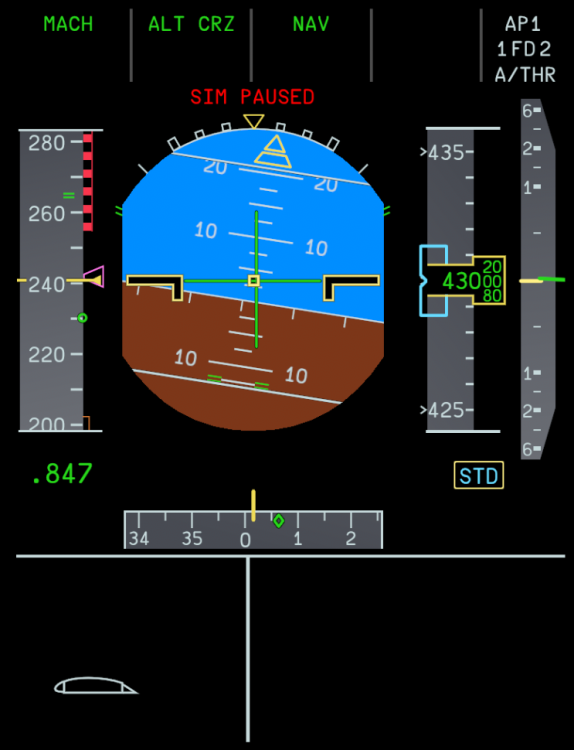
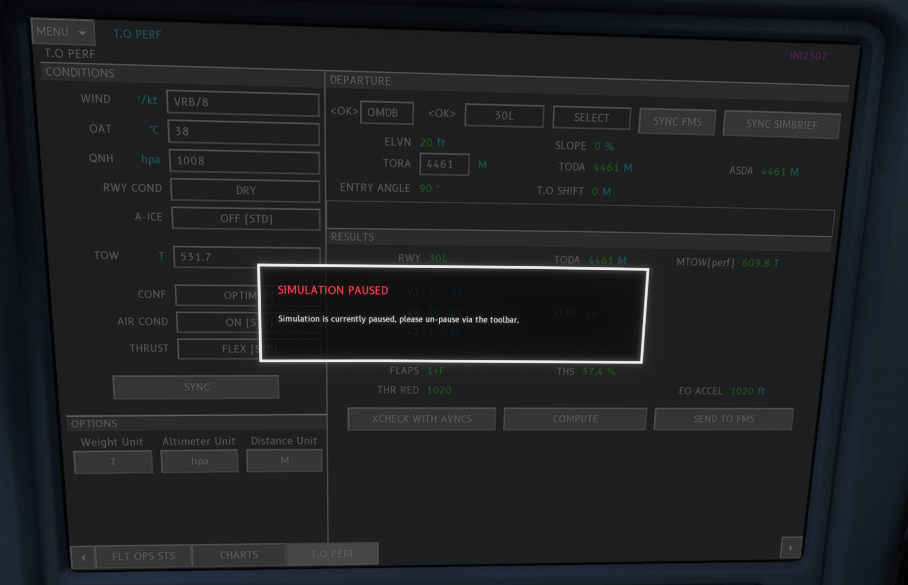
The iniBuilds A380 Airliner features the option to automatically pause your simulator at a user customizable distance prior to your Top of Descent (TOD) pseudo waypoint. This is useful for when you intend to leave you simulator unsupervised but do not wish to miss out the fun of descending into your destination. (Click to enlarge image) EFB Pause at TOD OptionYou can enable the option to automatically Pause at TOD from the EFB Simulation Settings page. Here you can also set the custom distance (in NM) for when before your TOD waypoint you want this pause to engage. (Click to enlarge image) EFB Resuming Flight after Pause at TOD Once the Pause at TOD engages, you will see a SIM PAUSED message in red at the top of your PFD. Additionally you will see a 'TOP OF DESCENT PAUSE' notification on the EFB and OIT screens. To resume your flight, simply press the 'RESUME FLIGHT' button on the EFB. (Click to enlarge image)
-
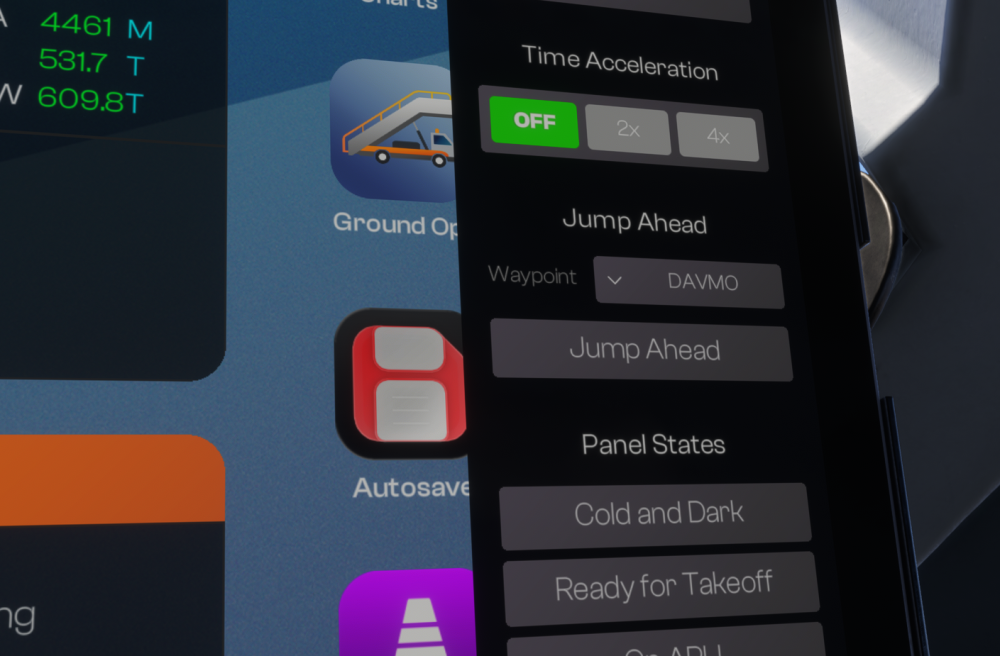
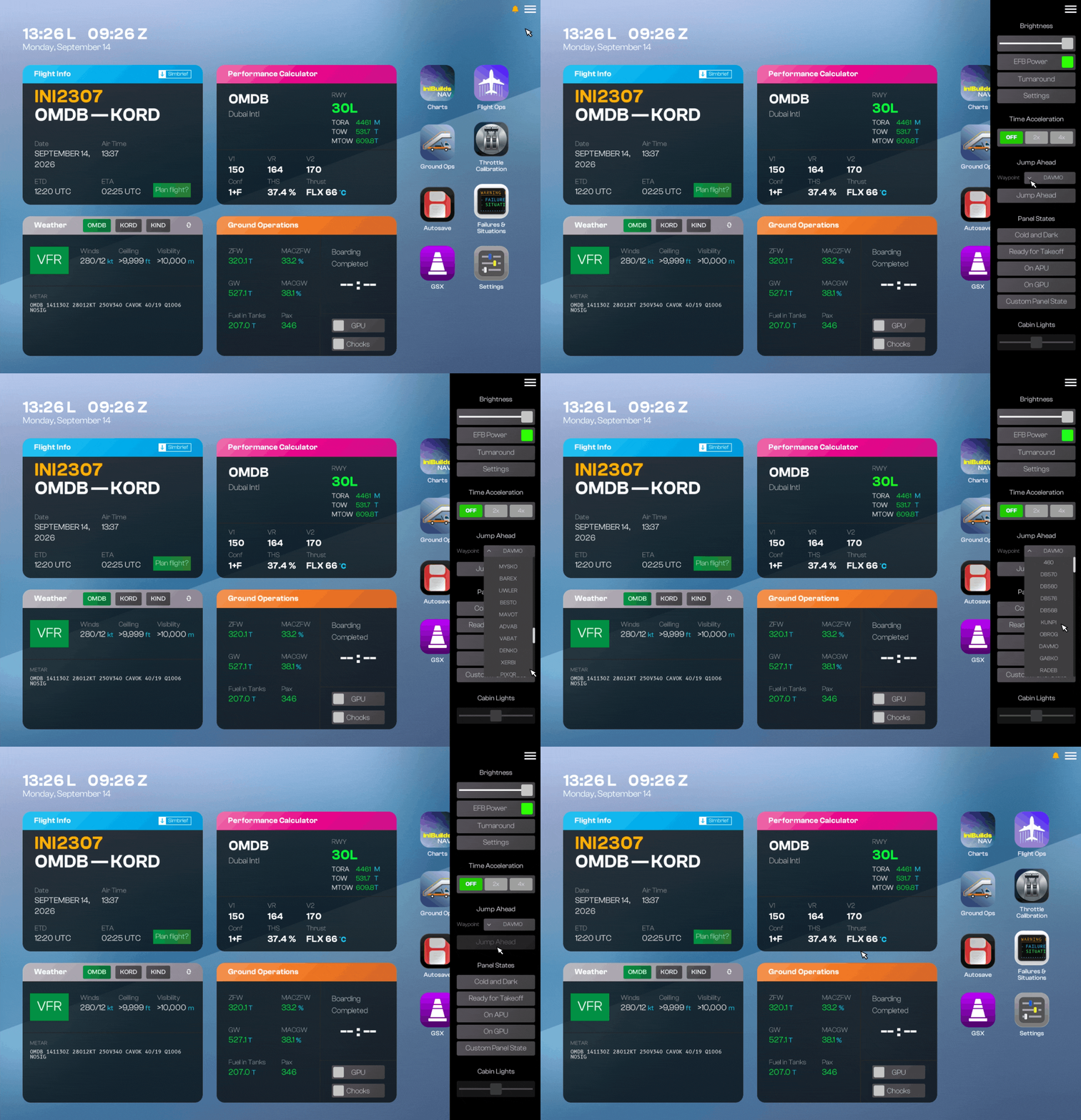
Jump Ahead on the iniBuilds A380 airliner allows you to skip long cruise sectors, quickly conclude your long-haul flights, or jump straight into specific flight phases to practice descent and approach procedures. (Click to enlarge image) Why Jump Ahead?Perfect for concluding long-haul flights when you're short on time but still want an accurate end-of-flight state. Great for practicing approach and landing procedures without flying the entire cruise phase. Use Jump Ahead paired with Time Acceleration (2x/4x) for even faster transitions between key flight phases. Prerequisites (Do This First!)To ensure a smooth transition and proper aircraft system behaviour during a jump, you must prepare your flight plan beforehand: Setup FMS Data: Complete the INIT page on your FMS. Set Weights & Fuel: Fill in the FUEL & LOAD pages with the appropriate flight data. Configure the aircraft: Takeoff and configure the aircraft for Climb or Cruise. ⚠️Note: Feature is designed for use while airborne. While the EFB will allow you to trigger a Jump Ahead without completing the FMS/Fuel setup from pre-flight state, use it at your own risk. Doing so may result in unexpected system behaviour, FMS discrepancies, and incorrect calculations post-jump. This use case is allowed but not supported as a result. (Click to enlarge image) How to Use "Jump Ahead"Once your aircraft is fully set up for the flight, follow these steps: Open the EFB Quick Access Menu: Tap the Menu icon (☰) in the top-right corner of the EFB screen. Locate the Jump Ahead Section: Scroll to the Jump Ahead panel, situated between Time Acceleration and Panel States. Select Your Target Waypoint: Click the Waypoint drop-down selector. A list of fixes along your active flight plan will populate (e.g., DB570, DB560, KLNPI, OBROG, GABKO, RADEB). Choose Your Target Fix: Tap the desired waypoint from the list to select it. Execute the Jump: Click the now-active JUMP AHEAD button beneath the drop-down selector. Confirm the Jump: Click the CONTINUE button to confirm the jump to the selected waypoint shown at the top. (Click to enlarge image) What Happens When You Jump?When the jump is executed, the A380 WASM automatically handles the transition by updating key flight parameters: Position: The aircraft is immediately placed at the selected waypoint along your route. Simulator Time: The in-sim time automatically updates to match the FMS-calculated ETA (Estimated Time of Arrival) for that waypoint. Fuel Load: Aircraft fuel quantity updates dynamically to match the FMS-calculated EFOB (Estimated Fuel On Board) at that point in the flight. Note: EFIS Control Panel settings are reset on jump. Your Navigation Display (ND) settings - including Display Modes, Range, and Overlays - will reset to match the Ready for Takeoff panel state. Manually re-adjust your ND Range and re-select your preferred EFIS overlays appropriate for the current phase of flight.

-
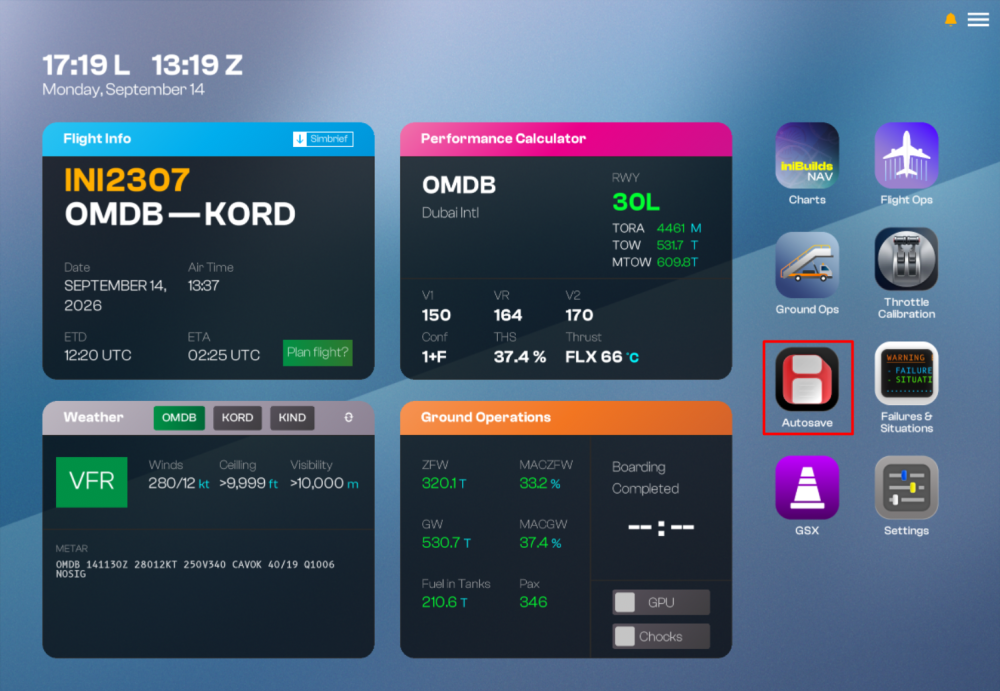
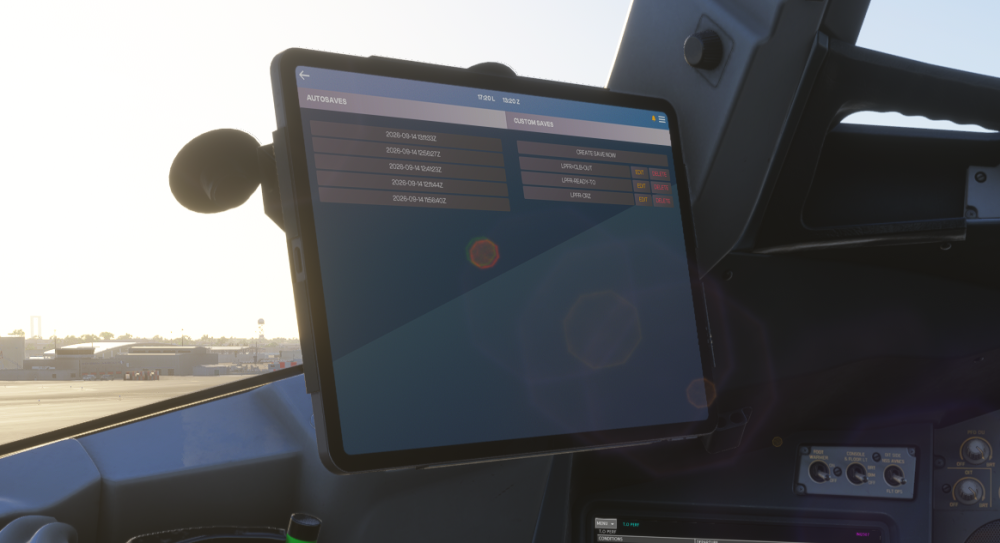
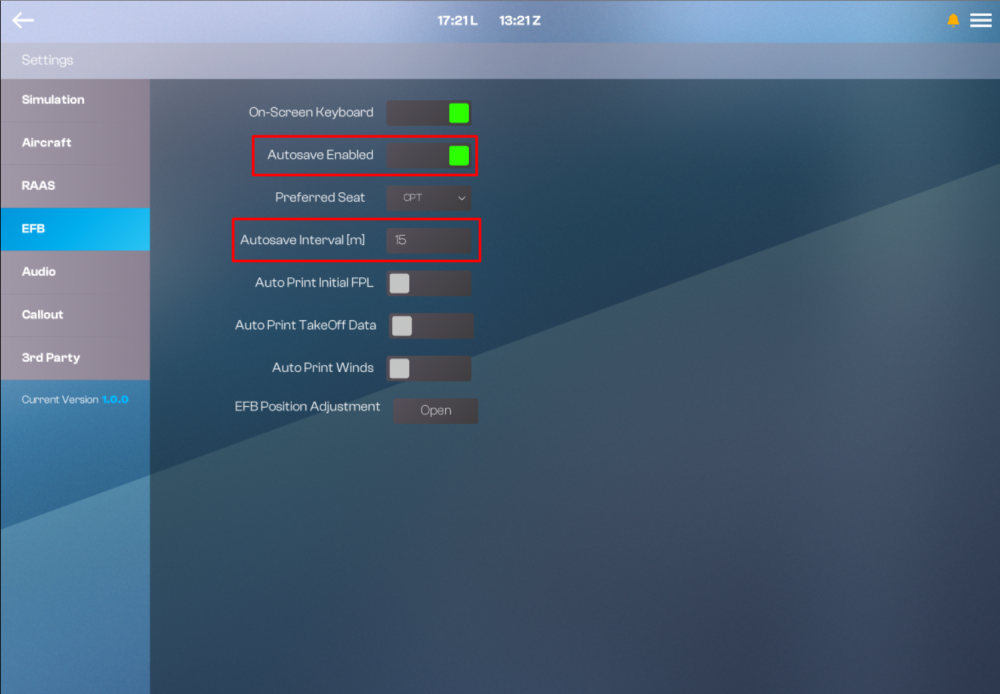
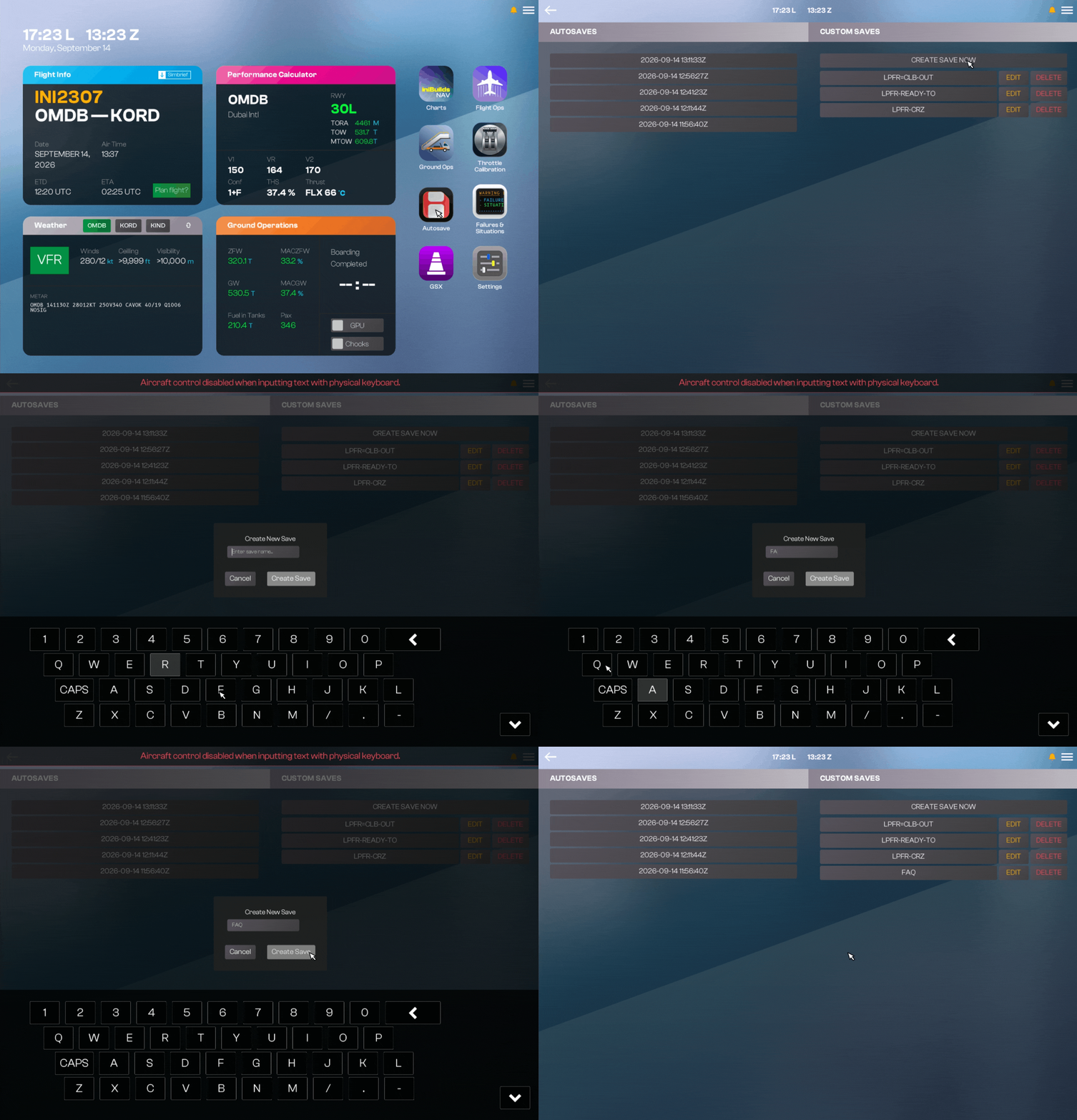
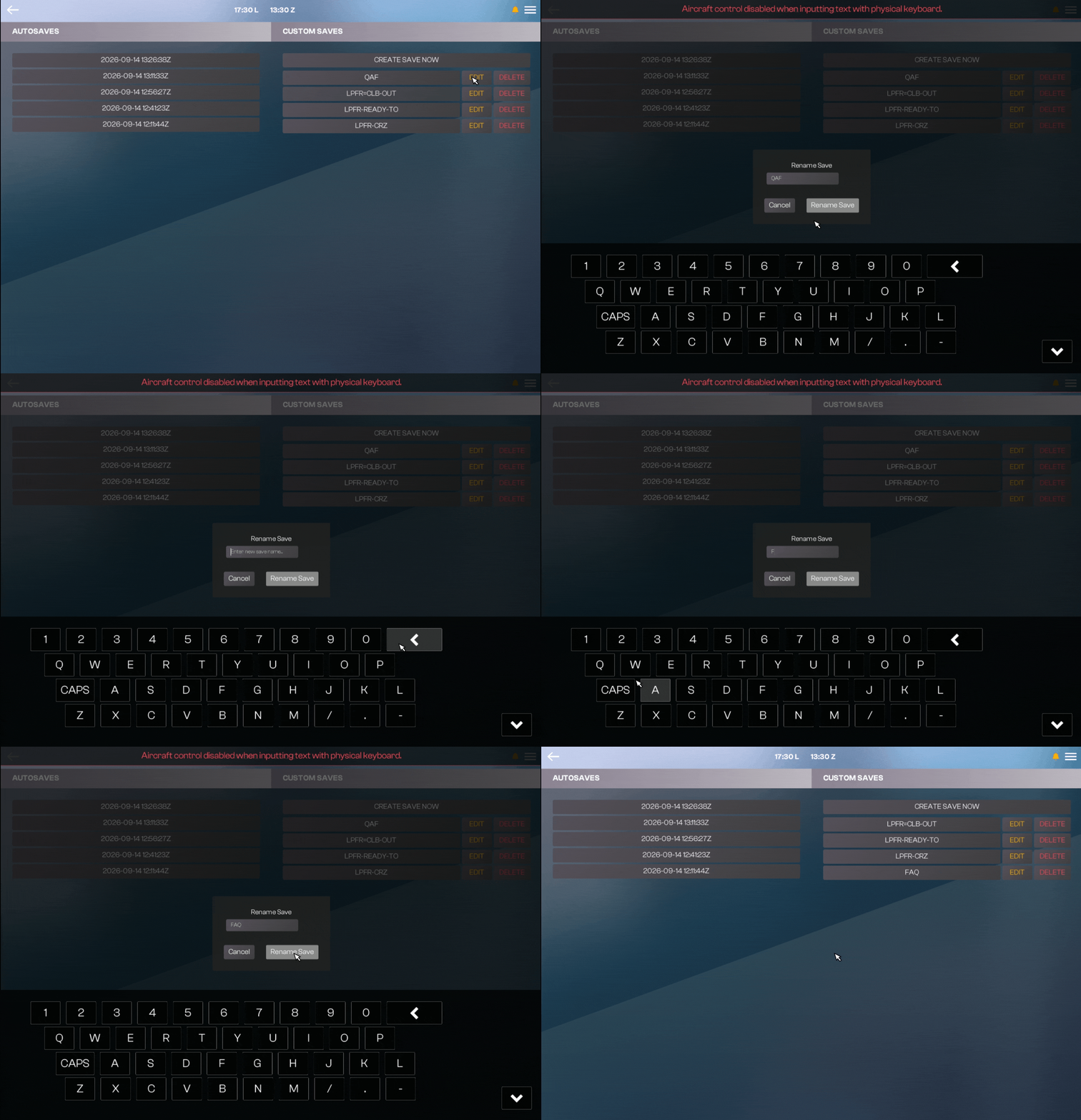
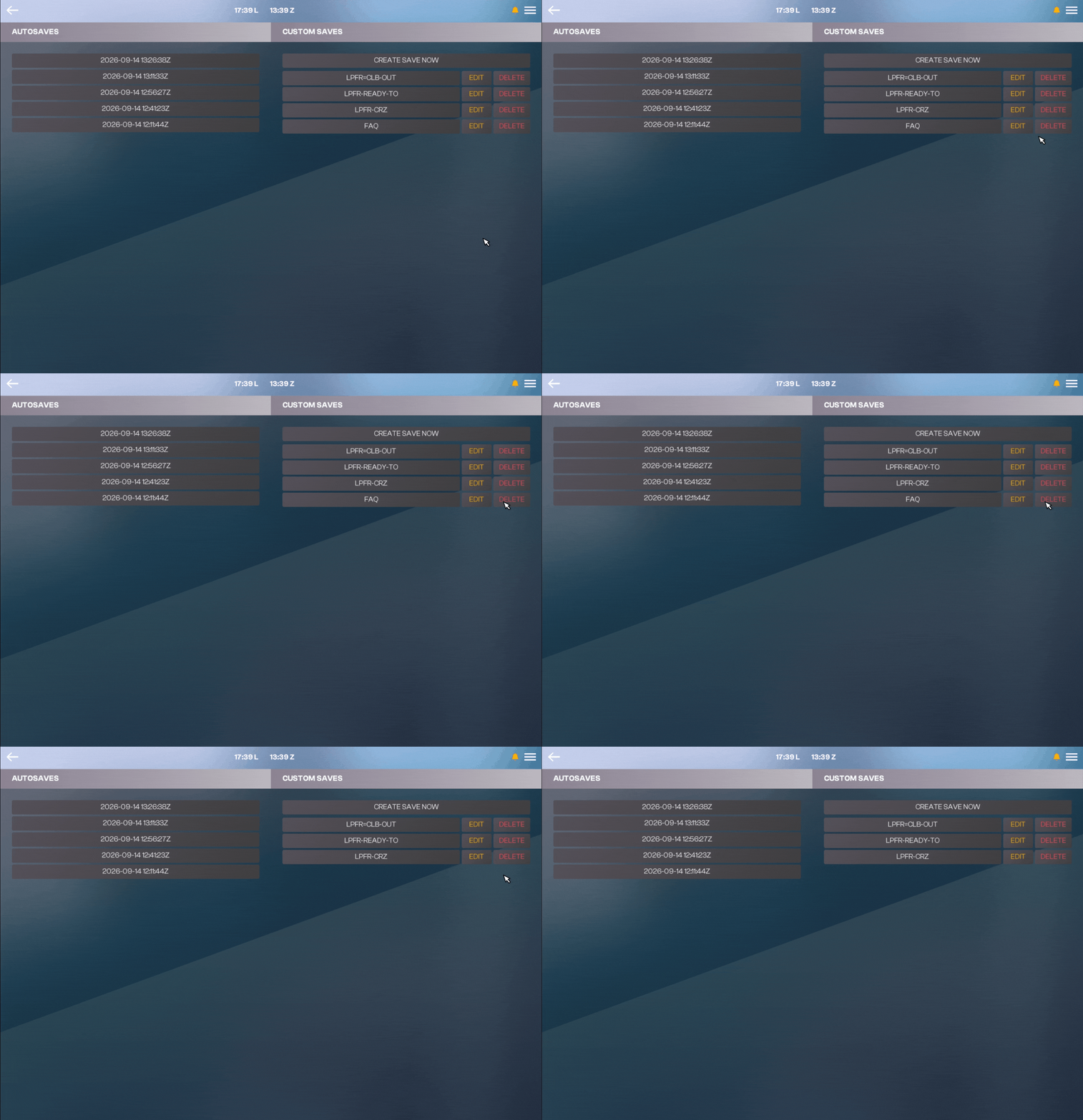
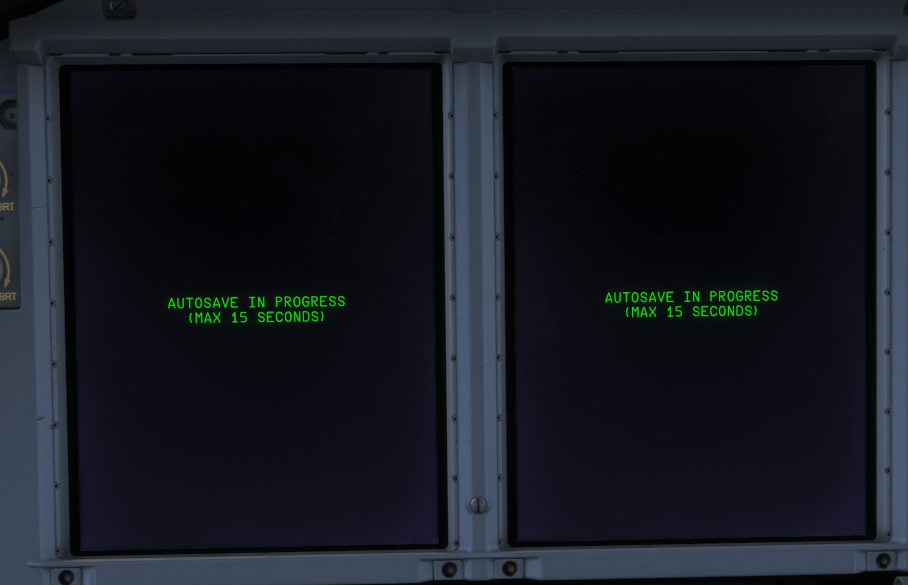
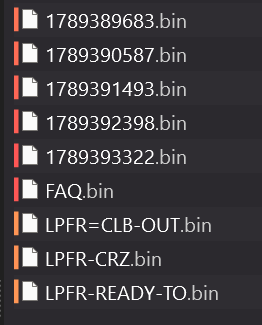
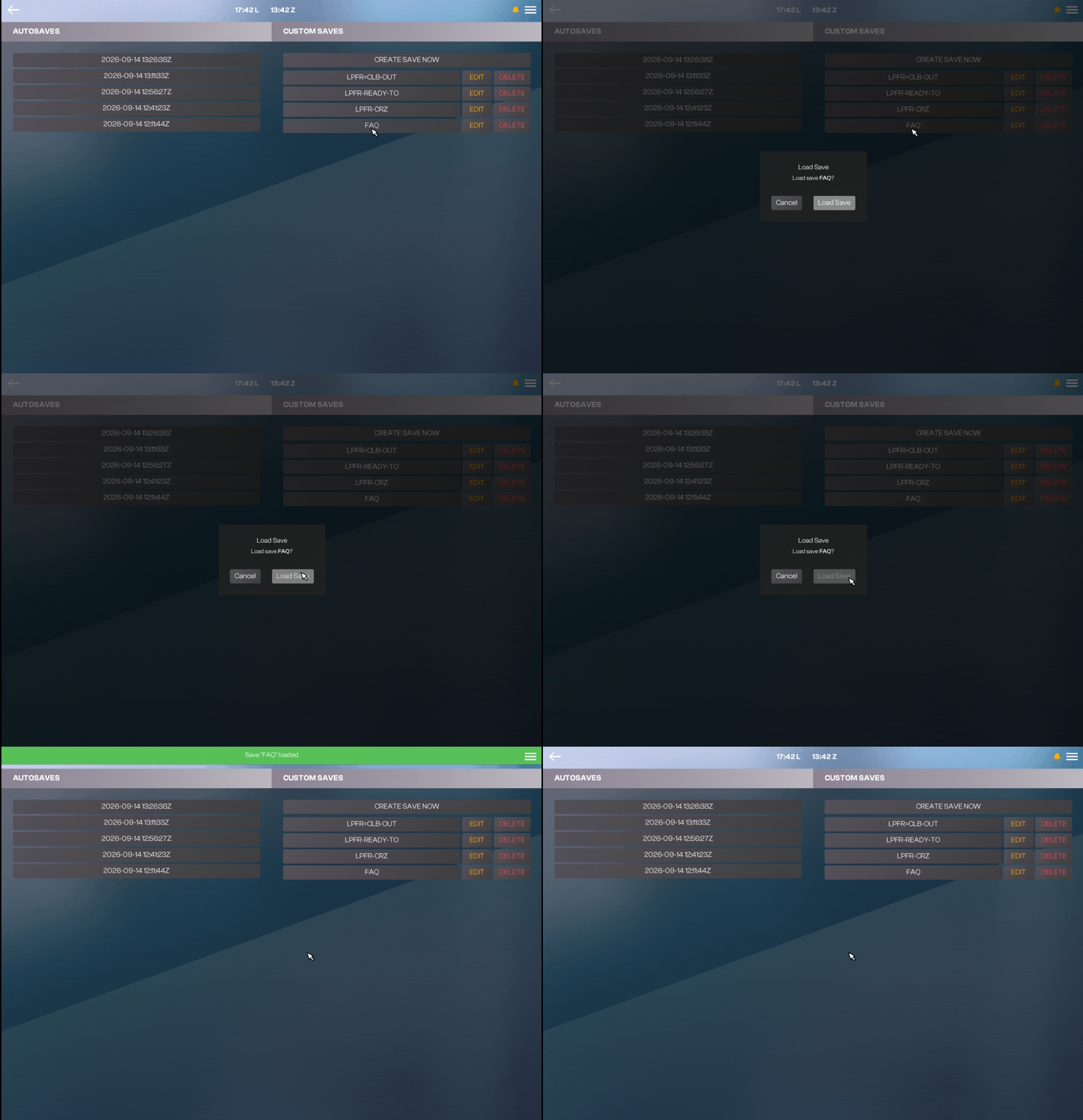
Our Autosave feature from the A350 Airliner returns with expanded flexibility to the iniBuilds A380 Airliner. You can set custom save intervals, manually save flight states, rename autosaves, delete autosaves and reload progress at any time - ensuring your long-haul isn’t lost to a power cut or catastrophic failure. (Click to enlarge image) Autosave SettingsAutosave functionality can be enabled/disabled via the EFB Settings page. You can also set a custom interval (in minutes) on the same page. (Click to enlarge image) Creating a Custom SavesTo create a custom save via the EFB: Navigate to EFB Autosave Page Click 'CREATE SAVE NOW' button Enter a desired name for the autosave and then press 'CREATE SAVE' button Your custom save will appear on the list on the right side of the page (Click to enlarge image) Renaming a Custom SaveTo rename a custom save via the EFB: Navigate to EFB Autosave Page Click 'EDIT' button Enter the new desired name for the autosave and then press 'RENAME SAVE' button Your renamed custom save will appear on the list on the right side of the page (Click to enlarge image) Deleting a Custom SaveTo delete a custom save via the EFB: Navigate to EFB Autosave Page Click 'DELETE' button The custom save will be removed from the list on the right side of the page (Click to enlarge image) Loading Custom / Auto savesTo load any custom/auto save via the EFB: Navigate to EFB Autosave Page Click the desired save from the AUTOSAVES or CUSTOM SAVES list. Confirm loading of the autosave. Note: The sim may take a few seconds to load the proper panel states after teleporting you to save location. Sharing Custom SavesAll custom and auto saves are stored as ".bin" files in your WASM/work folder. These can be shared with other users or our staff for support requests. Simply drop the save files in the folders listed below and then reload the OIS autosave page to see it on the list. The autosaves folder is found at the various paths listed below: (Click to enlarge image)
-
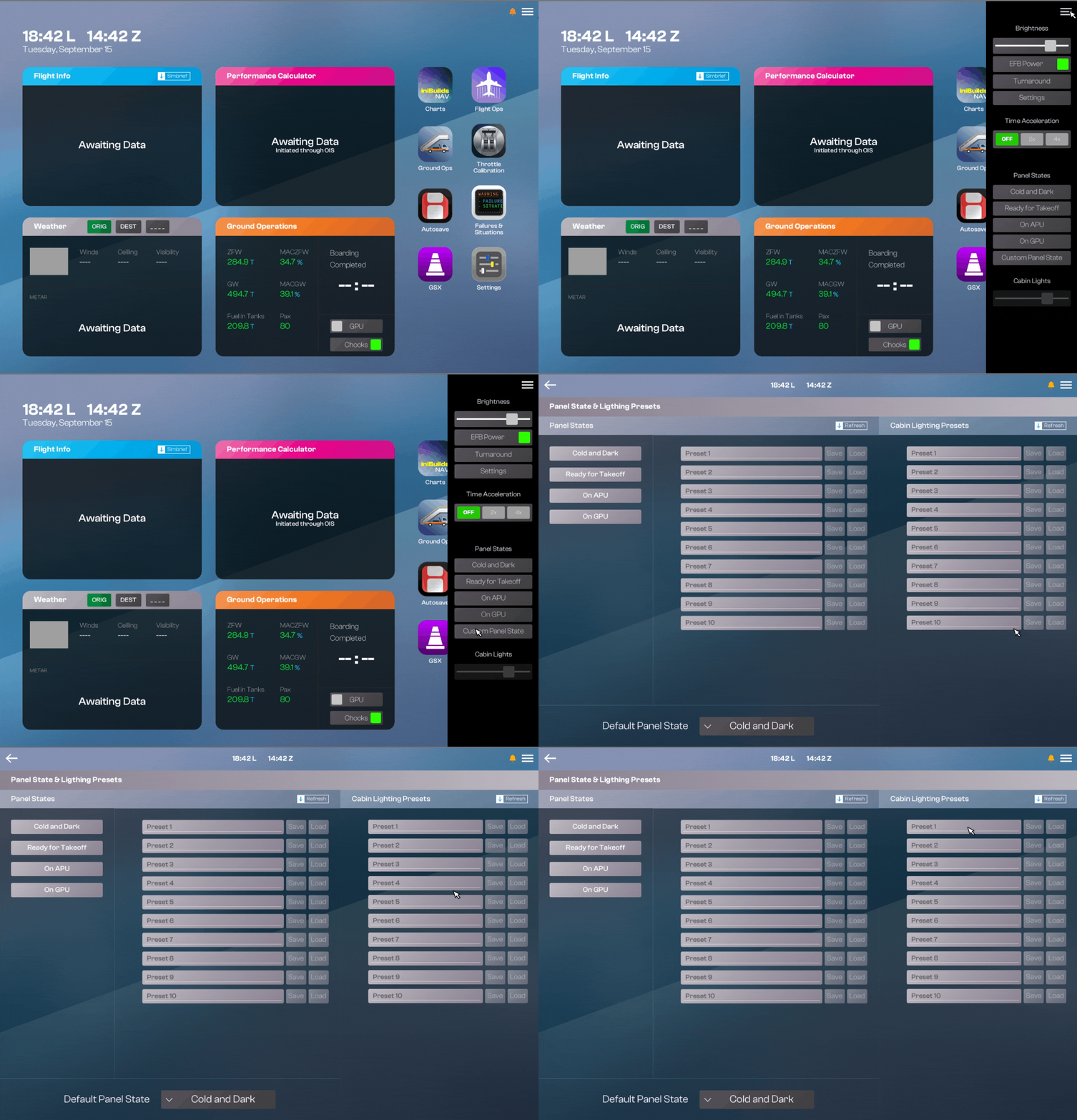
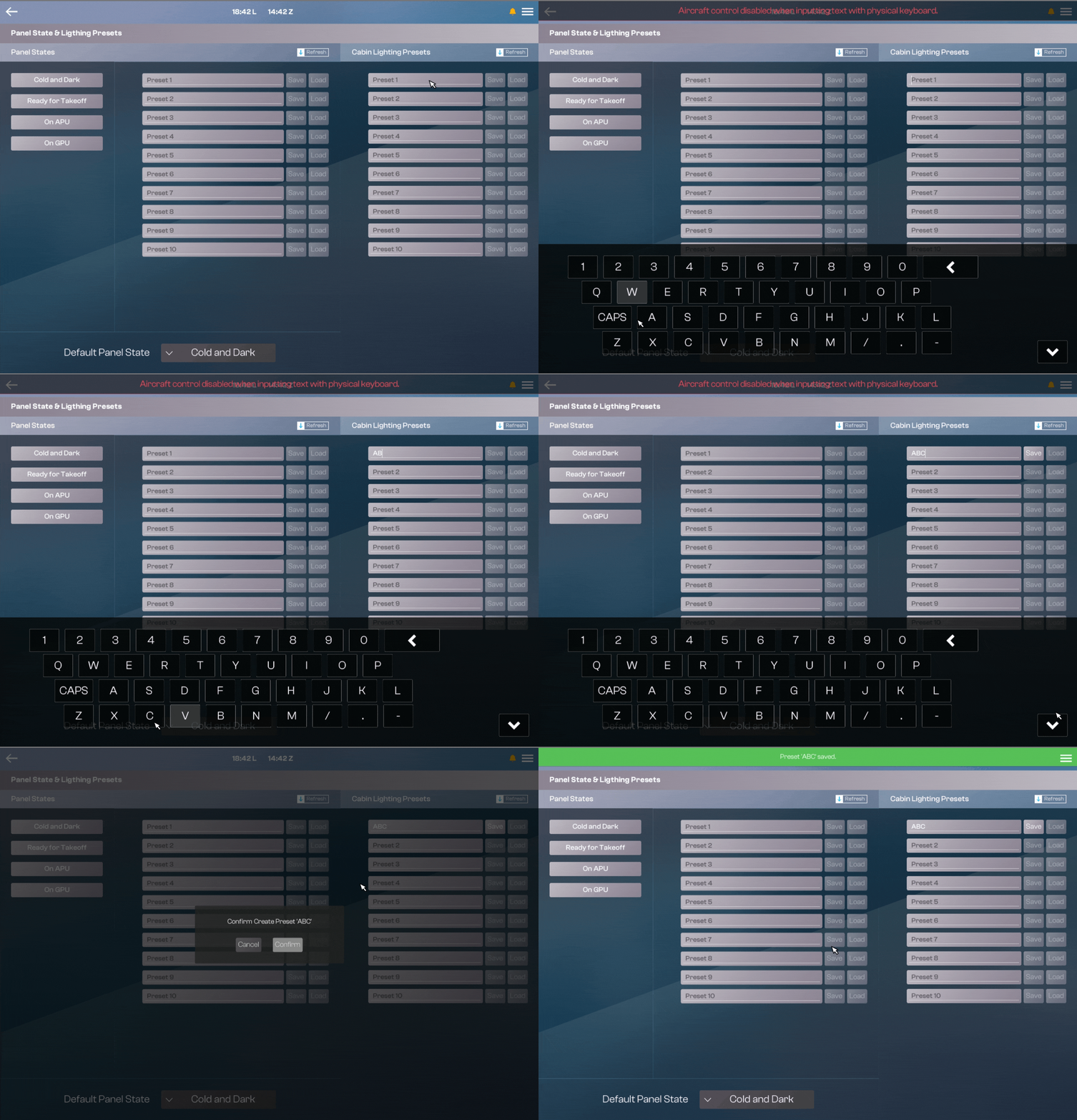
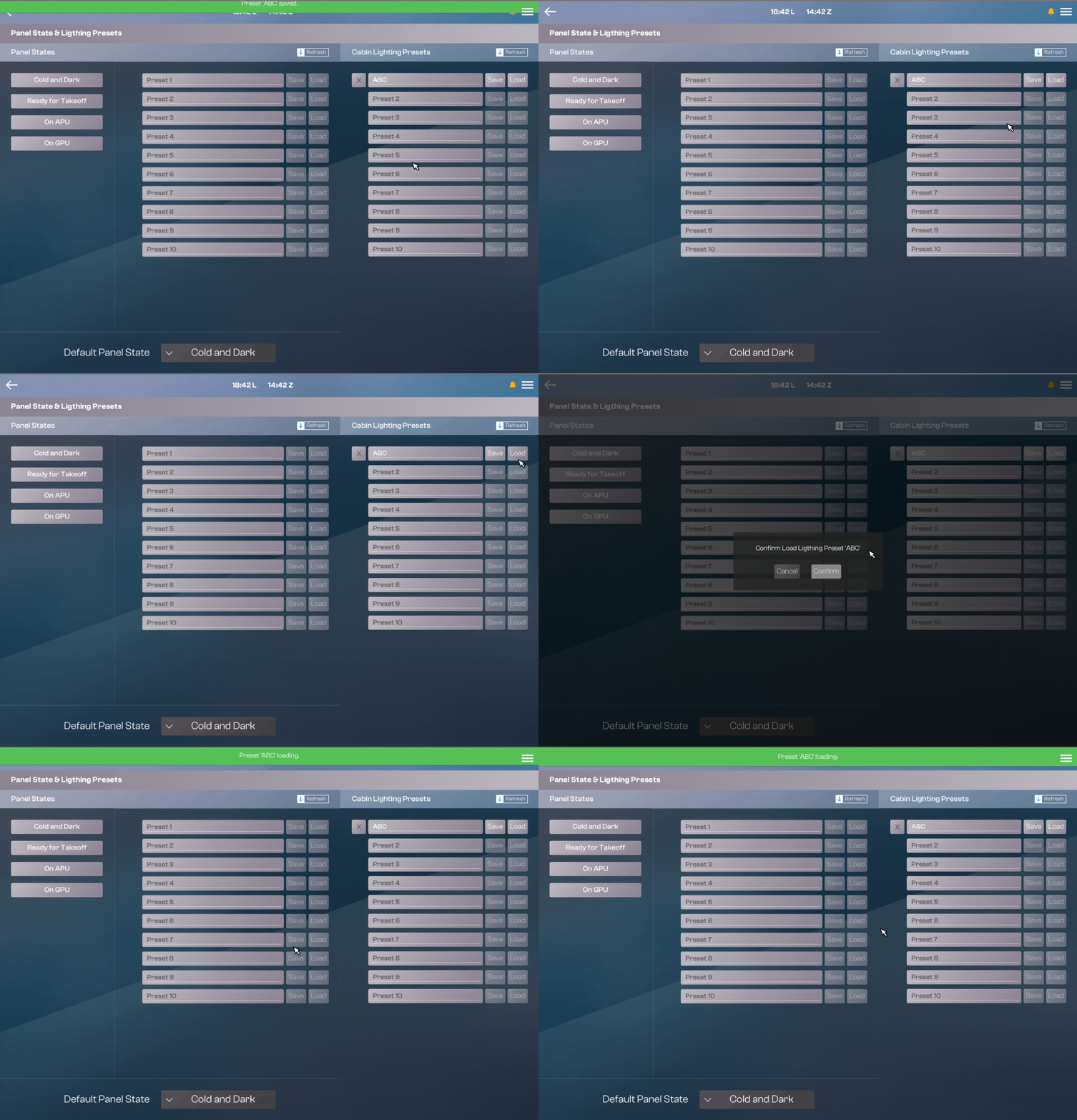
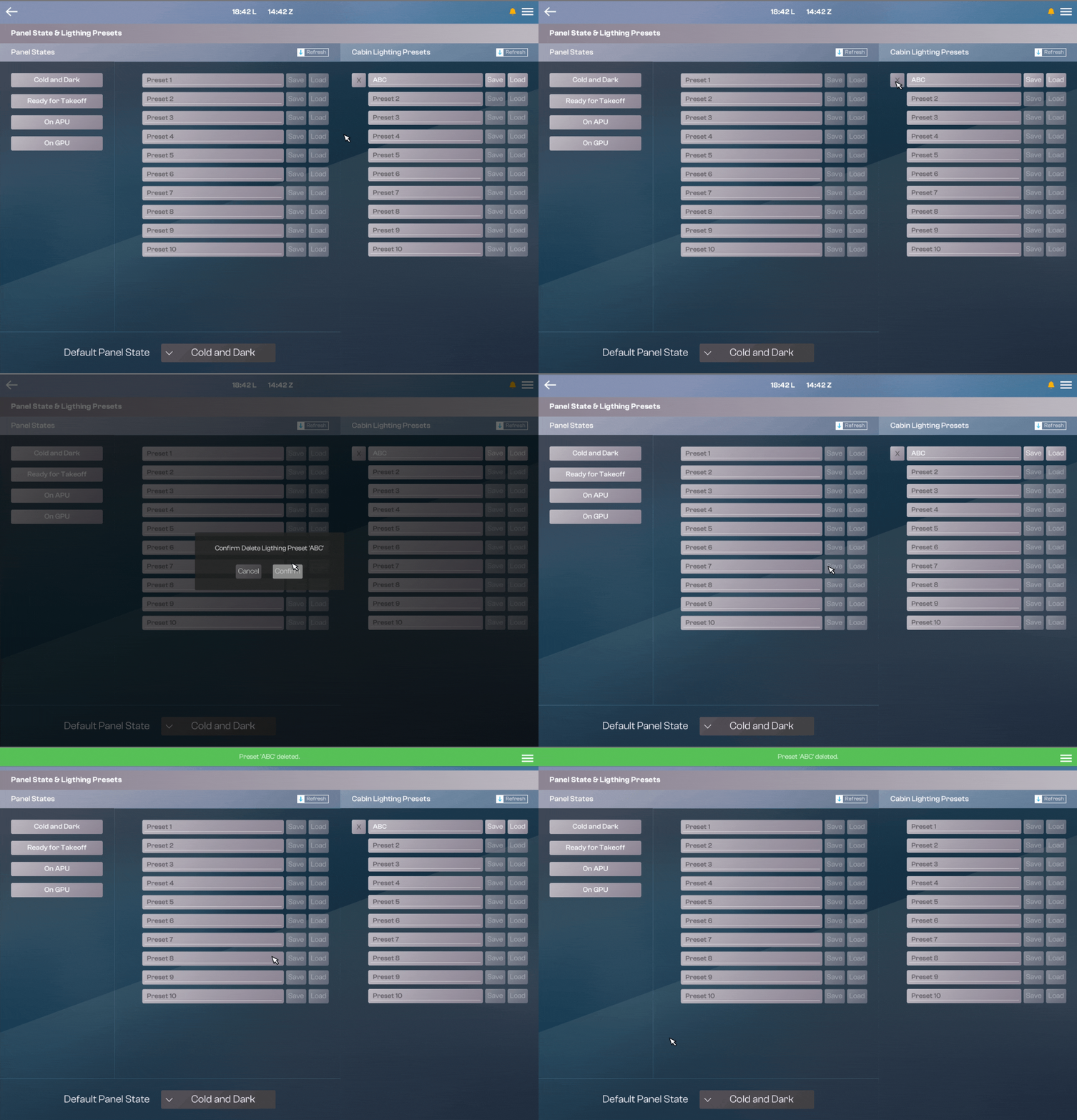
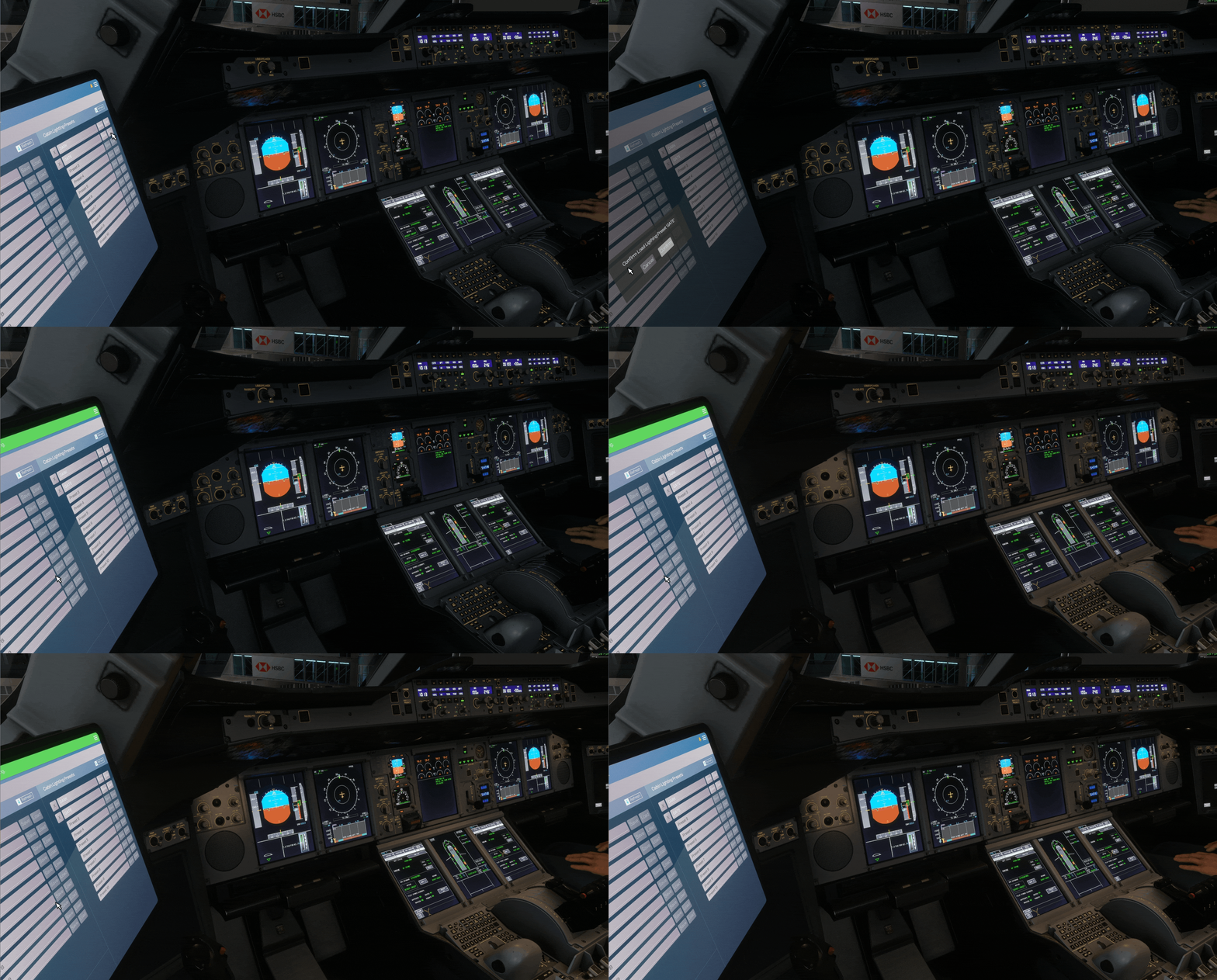
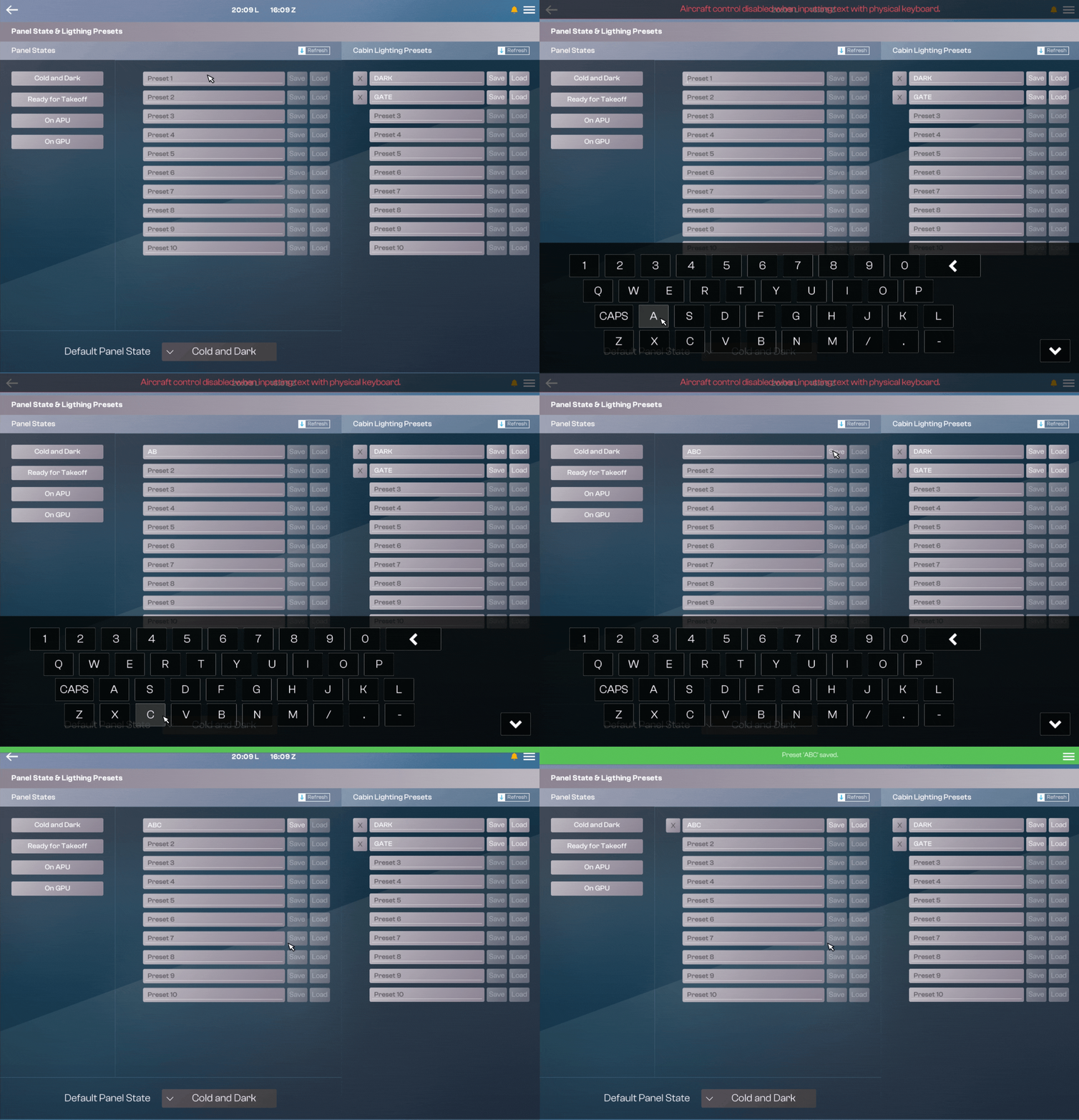
Save and recall your favorite flight deck lighting configurations on the iniBuilds A380 Airliner in an instant. Whether you prefer a dim, moody cockpit for night flying or a bright setup for daytime operations, Custom Panel States - Lighting Presets let you tailor your lighting once and load it whenever you need it. (Click to enlarge image) How to AccessOpen the EFB and tap the Menu icon (☰) in the top-right corner. Under Panel States, click the Custom Panel State button. This will open the Panel State & Lighting Presets page, split into two sections: Panel States and Lighting Presets. (Click to enlarge image) Saving a PresetIn the cockpit, manually set your desired lighting levels, including: Panel Integral Lights Panel Flood Lights Tray Table Flood Lights Reading Lights Console & Floor Lights FCU, MFD, RMP, ISIS, STBY NAV, OIT and EFB Display Brightness Return to the Panel State & Lighting Presets page on the EFB. Click into the empty text field next to an available preset slot (e.g., Preset 1) and type in a preset name. Click Save to store your current lighting configuration to that slot. Confirm action. (Click to enlarge image) Loading a PresetLocate your desired preset from the list. Click Load next to that preset. Confirm action. Your flight deck lighting will immediately update to match the saved configuration. (Click to enlarge image) Deleting a PresetLocate the preset you wish to remove from the list. Click the X button next to that preset to delete it. Confirm action. (Click to enlarge image) TipsUse the Refresh button at the top of each column to reload the latest saved presets from the system. Panel State presets (left) and Lighting presets (right) are saved and loaded independently - you can mix and match flight deck and cabin lighting setups as needed. Just load the Panel State first, then the Lighting Preset. You can save up to 10 presets per category, giving you plenty of room to create setups for different times of day, flight phases, or personal preference. Consider creating dedicated presets for Day, Dusk, and Night operations to quickly adapt your cockpit lighting to changing conditions without manually adjusting each light source every flight.
-
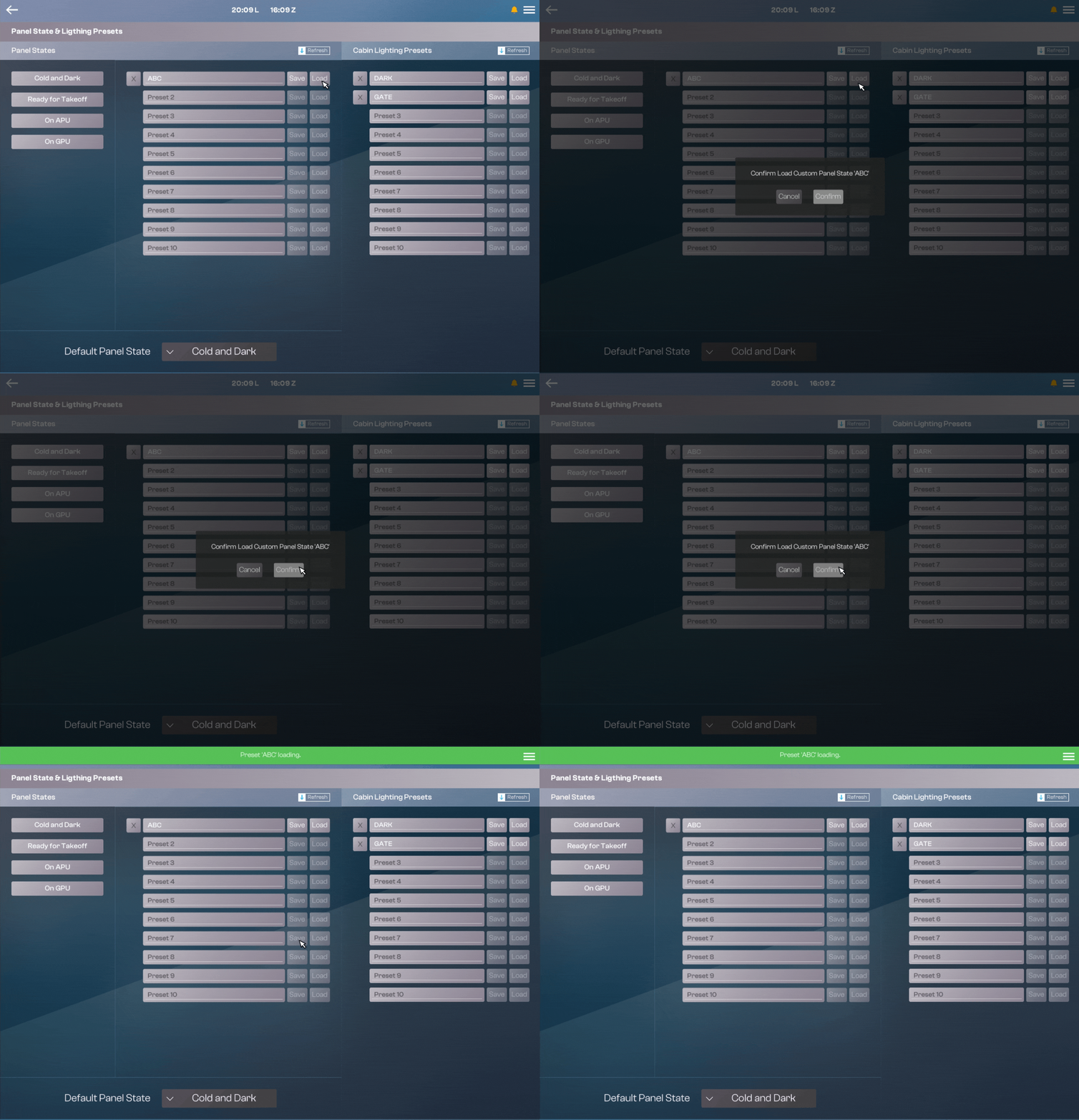
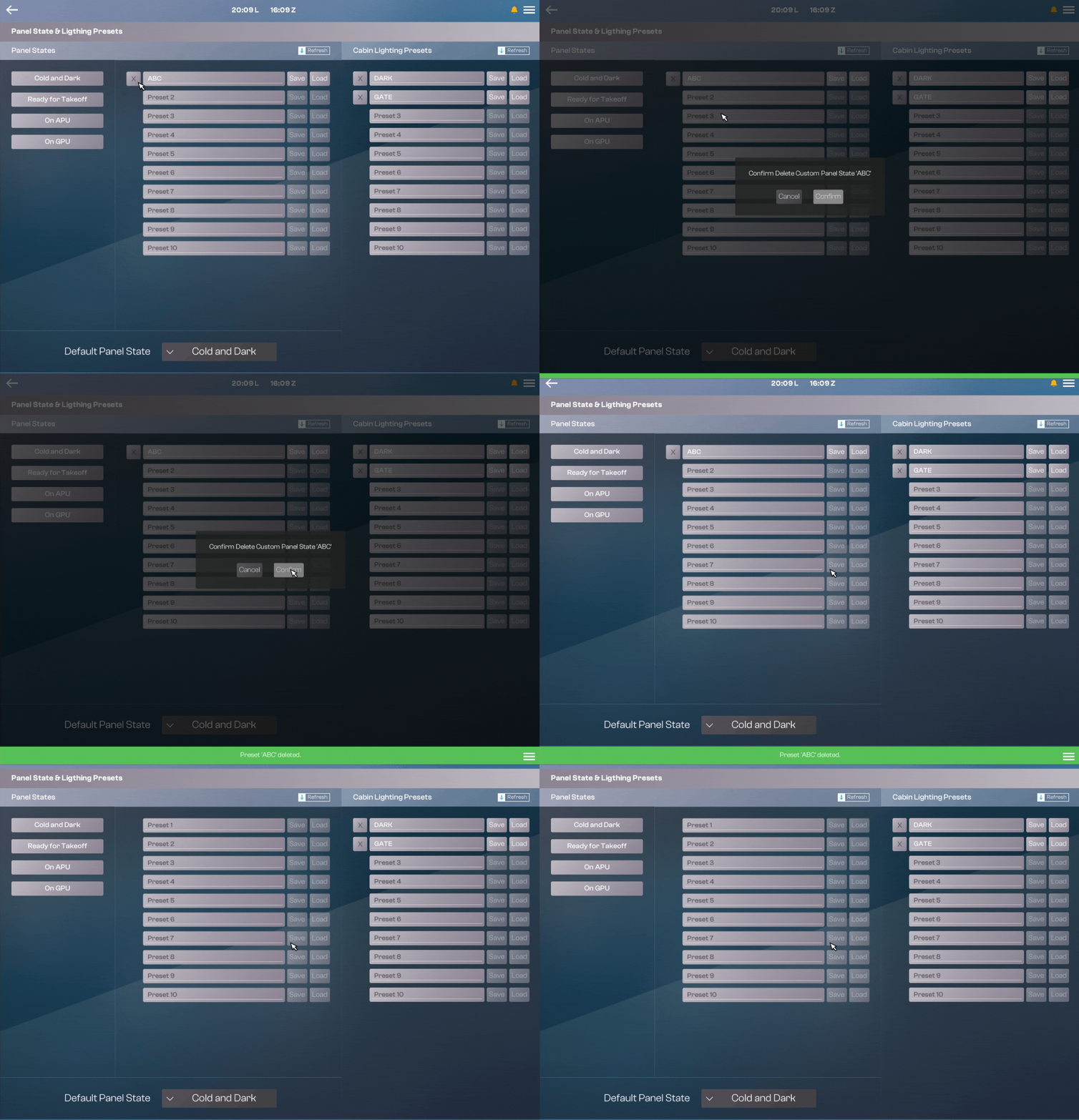
Save your own aircraft configuration states beyond the standard presets on the iniBuilds A380 Airliner. Whether you like to begin your flight from a specific systems setup, or want to quickly recall a particular configuration for training or testing, Custom Panel States let you capture and reload the exact state of the aircraft's systems and switches at the press of a button. How to AccessOpen the EFB and tap the Menu icon (☰) in the top-right corner. Under Panel States, click the Custom Panel State button. This will open the Panel State & Lighting Presets page. Custom Panel States are managed in the Panel States column on the left, alongside the default states (Cold and Dark, Ready for Takeoff, On APU, On GPU). (Click to enlarge image) Changing the Default Panel StateThe Default Panel State determines which configuration is automatically applied when you load into the aircraft. This can be set to any of the standard states. On the Panel State & Lighting Presets page, locate the Default Panel State dropdown at the bottom-left of the screen. Click the dropdown to view the list of available states, including Cold and Dark, Ready for Takeoff, On APU or On GPU. Select your preferred state from the list. Your chosen state will now be applied automatically whenever the aircraft is loaded. Saving a Custom Panel StateIn the cockpit, manually set the aircraft's systems, switches, and panels to your desired state in the cockpit. Return to the Panel State & Lighting Presets page on the EFB. Click into the empty text field next to an available preset slot (e.g., Preset 1) and type in a preset name. Click Save to store your current lighting configuration to that slot. Confirm action. (Click to enlarge image) Loading a Custom Panel StateLocate your desired preset from the list. Click Load next to that preset. Confirm action. The aircraft will update to match the saved systems configuration. (Click to enlarge image) Deleting a Custom Panel StateLocate the preset you wish to remove from the list. Click the X button next to that preset to delete it. Confirm action. (Click to enlarge image) TipsUse the Refresh button at the top of each column to reload the latest saved presets from the system. Panel State presets (left) and Lighting presets (right) are saved and loaded independently - you can mix and match flight deck and cabin lighting setups as needed. Just load the Panel State first, then the Lighting Preset. You can save up to 10 custom Panel States, ideal for creating setups for specific training scenarios, testing, or personal preference (e.g., partial systems setup, specific failure states, or a preferred pre-flight configuration).
-
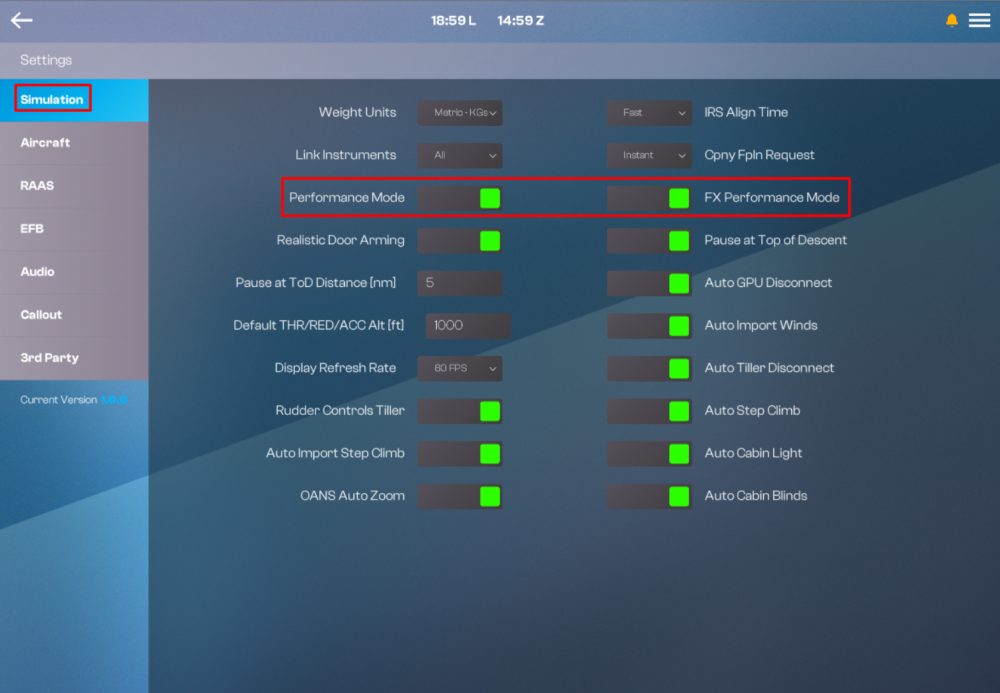
The iniBuilds A380 includes two separate Performance Mode toggles designed to help improve simulator performance by disabling non-essential visual elements. These can be configured independently based on your system's needs. Performance Mode Toggles - EFBThe toggles are found in EFB Settings > Simulation. Performance Mode: When enabled, this automatically hides the cabin and various other parts of the 3D model that are not immediately visible from the cockpit while the cockpit door is closed and in cockpit view. External views are not affected. FX Performance Mode: When enabled, this disables a range of Immersion Effects, including Custom heat blur on engines and APU FX Contrails FX Over-wing condensation FX Engine Vortices FX Tyre and Wheel Water Spray FX Engine Water spray and Reverse thrust FX Smoke FX during applicable situations Sparks FX during tailstrike events (Click to enlarge image)
-
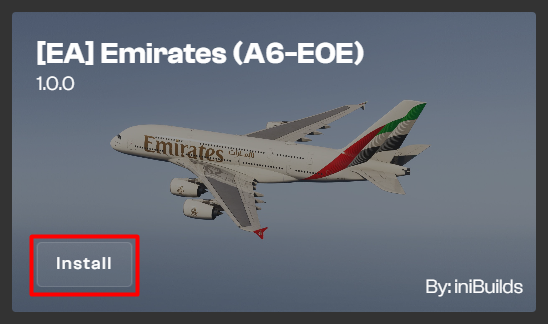
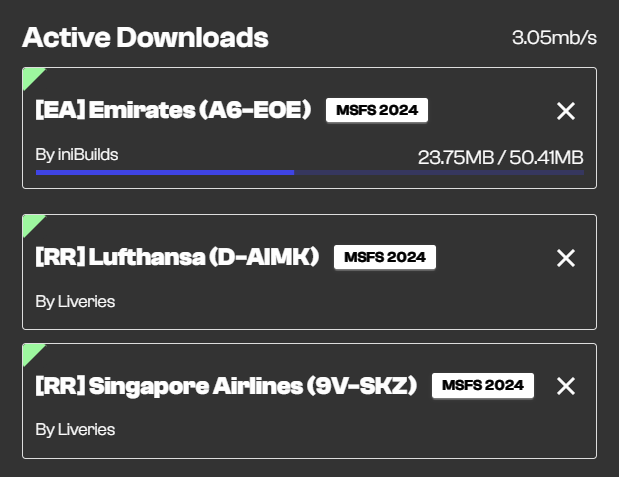
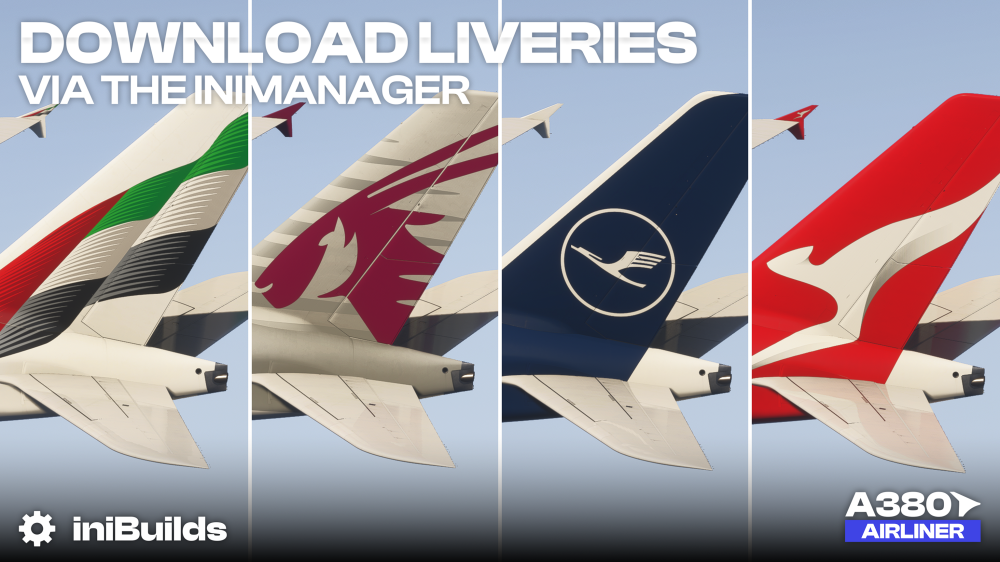
The iniBuilds A380 Airliner comes with a number of liveries made by our in-house artists for you to faithfully re-create your preferred Airlines experience. These liveries are available for download via the iniManager directly into your sim's Community folder. IniManager - Installation & Setup New UsersDownload the latest version of iniManager from here. Log in using your iniBuilds Store account. Set your MSFS 2024 Community Packages Folder paths: a. Default Location: Press the 'Scan Now' button to run an automatic scan for the default Community folder path. b. Custom Location: Press the '...' button to manually navigate to your custom Community folder path. Done! You may now download your desired products and liveries. iniManager - Liveries Management Accessing LiveriesOpen the iniManager Select the 'Liveries' from the sidebar Select the 'A380 Airliner FS24' Find your desired livery from the list. You may use the 'Filters' or 'Search Liveries' section at the top-right corner. Installing LiveriesClick the 'Install' button on the desired livery. Read the disclaimer and press 'I Understand' button. Wait for the download to complete. You can see the status of your download via the Active Downloads icon on the top right corner. Done! You may now close the iniManager. Uninstalling / Updating LiveriesClick the 'Uninstall' or 'Update' button on the desired livery. Done! You may now close the iniManager. Note: Liveries are cross-compatible across all Engine and Cabin Variants Howevever custom cowling textures (e.g., airline logos or colors) may only appear on the specific engine variant they were designed for. If engines show generic white textures, try the other engine variant.


-
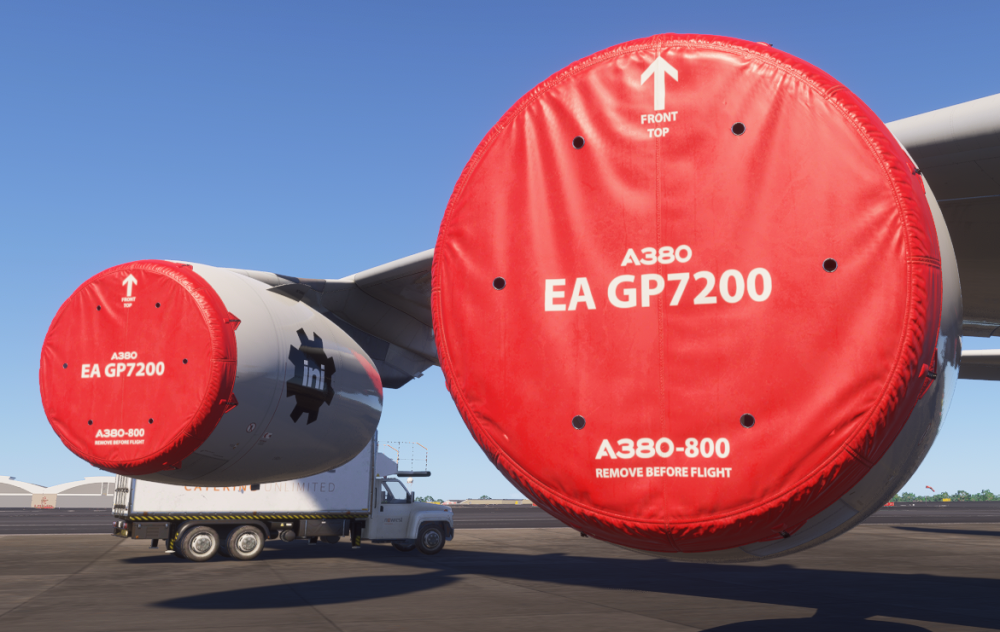
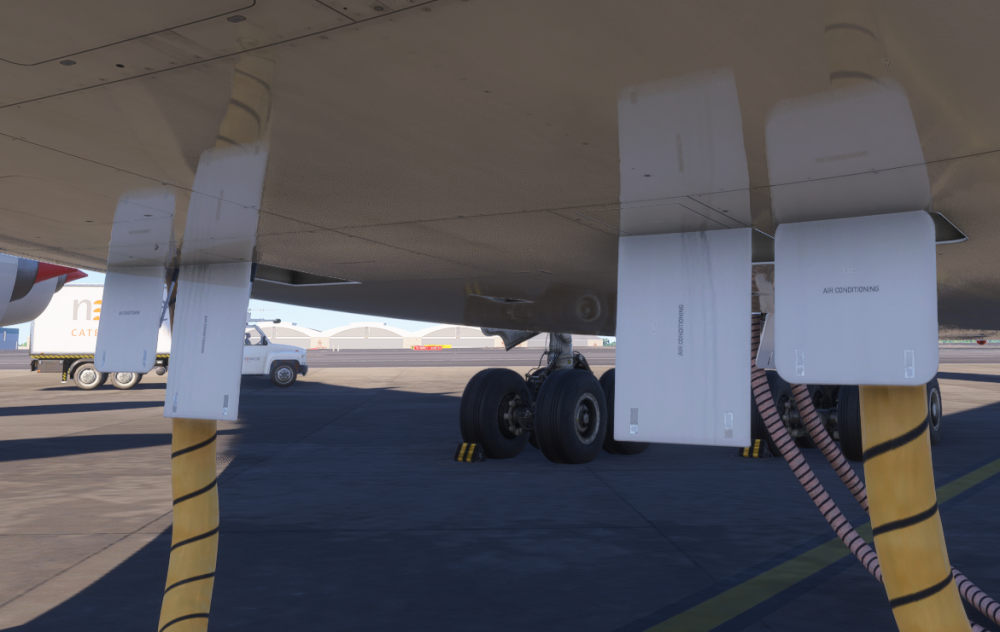
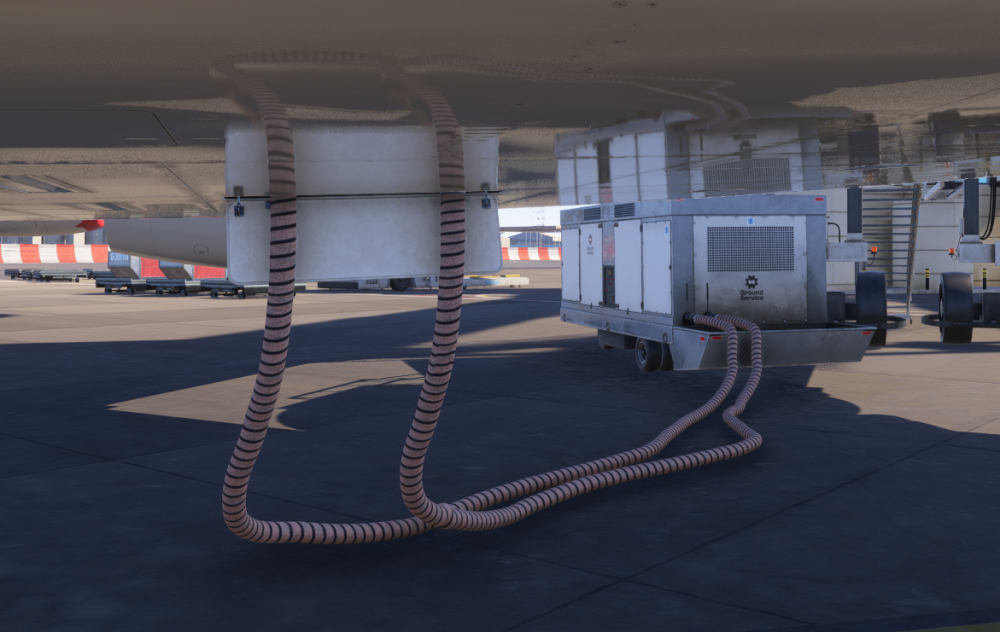
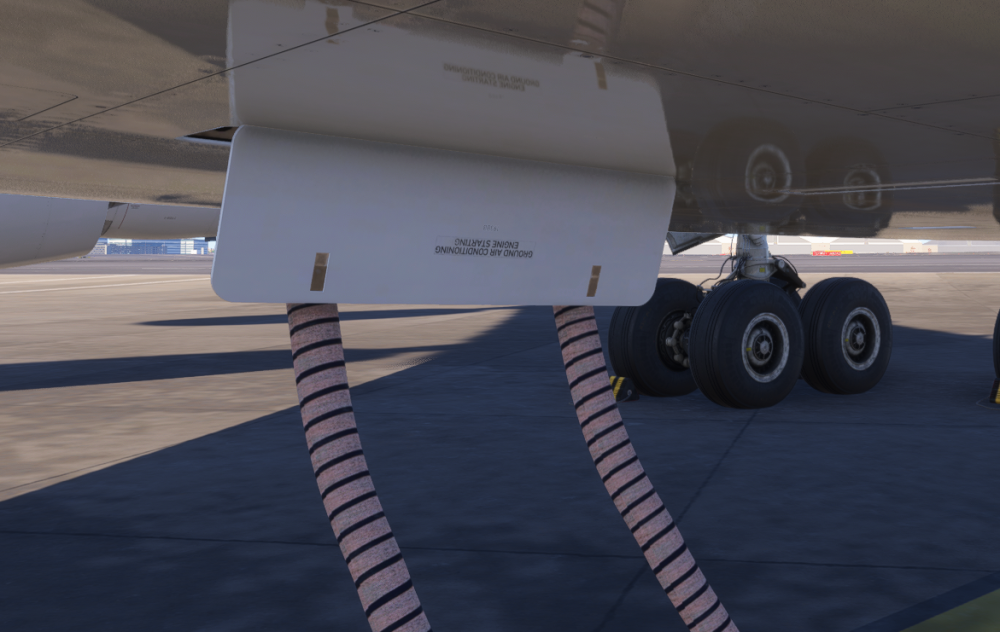
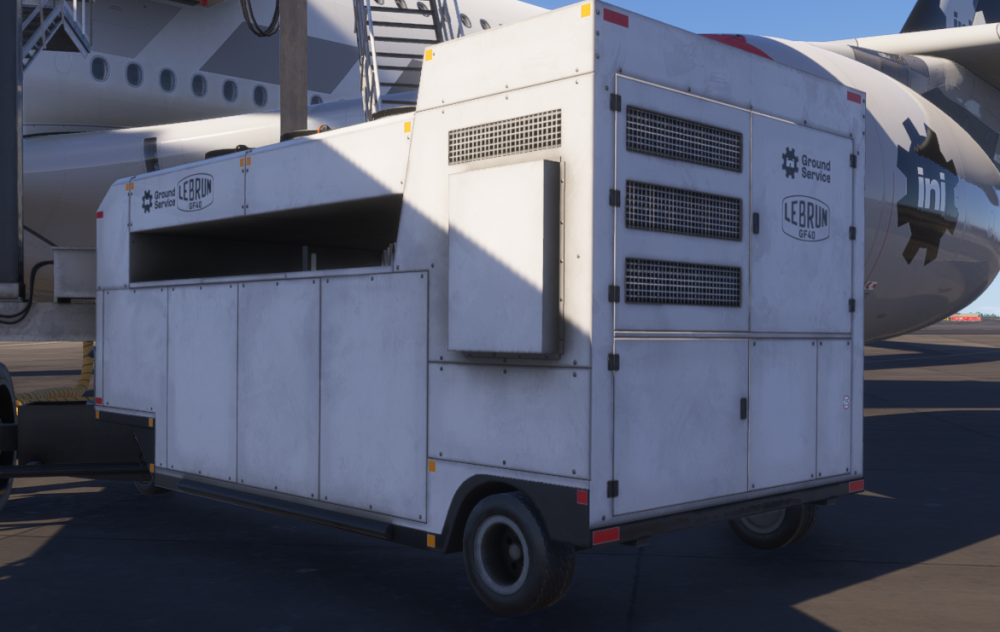
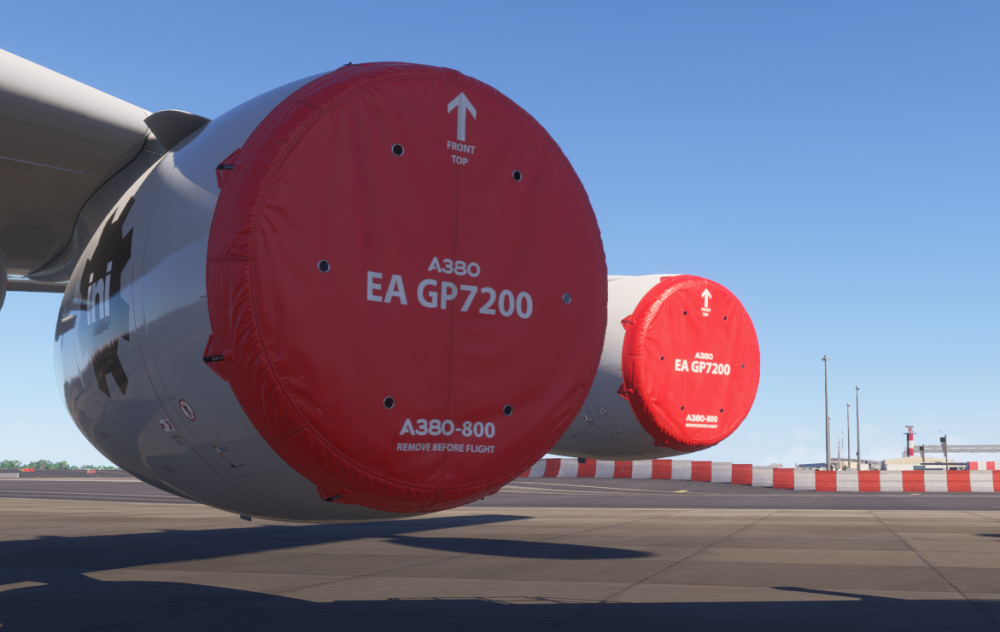
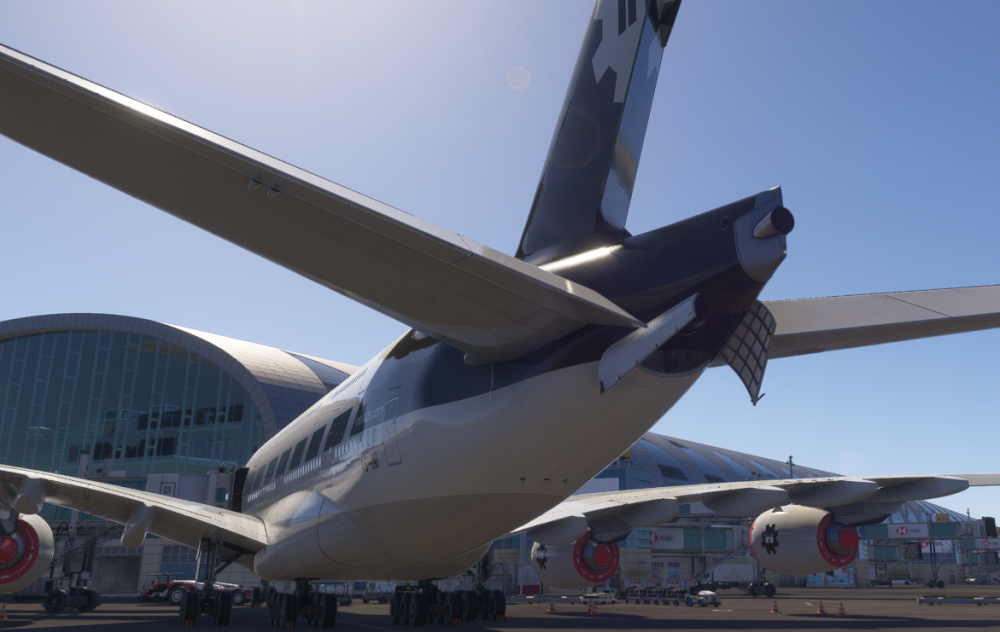
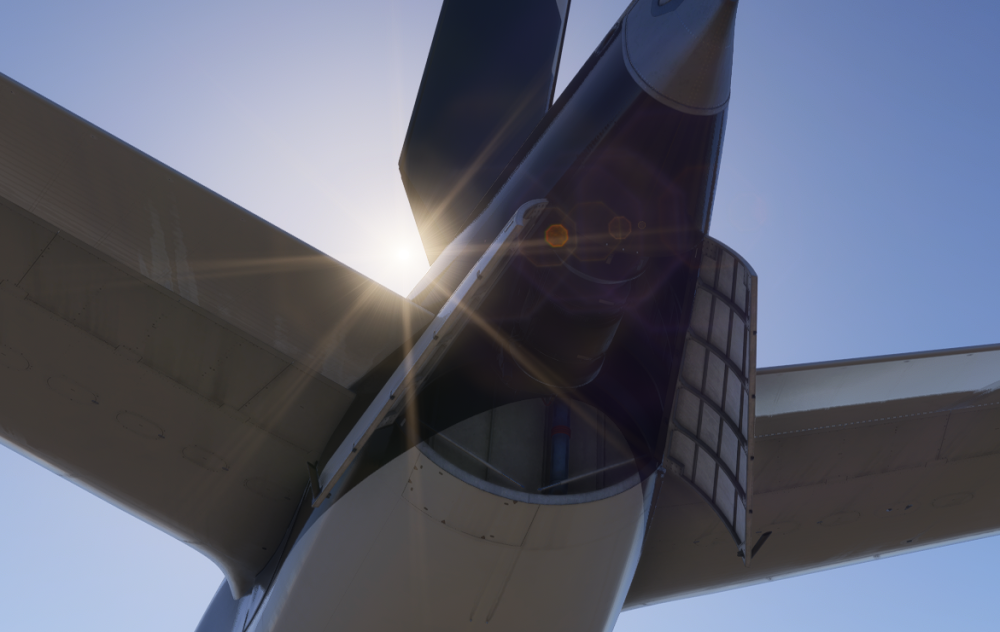
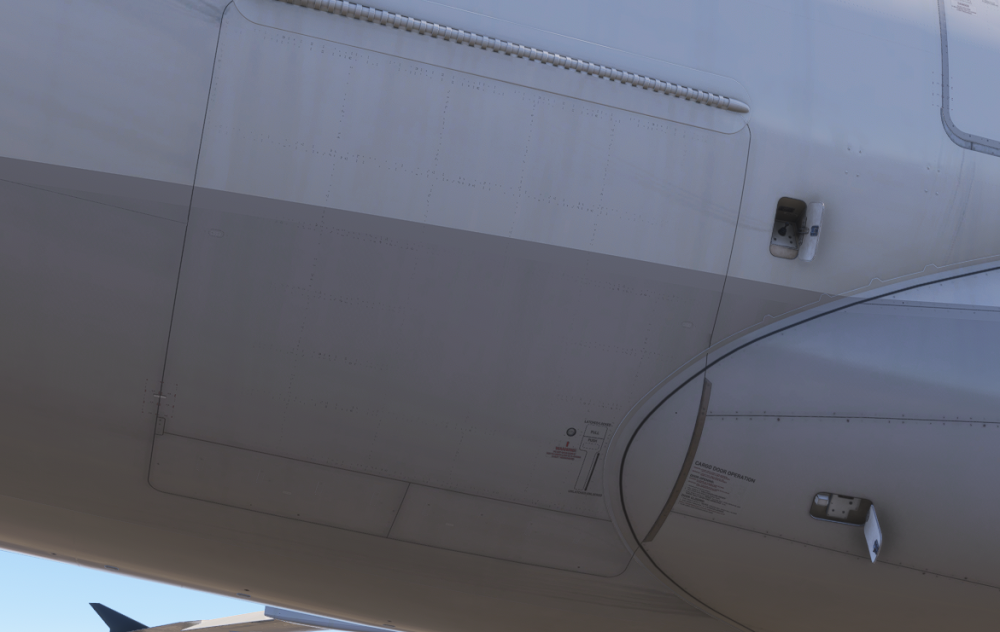
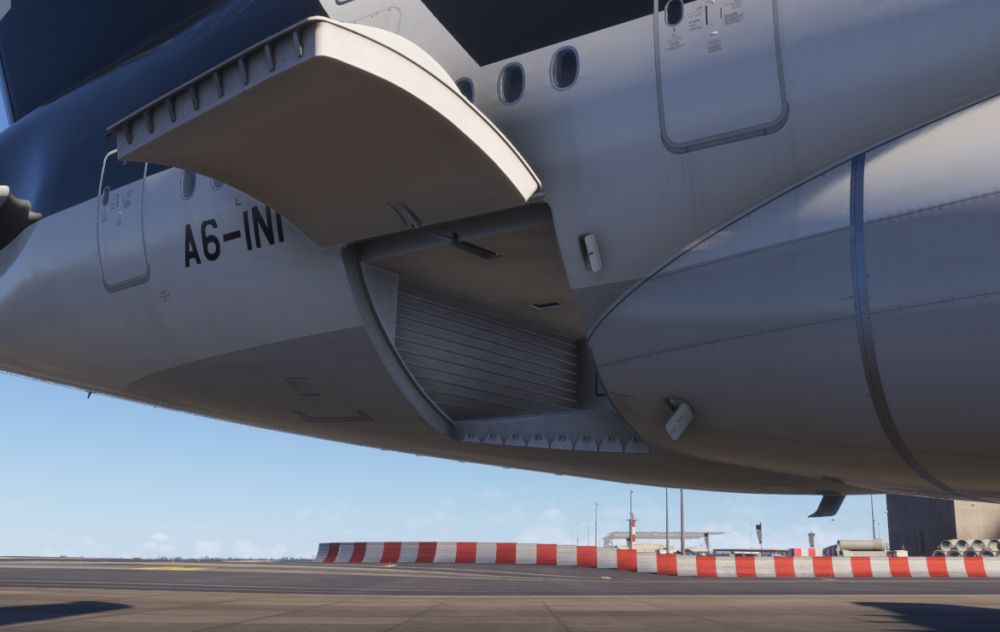
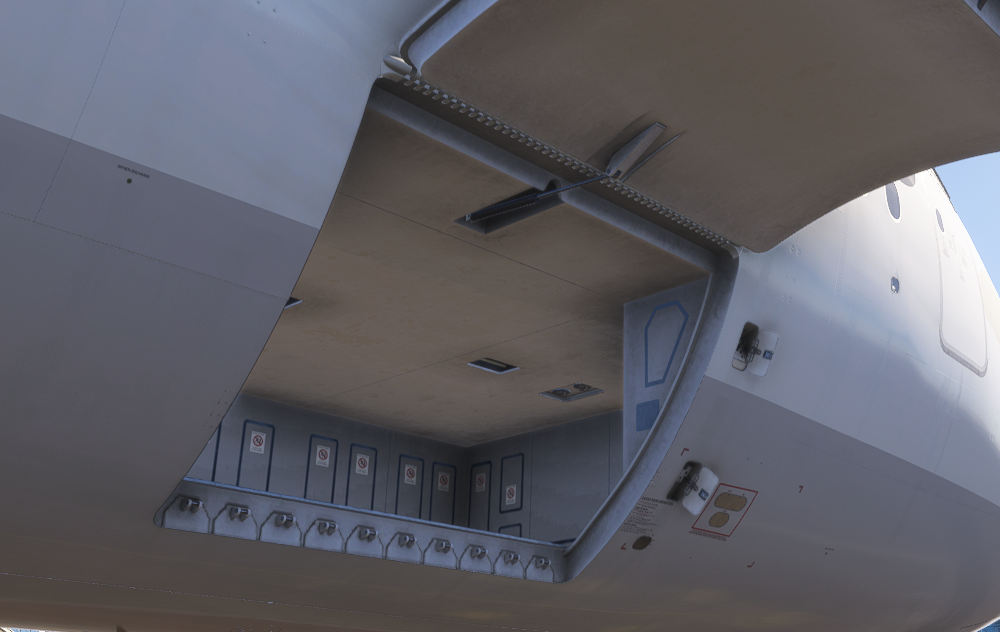
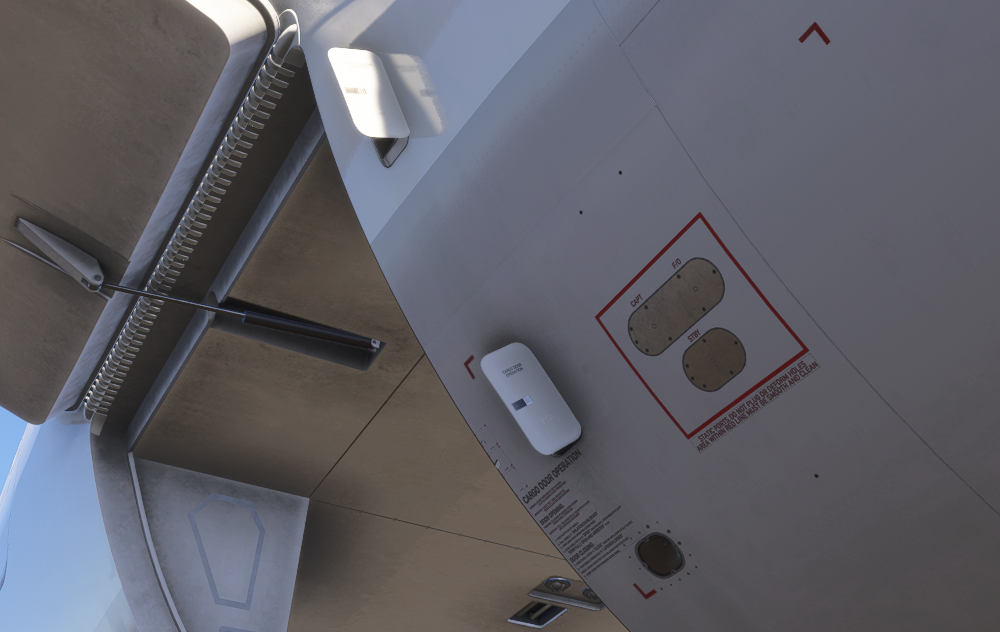
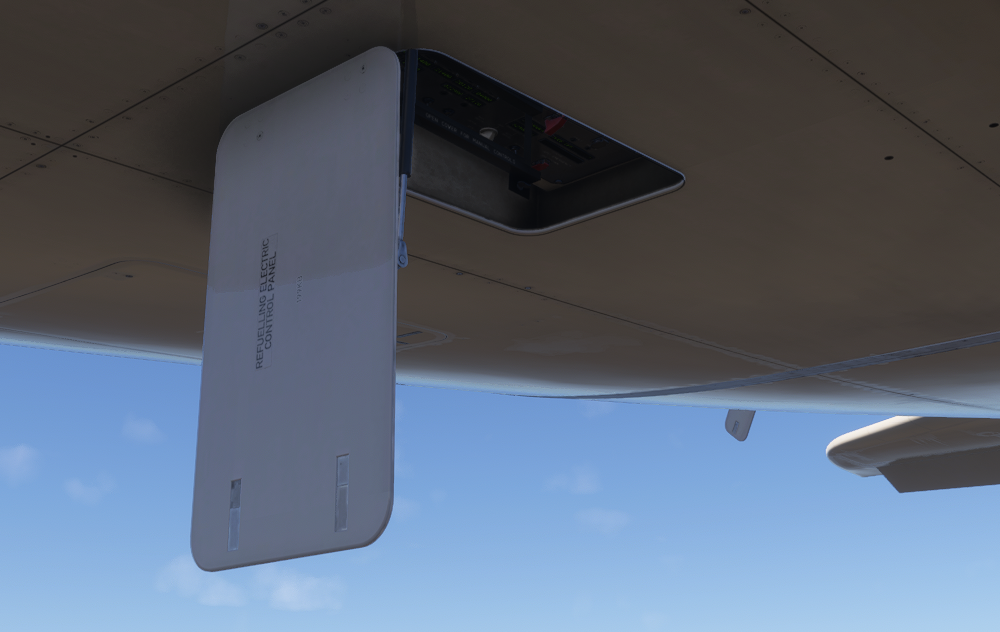
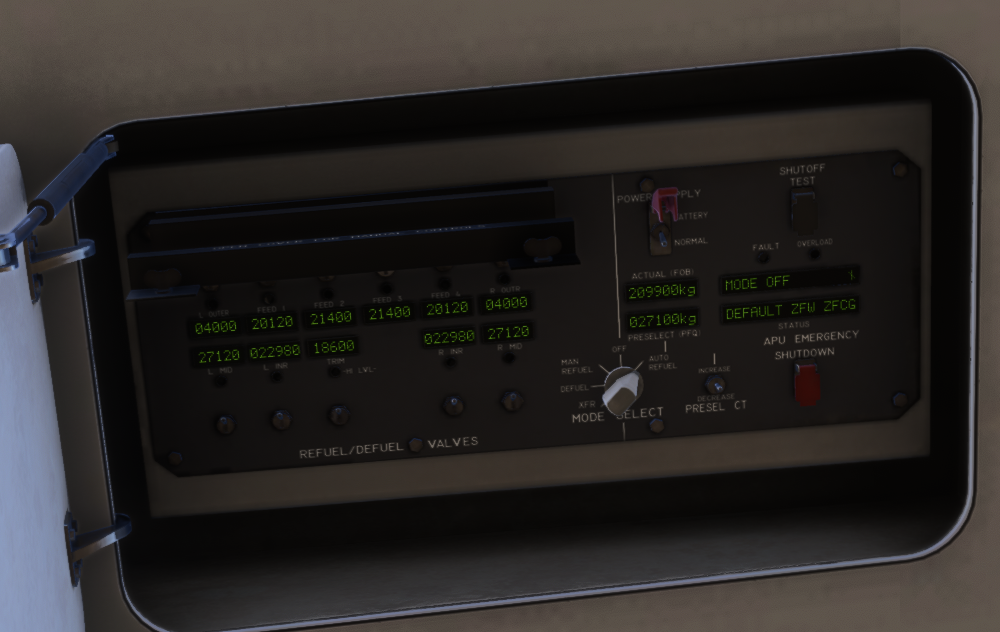
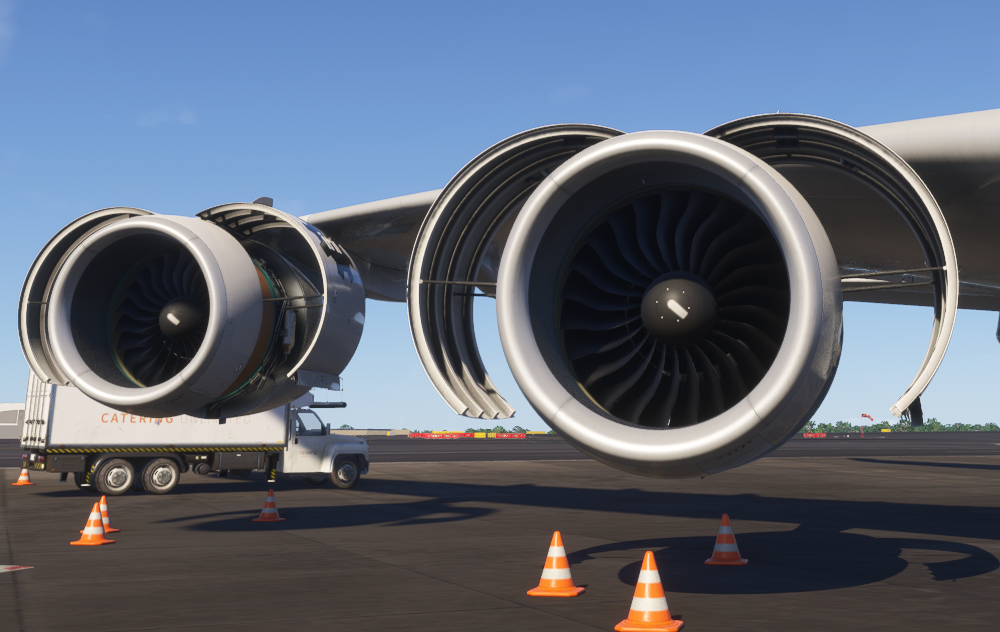
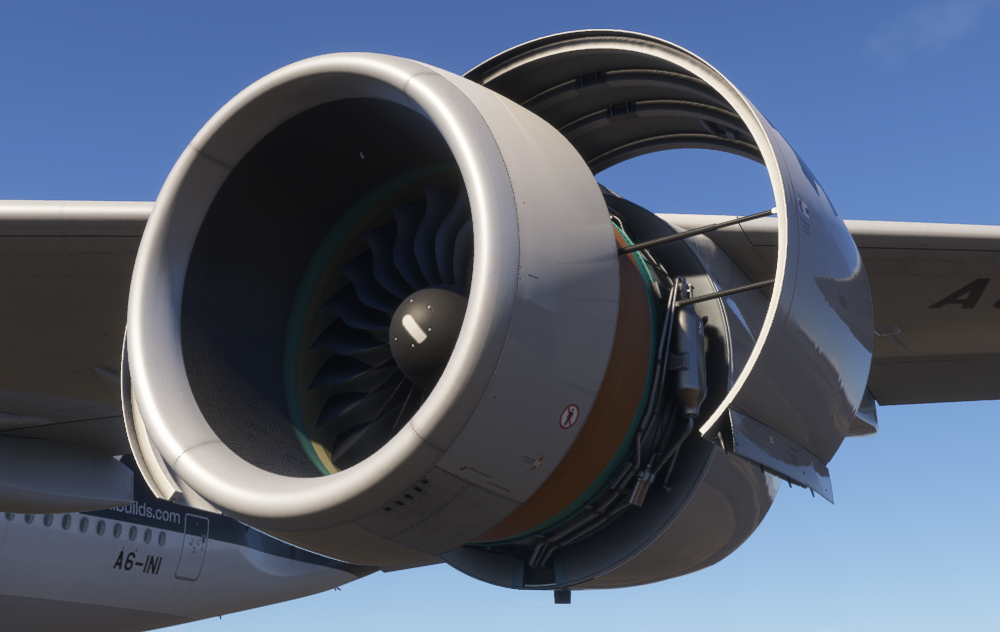
In MSFS 2024, 'Preflight Walkaround' is the default first phase of a flight when you start 'cold and dark' from a parking spot / ramp. Your pilot character spawns close to the currently selected aircraft, and it is possible to walk around and interact with various doors, panels and hatches. Exiting WalkaroundYou may exit the pre-flight walkaround at any time by clicking on the door handle or using the user-defined key bind for 'TAKE CONTROL OF CHARACTER' (Default: Shift+C). Control Settings - Keybind for Entering/Exiting 'Preflight' mode Walkaround InteractionsOn the iniBuilds A380 Airliner for MSFS 2024 there are a few doors, hatches or service door panels that open conditionally or via interactions in this mode: Engine Covers Air Conditioning Panel Doors - Connects Air Conditioning Unit (ACU) and Hoses Ground Air Conditioning Engine Starting Panel Door - Connects Air Starter Unit (ASU) and Hoses Ground Electrical Panel Door - Connects GPU and cables Waste Water Service Panel Door - Also operated by GSX AFT Cargo Door Operation Panel Door - Also operated by GSX FWD Cargo Door Operation Panel Door - Also operated by GSX Refuelling Electric Control Panel Door APU Maintenance Door Engine Cowling Hatches - Press to Open/Close each engine's cowlings

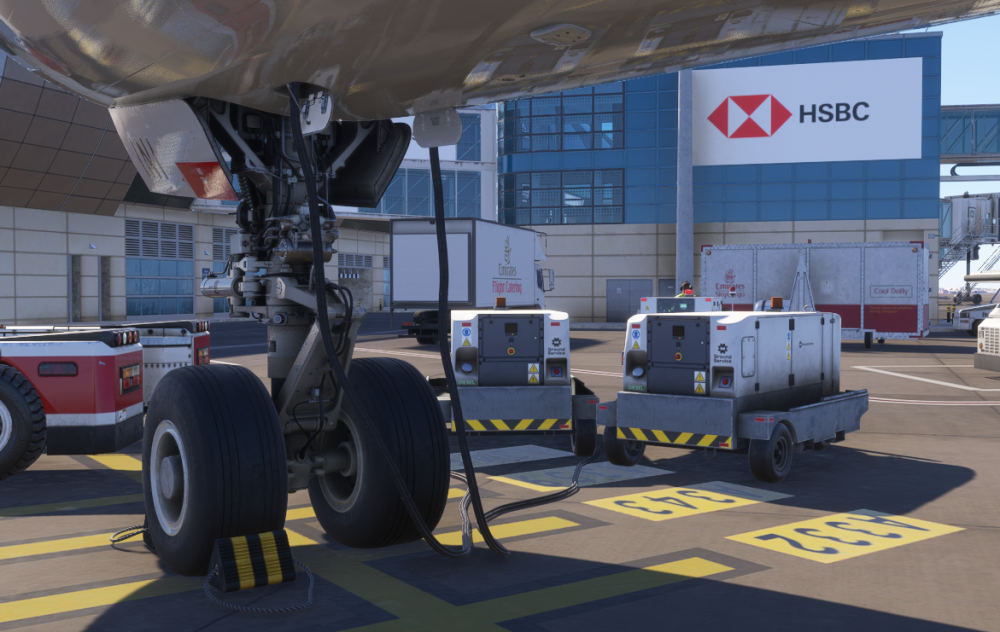
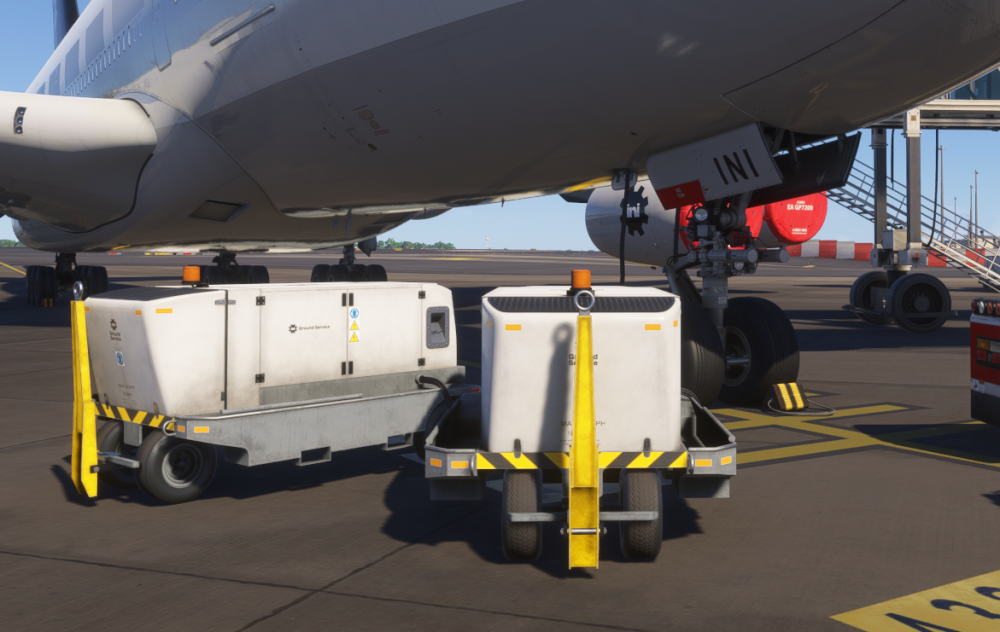
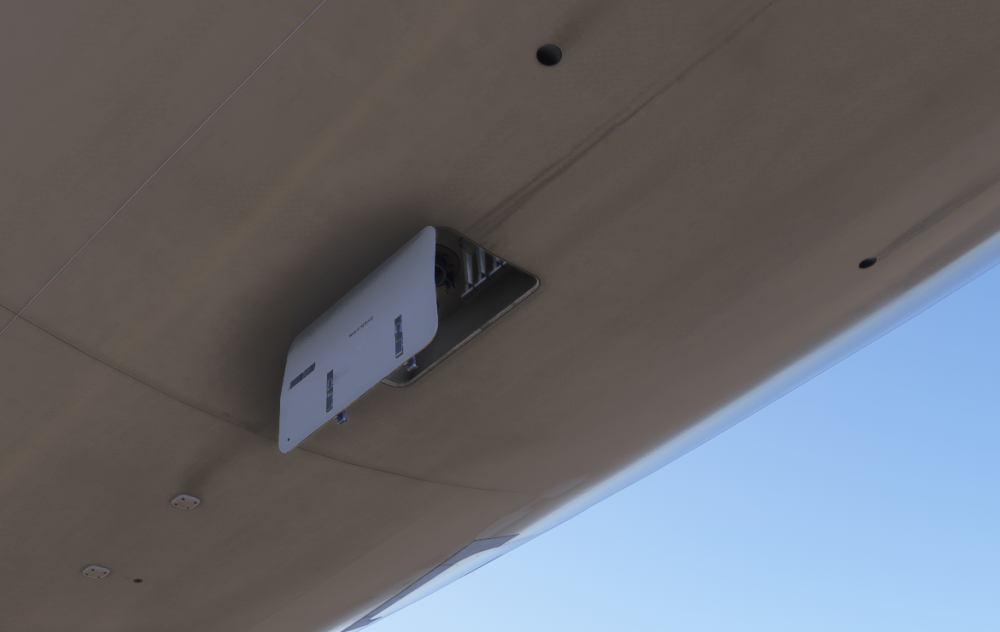
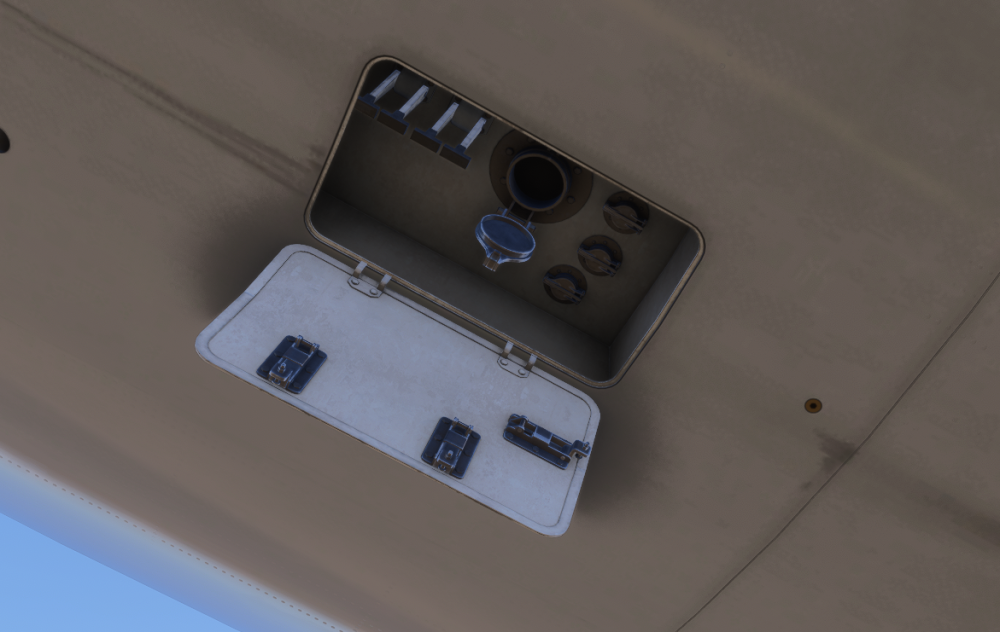
-
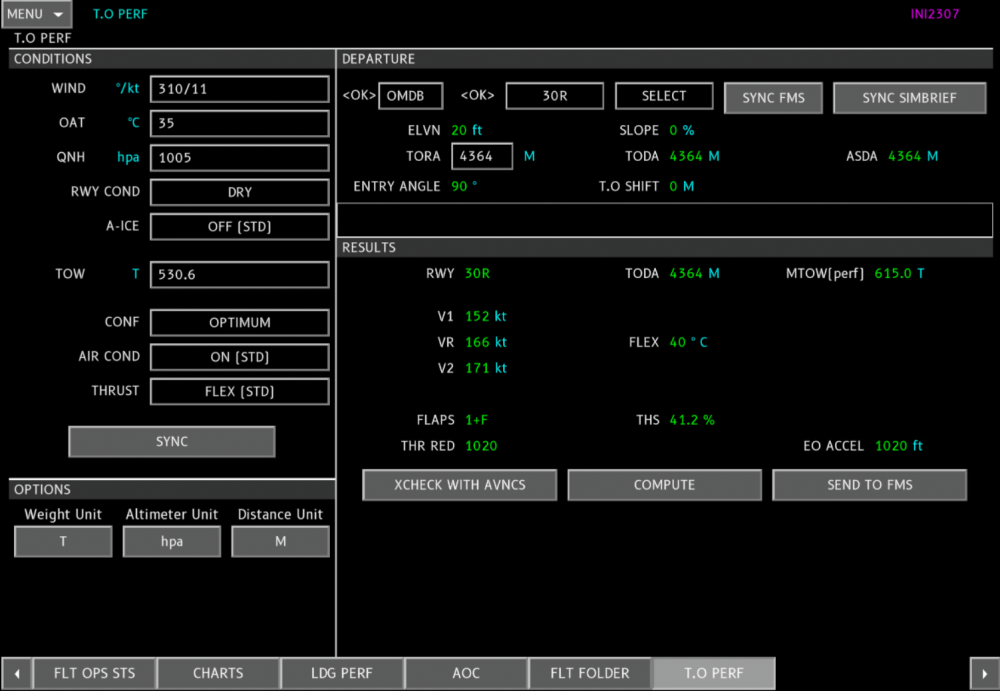
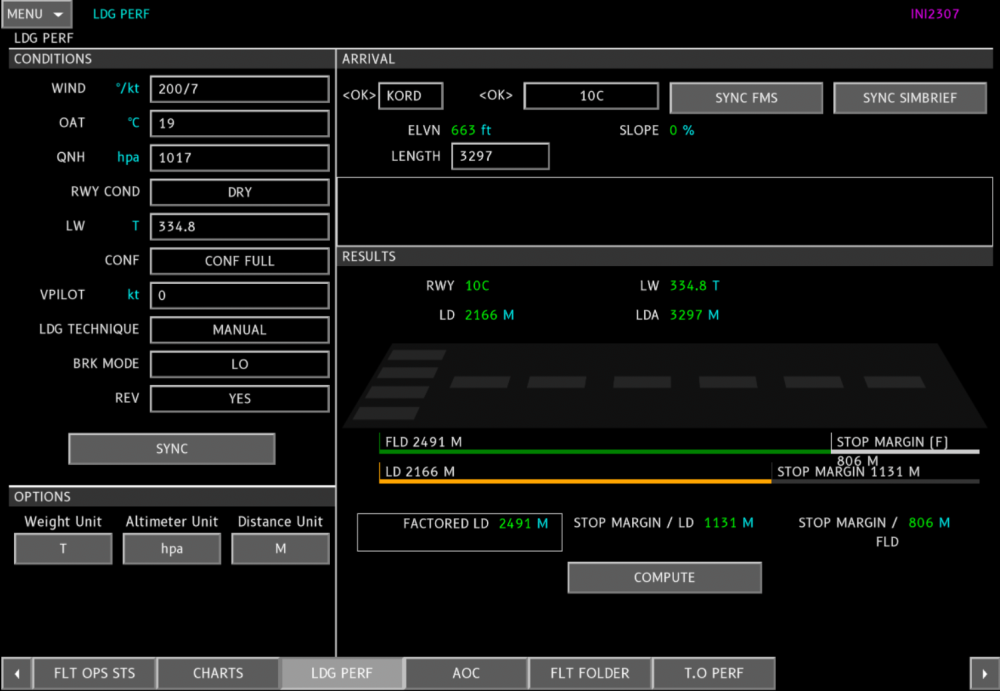
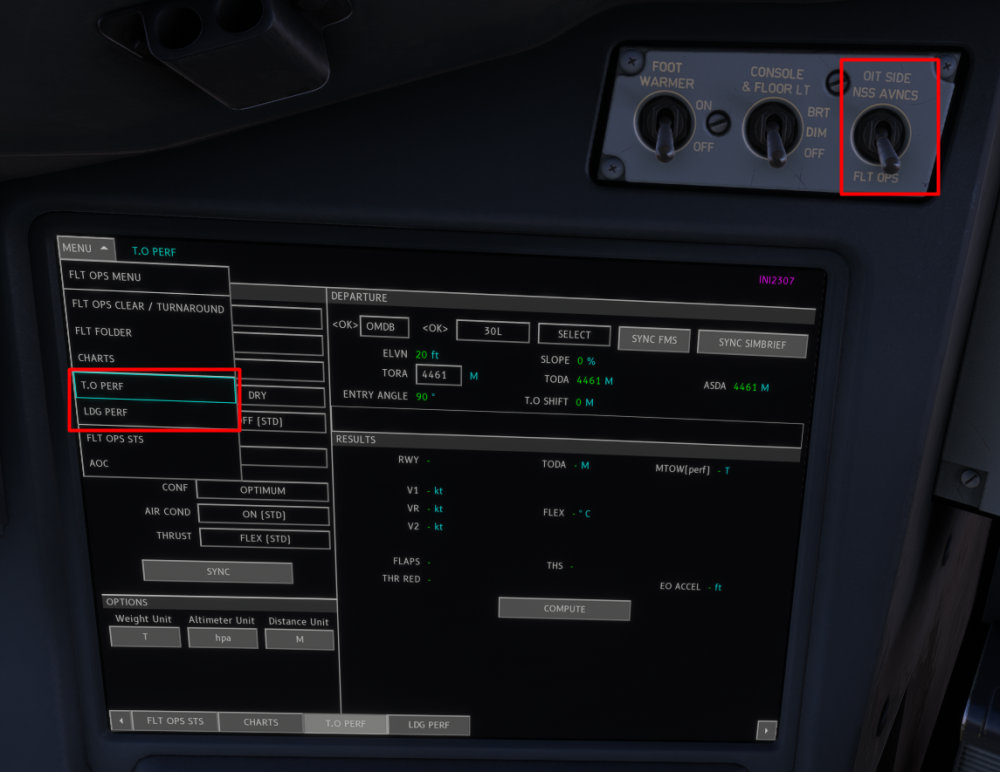
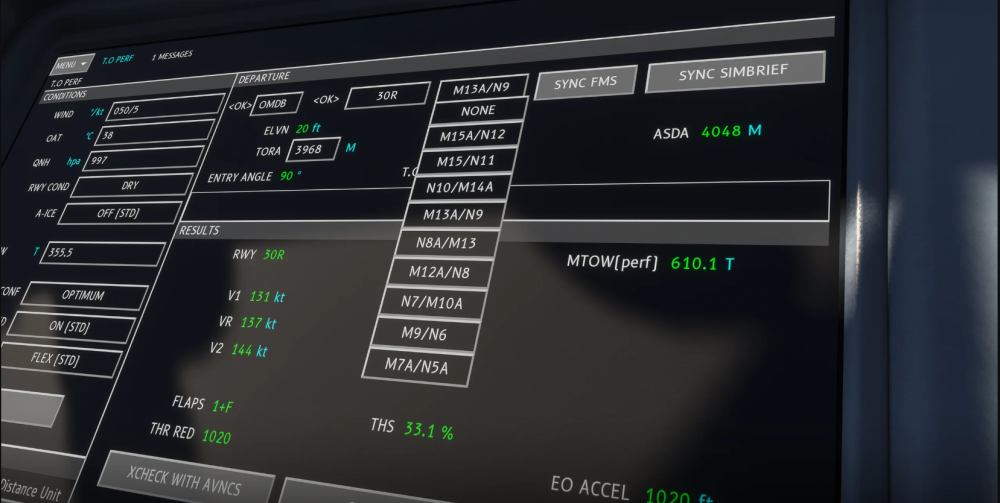
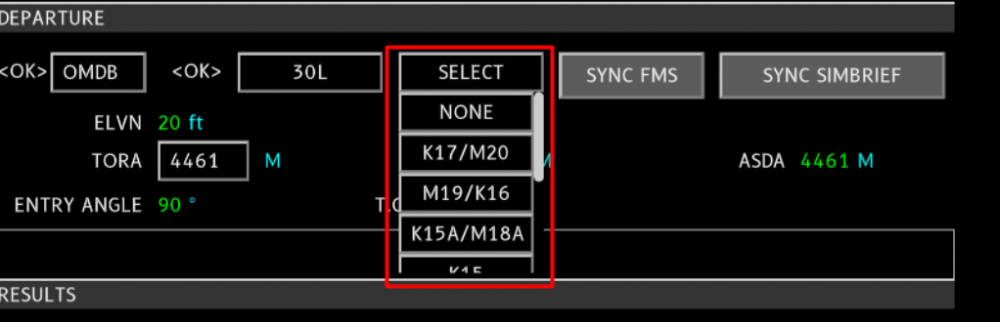
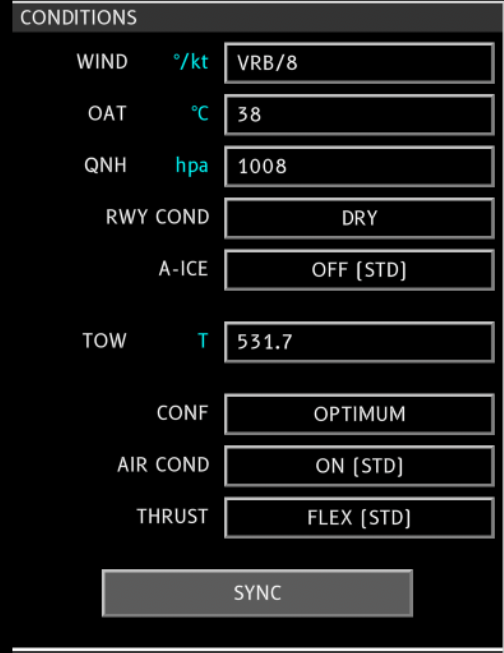
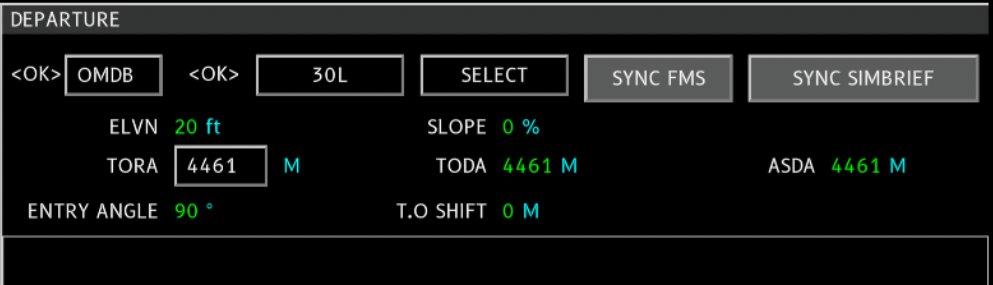
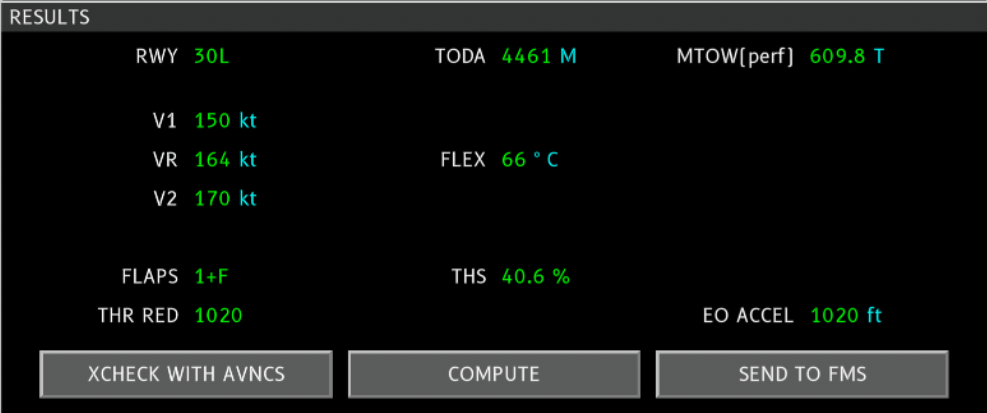
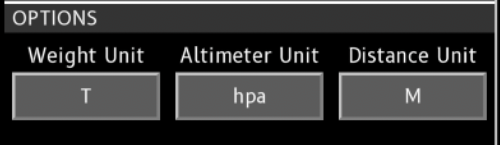
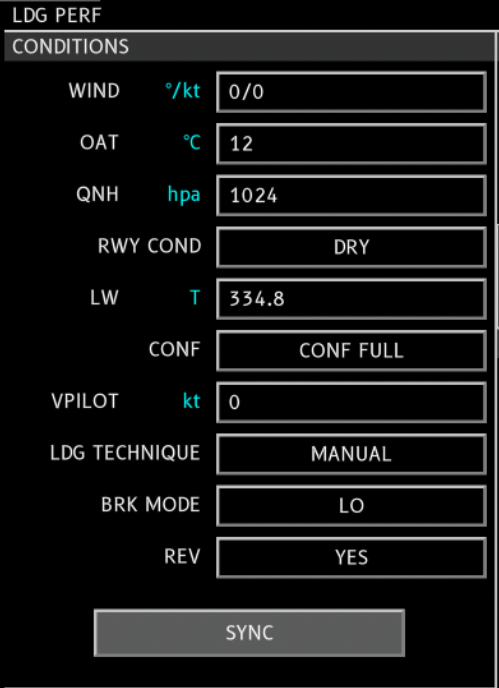
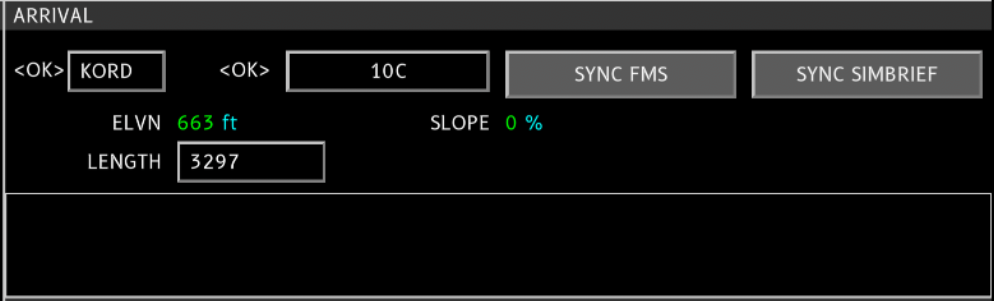
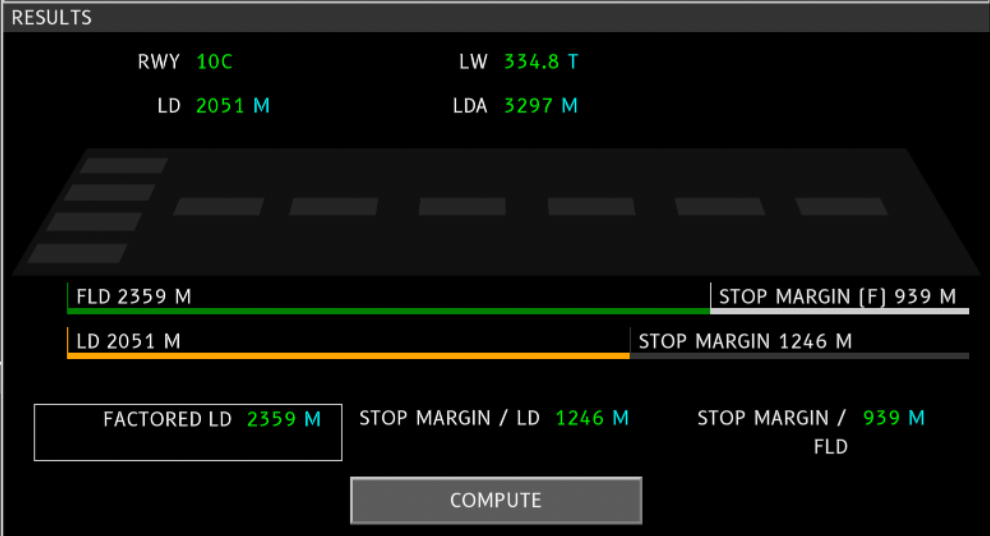
On the iniBuilds A380 Airliner you can run Take-off and Landing Performance calculations directly on the On-board Information Terminal (OIT) via the T.O PERF and LDG PERF pages, accessible while it is in FLT OPS mode. (Click to enlarge image) ACCESSING PERFORMANCE PAGESFrom the OIT Side Console Switch, ensure you are in FLT OPS mode. Use the MENU drop-down at the top left corner of the screen to select either T.O PERF or LDG PERF. Use the tab bar at the bottom of the screen to switch between open pages. (Click to enlarge image) UNIT OPTIONSLocated in the bottom-left corner of both the T.O PERF and LDG PERF pages, the OPTIONS panel allows you to customize the unit of measurement used throughout each page's data fields and results. WEIGHT UNIT: Toggle between T (Metric Tonnes) and LBS (x1000 Pounds) for all weight-related fields (e.g., TOW, LW, MTOW). ALTIMETER UNIT: Toggle between hPa and inHg for QNH entry. DISTANCE UNIT: Toggle between M (Metres) and FT (Feet) for all distance-related fields and results (e.g., TORA, LDA, Stop Margins). Note: These unit preferences are independent of your FMS/EFIS/EFB unit settings. Units changed here only affect the display on the OIT Performance pages so you can adjust them to match your preferred reference or airport documentation. For changing FMS/EFIS/EFB units, please refer to How to - Change Weight Units (KG/LBS) guide (Click to enlarge image) TAKEOFF PERFORMANCE PAGEThe white outlined boxes denote mandatory data fields that must be filled in before you can COMPUTE a take-off performance calculation. CONDITIONSThis data can be filled in manually or automatically via the SYNC button at the bottom of the panel. Pressing SYNC will populate the mandatory fields with: Latest METAR for the selected Departure airport (WIND, OAT, QNH) Current Aircraft Gross Weight (TOW) You can then customize the remaining conditions to best fit your scenario: RWY COND: Choose expected runway condition from DRY or WET A-ICE: Choose desired anti-ice setting from OFF [STD], ON [ENG], or ON [ENG & WING] CONF: Choose the Flaps configuration from OPTIMUM, 1+F, 2, or 3. OPTIMUM will let the system select the best flap setting for you - alternatively, try different configurations manually if OPTIMUM fails to produce a desired result. AIR COND: Choose ON [STD] or OFF depending on whether you intend to use Packs during takeoff. Consider a Packs OFF departure when extra engine performance is needed (high altitude, temperature, or weight). THRUST: Choose from FLEX [STD] or TOGA. Consider TOGA when extra engine performance is required. (Click to enlarge image) DEPARTUREYou must select your DEP airport (ICAO Code) and runway to obtain the TORA, ELVN, SLOPE, and other data necessary to compute Take-off performance. This can be entered: Manually via the on-screen keyboard, OR Via an import from your FMS data (SYNC FMS) if the INIT has been completed and a DEP airport selected, OR Via an import from your Simbrief OFP (SYNC SIMBRIEF) Note: The 'SYNC SIMBRIEF' feature requires you to set up your Simbrief Pilot ID (numbers only) on the EFB Third Party settings page. Your Simbrief Pilot ID can be found on the 'Account Settings' page on the Simbrief.com website. Click the SIMBRIEF USER ID text field and enter your ID using the on-screen keyboard. Once your airport and runway are correctly loaded, you will see <OK> displayed next to each field. (Click to enlarge image) You can also select your desired intersection after selecting the runway to update the TORA data accordingly. (Click to enlarge image) RESULTSOnce all mandatory CONDITIONS and DEPARTURE fields are filled in and validated, press COMPUTE to generate a take-off performance result. Key outputs include: V-SPEEDS: V1 / VR / V2 FLEX: Flex Thrust Temperature MTOW [PERF]: The maximum takeoff weight for the presently input CONDITIONS data FLAPS: The computed/selected takeoff flap configuration THS: Trimmable Horizontal Stabilizer setting THR RED / EO ACCEL: Thrust reduction and Engine-Out acceleration altitudes You can press XCHECK WITH AVNCS to cross-check the computed data against onboard avionics, or press SEND TO FMS to uplink this data directly to the FMS PERF page for use during your takeoff. (Click to enlarge image) LANDING PERFORMANCE PAGEThe white outlined boxes denote mandatory data fields that must be filled in before you can COMPUTE a landing performance calculation. CONDITIONSThis data can be filled in manually or automatically via the SYNC button at the bottom of the panel. Pressing SYNC will populate the mandatory fields with: Latest METAR for the selected Arrival airport (WIND, OAT, QNH) Estimated aircraft landing Gross Weight from the FMS (LW) You can then customize the remaining conditions to best fit your scenario: RWY COND: Choose the current runway condition - DRY, GOOD, MEDIUM. This affects your landing distance and braking action. CONF: Choose from Flaps CONF FULL or CONF 3. CONF 3 allows you to carry more energy into your approach and is recommended in cases of reported windshear and/or severe turbulence. VPILOT: The extra speed margin you intend to add over your VAPP, typically used in gusty or windy conditions. LDG TECHNIQUE: Choose from MANUAL or AUTOLAND. Manual landing figures are based on a threshold speed of Vls. Autoland figures are based on Vls + autothrust increment (5kts). BRK MODE: Choose from LO, 2, 3 or HI. Set it to the same as your intended AUTO BRK setting. REV: Choose YES or NO depending on your intended use of reverse thrust upon landing. (Click to enlarge image) ARRIVALYou must select your ARR airport (AIRP) and runway to obtain the LENGTH, ELVN, SLOPE, and other data necessary to compute Landing performance. This can be entered: Manually via the on-screen keyboard, OR Via an import from your FMS data (SYNC FMS) if the INIT has been completed and an ARR airport selected, OR Via an import from your Simbrief OFP (SYNC SIMBRIEF) Note: The 'SYNC SIMBRIEF' feature requires you to set up your Simbrief Pilot ID (numbers only) on the EFB Third Party settings page. Your Simbrief Pilot ID can be found on the 'Account Settings' page on the Simbrief.com website. Click the SIMBRIEF USER ID text field and enter your ID using the on-screen keyboard. Once your airport and runway are correctly loaded, you will see <OK> displayed next to each field. (Click to enlarge image) RESULTSOnce all mandatory CONDITIONS and ARRIVAL fields are filled in, press COMPUTE to generate a landing performance result. Key outputs include: LW: Landing Weight used in the calculation LD: Computed Landing Distance LDA: Total Landing Distance Available for the selected runway per the database FACTORED LD (FLD): Your demonstrated landing distance for the given configuration and weather conditions, inclusive of additional safety margins — essentially your "legal" landing distance STOP MARGIN / LD: Remaining runway distance beyond the computed stopping point using the unfactored Landing Distance STOP MARGIN / FLD: Remaining runway distance beyond the computed stopping point using the Factored Landing Distance The graphical runway bar at the center of the RESULTS panel provides a visual representation of your LD and FLD relative to the selected runway length, with STOP MARGIN values displayed alongside each. (Click to enlarge image)

-
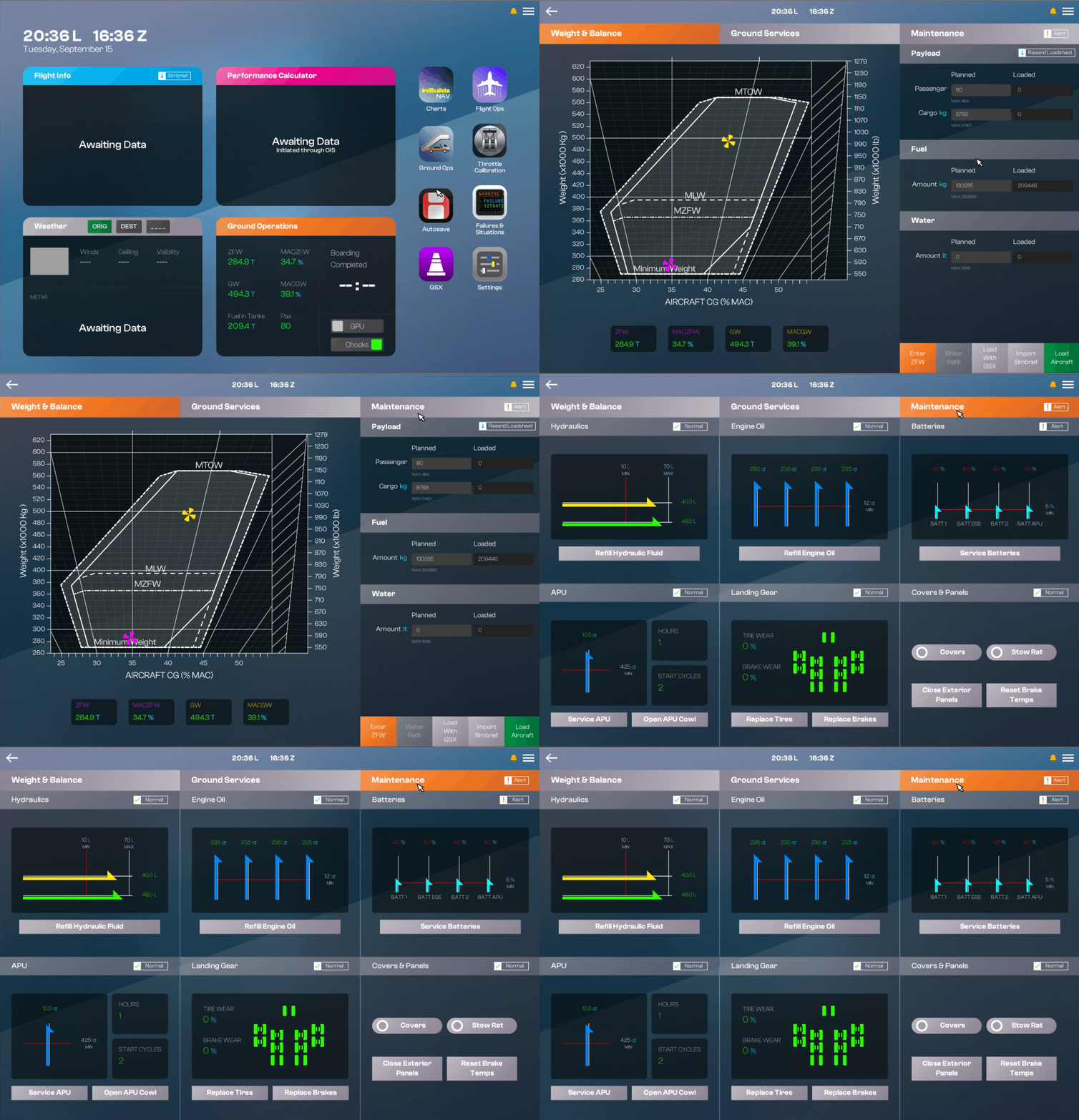
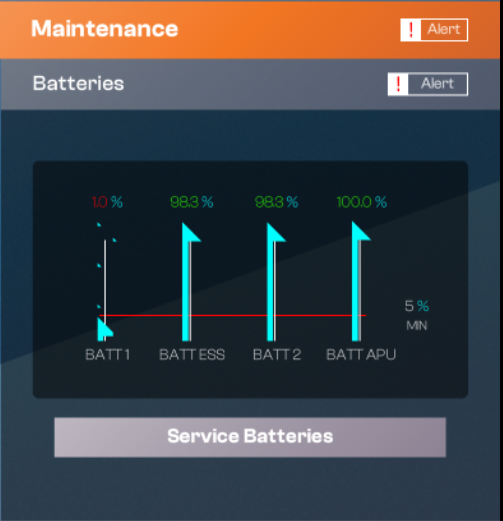
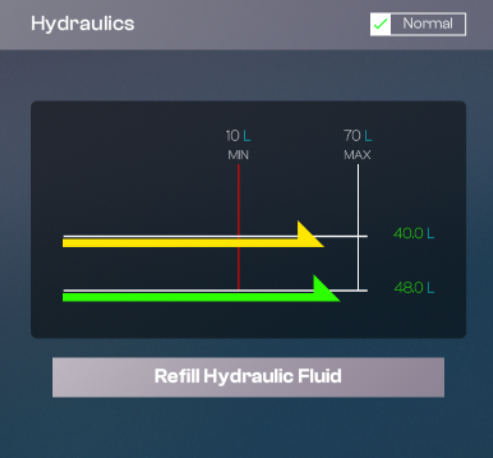
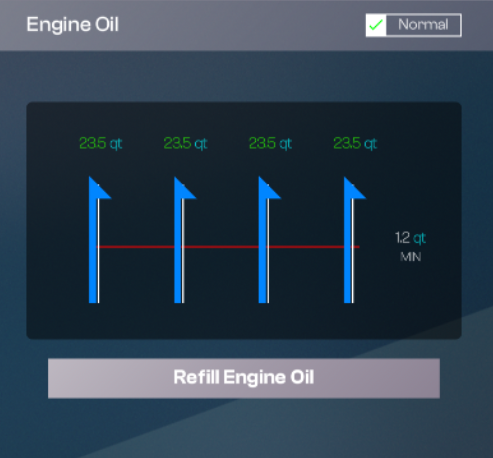
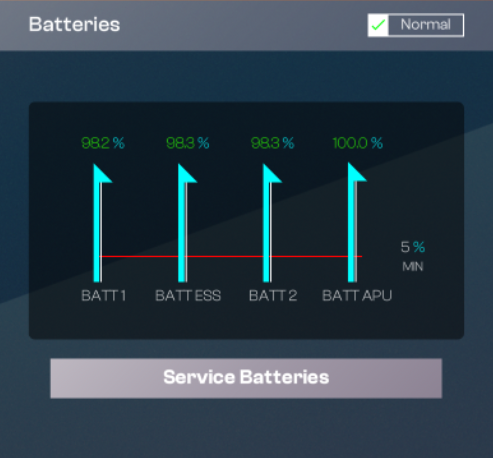
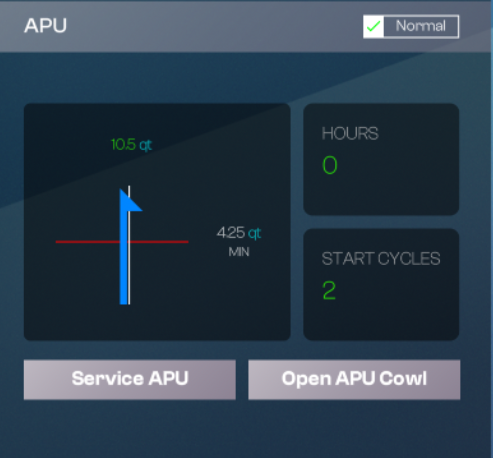
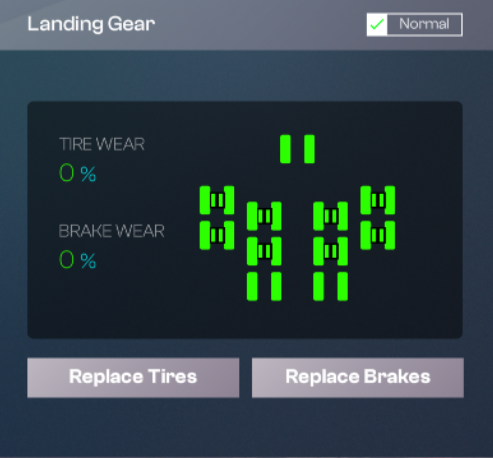
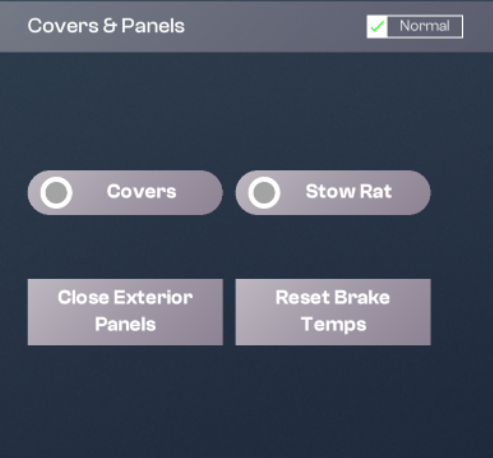
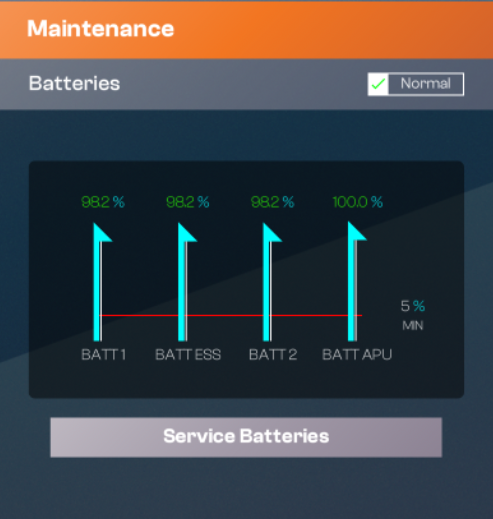
Keep your aircraft in top condition between flights. The Maintenance page allows you to monitor and service key aircraft systems directly from the Electronic Flight Bag (EFB) without leaving the flight deck. How to AccessOpen the EFB and navigate to Ground Operations. Select the Maintenance tab. (Click to enlarge image) Available Maintenance ActionsHydraulicsDisplays current hydraulic fluid quantity against MIN/MAX thresholds. Refill Hydraulic Fluid: Tops up the hydraulic reservoir to full. Engine OilDisplays oil quantity for each of the four engines against the minimum threshold. Refill Engine Oil: Tops up oil quantity across all engines. BatteriesDisplays charge percentage for BATT 1, BATT ESS, BATT 2, and BATT APU against the minimum threshold. Service Batteries: Recharges all aircraft batteries to full capacity. (Click to enlarge image) APUDisplays APU oil quantity, operating hours, and start cycles. Service APU: Tops up APU oil quantity. Open APU Cowl: Manually opens the APU cowl for inspection/servicing access. Landing GearDisplays tire wear and brake wear percentages across all wheels. Replace Tires: Resets tire wear to 0%. Replace Brakes: Resets brake wear to 0%. Covers & PanelsToggle switches and actions relating to external aircraft protection and panel states. Covers: Toggles engine/probe covers on or off. Stow Rat: Stows the Ram Air Turbine (RAT) if deployed. Close Exterior Panels: Closes any open exterior maintenance panels. Reset Brake Temps: Resets brake temperature readouts to a normal operating baseline. (Click to enlarge image) Status IndicatorsEach section (Hydraulics, Engine Oil, Batteries, APU, Landing Gear, Covers & Panels) displays a status badge in its header: ✅ Normal: System is within normal operating parameters, no action required. ❗Alert: A system component has fallen below minimum thresholds and requires servicing. Use these indicators as a quick-reference checklist during your pre-flight walkaround or turnaround preparation. (Click to enlarge image) TipsPerform a full Maintenance check during Turnaround to ensure the aircraft is ready for its next sector. Top up fluids, service batteries, and replace worn tires/brakes as needed. Keep an eye on Landing Gear wear on short-haul, high-cycle operations, as tire and brake wear will accumulate faster with frequent takeoffs and landings. Remember to Stow RAT and Close Exterior Panels after any abnormal procedures or manual inspections before your next departure. Servicing actions (Refill/Replace/Service) are instant so there's no need to wait for a "real-world" servicing duration.

-
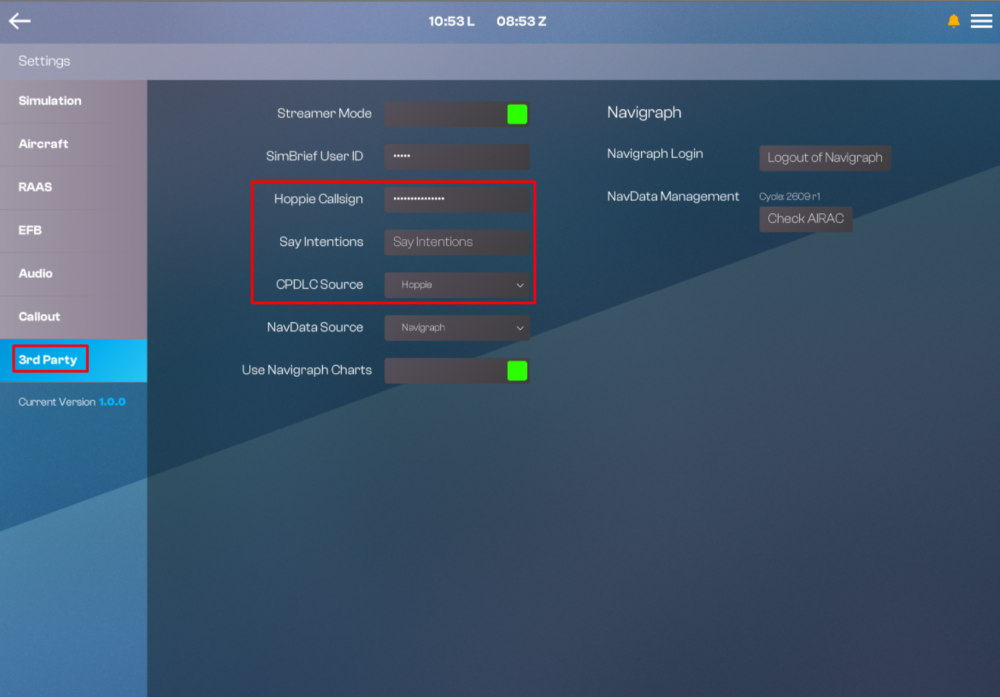
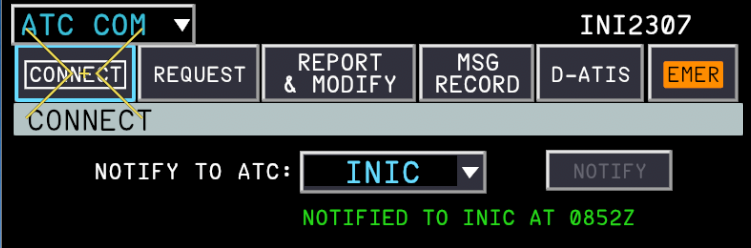
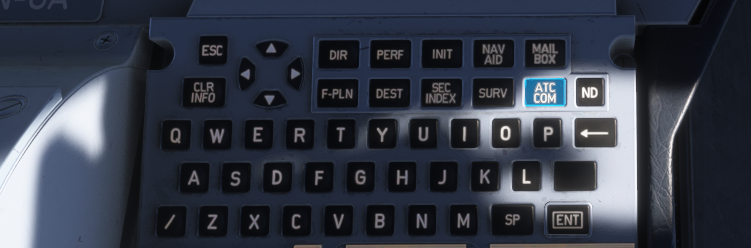
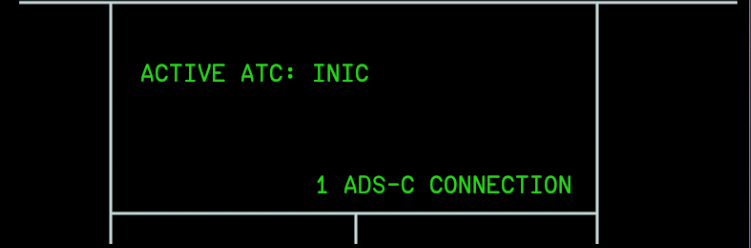
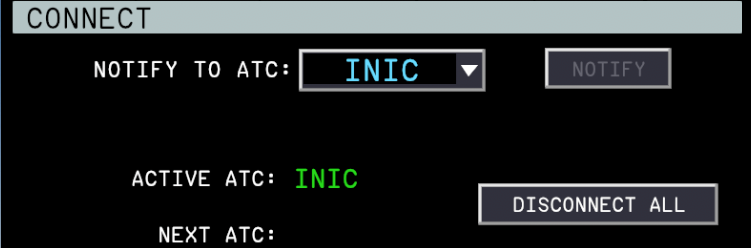
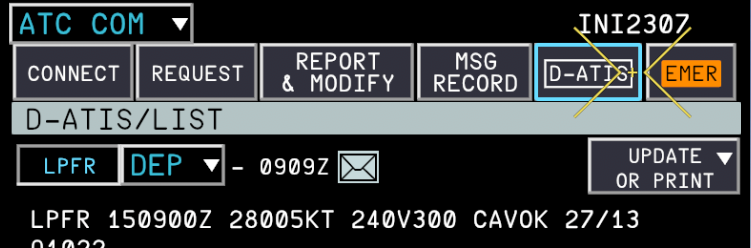
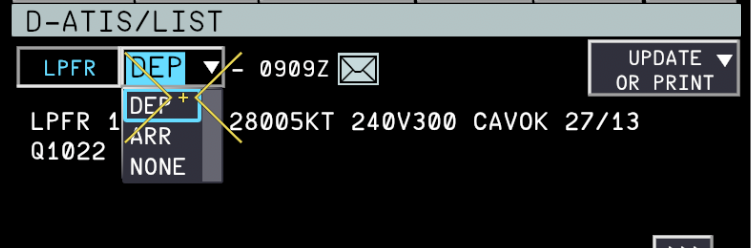
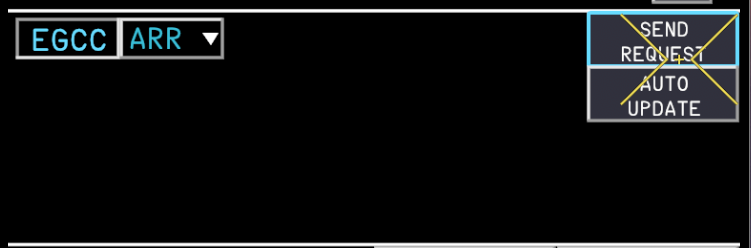
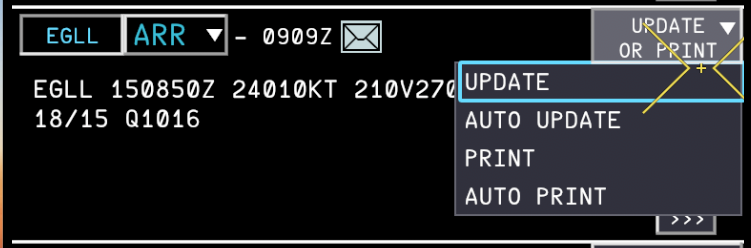
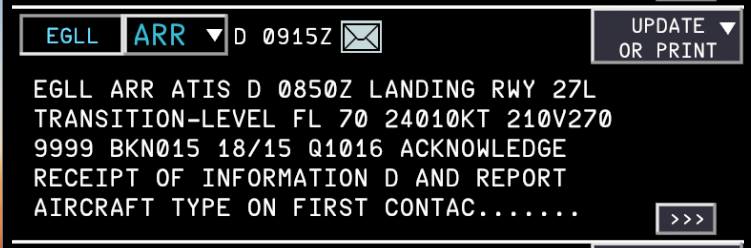
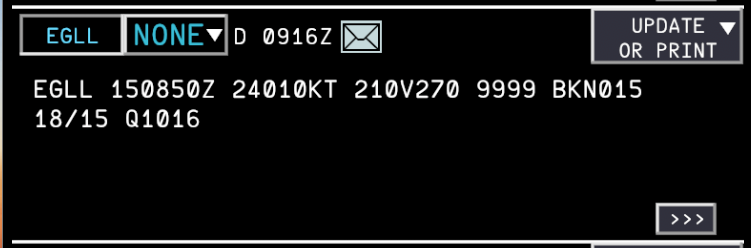
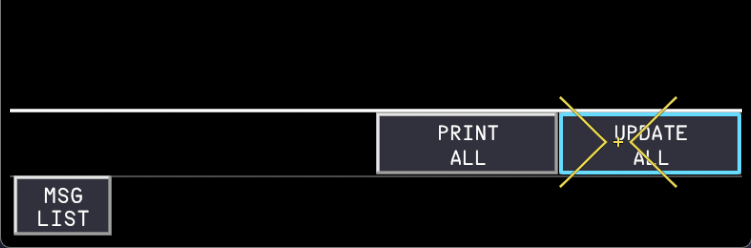
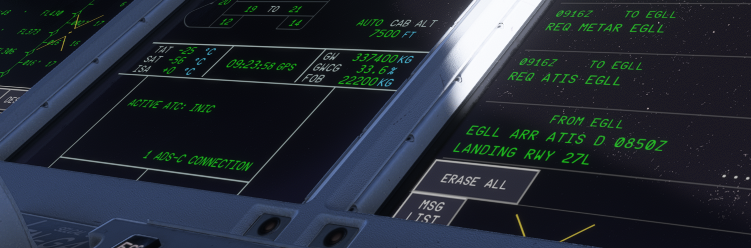
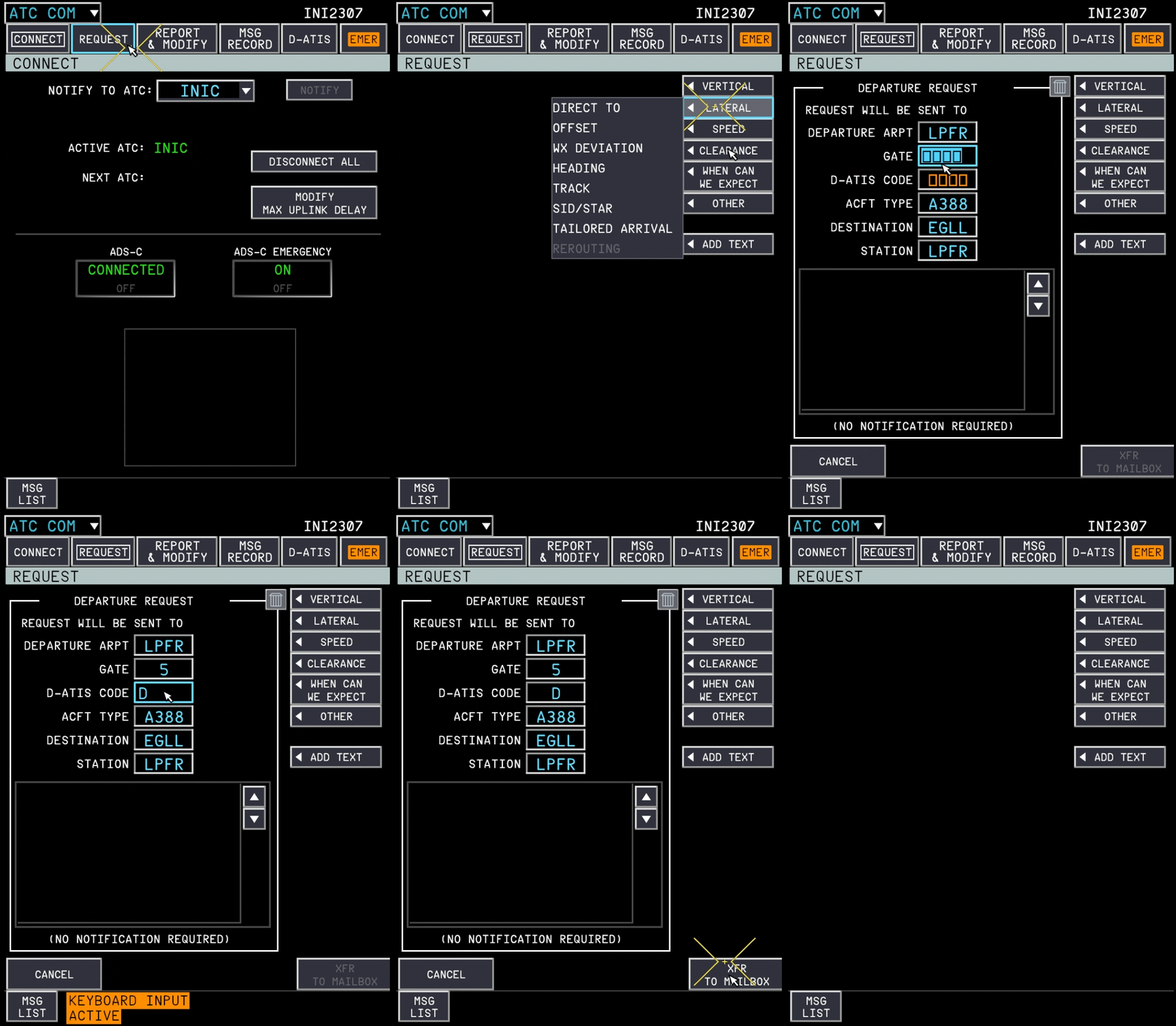
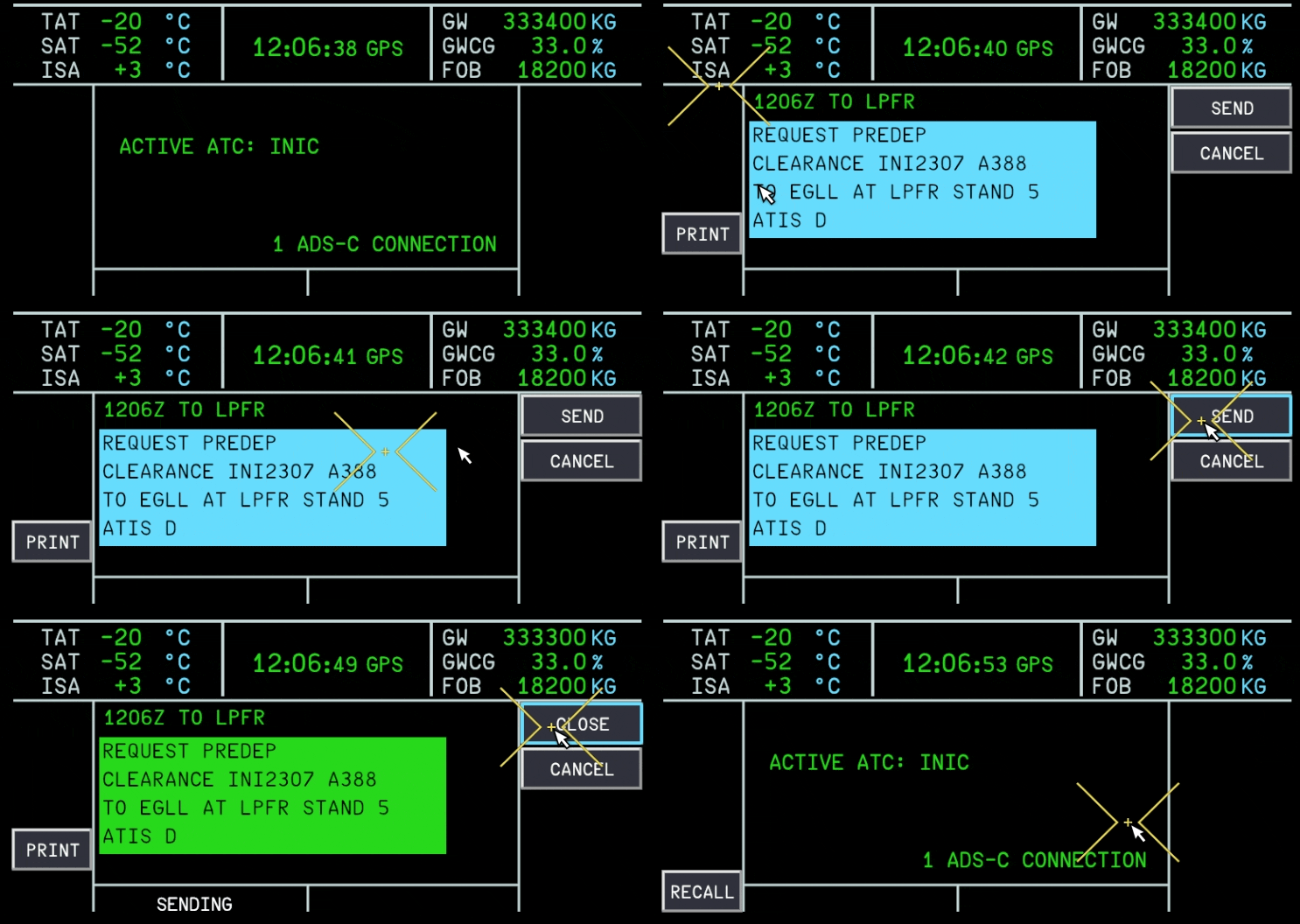
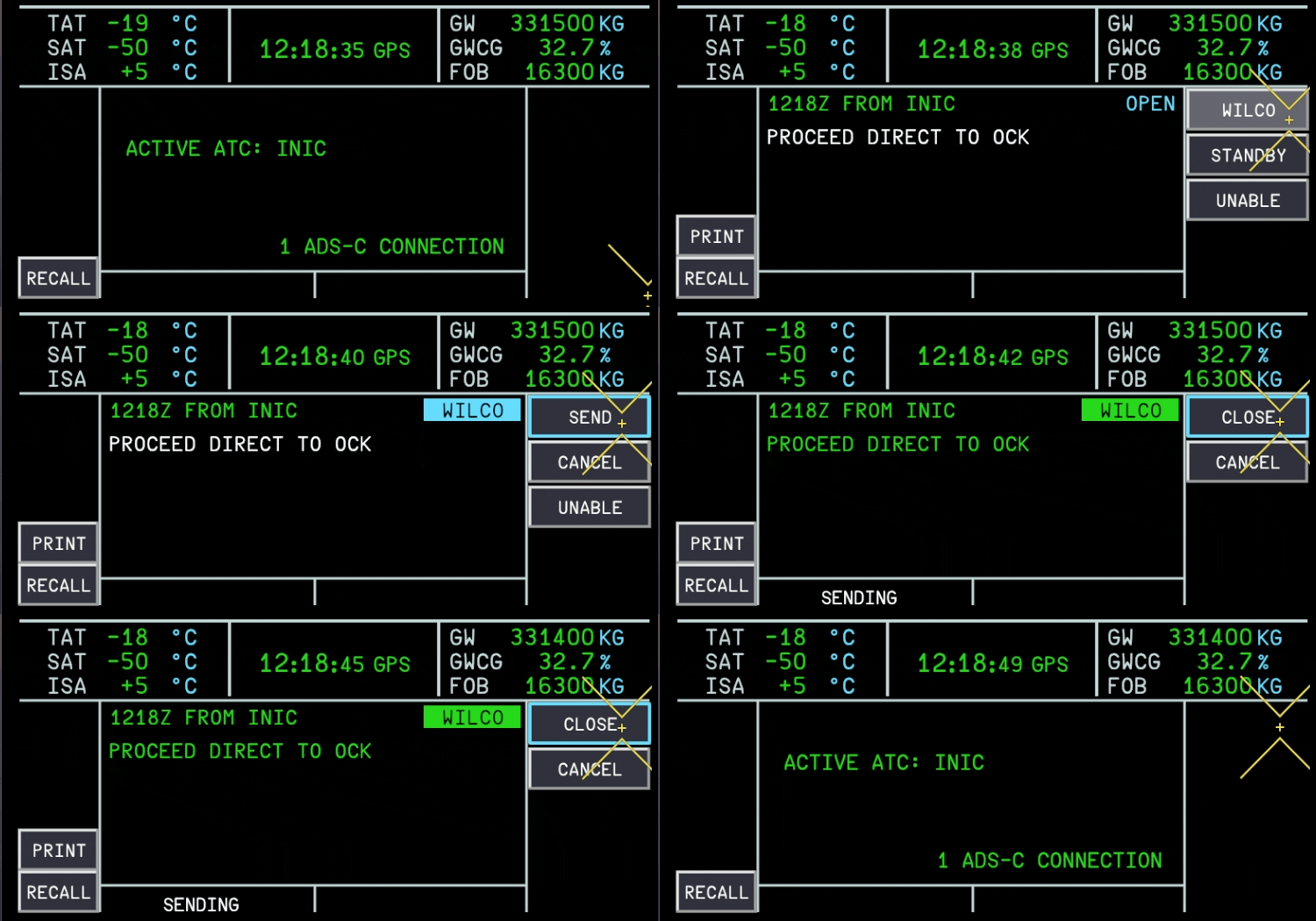
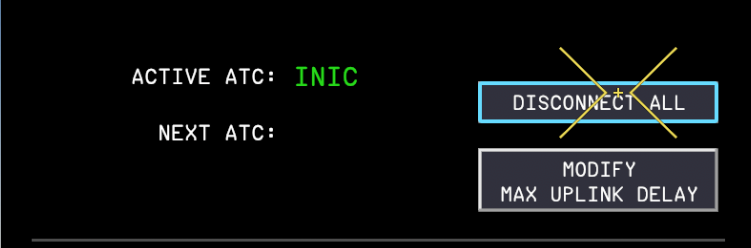
The iniBuilds A380 Airliner allows for in-sim CPDLC connections for use with online networks such as Vatsim/IVAO as well as popular 3rd-party ATC programs via a connection to the HOPPIE network. These connections are seamlessly integrated into the Multi-Function Display (MFD) ATC Communications (ATC COM) pages and functions to allow users to conduct the following tasks: Request Digital ATIS (D-ATIS) or METAR Communicate with ATC via CPDLC Setup - EFBTo set up your connection: Open the EFB and navigate to Settings > 3rd Party. Enter your - Hoppie Callsign in the designated field (this is your Hoppie Logon Code) or - Say Intentions ID in the corresponding field. These fields can be filled in manually using the on-screen keyboard, or you can paste your codes directly into the field. Under CPDLC Source, select your preferred provider from the dropdown: Hoppie SayIntentions BeyondATC Note: For VATSIM / IVAO / RealACARS, select Hoppie (Click to enlarge image) Operation - Connecting to a StationPress the ATC COM shortcut key on the KCCU to access the MFD ATC COM pages. Then go to the 'CONNECT' page. (Click to enlarge image) To connect to a station: Type the station ID in the 'NOTIFY TO ATC' field. Click the 'NOTIFY' button to send a connection request to the station. The status will update with a green 'NOTIFIED TO YYYY at XXXXZ' where YYYY is the station ID, and XXXX is the current ZULU time in the sim. Once a station is connected successfully, the 'NOTIFY' button will be greyed out and a green 'ACTIVE ATC: YYYY' status will be shown on the MAILBOX. (Click to enlarge image) Operation - Requesting D-ATIS / METARPress the ATC COM shortcut key on the KCCU to access the MFD ATC COM pages. Then: Select the D-ATIS tab to go to the D-ATIS page. Enter a 4-letter ICAO Code in the airport entry field. Select the request type from the dropdown - DEP: Departure ATIS if station is split between _DEP and _ARR or using an ATC Program (like BATC) - ARR: Arrival ATIS if station is split between _DEP and _ARR or using an ATC Program (like BATC) - NONE: Departure/Arrival ATIS if station is NOT split between _DEP and _ARR You can display D-ATIS for up to 3 airports at a time. Note: Once you have completed your FMS INIT page, these fields will be auto-filled by your Departure, Arrival, and Alternate airports. (Click to enlarge image) Click the SEND REQUEST button to request D-ATIS via your selected CPDLC source. You will then receive: METAR: if an ATIS station for that airport is offline, the latest published METAR will be received. ATIS: if an ATIS station for that airport is online, the latest DEP or ARR ATIS will be received. (Click to enlarge image) You can update the ATIS individually by pressing the respective 'UPDATE OR PRINT' button, or use UPDATE ALL to grab the latest information. You can also set AUTO UPDATE to update it periodically. (Click to enlarge image) Operation - Making an ATC RequestIn order to build a request message, you can use the predefined templates accessible via the REQUEST page. The empty fields contained in the templates indicate where you can enter complementary information. These fields must be filled in when they contain amber boxes. To make a message: Select the desired template from the REQUEST MENU. Select the desired option from the REQUEST SUB-MENU. Fill in any fields with amber boxes as these are mandatory. Click 'XFR TO MAILBOX' button to confirm the message and send to ATC. Or you can click the 'TRASH' icon to delete the current template. (Click to enlarge image) To send the message: Move your cursor to the 'MAILBOX' by pressing the MAILBOX shortcut key on the KCCU if it is not there already. Click the 'SEND' button. After a few seconds the message background will turn green and when successful the status will update to 'SENT'. The message will then disappear and the MAILBOX will return to the 'ACTIVE ATC' status page. (Click to enlarge image) Operation - Receiving an ATC InstructionWhenever you receive an incoming message/instruction from the connected ATC, you will be notified in the following ways: The blue ATC MSG button on the glareshield will flash continuously. The ATC MSG aural alert will play. You can reset this by pressing the blue ATC MSG button. The MAILBOX will show you the most recently received message, with the possible replies (e.g. WILCO/UNABLE) next to it. To reply to the ATC message or instruction: Click the desired reply (e.g. WILCO) to confirm it, then click 'SEND' to transmit the reply to ATC. The selected option and message will turn green and when transmitted successfully the status will update to 'SENT'. The message will then disappear and the MAILBOX will return to the 'ACTIVE ATC' status page. (Click to enlarge image) Operation - Disconnecting from a StationPress the ATC COM shortcut key on the KCCU to access the MFD ATC COM pages. Then go to the 'CONNECT' page. To disconnect from the station: Click the 'DISCONNECT ALL' button. (Click to enlarge image) (Click to enlarge image) Once a station is disconnected successfully: The 'NOTIFY' button will be white again. The MAILBOX will clear out.
-
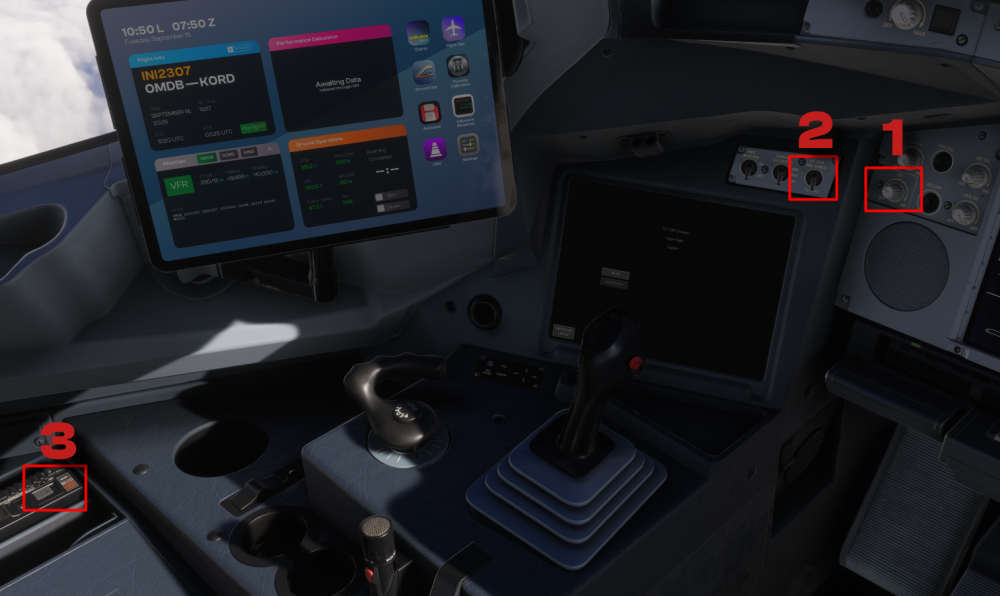
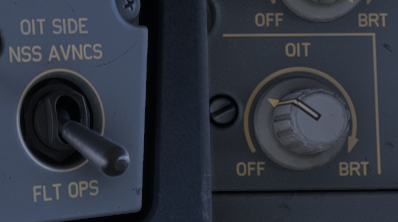
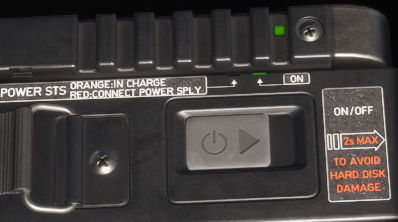
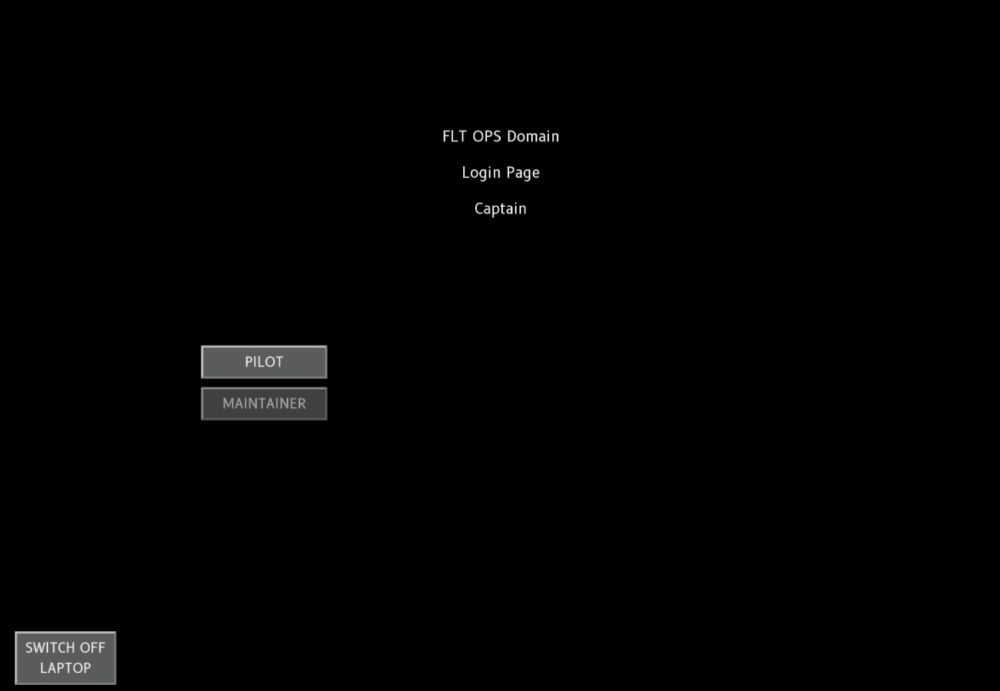
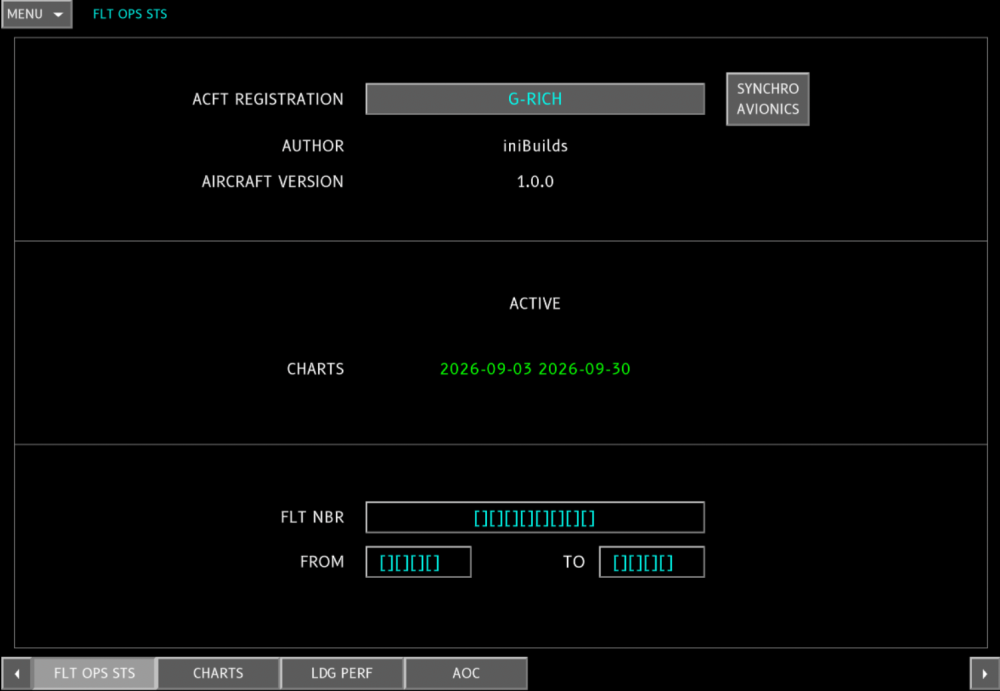
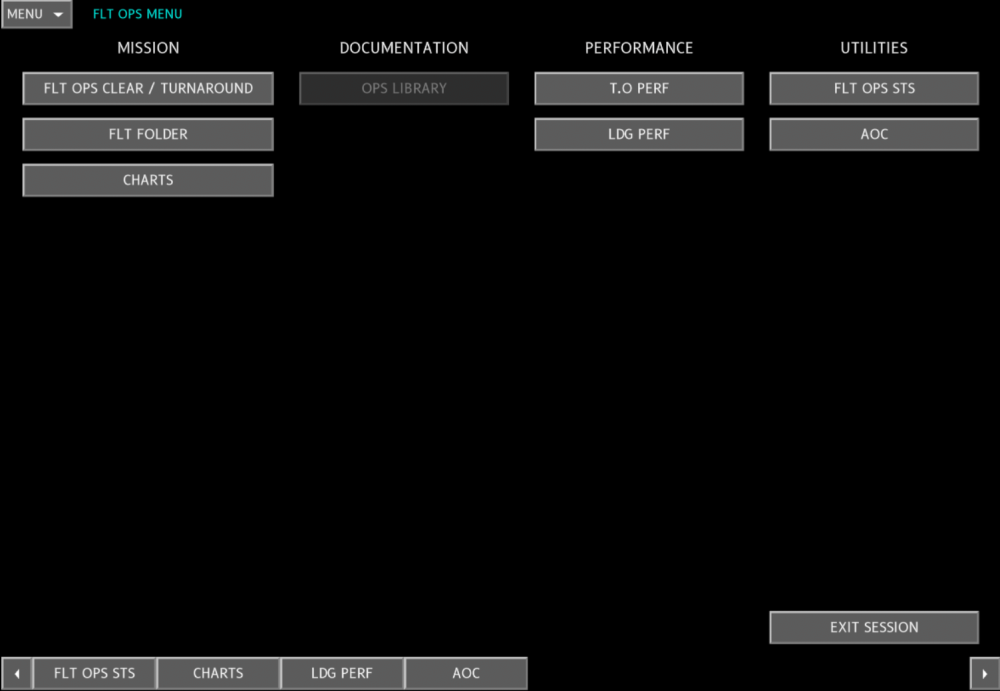
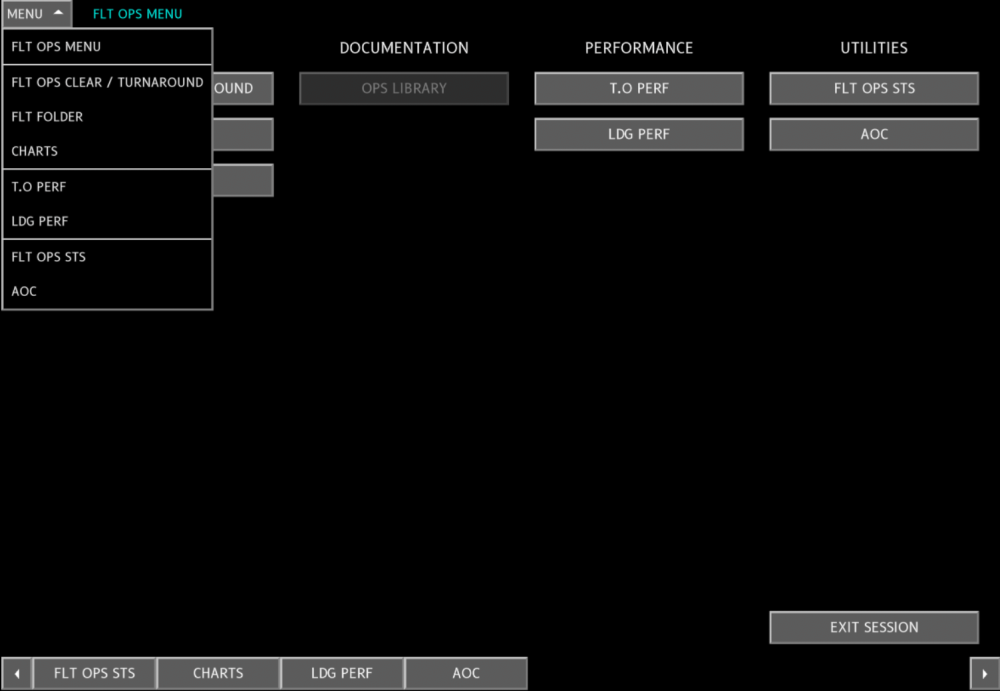
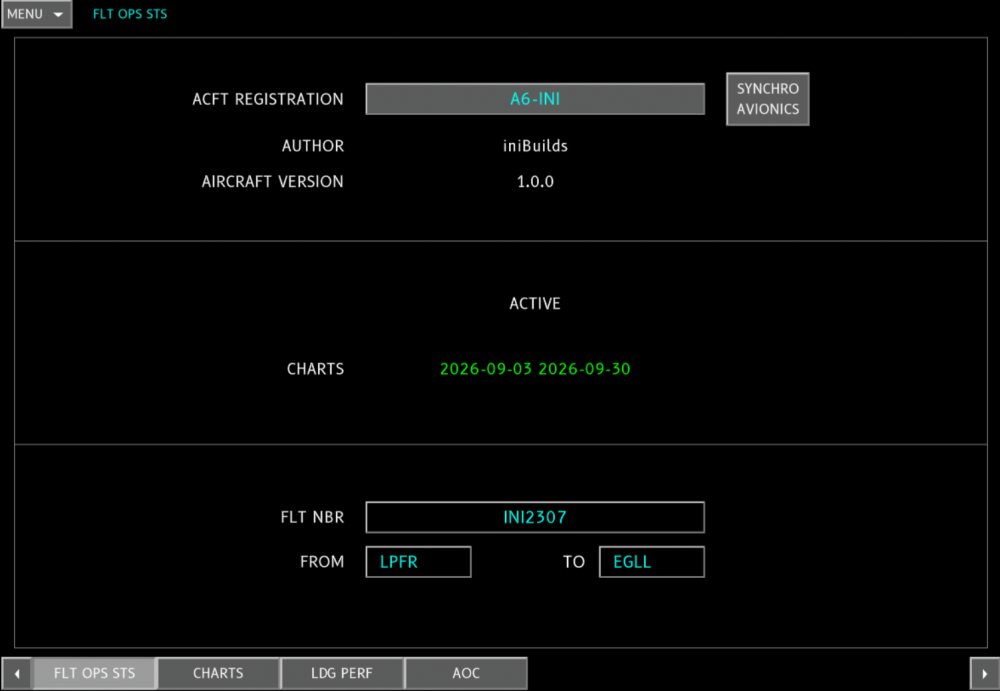
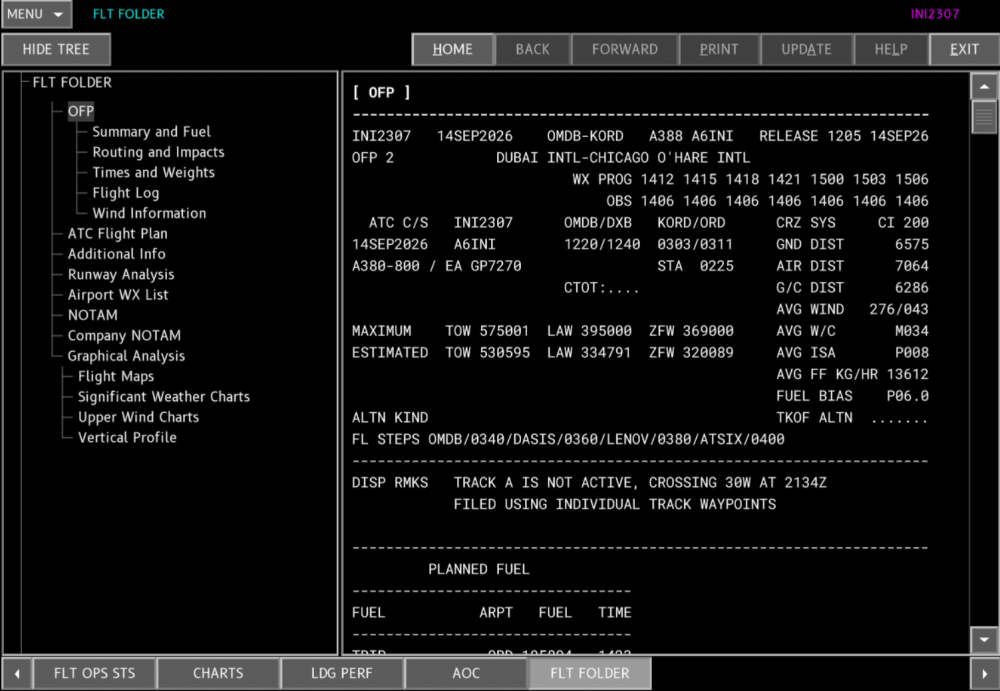
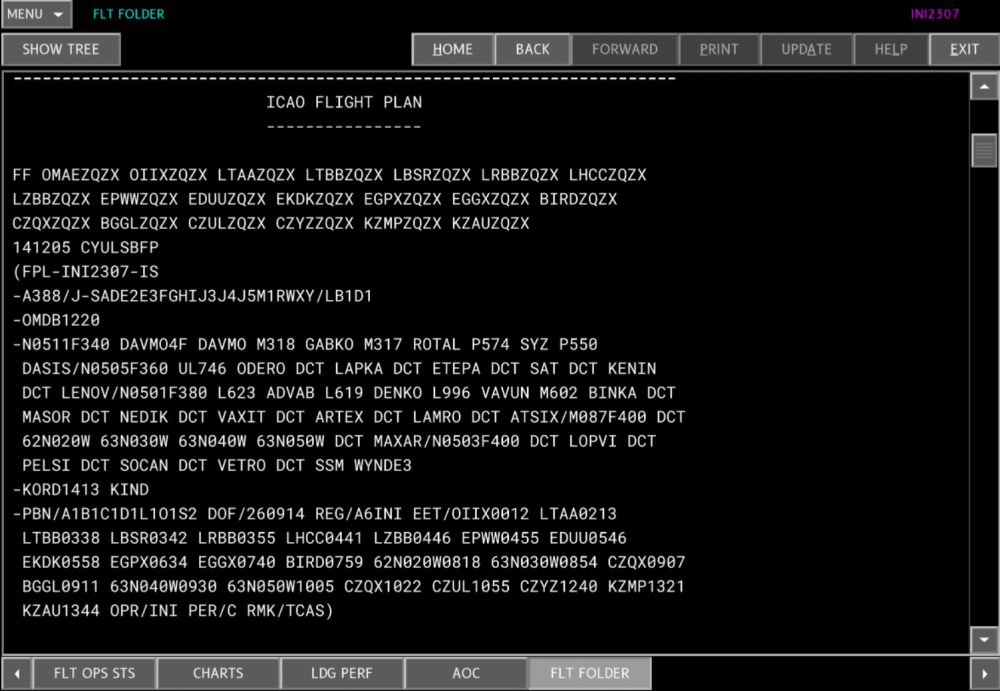
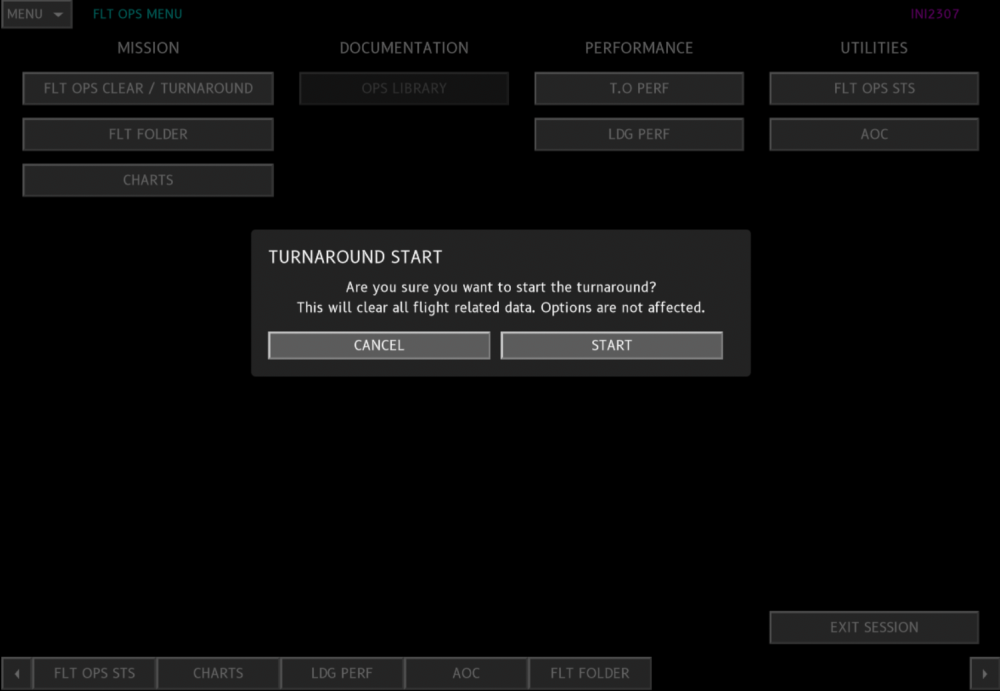
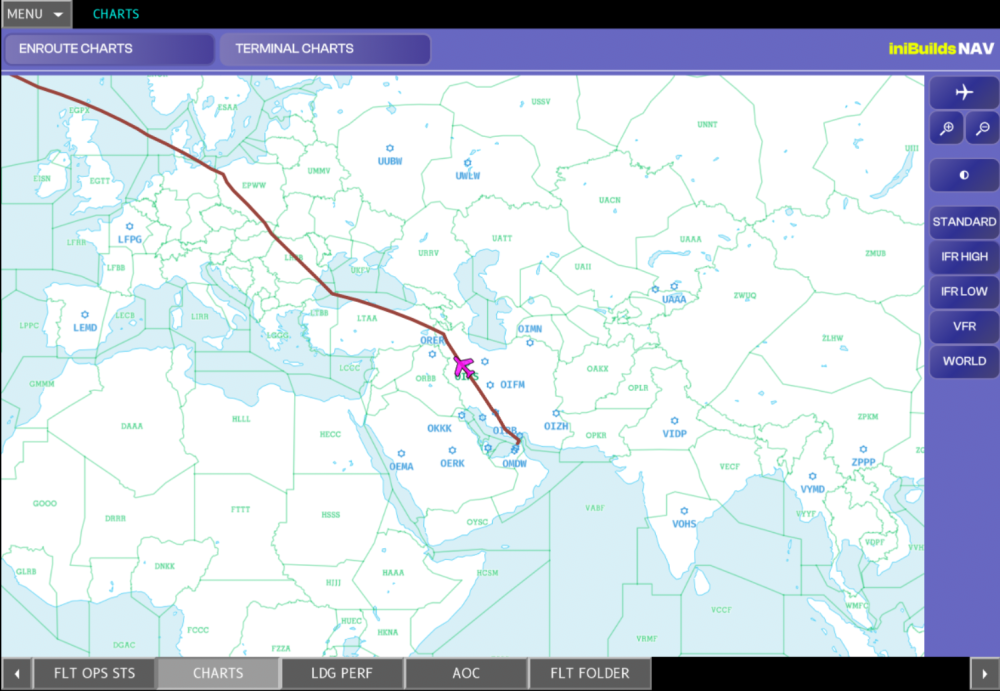
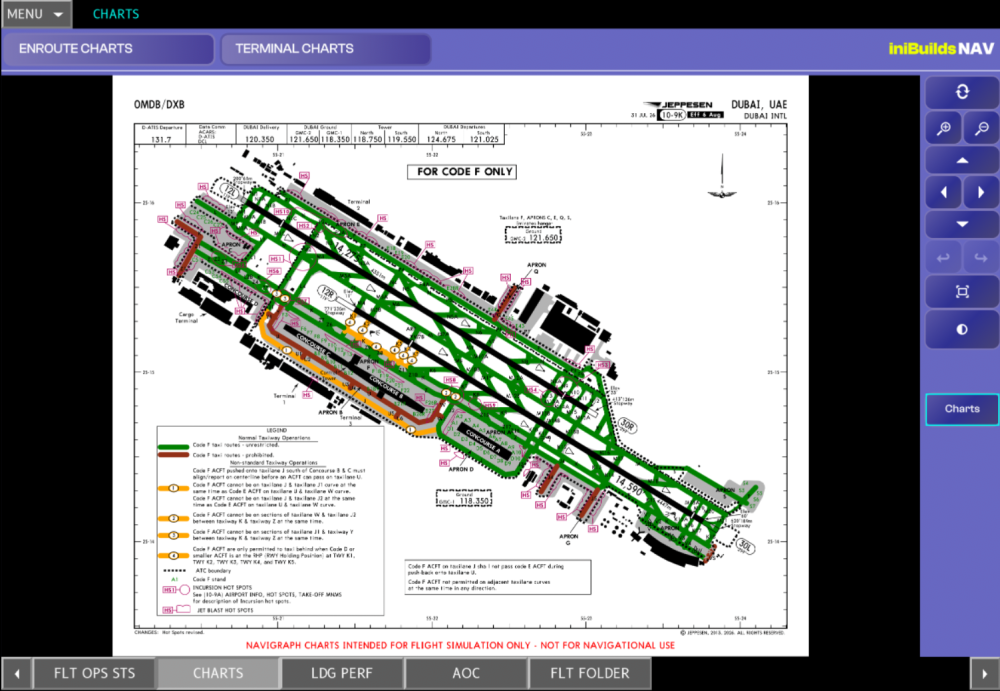
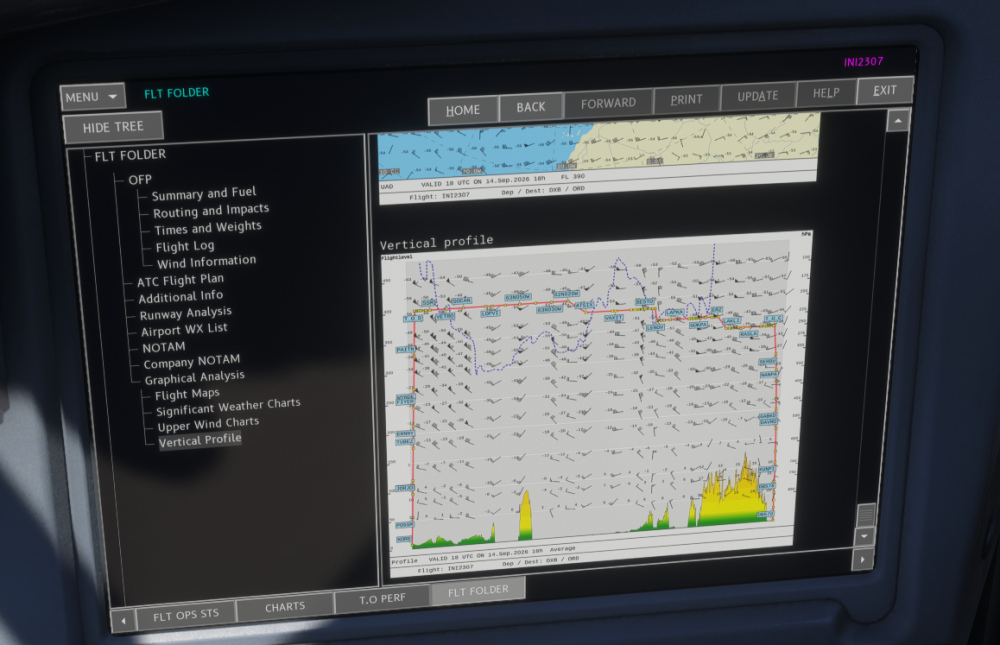
The iniBuilds A380 features two distinct onboard computer systems used for flight operations management: the OIT (Onboard Information Terminal) for FLT OPS functions, and the NSS AVNCS (Network Server System Avionics) for company communications and ground operations. This guide covers login, navigation, and operation of both systems. The use of these systems is entirely optional and not a pre-requisite to flight initialization. However the functions simulated add additional resources (e.g. Charts) and depth to the flight deck operational environment and flows. (Click to enlarge image) OIT ControlsOIT BRT Knob: Found on both the Captain and First Officer sides, this knob adjusts the brightness of the OIT display on its respective side. OIT SIDE Switch: Located on both the Captain and First Officer sides, this switch toggles the OIT display between the NSS AVNCS and FLT OPS systems on its respective side. OIS PWR Switch: Located on both the Captain and First Officer sides, this switch turns the portable laptop powering the OIT systems On/Off on its respective side. (Click to enlarge image) (Click to enlarge image) OIT: Onboard Information Terminal (FLT OPS)The OIT handles flight operations tasks such as flight plan status, performance calculations, charts, and AOC messaging. INITIALIZATIONThe LOGIN page is the first page that appears when the OIT is started. Select PILOT and enter your flight details as required on the FLT OPS page. You can press SYNCHRO AVIONICS to grab the information from your FMS. Note: SYNCHRO AVIONICS requires the FMS to have a flight plan loaded. Ensure your flight plan is inserted into the FMS to allow synchronization between the OIT and the aircraft systems. (Click to enlarge image) FLT OPS MENUThe FLT OPS MENU is the home page for all flight operations applications. From here, you can access all of the sub-applications described below. You can access this via the MENU dropdown on the top left corner. The dropdown also provides shortcuts to the other sub-applications described below. (Click to enlarge image) FLT OPS STSThe FLT OPS STS page displays the Aircraft Reg, Flight Number and Departure/Arrival airfields. There is also additional information such as aircraft version available here. (Click to enlarge image) FLT FOLDERThe FLT FOLDER page displays your SimBrief Operational Flight Plan (OFP). This includes your route, fuel planning, weights, and other dispatch information imported directly from SimBrief. You can use the tree on the left to navigate between sections or hide it using HIDE TREE button. (Click to enlarge image) FLT OPS CLEAR / TURNAROUNDUse this button to initiate turnaround mode, which resets operational flight data in preparation for a new flight. This is typically used between flights when reusing the aircraft for a new sector. (Click to enlarge image) CHARTSThe Charts page provides access to Enroute Maps and Terminal Charts. The Terminal Charts support both Navigraph and Lido charts, depending on your configuration in the EFB 3rd Party Settings. For more information see the How to - Switch between Navigraph or LIDO Charts guide. (Click to enlarge image) T.O PERF and LDG PERFUse the T.O PERF page to calculate takeoff performance data, including V-speeds, flex temperature, and other takeoff-related parameters based on your loaded flight plan and conditions. Use the LDG PERF page to calculate landing performance data, including landing distances based on current conditions and aircraft configuration. For more information see the How to - Take-off / Landing Performance Calculations via OIT guide. (Click to enlarge image) AOC (Airline Operational Control)The AOC page uses the ACARS (Aircraft Communication Addressing and Reporting System) messaging system to transmit and receive AOC messages between the aircraft and company dispatch. Note: OIT AOC and NSS INI COM Inbox/Outbox/Sent are the same system — messages sent or received in one will appear in the other, as they share the same ACARS messaging function. Network Server System Avionics (NSS AVNCS)The NSS AVNCS system handles company communications, preflight data initialization, and ground fuel operations. NSS - INITIALIZATIONThe LOGIN page is the first page that appears when the NSS AVNCS is started. Select PILOT and choose the INI COM or REFUEL sub-applications. NSS - INI COMINI COM handles company communication and preflight data initialization. This section is purely optional to relay additional Crew and Fuel Uplift figures back to the company, or view received Loadsheets and other post-flight reports. You can use the tree on the left hand side to navigate between the various pages: Inbox / Outbox / SentThese pages use the ACARS messaging system to transmit and receive AOC messages. This is the same system as OIT AOC in that the messages are shared between the OIT AOC page and the NSS INI COM Inbox/Outbox/Sent pages. Pre-Flight - INIT DATA and FUEL FIGURESThe Preflight section contains two pages: INIT DATA: Used for flight data preflight initialization (e.g., flight number, origin/destination, Crew IDs etc.) FUEL FIGURES: Used for flight fuel initialization (e.g., block fuel, trip fuel). This is to inform the company of your planned fuel figures if they will vary from the OFP. Note: The FROM/TO and FLT ID fields will be automatically prepopulated once a "CPNY F-PLN REQUEST" (Company Request) has been sent and a reply received on the FMS INIT page. This request relies on Simbrief integration. For more information see: How to - Import flightplan & winds from SimBrief? NSS - REFUELThe Refuel sub applications allows you to manage ground fuel operations directly from the cockpit. This includes: AUTO REFUEL: Automatically refuels the aircraft to the target fuel figure. AUTOMATIC GROUND TRANSFER: Manages fuel transfer between tanks during ground operations. This page allows you to feed Zero Fuel Weight (ZFW), Zero Fuel Weight Center of Gravity (ZFWCG) and Block Fuel (BLOCK) directly into the Fuel Quantity Management System (FQMS). With this data, the FQMS can perform active CG targeting during the fuelling process to maintain GWCG within limits to avoid tipping. Failure to do so means the FQMS will fall back to a "single vector method," filling the tanks using a hardcoded, safe default sequence rather than an optimized distribution. This safe default is passive, meaning it prevents exceedance but does not prevent you from reaching the limit. Whenever this limit is reached, fuelling will be stopped automatically to prevent tipping. The process is as follows Fill the ZFW with your planned ZFW using the on-screen keyboard Enter ZFWCG with your current ZFWCG using the on-screen keyboard Enter your planned BLOCK fuel using the on-screen keyboard Press SEND TO FQMS to begin automatic refuelling immediately. Summary of Key DependenciesRequirement Why It's Needed Flight plan loaded in FMS Required for Synchro Avionics (FMS sync) to function via FLT OPS STS Cpny Req sent/received Prepopulates INIT DATA and Fuel Figures on INI COM > Preflight pages OIT AOC = NSS INI COM Same ACARS messaging system - no need to check both separately