




mattY
Administrators
-
Joined
-
Last visited
Everything posted by mattY
-
v1.0.1 of iniBuilds London City (EGLC) Premium for MSFS 2024 has been released. This update fixes some typos present on the Excel building, adjusts some taxiway names and changes various gates to nose out. This update can be downloaded via the iniManager. v1.0.1Fixed Excel typo Adjusted taxiway names Fixed missing hold short node (BATC issue) Gate 12/13/14 changed to nose out Moved fuel trucks to avoid collision
-
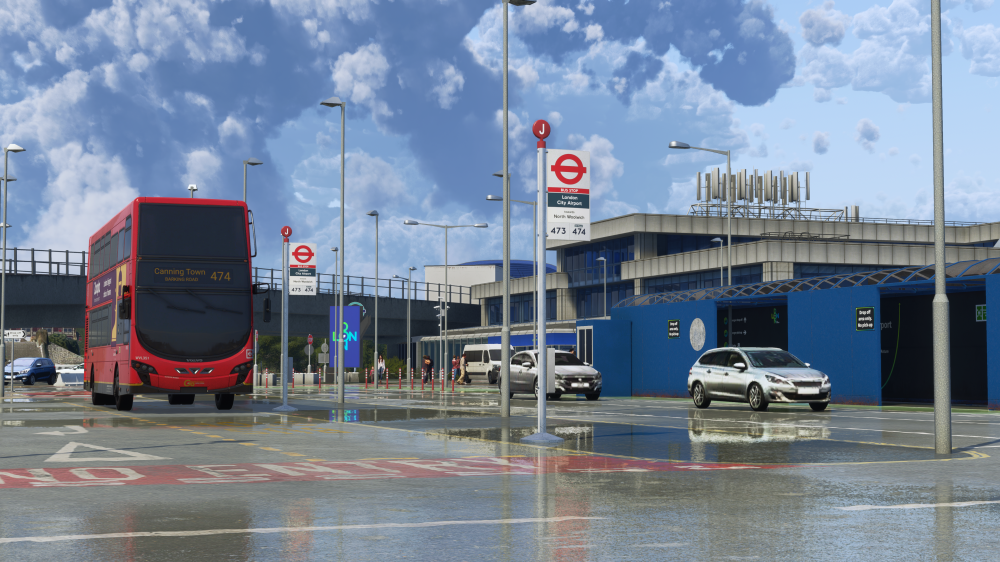
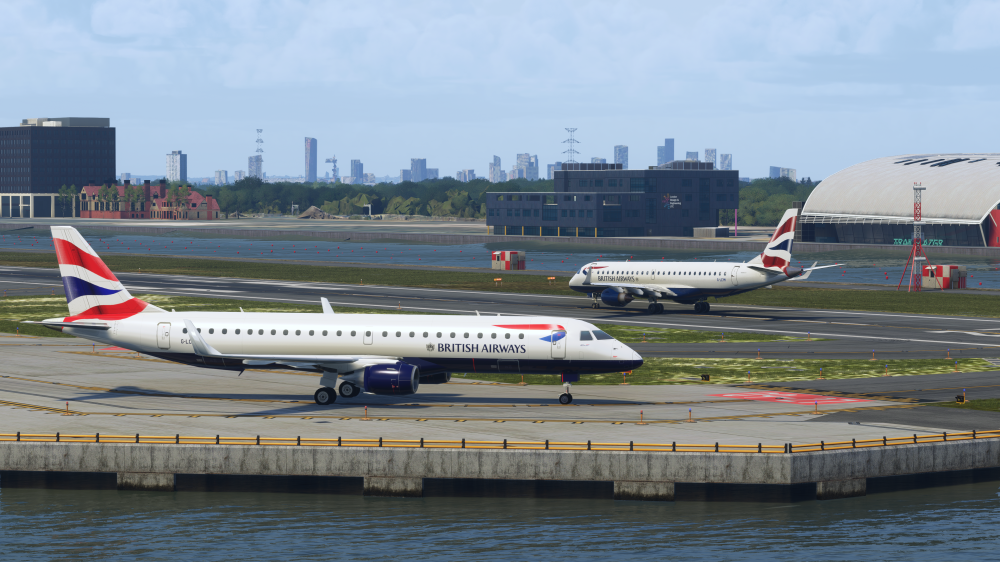
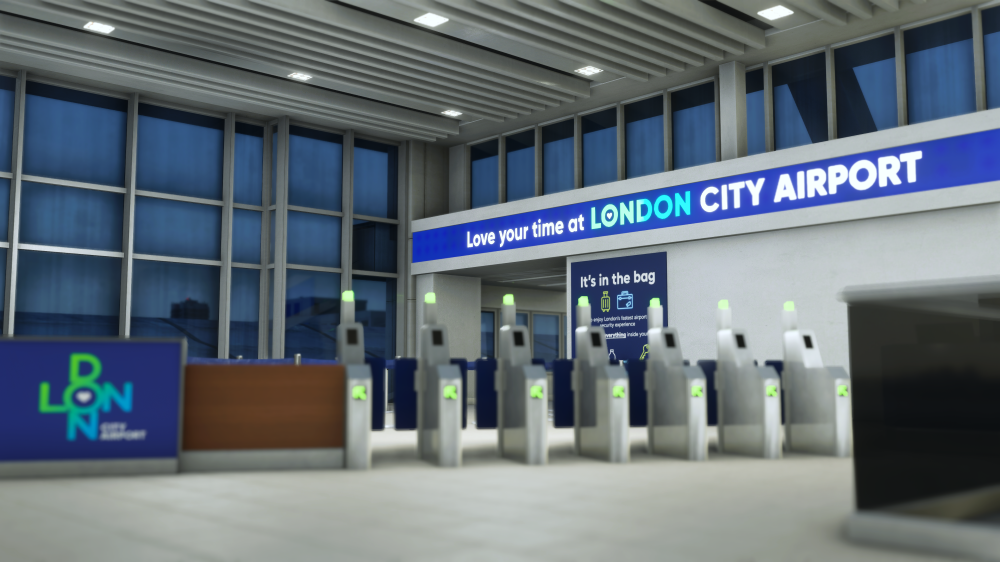
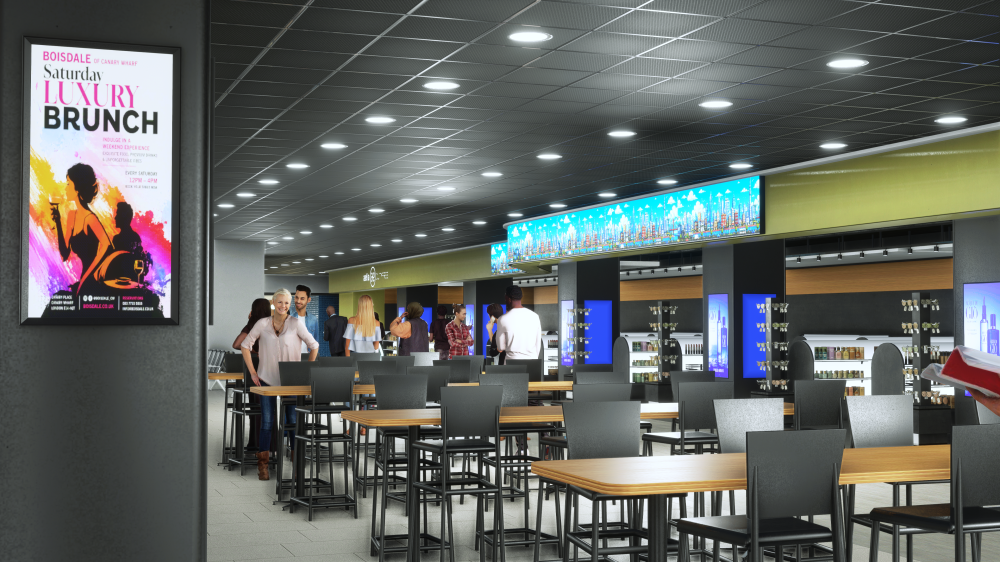
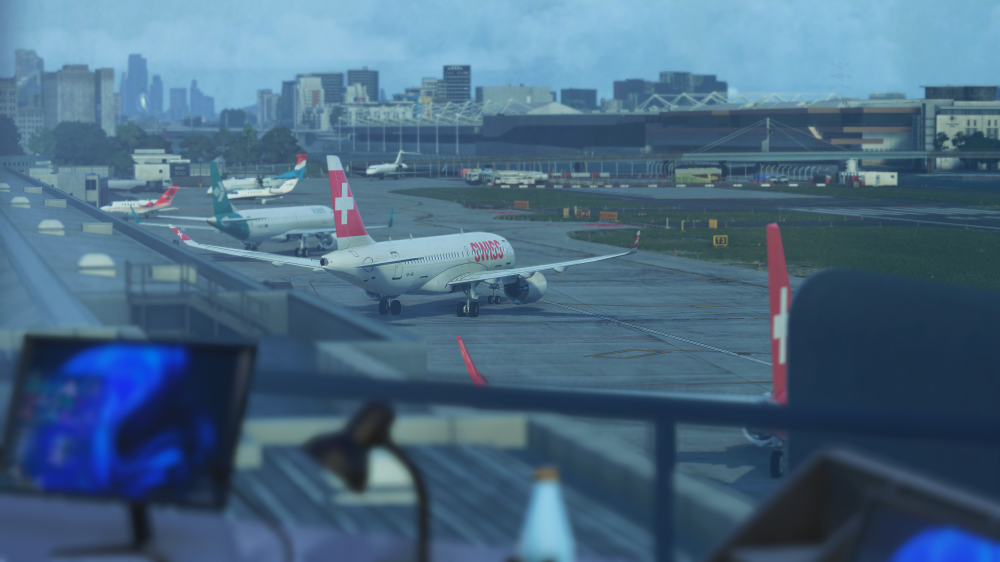
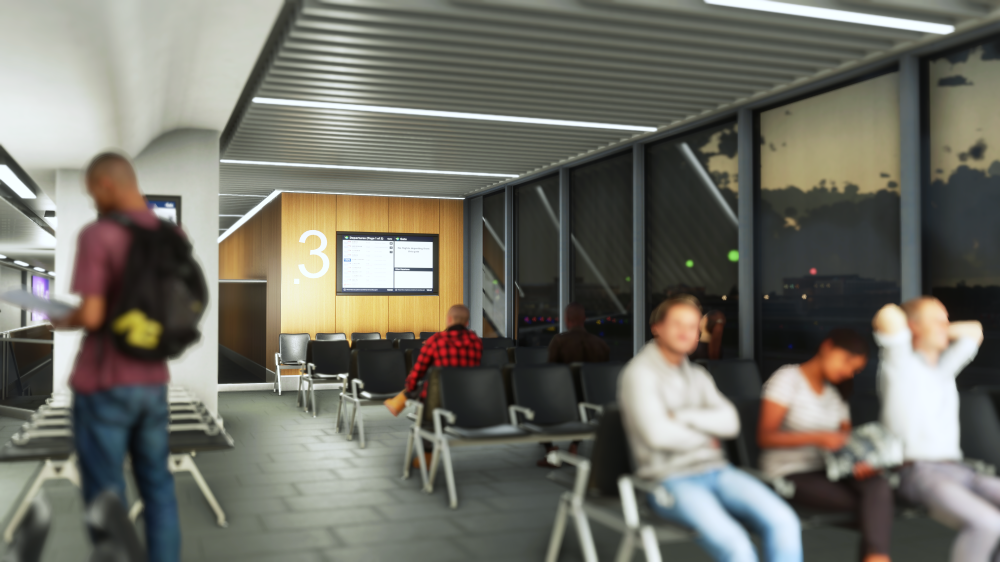
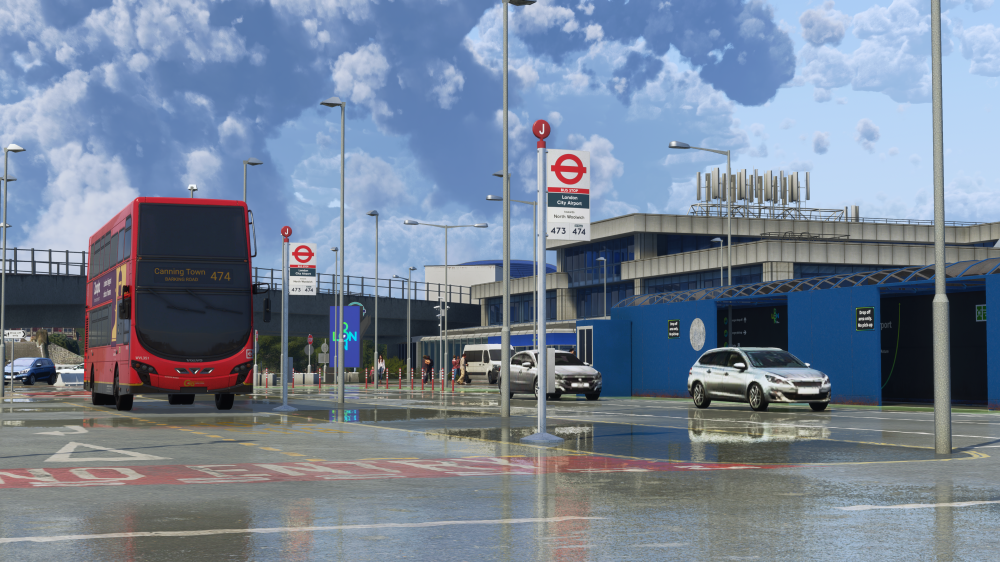
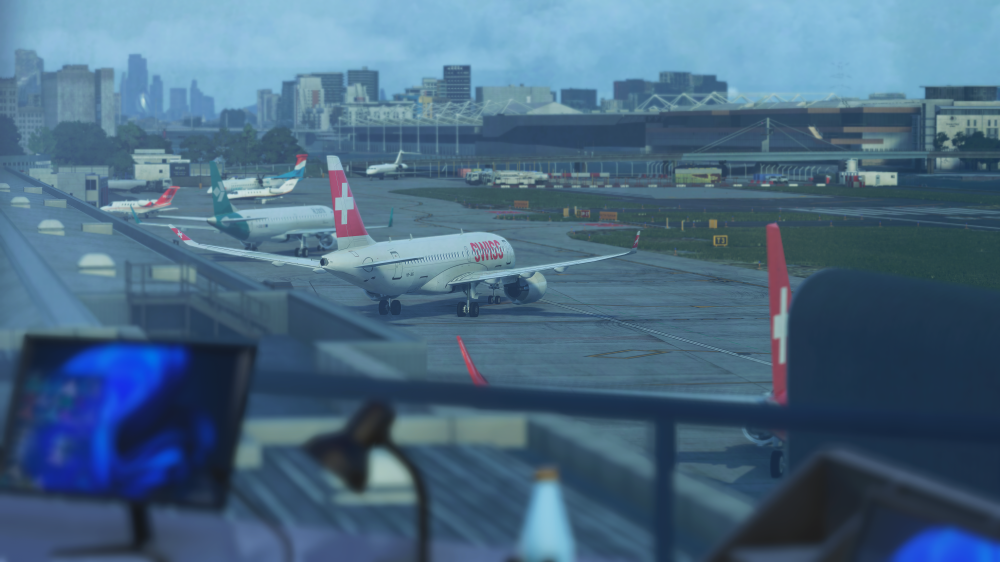
Welcome to London City Airport (EGLC)! ✈️Today, we're delighted to officially release iniBuilds London City Airport (EGLC) for Microsoft Flight Simulator 2024! Situated in the heart of East London and surrounded by the city's iconic skyline, London City is one of the world's most unique commercial airports. Known for its steep approach profile, compact footprint, and distinctive docklands location, EGLC offers an experience unlike anywhere else, and we're excited to finally bring this remarkable airport to the simulator. Available now for £12.99 (excl VAT): https://inibuilds.com/products/inibuilds-london-city-eglc-msfs-2024 From the instantly recognisable terminal and apron layout to the surrounding docklands environment, this project has focused on capturing the atmosphere and character of one of the UK's most distinctive airports. While London City may be smaller than many international hubs, its density, complexity, and unique operating environment made it an incredibly rewarding airport to recreate. Every aspect of the airport has been carefully crafted, from the stands, taxiways, and service roads through to the surrounding infrastructure and cityscape, delivering an immersive experience whether you're arriving over the Thames or departing into the London skyline. We've placed a huge emphasis on the details that define the airport, including accurate airside layouts, bespoke ground textures, custom markings, realistic equipment placement, and the distinctive urban backdrop that makes every arrival and departure a true challenge, especially in those windier conditions. Scenery Features Hand-crafted ground textures featuring bespoke runway, apron, and landside materials True-to-life landside recreation with custom infrastructure, roads, and surrounding detail Accurately modelled and positioned airport lighting throughout the airfield Extensive collection of handcrafted airport buildings, objects, and ground equipment Highly detailed terminal interiors and exterior modelling Up-to-date airport layout reflecting current real-world operations Bespoke taxi signage built to real-world specifications Official GSX profile included Optimised LODs across all models for balanced performance Built using the latest MSFS 2024 SDK features Full iniManager compatibility Routes & Operations ✈️ Despite its compact size, London City Airport offers a surprisingly diverse range of operations. From short-haul European business routes and regional services to corporate jets and specialist steep-approach operations, EGLC provides a style of flying unlike anywhere else in the UK. The airport's famous 5.5° approach requires specially certified aircraft and crews, making every arrival and departure a rewarding challenge. Whether you're operating the Airbus A220, E-Jets, turboprops, or private business jets, London City offers countless opportunities for engaging and memorable flights. 📽️ Watch the TrailerWe can't wait to see your screenshots, videos, and flights into one of the most iconic and challenging airports in Europe. See you on final approach into London City! iniBuilds Team ❤️
-
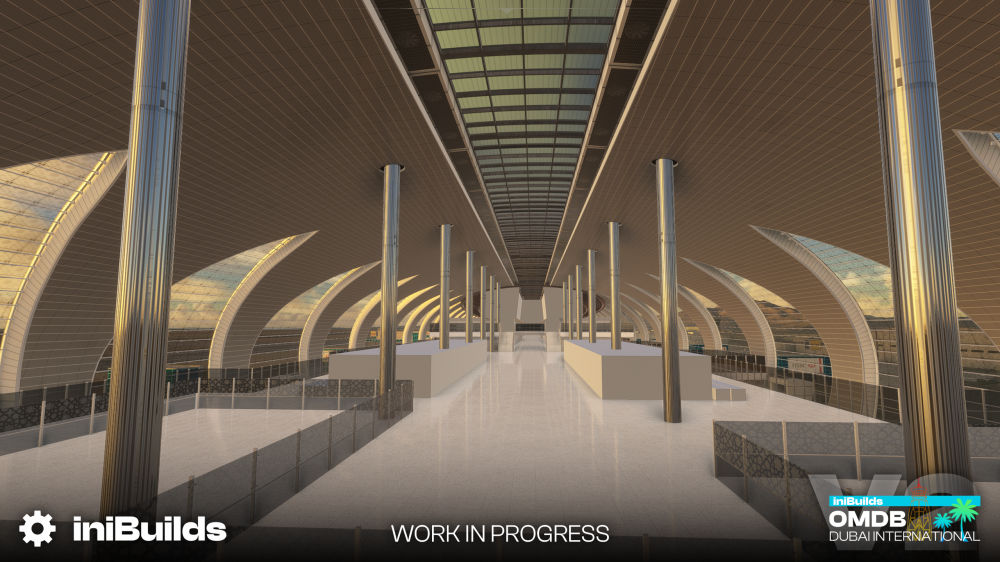
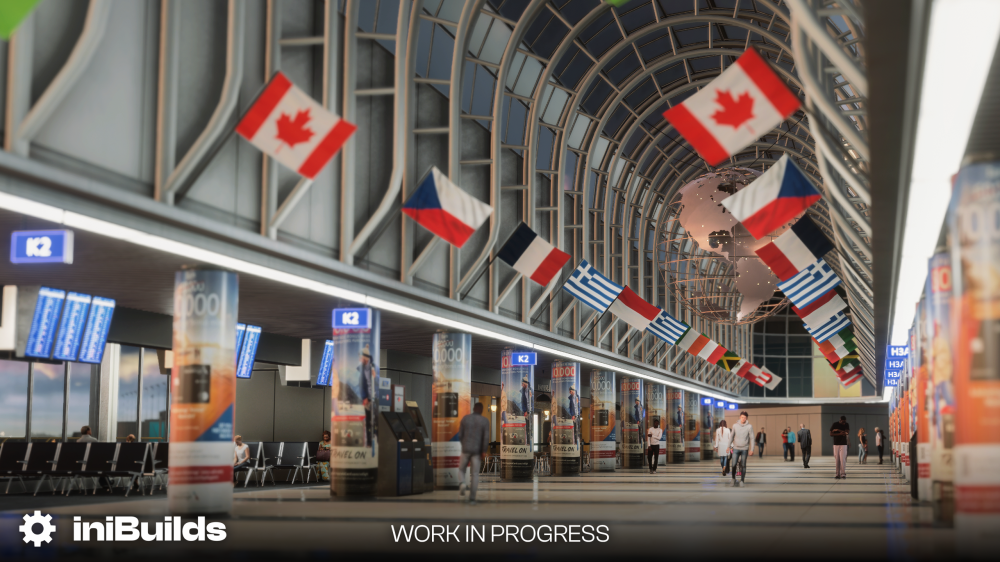
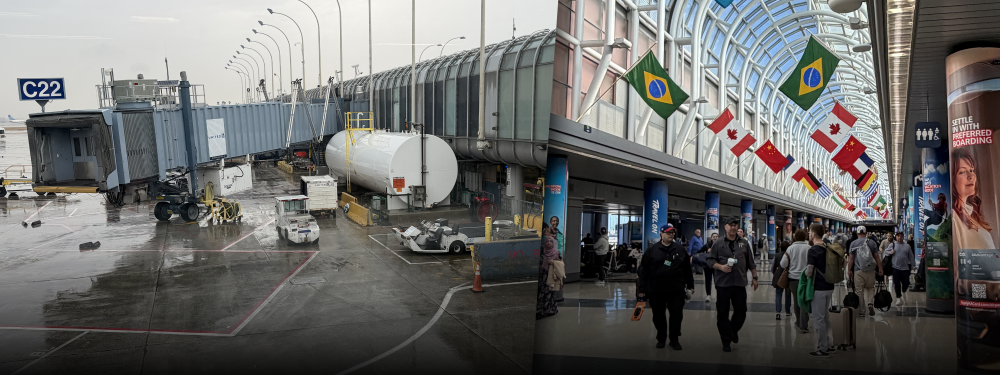
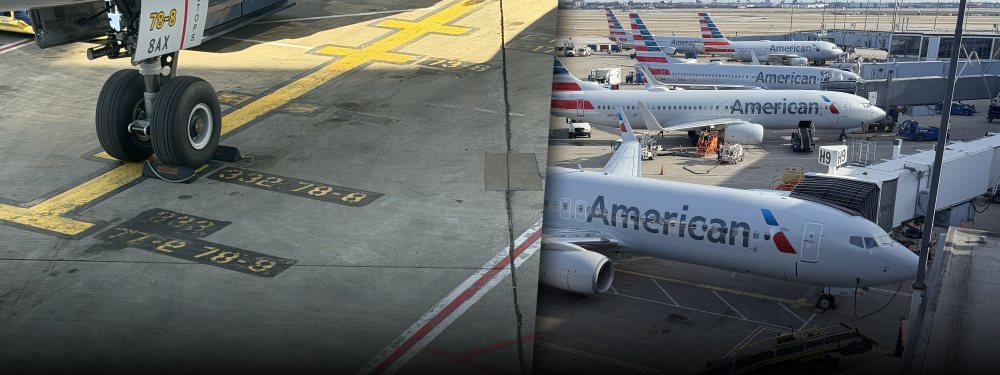
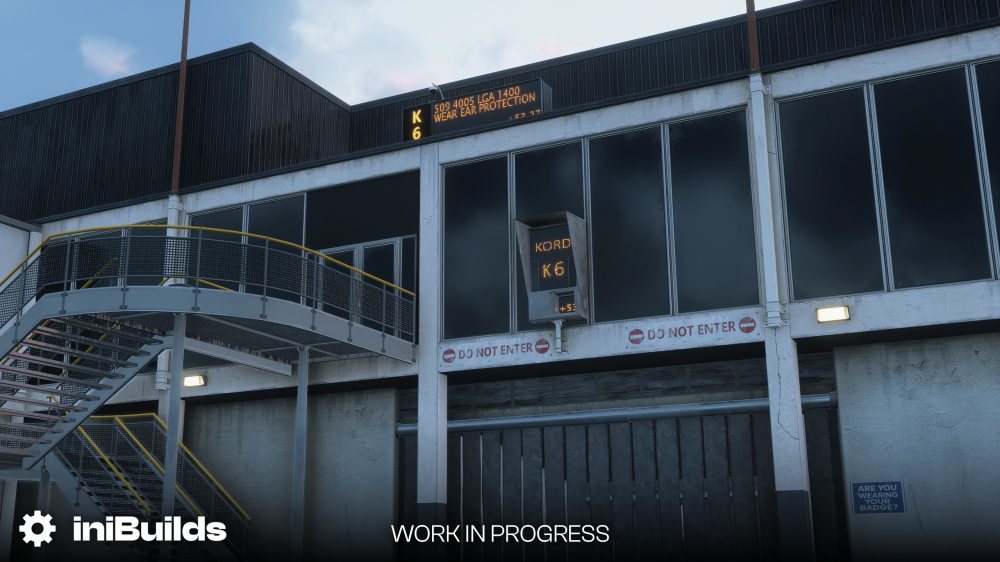
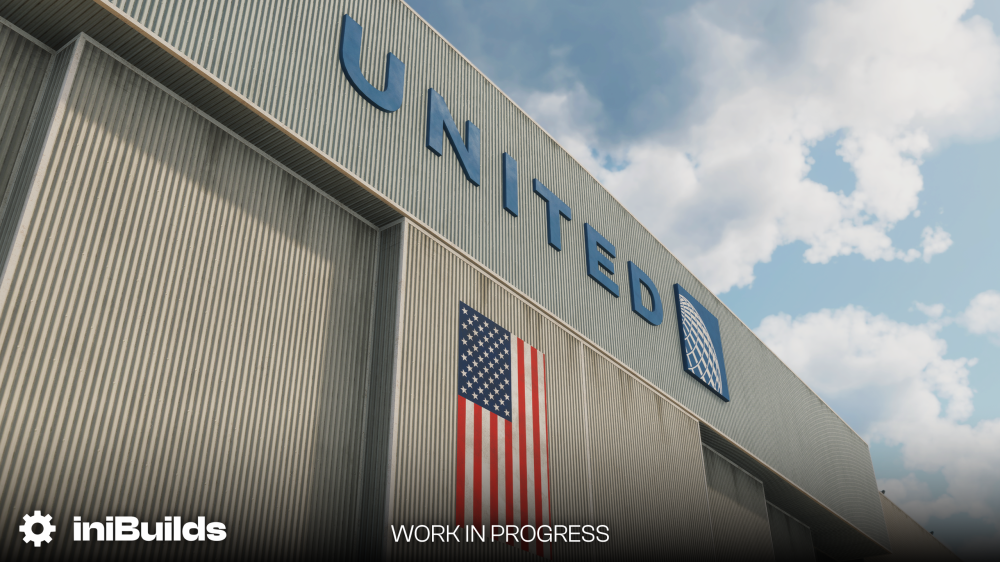
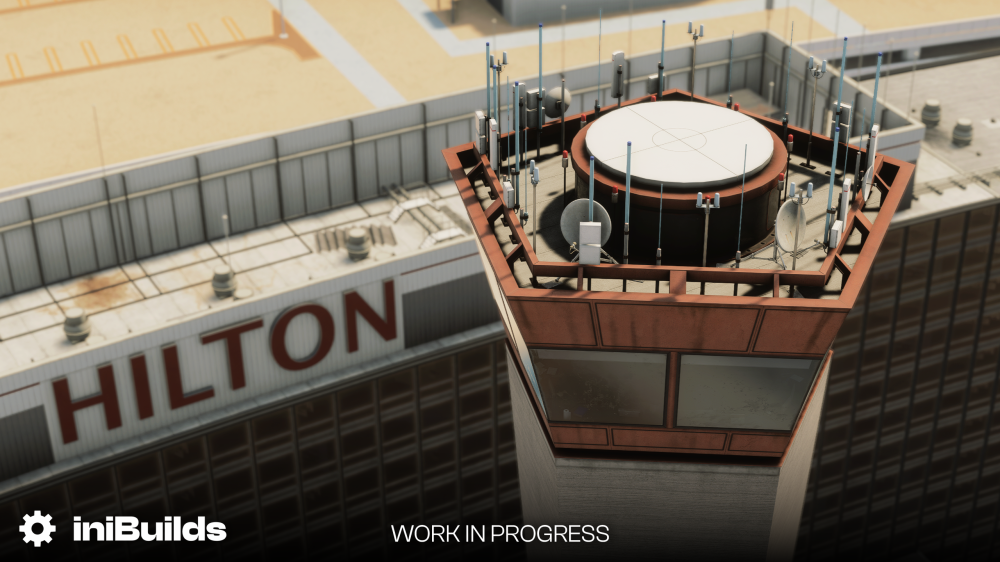
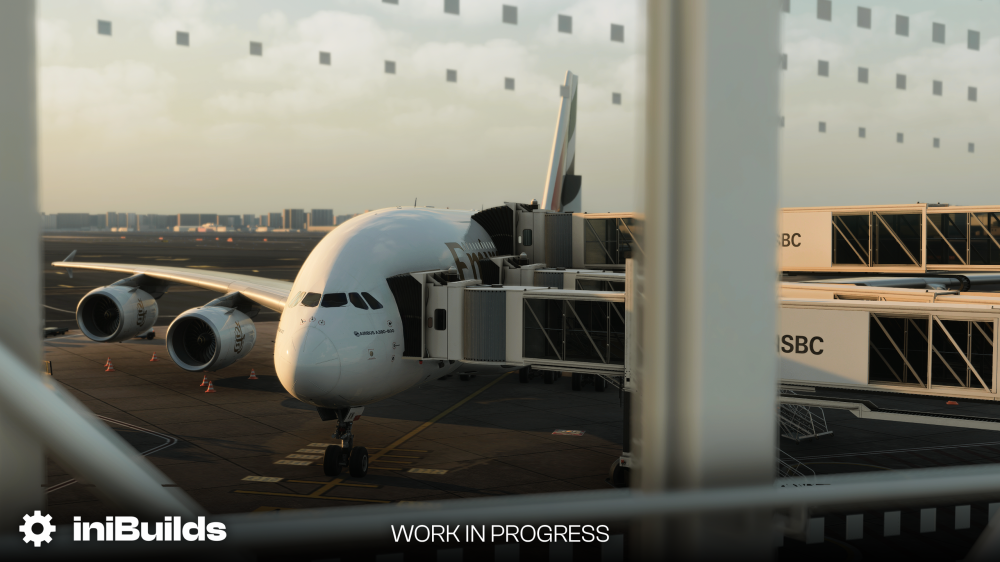
Hello! Since our last scenery development update back in March, it's been another incredibly busy period for the scenery team here at iniBuilds. Over the past few months we've released Liverpool John Lennon Airport, Zakynthos Airport and London City Airport, whilst also continuing to support many of our existing airports with regular updates and improvements. From major hubs such as Dallas Fort Worth, Manchester and Hong Kong, through to regional airports across Europe and beyond, the team has continued to work hard on improving existing products whilst also pushing ahead with several exciting new projects currently in development. As always, every airport teaches us something new. Whether it's new optimisation techniques, improved workflows, better use of Microsoft Flight Simulator 2024's technology or simply finding new ways to bring airports to life, those lessons continue to feed directly back into both our current and future projects. Today, we wanted to take some time to look back at one of our latest releases, share a first look at our next major hub project, reveal a significant update coming to one of our most popular airports and showcase a brand-new scenery feature that we've been quietly working on behind the scenes. So, let's get started! iniBuilds London City Airport (EGLC) for Microsoft Flight Simulator 2024!Last week saw the release of London City Airport for Microsoft Flight Simulator 2024, one of our latest scenery projects and one that has already received a fantastic reception from the community. Situated right in the heart of East London and surrounded by the city's iconic skyline, London City is one of the most unique commercial airports in the world. Known for its challenging steep approaches, compact layout and distinctive docklands location, it offers an experience unlike any other airport in the UK. From the outset, our goal was to create a highly detailed recreation of the airport whilst maintaining the smooth performance that such a densely populated area demands. The project was developed from the ground up for Microsoft Flight Simulator 2024 and features accurately recreated airport infrastructure, detailed terminal buildings and interiors, bespoke ground textures, custom signage, animated airside vehicles and a fully up-to-date airport layout based on the latest real-world references. As with all of our latest scenery projects, London City also makes extensive use of the latest MSFS 2024 SDK features and our continually evolving optimisation workflows, helping us deliver a highly detailed airport experience whilst maintaining excellent performance in one of the simulator's most demanding urban environments. Since release, we've been incredibly pleased with the response from the community and would like to thank everyone who has supported the project so far. Seeing the screenshots, videos and streams appearing online is always one of the most rewarding parts of any release, and we're thrilled to see so many of you already putting London City through its paces. If you haven't had a chance to check it out yet, London City Airport is available now through the iniStore. Buy Now: https://inibuilds.com/products/inibuilds-london-city-eglc-msfs-2024 Trailer: https://www.youtube.com/watch?v=LGuyETyWLM8 iniBuilds Chicago O'Hare International Airport (KORD) for Microsoft Flight Simulator 2024!Whilst London City may be our latest release, the scenery team have certainly not been standing still. Behind the scenes, work has continued across a number of exciting projects, including what is shaping up to be one of our most ambitious airport developments to date. Today, we're incredibly excited to finally give you a first look at iniBuilds Chicago O'Hare International Airport (KORD)! As one of the busiest airports in the world and a major gateway into North America, O'Hare is an airport that has been high on our wish list for quite some time. Handling millions of passengers every year and serving as a major hub for both domestic and international operations, it's an airport defined by its incredible scale. With multiple terminals, vast apron areas, complex taxiway systems and a constantly evolving layout, recreating an airport of this size, certainly presents a unique challenge for the team. As with many of our recent scenery projects, one of the first priorities was gathering as much real-world reference material as possible. Earlier this year, a member of the team travelled to Chicago to conduct an extensive on-site research trip. Whilst satellite imagery, airport charts and publicly available references provide a fantastic starting point, nothing really compares to seeing an airport in person and capturing reference material firsthand. Whilst at the airport, the team member captured hundreds of reference photographs across terminal buildings, passenger areas, check-in halls, departure lounges, gate areas and more. These photos have become a critical point of reference throughout development, allowing us to accurately recreate everything from interior details and materials through to signage, lighting and the overall atmosphere of the airport itself. One area we paid particular attention to during the visit was the airport's interior spaces. O'Hare is home to some truly iconic locations, and recreating these areas authentically has been a major focus throughout development. Many of you will recognise the famous Hall of Flags in Terminal 3, seen in movies like Home Alone! Capturing these unique spaces helps bring personality to the airport and creates a much more immersive experience for those who enjoy exploring beyond the flight deck. Since the trip to Chicago, the development team have been able to work at a great pace! With an airport of such scale, we're happy to say that the airport has progressed significantly over recent months, with work taking place across terminal exteriors, interior modelling, airside roadways, custom ground textures, signage, lighting, airport clutter and optimisation. As always, a huge amount of effort is being invested into ensuring the airport not only looks fantastic up close, but also performs well despite the enormous scale of the project. We're excited to share these early previews from the project, including a first look at various terminal areas and interior spaces currently under development. Whilst there is still to be done, we're incredibly pleased with the progress made so far and cannot wait to show more of what is shaping up to be one of our most ambitious airport projects yet! iniBuilds Dubai International Airport (OMDB) V2 for Microsoft Flight Simulator 2024!Whilst Chicago O'Hare represents one of our largest upcoming projects, it's not the only major hub currently receiving attention from the scenery team. Over the past few years, Dubai International Airport has become one of the most popular airports in the iniBuilds scenery lineup. As one of the world's busiest international airports and home to some of the most iconic long-haul operations in aviation, it remains a favourite destination for simmers across the globe. Since the original release, both Microsoft Flight Simulator and our own scenery development workflows have evolved considerably. New technologies, improved optimisation techniques and a much deeper understanding of the MSFS 2024 platform have opened up opportunities that simply weren't available to us when the original version of Dubai was developed. As a result, we're excited to officially reveal that work has been underway on Dubai International Airport V2 which will be available for FREE! Rather than being a simple refresh, our goal with V2 is to revisit one of our most popular airports and bring it up to the standards of our latest-generation scenery projects. This includes improvements across modelling, texturing, interiors, ground detail, airport infrastructure and overall visual fidelity, whilst taking full advantage of the latest optimisation techniques available within Microsoft Flight Simulator 2024. Dubai was originally developed several years ago for Microsoft Flight Simulator 2020, and both the simulator and our own development workflows have evolved significantly since then. Over the years, we've learned a huge amount about building large-scale airports efficiently, and V2 gives us the opportunity to apply those lessons throughout the entire project. One of the biggest areas of improvement will be performance. The team has been rebuilding and optimising large portions of the airport from the ground up, reducing node counts, vertex counts, draw calls and unnecessary bounding boxes, whilst making much greater use of the optimisation systems available within MSFS 2024. Combined with our latest LOD workflows and asset creation techniques, this will allow us to deliver a significantly more efficient airport experience than was possible with the original release. Beyond performance improvements, we're also taking the opportunity to further expand the airport itself. Areas that previously had limited or no interior modelling are now receiving fully realised interior spaces, helping bring even more life and immersion to one of the world's busiest international airports. The result is not only a more visually detailed airport, but one that is significantly better optimised and built specifically for the capabilities of Microsoft Flight Simulator 2024. Given Dubai's importance within both the real-world aviation industry and the flight simulation community, we knew it deserved a significant amount of attention. Throughout development, the team has been carefully reviewing reference material, airport layouts and terminal environments to ensure the airport captures the scale, atmosphere and detail expected from one of the world's premier aviation hubs. But alongside the visual improvements, Dubai V2 is also becoming the launch platform for something we've wanted to bring to Microsoft Flight Simulator for quite some time... Multi Jetways ✈️One of the challenges we've wanted to tackle for a long time is the way in which larger aircraft interact with airport infrastructure within Microsoft Flight Simulator. Anyone who regularly flies aircraft such as the A380/A350/B777 and more, knows that in the real world, these aircraft rarely utilise a single passenger boarding bridge. Instead, multiple jetways are commonly used simultaneously, allowing passengers to board and disembark through several doors at once. It's an iconic part of operating some of the world's largest airliners, particularly at major international hubs such as Dubai. Until now, this has been something that has been difficult to accurately represent within the simulator... However, we're incredibly excited to reveal that the scenery team has been working on a brand-new iniBuilds-exclusive multiple jetway system, allowing compatible gates to connect multiple passenger boarding bridges to a single aircraft simultaneously! For the first time, you'll be able to pull into a stand specifically designed for aircraft such as the A380 and watch multiple jetways connect to the aircraft, recreating the experience you'd expect to see at some of the world's busiest international airports. Whilst this may seem like a small detail on the surface, it adds a huge amount to the immersion and atmosphere of operating large aircraft. Seeing multiple jetways extend towards the aircraft helps bring airports to life in a way that simply hasn't been possible before. This feature will be free to all iniBuilds customers who own an iniBuilds airport. So how will the jetways work? It’s simple - they are built into the airport package and should work just like the current default jetways do. No additional software needs to be installed or run outside the simulator, and all aircraft that are compatible with the default jetways should work with the new jetways. We even expect to make this feature available to Xbox and PlayStation users of our sceneries. This system has been designed with a clean, seamless experience in mind within the current ecosystem. While we do not know the details of the new GSX update, we expect that unless there are major changes that break existing functionality our jetway system should provide a seamless experience. Chicago O'Hare International will be one of the first airports to feature this new technology, making it the perfect home for aircraft such as the upcoming iniBuilds A380 Airliner... 👀 As time progresses, our existing airports will be updated with this free functionality - this has nothing to do with GSX. This is just the beginning, and we're already looking at rolling out this technology across past & future airports in the iniBuilds catalogue. Final RemarksFrom the release of London City Airport and continued updates across our existing scenery catalogue, through to the development of Chicago O'Hare, Dubai International V2 and new technology such as our multiple jetway system, there's been a huge amount happening behind the scenes. We're incredibly grateful for the continued support, feedback and enthusiasm from the community. Whether you're flying into one of our newest releases, providing feedback on updates or simply following along with development, your support allows us to continue investing in larger, more ambitious projects. We hope you've enjoyed this look at what we've been working on and we're excited to share more as these projects continue to progress. iniBuilds Team ❤️
-
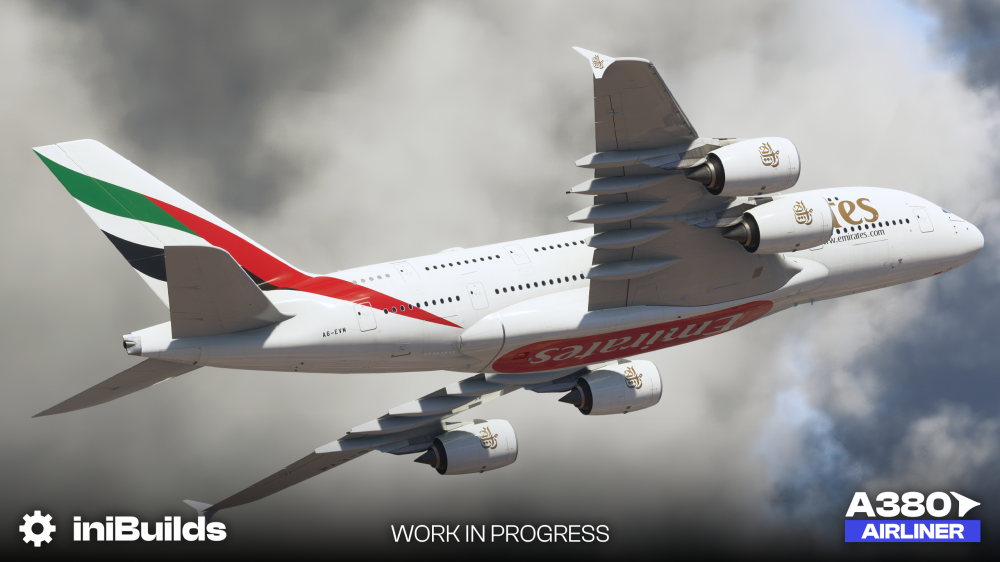
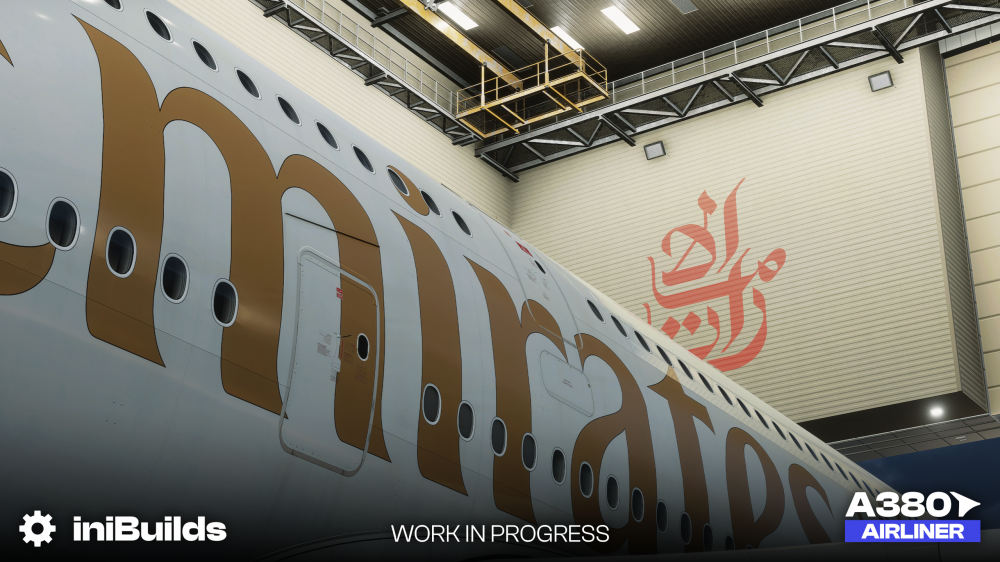
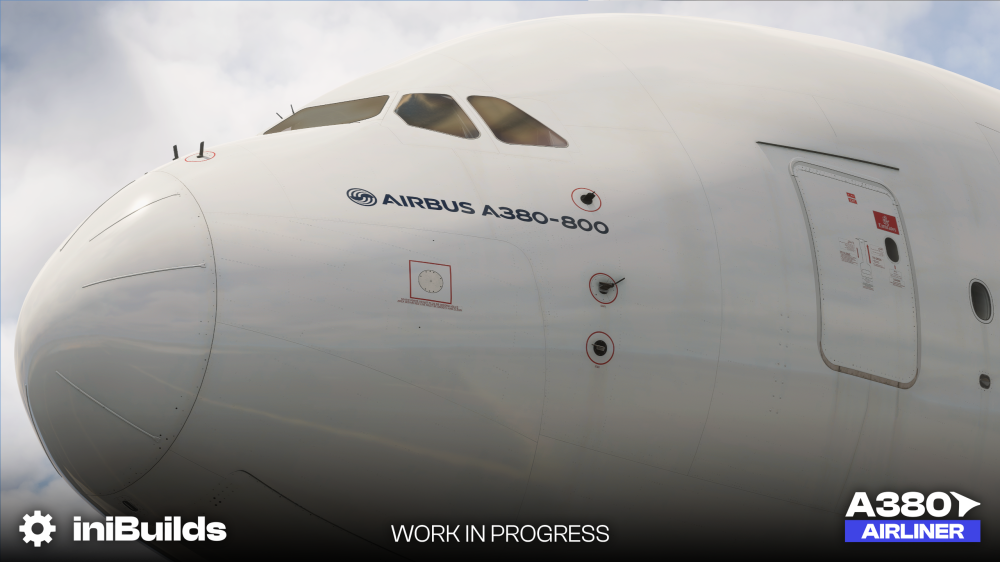
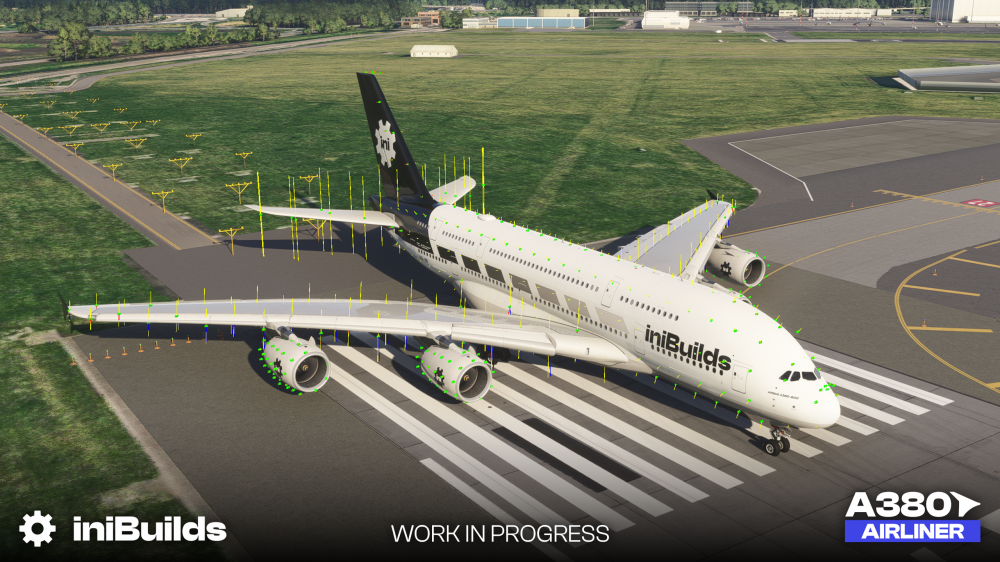
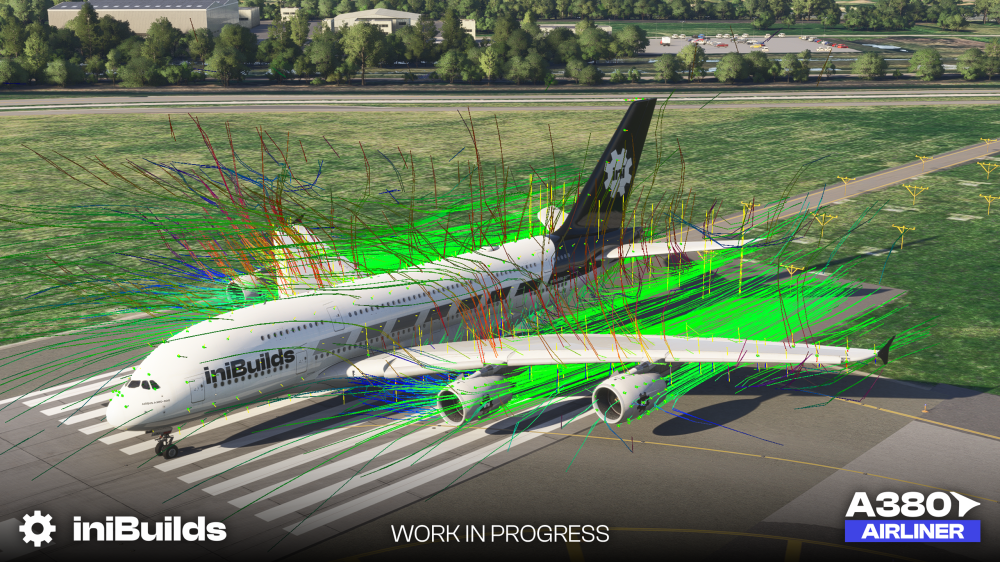
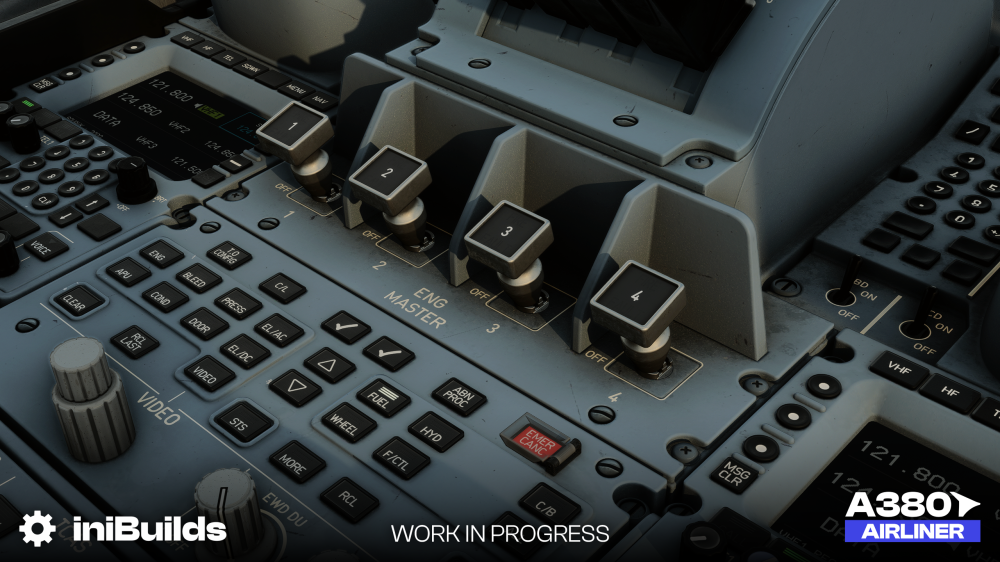
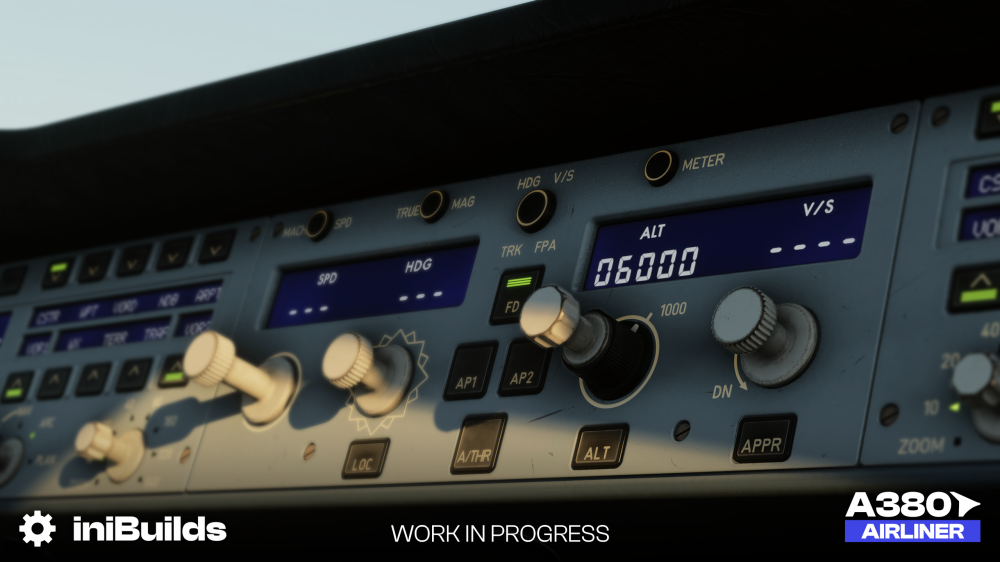
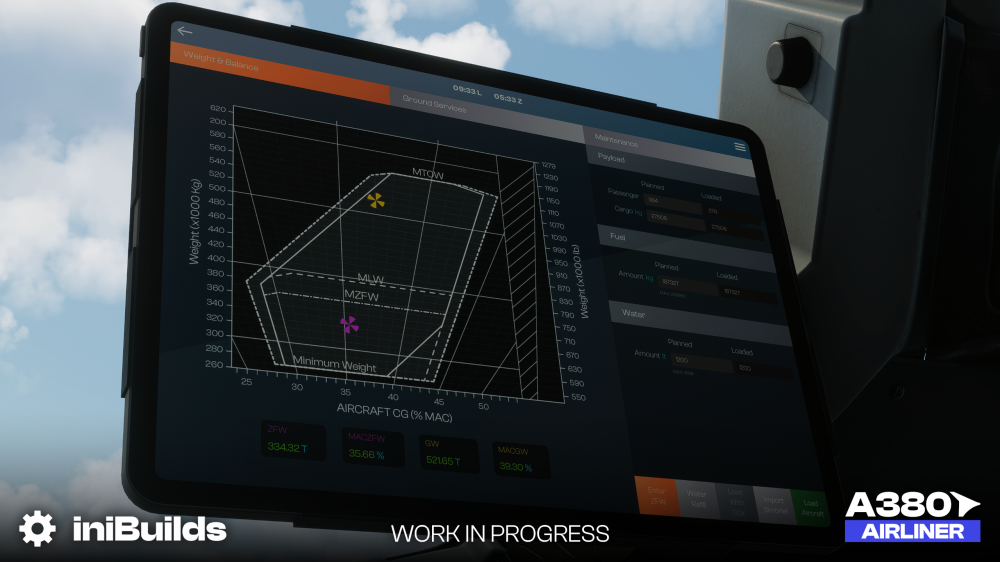
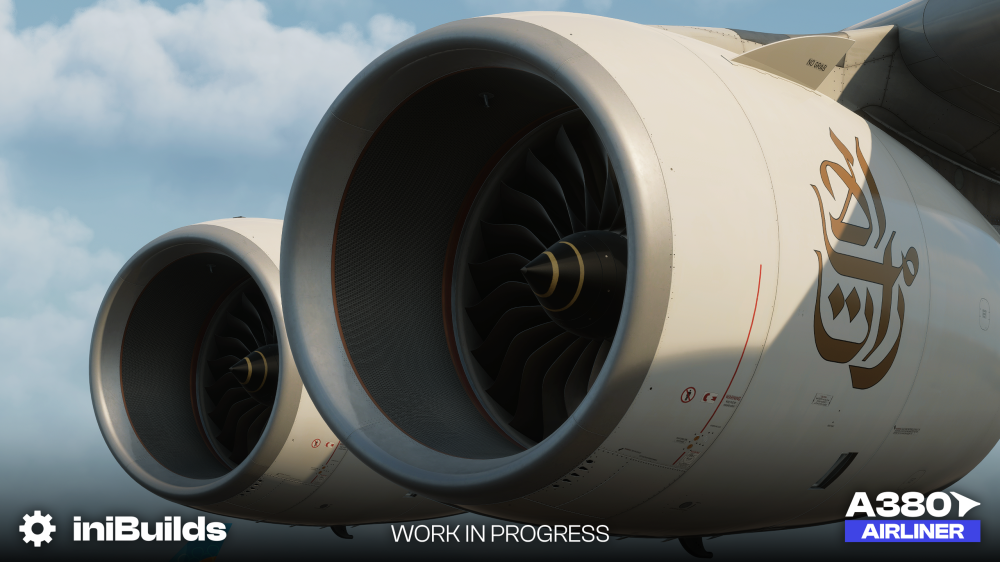
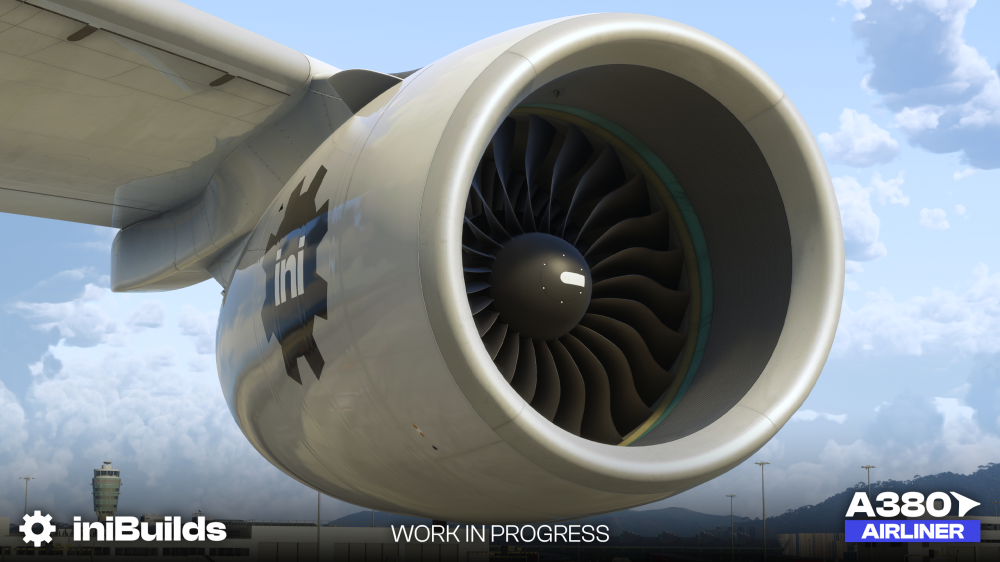
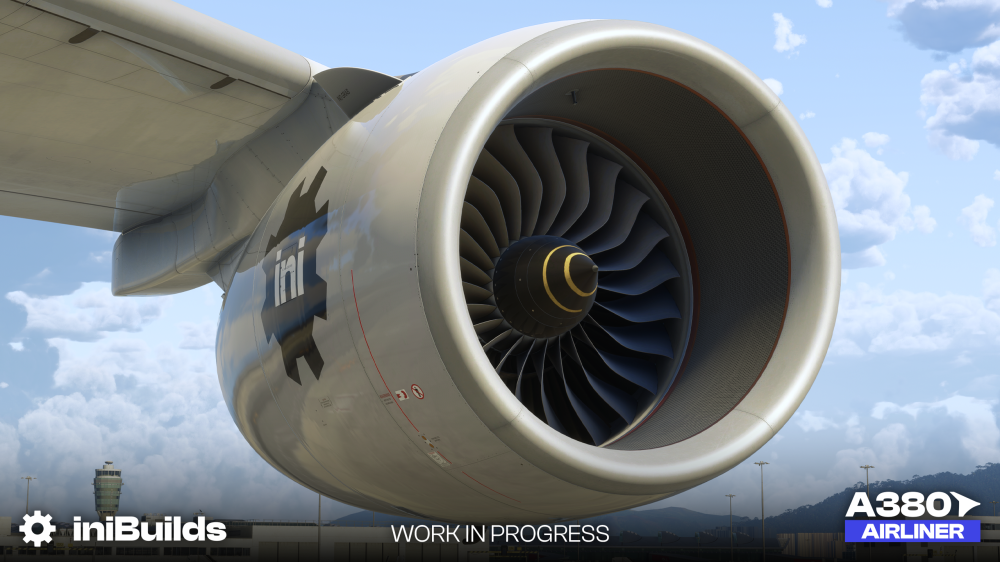
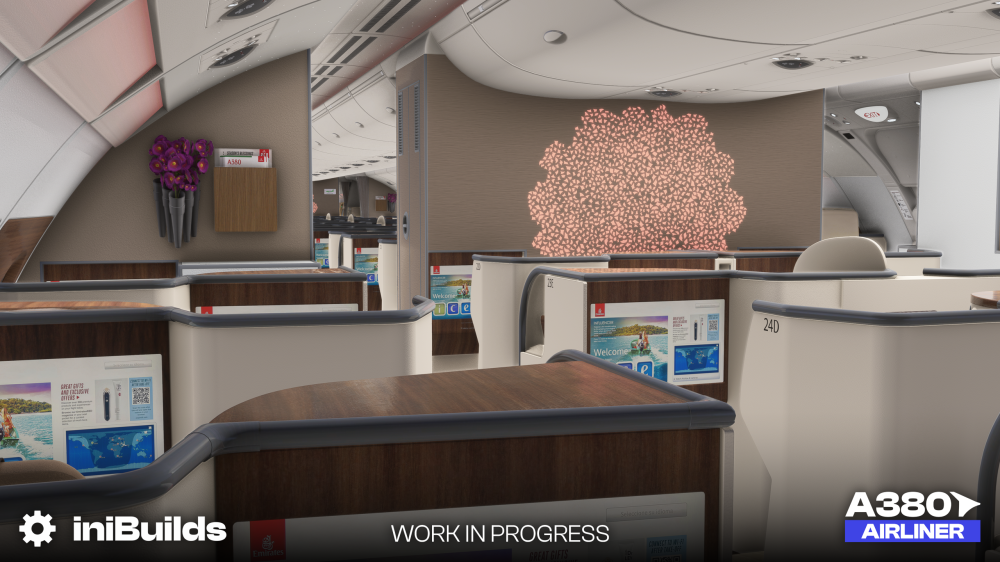
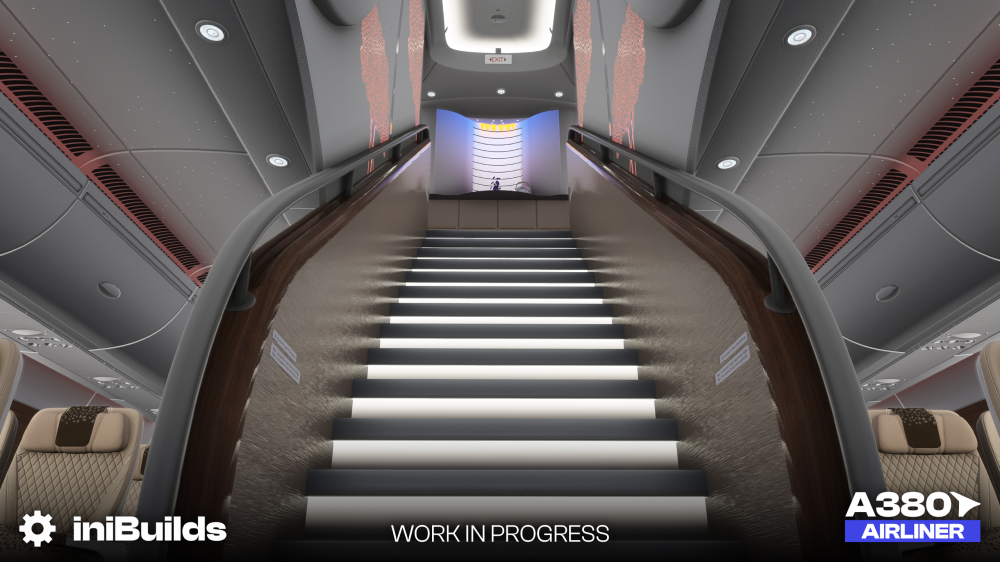
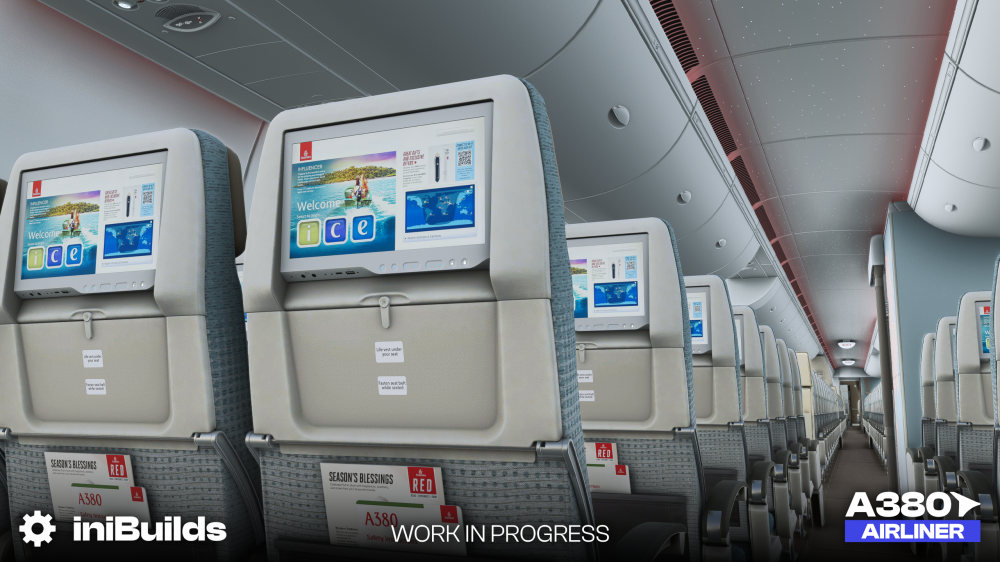
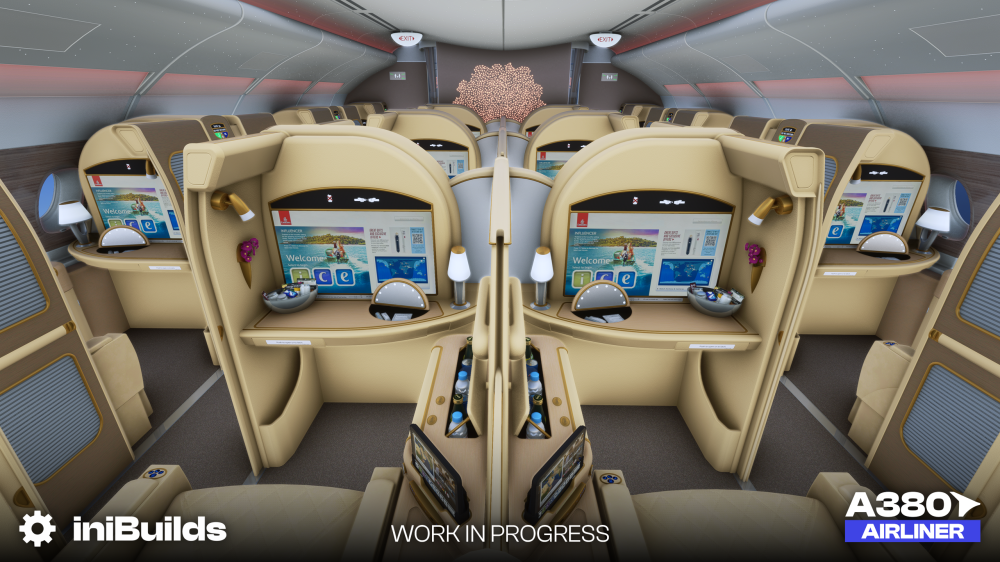
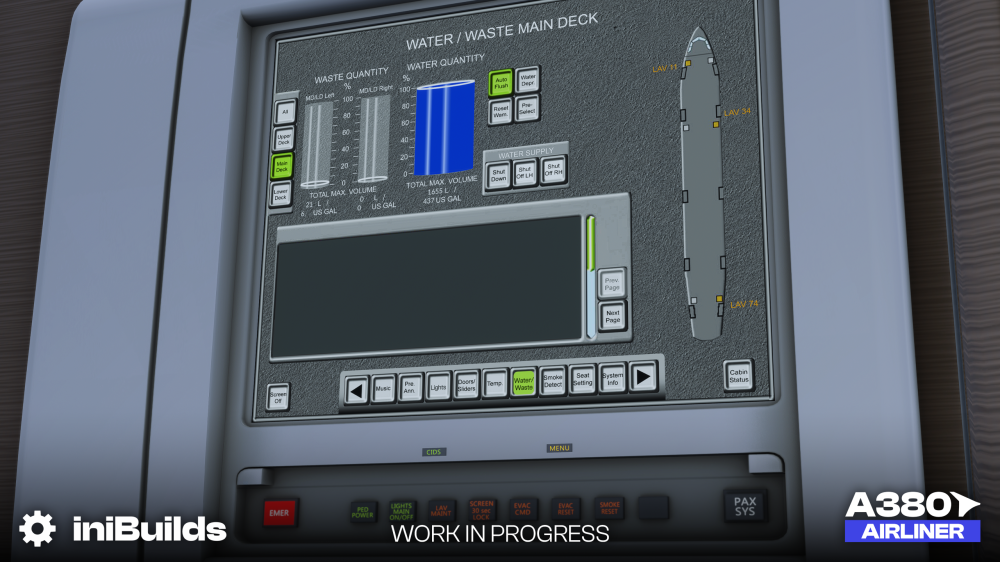
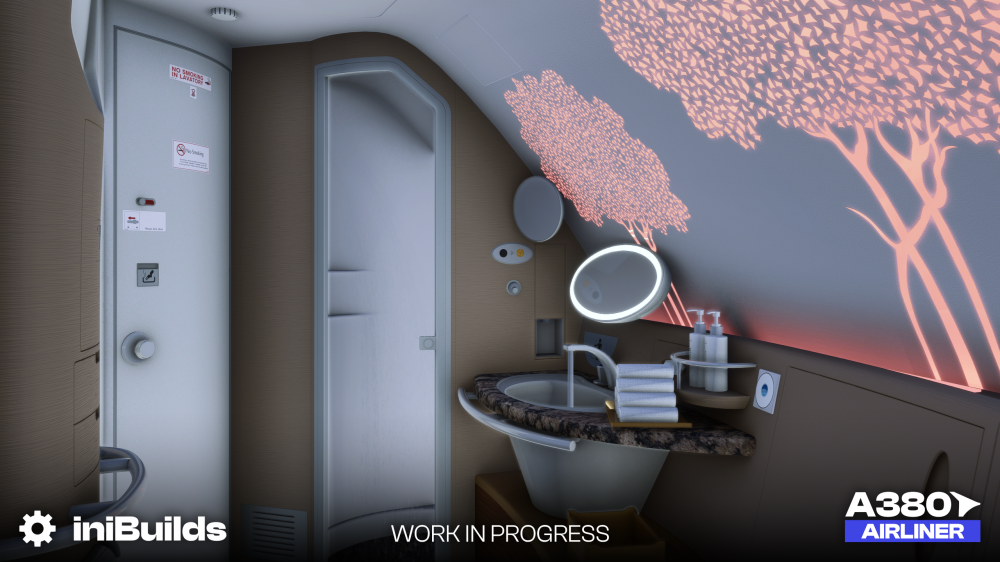
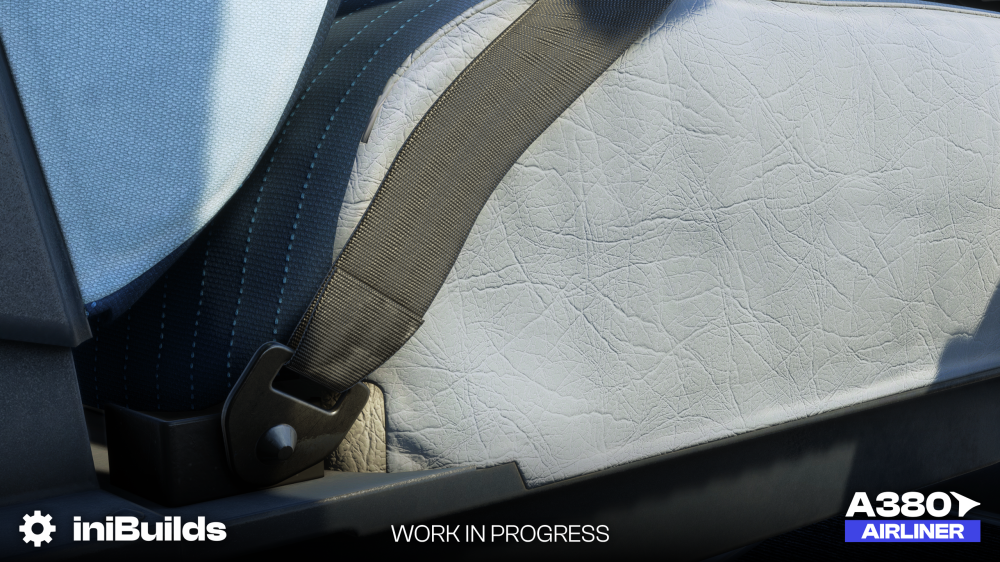
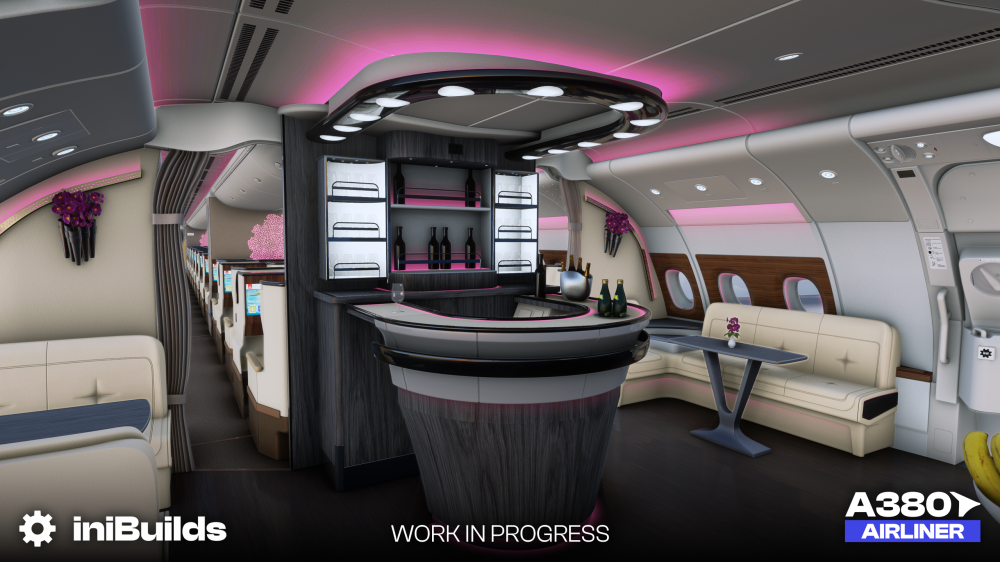
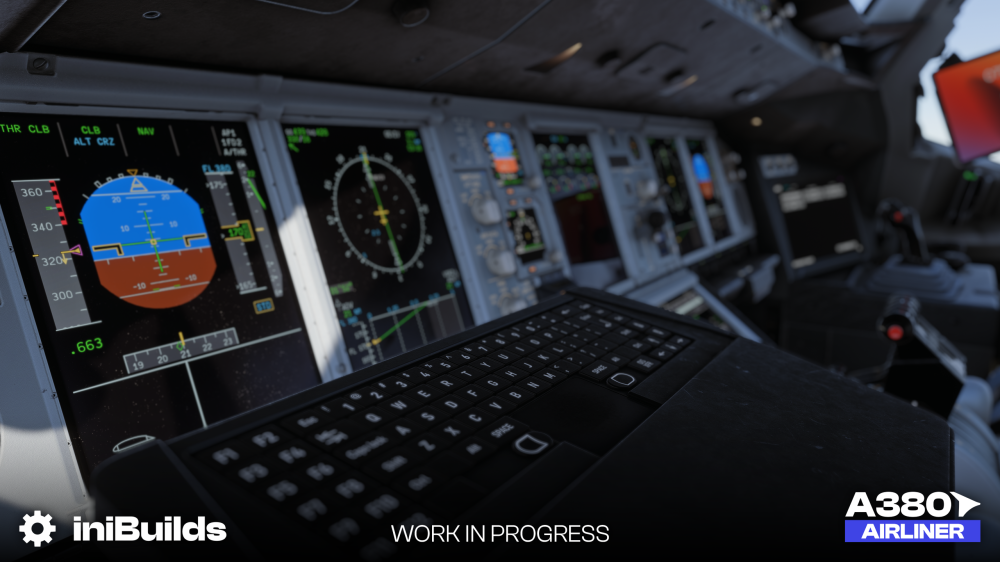
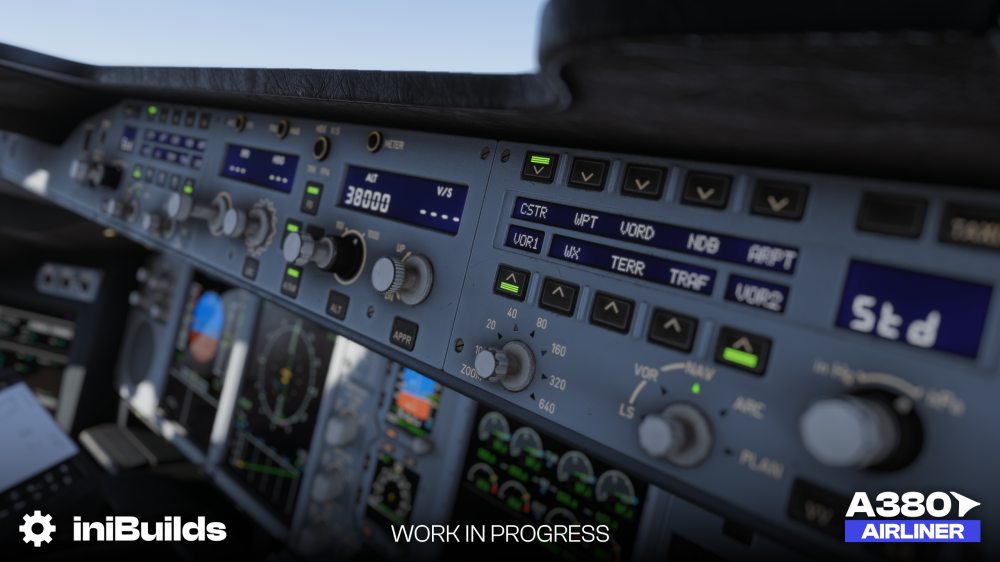
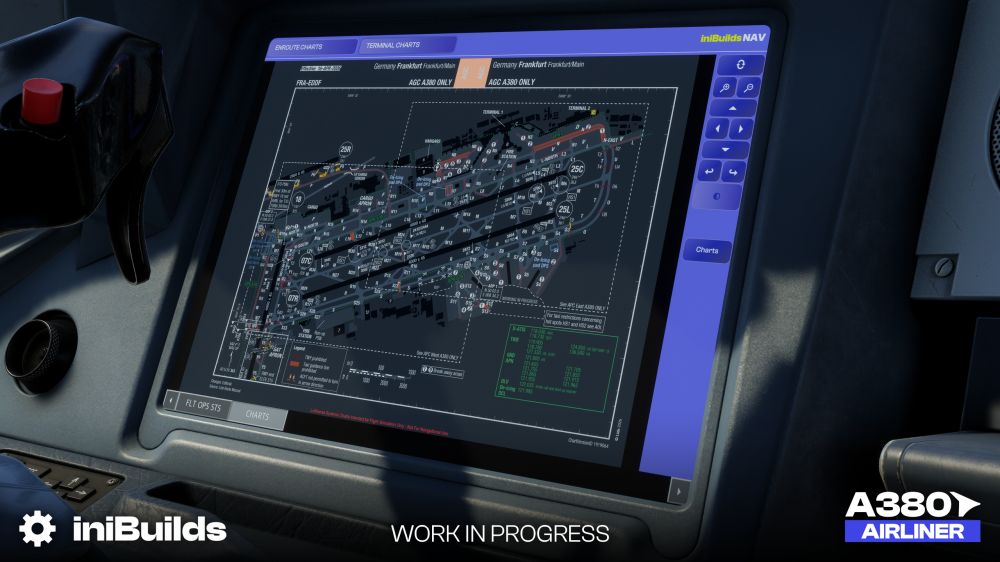
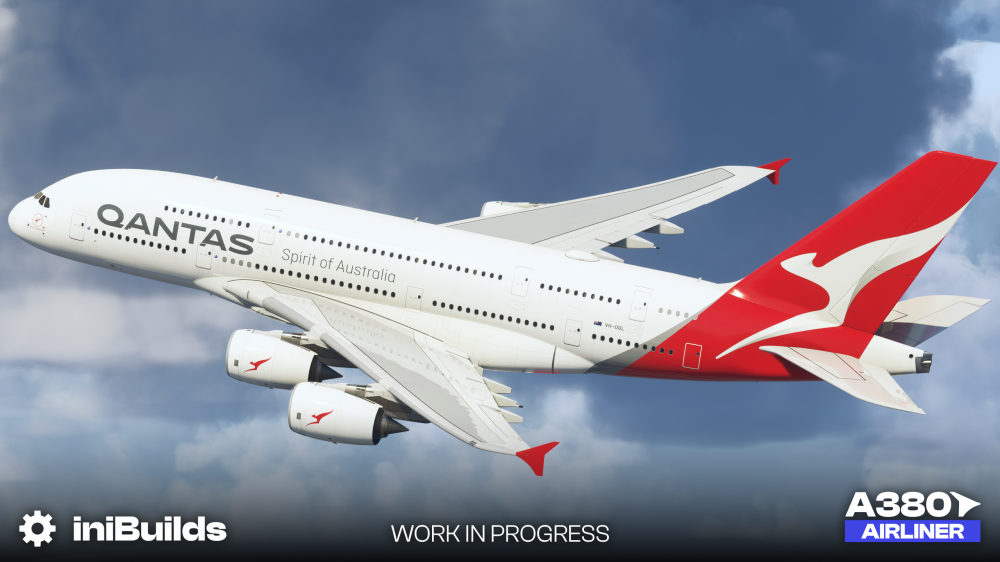
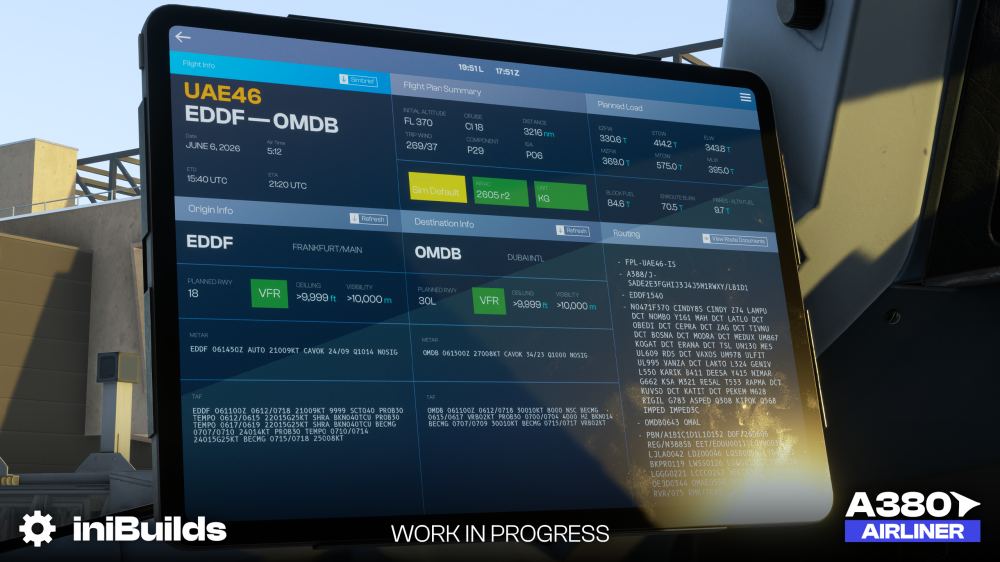
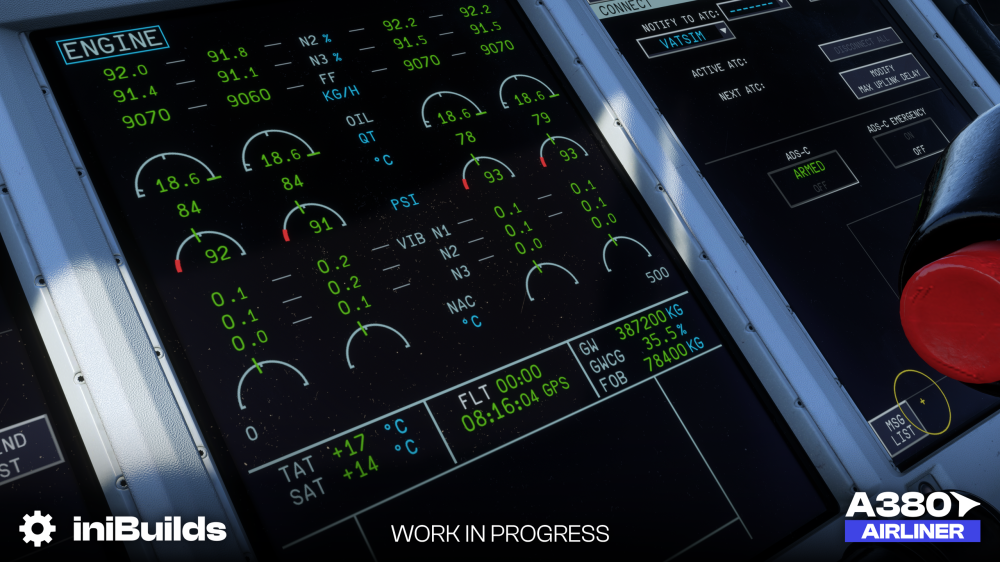
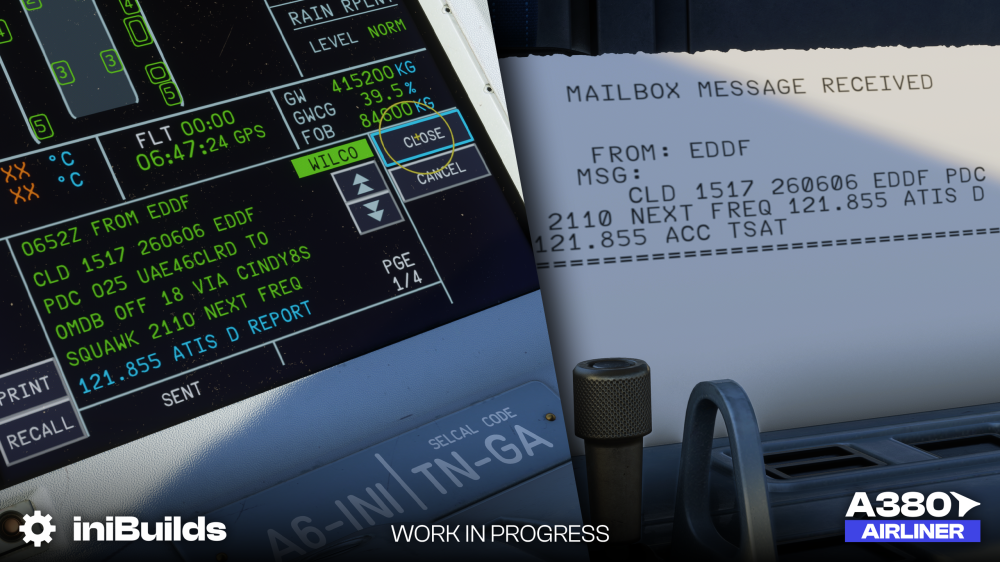
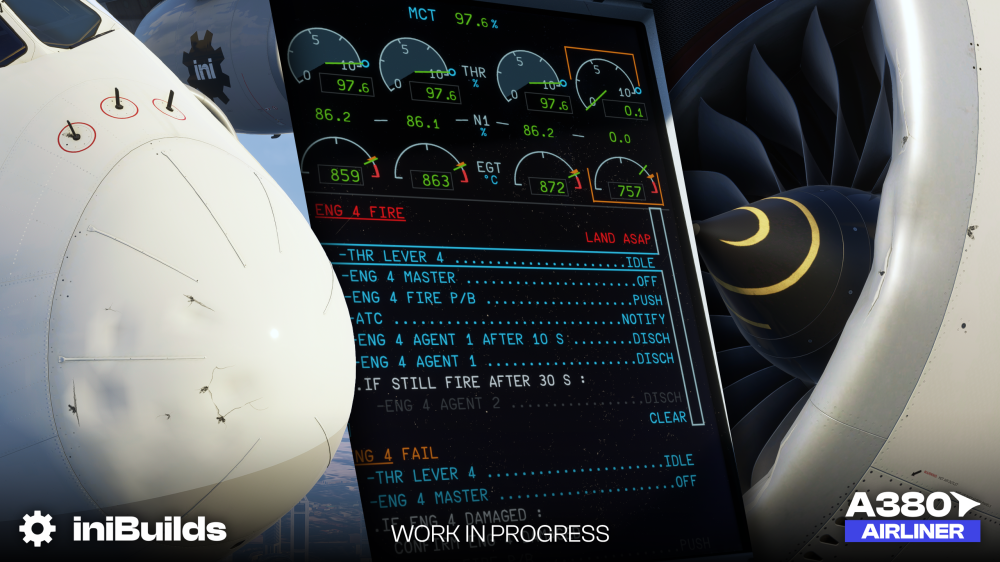
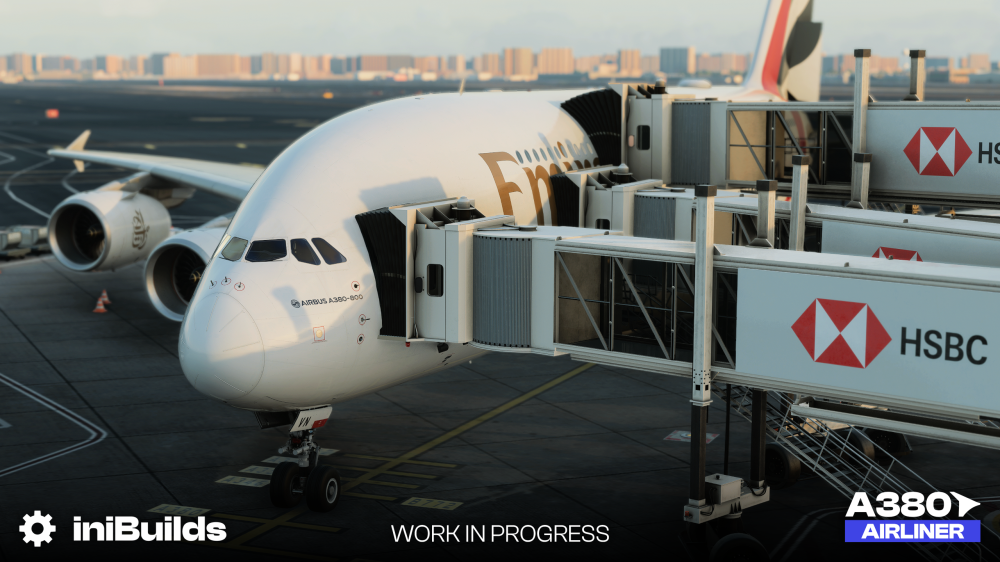
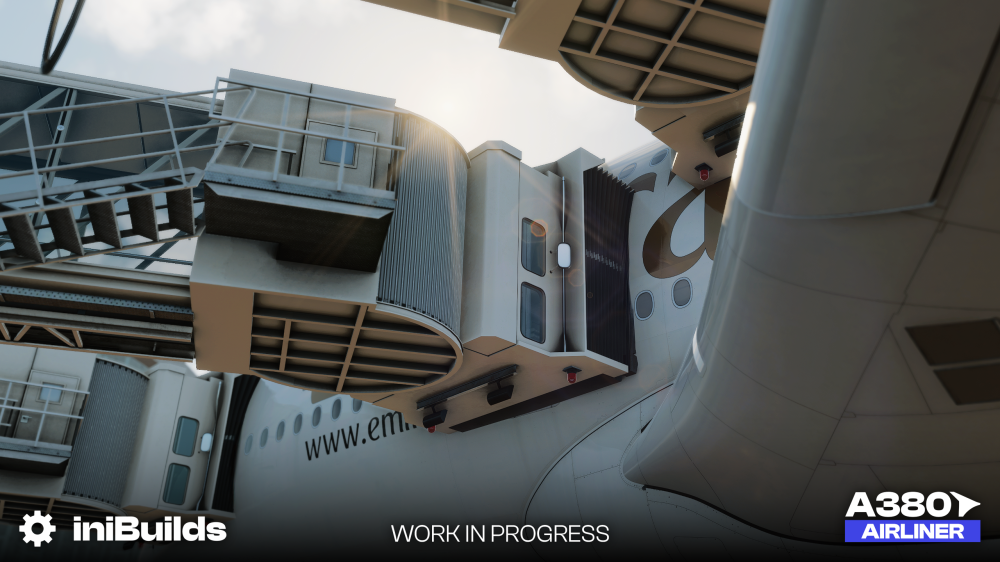
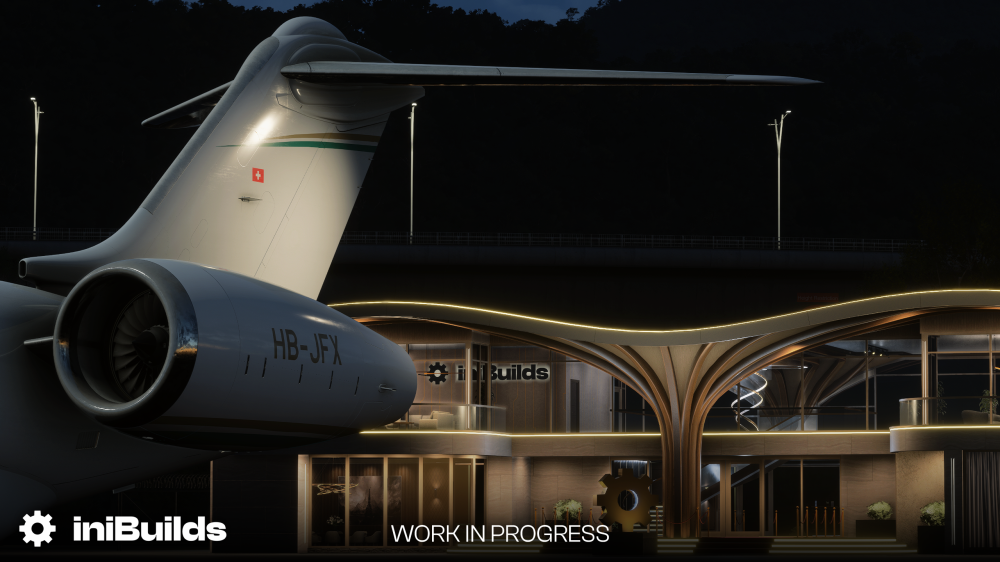
Hello! We hope all of you are having an excellent week so far and are enjoying the iniBuilds Summer Surprises 2026 – we've been dropping some fantastic deals and announcements for you throughout this week and we're not stopping just yet! We've still got one more day left of Summer Surprises, so be sure to check out the event page so that you don't miss out on tomorrow's deal! ☀️Summer Surprises Event Page: https://inibuilds.com/pages/summer-surprises Today we wanted to bring you another Aircraft Dev Update, specifically written for the upcoming A380 Airliner! With that in mind, welcome back to another iniBuilds Aircraft Development Update! However, before we jump into the main focus of today’s update – the iniBuilds A380 airliner, we want to address our commitment to the existing aircraft we have and highlight some of the work recently undertaken. Since our last development update back in March, the team have been busy pushing updates across our current airliner lineup, including the A350, A340 and of course the TriStar Airliner, which was released back in March now! Alongside this, both the A340 and A350 Airliners have benefited from a steady stream of updates, delivering bug fixes, feature enhancements, and continued WASM optimisation work. Recent efforts have focused heavily on improving memory handling, data efficiency, and overall system robustness within the MSFS WASM environment, helping to deliver greater stability, improved runtime consistency, and a smoother experience during more demanding scenarios. As always, supporting our existing products remains a core part of our commitment to the community as we continue developing future projects. The TriStar has also been receiving plenty of attention since release. Since it arrived on the Microsoft Flight Simulator Marketplace, we’ve released several updates focused on improving systems behaviour, autopilot and flight director logic, PMS / VNAV functionality, INS navigation, engine systems, fuel behaviour, electrical logic, pressurisation, cabin systems and overall flight handling. We’ve also added quite a few new features to the TriStar since release, including fuel jettison, progressive fuelling and loading, auto-fuel management, Pause at Top of Descent, expanded PFB map functionality, time compression, default keybind support, improved INS/map behaviour, TCAS and GPWS improvements, brake temperature simulation, engine start-up smoke and various PFB workflow improvements. You can read about all of the latest additions to the TriStar in the V1.0.5 update changelog: HERE. As well as watch these features in action in the showcase video: HERE. As always, a lot of these updates have come directly from community feedback and reports, so thank you to everyone who continues to fly the aircraft and let us know what you’re finding. It really does help us improve things quickly and continue refining the aircraft in the iniBuilds fleet. A380 Airliner 🌐The A380 project also holds a special place within iniBuilds. Originally announced in 2019, it was one of the earliest long-term aircraft projects undertaken by the team. Since then, both the simulator platform and iniBuilds itself have evolved significantly. What began as an ambitious concept has ultimately benefited from years of experience gained through the development of a wide variety of aircraft. The result is an aircraft that has been able to leverage technologies, workflows and lessons learned from every major airliner project that came before it. Let’s get started. Electronic Flight Bag 📱The A380 introduces a new generation of Electronic Flight Bag technology within the iniBuilds Airliner series. The overall structure has been redesigned to better reflect modern airline workflows, with a clearer separation between aircraft-specific operational tools and external applications. The front page acts as a central hub, providing quick access to operational functions while maintaining a clean and intuitive interface. One of the key additions is the new Weight & Balance system, allowing pilots to configure payload and fuel states directly from the EFB. This system integrates seamlessly with SimBrief import functionality and supports realistic loading workflows for both turnaround and long-haul operations. Navigraph integration remains fully supported, alongside the expected collection of operational tools, charts, and flight planning utilities that have become a staple of the iniBuilds ecosystem. Flight Model 🛫The Airbus A380 presents unique challenges when it comes to flight dynamics. With its immense size, high inertia, and distinctive handling characteristics, creating a believable flight model requires much more than simply scaling up a smaller aircraft. The A380 takes full advantage of the latest flight model technology available in Microsoft Flight Simulator 2024. This includes Computational Fluid Dynamics (CFD) enabled calculations across the wing, allowing for more accurate airflow simulation and a dynamic response to changing weather conditions, particularly in turbulent or windy environments. Complementing this is the use of MSFS 2024's new fuselage object system, which enables the simulator to recognise the aircraft's true physical shape rather than relying on a simplified generic profile. This is particularly important for an aircraft like the A380, whose distinctive double-deck fuselage creates unique aerodynamic characteristics. The same technology extends to the engine nacelles, allowing for more realistic airflow interactions and improved handling behaviour during crosswind operations. Particular attention has also been paid to accurately modelling the differences between the Engine Alliance GP7200 and Rolls-Royce Trent 900 powered variants. While both aircraft operate within the same Airbus framework, subtle differences exist in thrust response, acceleration characteristics, and overall performance behaviour. Take-off and climb performance has been tuned across a wide range of operational weights, ensuring the aircraft behaves realistically whether operating a short positioning flight or departing at maximum long-haul take-off weight. The aircraft's mass and momentum have been carefully represented throughout all phases of flight. From taxi operations to flare and landing rollout, pilots should immediately notice the unique characteristics associated with operating the world's largest passenger aircraft. Ground handling has received significant attention, including tuning for the A380's wheelbase and rear assisted steering system. One advantage throughout development has been our access to multiple active, type-rated A380 pilots operating the aircraft today. Thanks to the geographical location of several team members in the Middle East, we have been able to gather regular real-world feedback and operational insights directly from crews flying the aircraft on a daily basis. This continuous feedback loop has been invaluable in validating and refining the aircraft's handling qualities, performance characteristics, and overall operational behaviour. Systems Development 🎛️Systems development continues at a strong pace and represents one of the largest areas of work on the project. The A380 Airliner features one of the most comprehensive and complex systems environments we have ever developed. From the Flight Management and Guidance System, ECAM environment and fly-by-wire architecture through to fuel, hydraulic, electrical and cabin management systems, virtually every major aircraft system has continued to evolve throughout development. Significant effort has been dedicated to expanding functionality, refining behaviour and validating performance across a wide range of operational scenarios, helping to ensure the aircraft delivers an authentic and highly capable simulation experience throughout every phase of flight. The Flight Management and Guidance System includes comprehensive lateral and vertical navigation functionality, performance calculations, managed and selected guidance modes, alternate planning, step climbs, route modifications, holds, constraints and other operational tools expected from modern Airbus operations. The aircraft also features Navigraph OANS integration, bringing airport navigation capabilities directly into the cockpit environment. Communication workflows have been expanded through support for Hoppie and SayIntentions integration, providing CPDLC and ACARS functionality that allows users to interact with modern datalink systems, operational messages and ATC clearances. Detailed ECAM simulation forms a major part of the aircraft experience. This includes normal and abnormal system pages, memo logic, caution and warning handling, status processing, phase-based inhibition logic and a broad range of operational procedures. Engine modelling has been developed independently for both the Engine Alliance GP7200 and Rolls-Royce Trent 900 variants, including FADEC logic, spool behaviour, thrust response, fuel flow calculations and engine-specific ECAM indications. Advanced brake and brake temperature modelling has been developed to reflect the unique demands of operating an aircraft of this size, including energy absorption, cooling behaviour and heavy-aircraft braking characteristics. The fuel system incorporates detailed modelling of the A380’s complex fuel architecture, including trim tanks, feed sequencing, balancing logic and long-haul fuel management procedures. Electrical and hydraulic systems have been built around the aircraft’s extensive redundancy architecture, supporting normal, abnormal and degraded operating conditions. Fly-by-wire control law simulation includes Airbus protections, normal law handling, pitch and roll behaviour, flare logic and envelope protection systems. Cabin systems include doors, slides, bleed air systems, pressurisation, packs and environmental controls. Given the unique nature of the A380, water management also plays a significant operational role. With multiple lavatories spread across two decks and support for premium features such as onboard shower facilities, crews must actively monitor and manage water distribution through the Flight Attendant Panel (FAP). Failure to properly balance water usage throughout a flight can result in depleted tanks and inoperative washrooms in certain cabin zones, accurately reflecting one of the real-world operational considerations faced by A380 operators. Persistent aircraft states are also supported. Fuel quantities, hydraulic states, wear and tear items and other operational parameters are stored on a per-livery basis and carried between sectors. Failure modelling includes realistic ECAM-driven abnormal procedures and interconnected failure behaviour. Enhanced scenarios include bird strikes, engine damage, GPS jamming events and various operational abnormalities. Sound Development 🔊The A380 features a comprehensive sound suite covering engines, airflow, avionics, cockpit interactions, system alerts, environmental effects and cabin ambience. Significant work has gone into ensuring these elements blend together naturally, creating a soundscape that evolves throughout every phase of flight. From the deep presence of four high-bypass turbofan engines during take-off to the quieter ambience of cruise, the aircraft delivers the sense of scale and mass expected from the world's largest passenger airliner. Within the cockpit, interactions are driven by a detailed Foley system that allows switches, buttons, rotaries, levers and guards to produce sounds based on their actual movement and operation. This creates a more authentic and responsive flight deck environment, while ensuring consistency across the hundreds of controls found throughout the aircraft. Engine, airflow and system sounds have also been carefully balanced to ensure important cues remain audible without compromising immersion during high-workload phases of flight. Particular attention has also been paid to positional audio and environmental transitions throughout the aircraft. Sound levels and characteristics change dynamically depending on your location, whether seated in the cockpit, standing by a boarding door, moving through the passenger cabins, or exploring the upper deck. This helps reinforce the immense scale of the aircraft and creates a more believable onboard environment. Beyond the cockpit, the cabin itself is a key part of the experience. External noise subtly leaks through open cabin doors during boarding, the acoustic environment changes as you move between different areas of the aircraft, and passenger spaces each have their own distinct atmosphere. Of course, no A380 experience would be complete without the iconic onboard lounge, where passengers can relax to ambient background music while cruising at 40,000 feet. This is just a small preview of what is on offer, and we look forward to showcasing much more of the A380's soundscape in upcoming development updates, livestreams, and official previews as we continue our journey towards release. Cockpit Showcase 🔥The A380 flight deck has been one of the most significant artistic undertakings within the project. It has progressed significantly over recent months, with ongoing work across modelling, texturing, displays, lighting and countless smaller details throughout. One of the key goals for the project has always been to accurately capture the unique feel of the A380 Airliner flight deck. Whilst modern Airbus cockpits naturally share many similarities, the A380 Airliner still has its own identity, and a great deal of effort has gone into ensuring the overall layout, proportions and presentation reflect the real aircraft as closely as possible. One area we have paid particular attention to is Ambient Occlusion. While it can sound like a small technical detail, it plays a major role in how Microsoft Flight Simulator interprets light across the aircraft. Ambient Occlusion helps define how much light naturally reaches each surface, panel gap and recessed area, providing the depth and grounding required for a believable cockpit environment. For an aircraft as large and detailed as the A380, maintaining this balance is especially important. The cockpit needs to perform convincingly across bright daylight, overcast conditions, complex reflections and night operations. Another key area of focus has been our use of detail materials. Rather than relying purely on large texture sheets, detail materials allow us to introduce fine surface characteristics such as leather grain, subtle roughness variation, wear patterns and close-up panel detail while maintaining excellent performance. This allows the flight deck to remain sharp and tactile when viewed up close while still being efficient from a rendering perspective. Overall, the A380 flight deck represents a careful balance between visual quality and performance, with every decision made to ensure the cockpit feels detailed, believable and efficient in everyday use. From lighting response to material depth and close-up surface detail, our goal has been to deliver a flight deck that looks and feels worthy of the aircraft while still performing to the standard our users expect. As with every iniBuilds Airliner, you should expect nothing less than a focused, polished and highly immersive experience. Cabin Showcase 💺The Airbus A380 is perhaps best known for its passenger experience, and recreating that environment has been a major focus throughout development. Our aircraft has been modelled in an Emirates-style four-class configuration, capturing many of the iconic areas and features that have become synonymous with the aircraft. This includes the forward shower spas, the onboard lounge and bar, premium cabin amenities, multiple cabin lighting configurations, the iconic star ceiling effects, decorative interior elements and countless smaller details throughout the aircraft. Of course, a cabin of this scale also brings major performance challenges. This has not been treated as an afterthought. Optimisation remains an ongoing focus throughout development, with continued work on node counts, texture sizes, LOD management and streaming behaviour. Combined with the modular attachment system available within Microsoft Flight Simulator 2024, this allows us to deliver a highly immersive cabin experience while maintaining performance as a core priority. Looking Ahead – Exterior Development ✍️While this update has focused primarily on systems, cockpit and cabin development, significant progress continues to be made on the exterior model. As we mentioned previously, one of the major goals from the outset was to ensure the external geometry accurately captures the distinctive appearance of the world's largest passenger airliner. From the aircraft's enormous fuselage and unique proportions through to smaller details across the wings, landing gear and control surfaces, a huge amount of time has gone into ensuring the aircraft looks right from every angle. This is all due to the fact that the exterior package has been approached with the same philosophy as the rest of the aircraft, focusing on detail, realism and performance. A key part of this work has been our use of decal-based rivets and panel lines, allowing us to achieve crisp close-up detail without relying on excessive texture density. The package includes both Rolls-Royce Trent 900 and Engine Alliance GP7200 variants, authentic lighting systems, animated doors, correctly steering centre gear assemblies, service hatches and numerous interactive exterior components. As with our latest Airliner products, the aircraft also includes a comprehensive immersion package featuring tyre physics, tyre wear and a variety of operational details designed to bring the aircraft to life during ground operations. We will be exploring the exterior in significantly greater detail in future updates, including further showcases of the model, textures, liveries and immersion features. As always, we expect to have liveries available for the major A380 operators at release, produced to the quality level our community has come to expect from iniBuilds. Watch the Trailer 📽️Now that we've shared a closer look at some of the work taking place across the project, we're incredibly excited to finally showcase the aircraft in motion, today marks the first proper look at the iniBuilds A380 Airliner in action! Featuring a variety of environments, operations and aircraft systems, our first official trailer highlights the scale, presence and ambition of this iconic aircraft whilst offering a glimpse of what's to come as development continues. Whether you're a long-time follower of the project or seeing the aircraft for the first time, we hope this trailer provides an exciting preview of the experience we're working hard to deliver. We know this is an aircraft that many of you have been eagerly waiting to see more of, and we're incredibly proud of where the aircraft stands today. Final Remarks 👀While there is still much more to share, we hope this update has provided some insight into the progress being made across the A380 project. In the coming weeks and months we will be taking a deeper look at exterior development, liveries, immersion systems, optimisation work and many of the features that have only briefly been touched upon here. The Airbus A380 has been a long journey for the team, and we are incredibly excited to finally begin sharing more of that work with the community over the coming months. But as one chapter begins to unfold, another is already taking shape... Thank you for your continued support, feedback and patience throughout development. The wait is almost over. iniBuilds Team ❤️
-
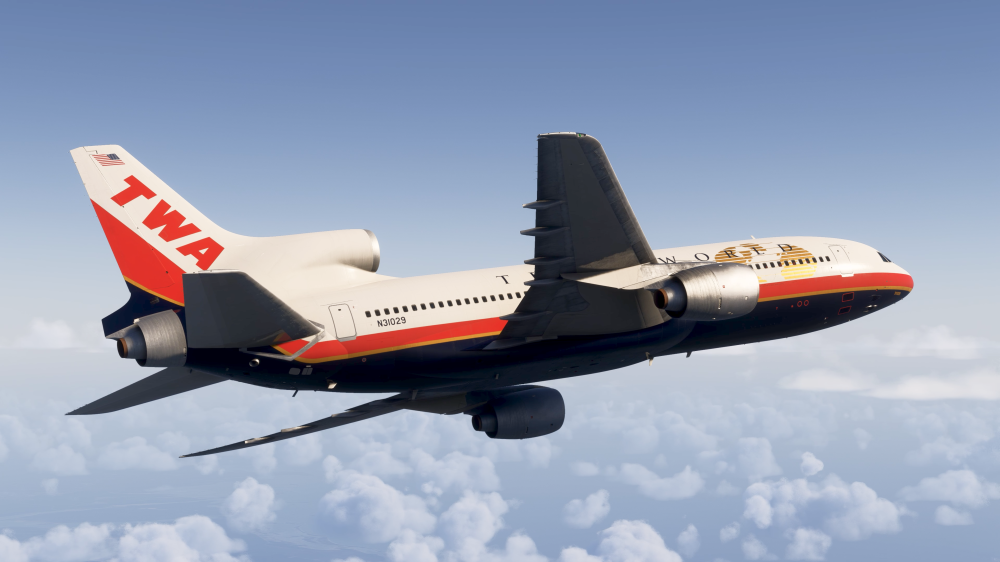
iniBuilds TriStar Airliner V1.0.7 Update 🚀The v1.0.7 update for the iniBuilds TriStar Airliner continues our ongoing effort to refine the overall aircraft experience, bringing major improvements across autoflight systems, navigation behaviour, approach logic, fuel management, electrical systems, and overall flight handling. This update places a strong focus on improving autopilot reliability and approach performance, with extensive fixes to VNAV, TM logic, INS navigation, autoland behaviour, wind correction, and control responsiveness. Alongside these core system enhancements, v1.0.7 also expands operational usability with new default keybind support across Autoflight and lighting systems, adds Time Compression functionality to the PFB, and includes a range of visual and quality-of-life refinements throughout the aircraft. This update can be downloaded via the In-Game Marketplace. V1.0.7SYSTEMS ⚙️ FIXED Add acceleration to all Glareshield AP knobs (IAS, VS, HDG, CRS1/2, ALT) in Legacy mode FIXED N1 Needle not matching readout at higher altitudes FIXED INS - Passing leg end waypoint in MAN freezes DIS/TIME to static value FIXED Approach - At 500ft RA, loses GS Tracking, levels off (too high) then nose-dives to ground FIXED WX Radar Functionalities FIXED - ELEC- Tank 1A/3A GVTY XFR Lights tied to DC1 and DC2 BUS FIXED - ELEC- Hyd Qty Indications tied to AC1 BUS FIXED - ELEC- Hyd Elec Pumps B3 tied to AC1 and C3 on AC3 bus FIXED - ELEC- Annunciator Tests tied to DC Main bus FIXED TM+VNAV is not working on stepped climbs under 10000ft FIXED EPR 000 when using TM+VNAV with FO PMS + AP2 FIXED Autopilot is inconsistent with regards to maximum bank angle & turning rate FIXED - ELEC - IVSI TCAS Screens tied to circuit 97 FIXED Only 1 AP switch should be engaged at a time except when ILS mode is selected FIXED Increased rudder effectiveness FIXED Engine 1 EPR bug is much slower/lags worse than Engines 2 & 3 FIXED AP modes cannot be operated by default autopilot keybinds (HDG, NAV, APPR, IAS HOLD, VS HOLD, ALT HOLD) FIXED Autoland Inconsistent - Dives or Floats FIXED Approach - At 500ft RA, loses GS Tracking, levels off (too high) then nose-dives to ground FIXED DH lights flashing intermittently FIXED Brake Temp Panel - Can select more than one wheels tile at a time FIXED Tanks 1 & 3 are being used while 1A & 3A still have fuel FIXED Radio NAVAID tracking still not holding proper wind correction. FIXED ALT mode engages when scrolling ALT target through current aircraft altitude FIXED PMS Updating weights during flight setup automatically FIXED Brake Temp indicator shows 0 instead of Ambient Temp when brakes are cold ADDED Default keybind assignments to various Autoflight Panel Buttons (AT, VS, ALT, MACH, HDG, NAV, INS, LOC, VOR, ILS and FD A) - Refer to FAQ List ADDED Default keybind assignments to exterior various lighting switches - Refer to FAQ List ART 🎨 FIXED RAF Liveries - Missing cockpit reg/selcal decal FIXED Reduced blue tint in flightdeck due to SU5 environment changes PFB📜 FIXED TO PERF LIMITS Mismatch ADDED Added time compression (on settings page)
-
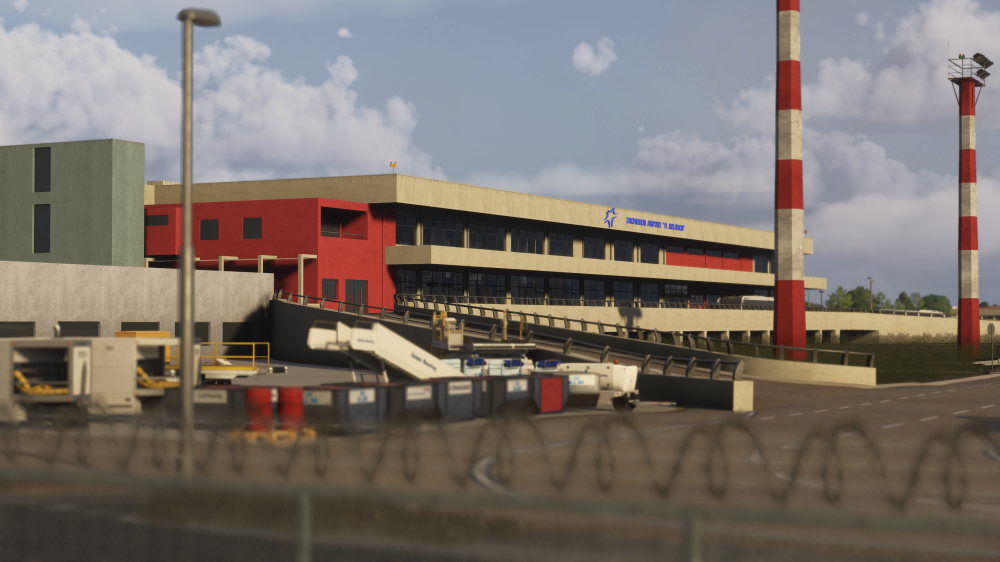
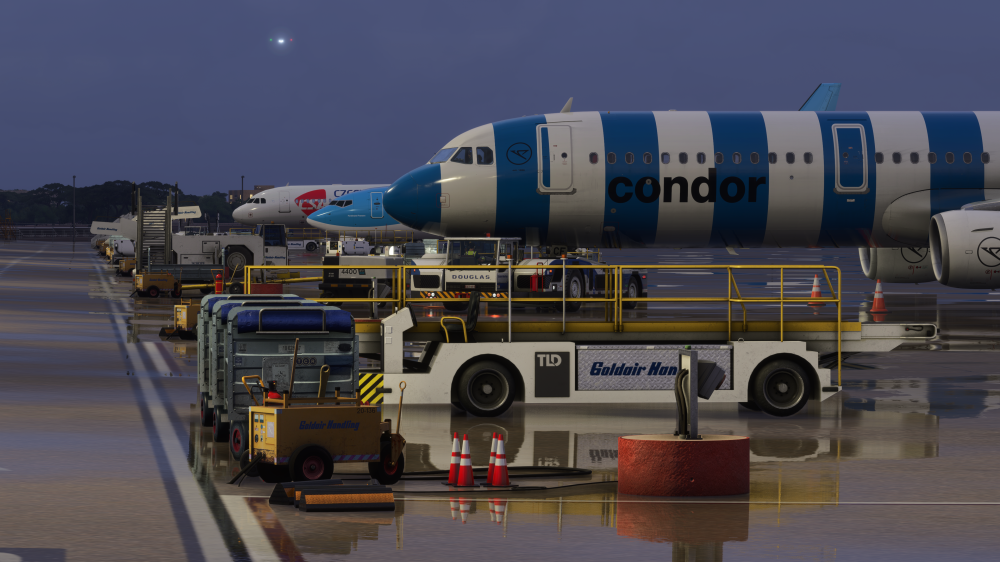
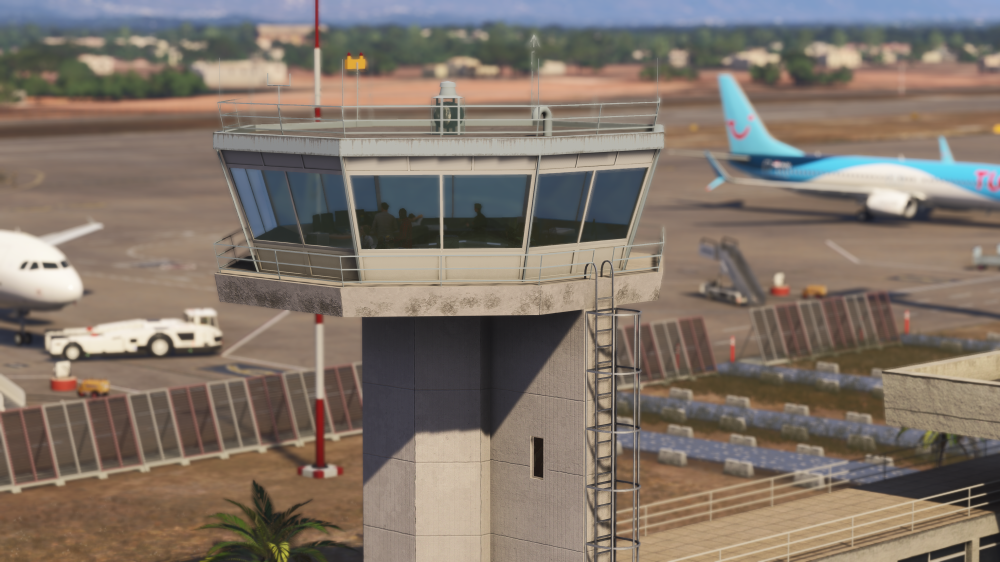
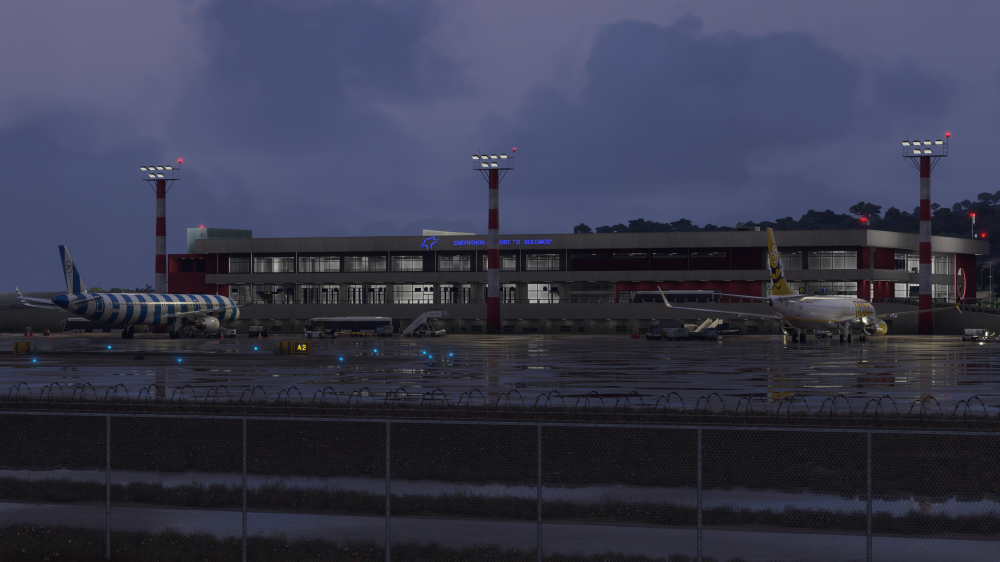
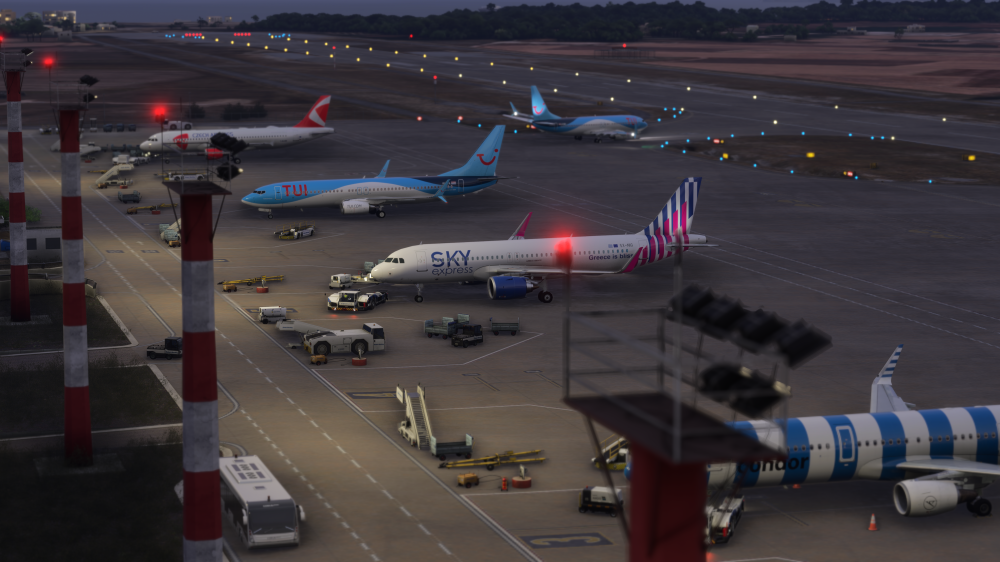
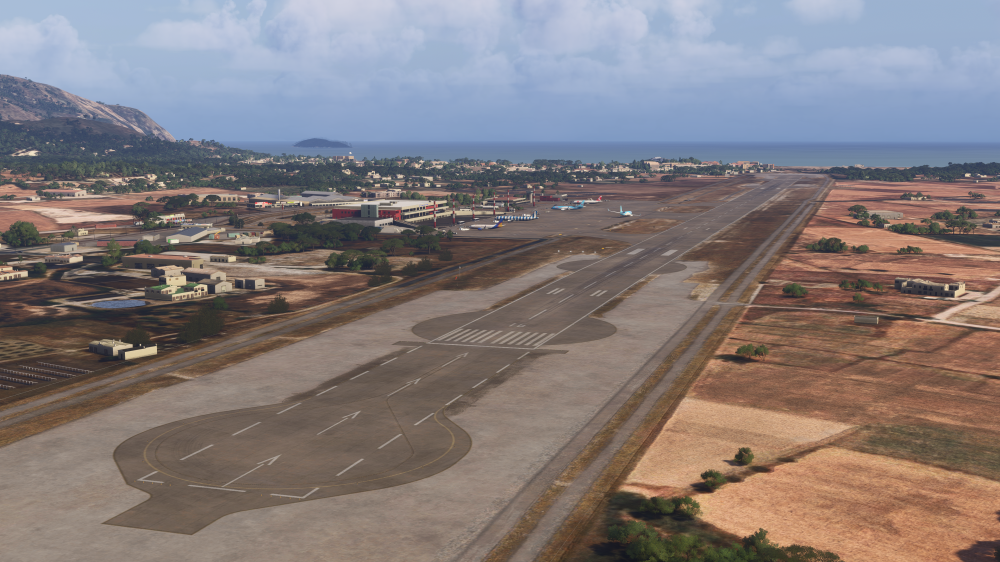
Welcome to Zakynthos International Airport (LGZA) 🌊✈️Step into one of Greece’s most iconic island destinations, where turquoise waters, sun-soaked coastlines, and vibrant summer operations come together. Zakynthos International Airport (LGZA) has been recreated in stunning detail for Microsoft Flight Simulator 2024, bringing the atmosphere and charm of this Mediterranean hotspot to life. Available now for just £9.99 (excl. VAT) Buy Now: https://inibuilds.com/products/inibuilds-zakynthos-lgza-msfs-2024 Discover Zakynthos International Airport! Located on the southern coast of the Greek island of Zakynthos, LGZA serves as one of the Mediterranean’s busiest seasonal airports, welcoming thousands of holidaymakers every summer from across Europe. Surrounded by the crystal-clear Ionian Sea, rugged hills, olive groves, and famous beaches, Zakynthos offers some of the most scenic arrivals and departures in the region. From packed aprons during the peak season to beautiful coastal approaches over the Ionian coastline, this rendition captures the atmosphere of Zakynthos with precision. Every detail has been carefully crafted to recreate the bustling summer energy and unique island character that makes LGZA such a memorable destination. Carriers & Routes Zakynthos sees intense seasonal operations throughout the summer months: Ryanair & easyJet - Extensive European leisure routes Jet2 & TUI Airways - Holiday and charter operations across Europe Condor, Eurowings & Discover Airlines - Seasonal German connections General Aviation & Island Hopping Traffic - Scenic flights around the Ionian Islands Whether you're operating a packed holiday charter, bringing in low-cost carriers during peak season, or exploring the Greek coastline in GA aircraft, LGZA delivers a uniquely Mediterranean flying experience. Scenery Features Custom ground textures across the entire airport area Real runway slope profile High-quality terminal interiors Detailed landside recreation with custom models High-quality SimObject behaviours Fully custom night lighting including runway and taxiway lighting GSX profile included (by RW Profiles – Elton Hjalmarsson) Custom taxiway signage High-quality, performance-optimised textures Custom Greek airside clutter reflecting real-world operations Custom surrounding buildings and environment models Optimised models with Level of Detail (LOD) for smooth performance 📽️ Watch the TrailerFrom scenic approaches over the Ionian Sea to busy summer turnaround operations, Zakynthos International Airport (LGZA) delivers a vibrant Mediterranean experience full of sunshine, holiday traffic, and island charm. iniBuilds Team ❤️
-
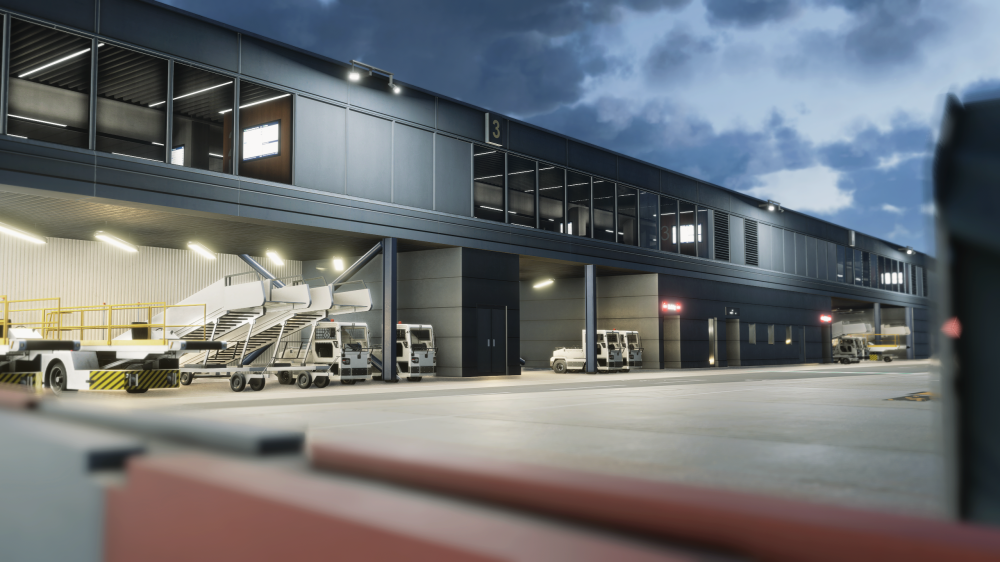
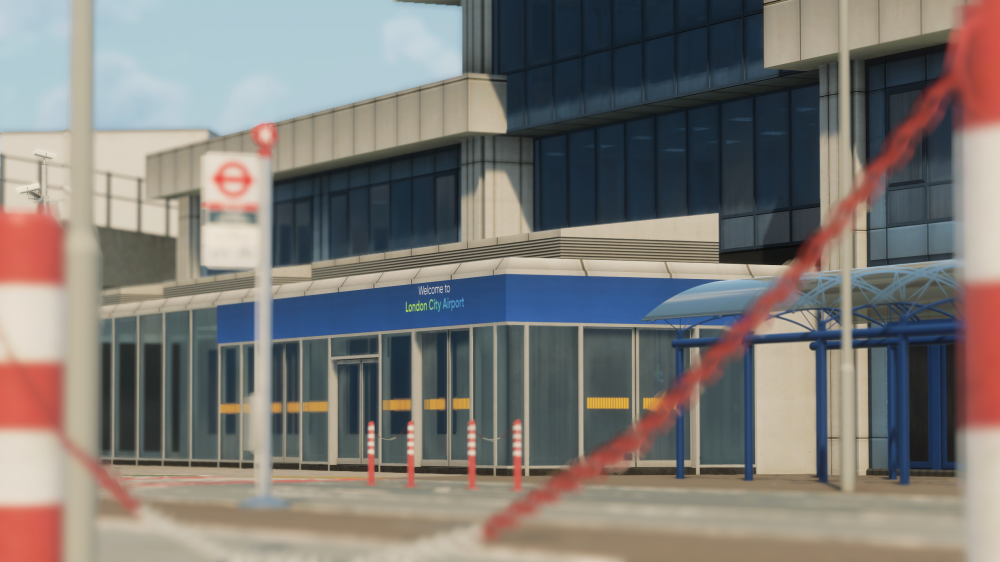
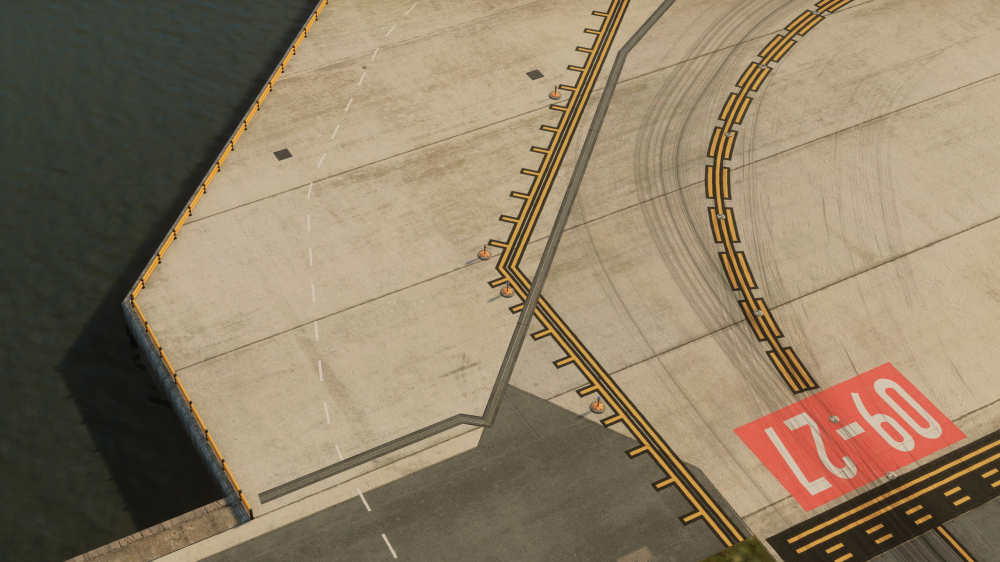
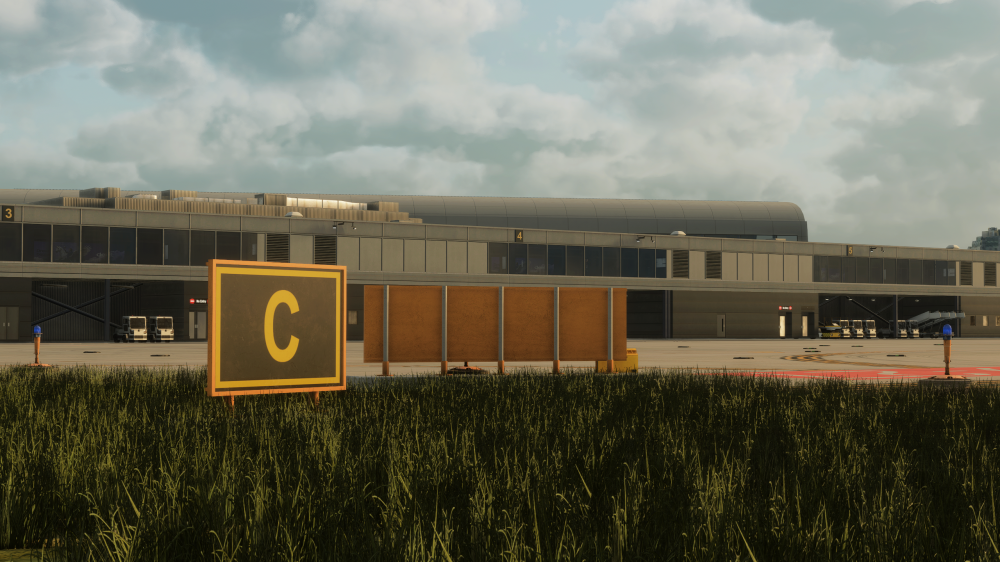
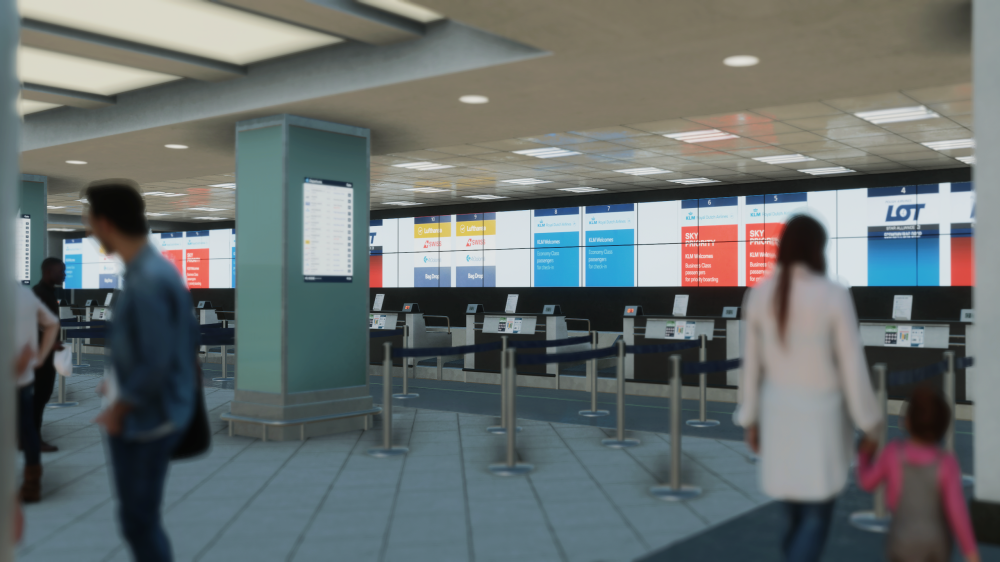
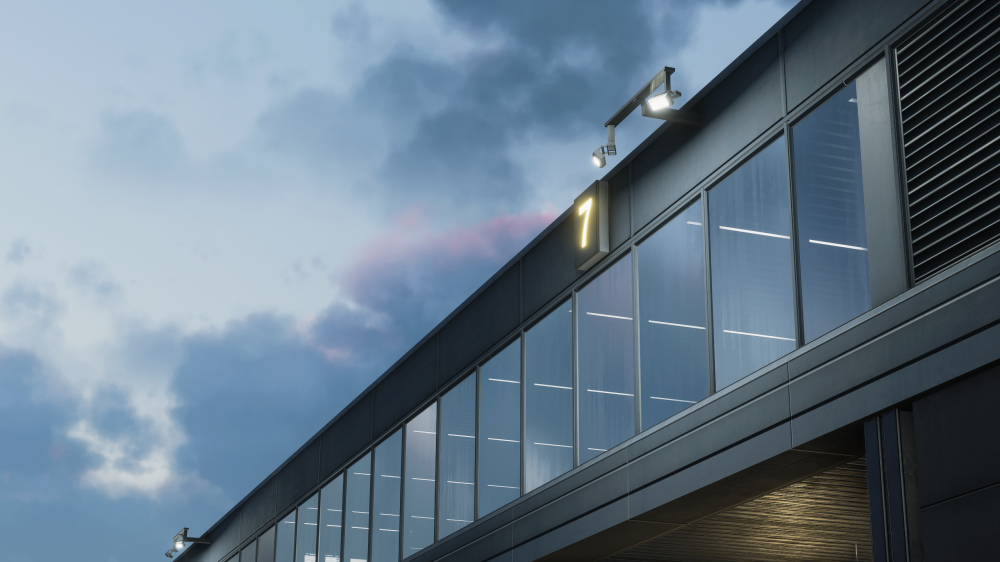
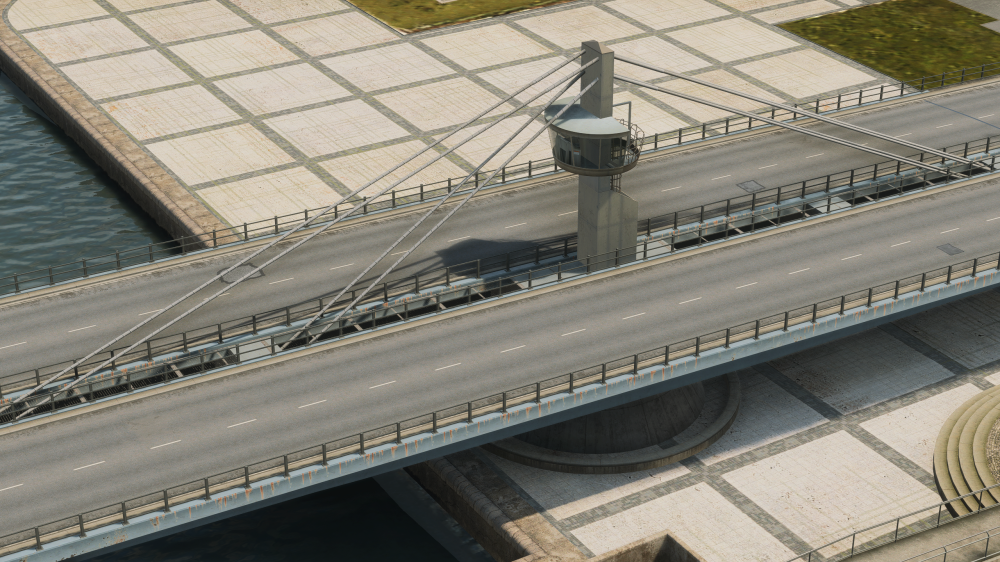
Welcome to London City Airport (EGLC)! ✈️Today, we’re excited to reveal our next upcoming scenery, London City Airport (EGLC), which is currently in the final stages of development for Microsoft Flight Simulator 2024! Situated in the heart of East London and surrounded by the iconic city skyline, London City is one of the world’s most unique commercial airports. With its steep approach profile, compact footprint, and distinctive docklands setting, London City offers an experience unlike anywhere else and we’ve worked hard to capture every detail that makes it so special. From the instantly recognisable terminal and apron layout to the surrounding docklands environment, this project has focused on recreating the atmosphere and feel of this unique London business aviation hub! London City may be compact compared to many international airports, but its density and complexity make it an incredibly rewarding airport to create for the sim. The stands, taxiways, service area, terminal features, and various surrounding infrastructure elements have been carefully developed to ensure a great visual experience throughout. We’ve placed a huge emphasis on the details that define the airport, including accurate airside layouts, bespoke ground textures, custom markings, realistic equipment placement, and the distinctive urban backdrop that makes every arrival and departure a true challenge, especially in those windier conditions! Scenery Features Hand-crafted ground textures featuring bespoke runway, apron, and landside materials True-to-life landside recreation with custom infrastructure, roads, and surrounding detail Accurately modelled and positioned airport lighting throughout the airfield Extensive collection of handcrafted airport buildings, objects, and ground equipment Highly detailed terminal interiors and exterior modelling Up-to-date airport layout reflecting current real-world operations Bespoke taxi signage built to real-world specifications Official GSX profile included Optimised LODs across all models for balanced performance Built using the latest MSFS 2024 SDK features Full iniManager compatibility Routes & Operations ✈️ London City Airport offers a diverse mix of operations despite its small size. From short-haul European business routes and regional services to corporate jets and specialist steep-approach operations, EGLC provides a truly unique style of flying, unlike anywhere else in the UK. The airport is well known for its challenging 5.5° approach, requiring certified aircraft and crews, making every arrival and departure an experience in itself. Whether it's the Airbus A220, E-Jets or private bizjets, London City provides an abundance of opportunities for entertaining operations! As we mentioned at the start, London City Airport is now entering the final stages of development and will be arriving soon for Microsoft Flight Simulator 2024. We'll be showing off all the usual things like a trailer and more screenshots, so keep an eye on our socials and discord for more updates soon! As always, thank you for your continued support. We cannot wait for you to get your hands on London City Airport! iniBuilds Team ❤️
-
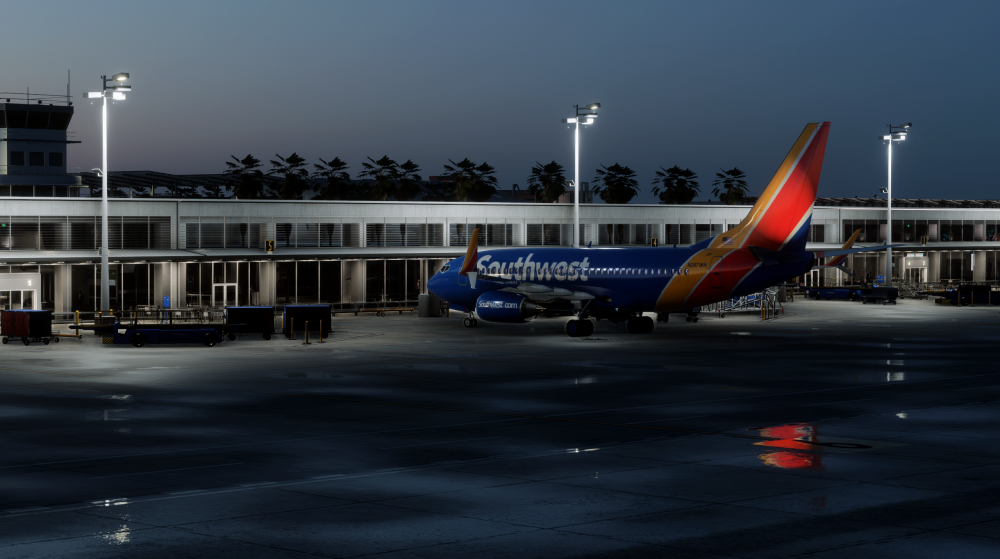
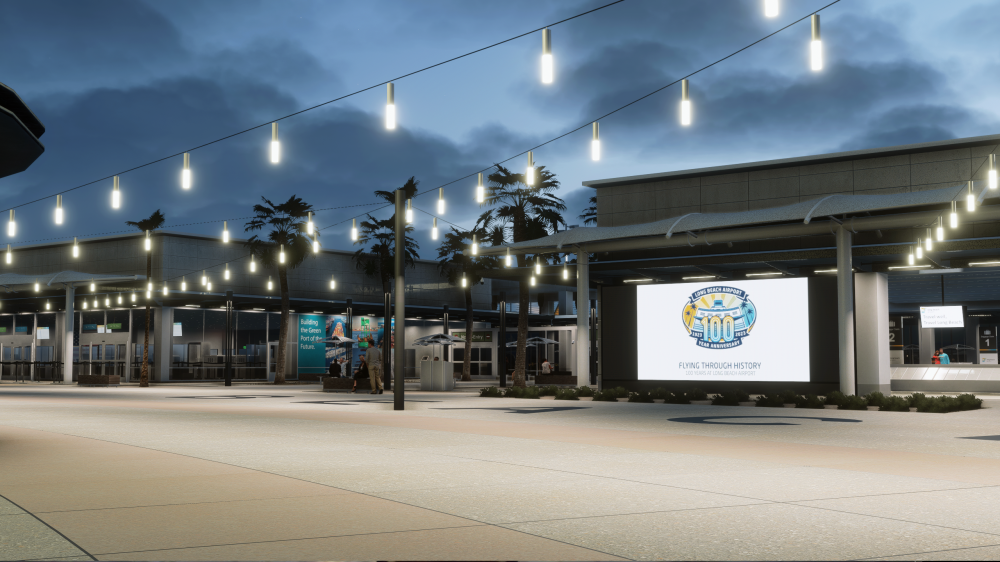
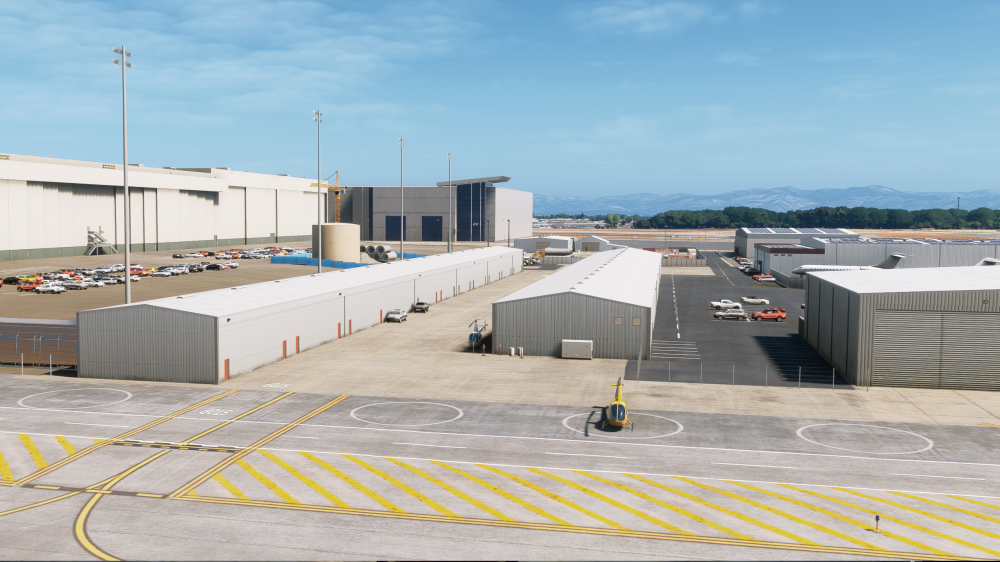
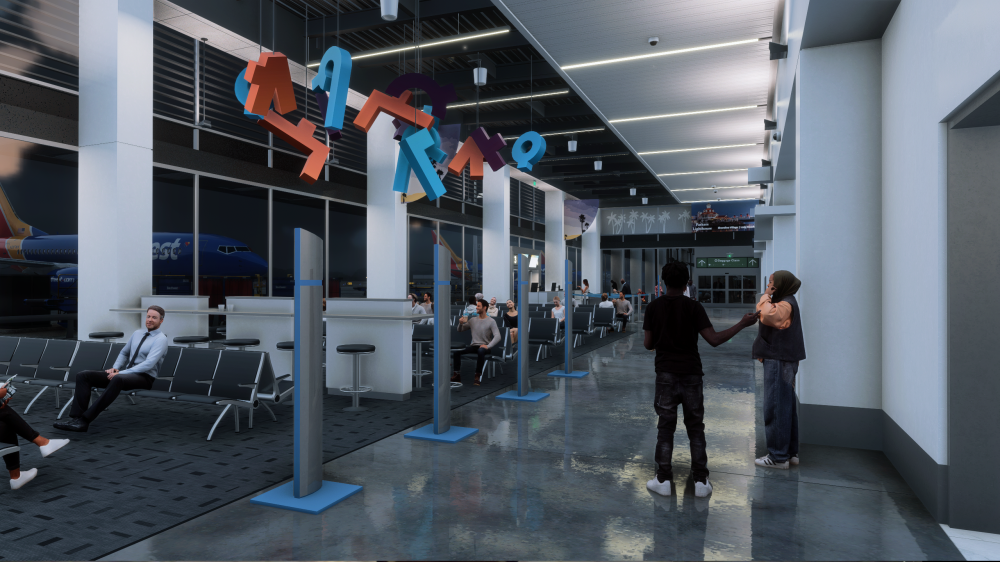
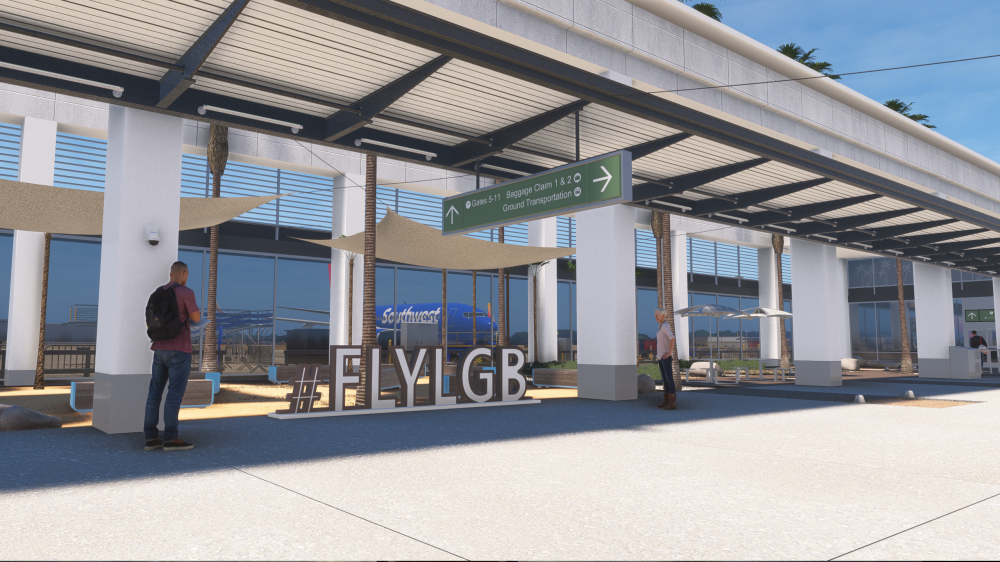
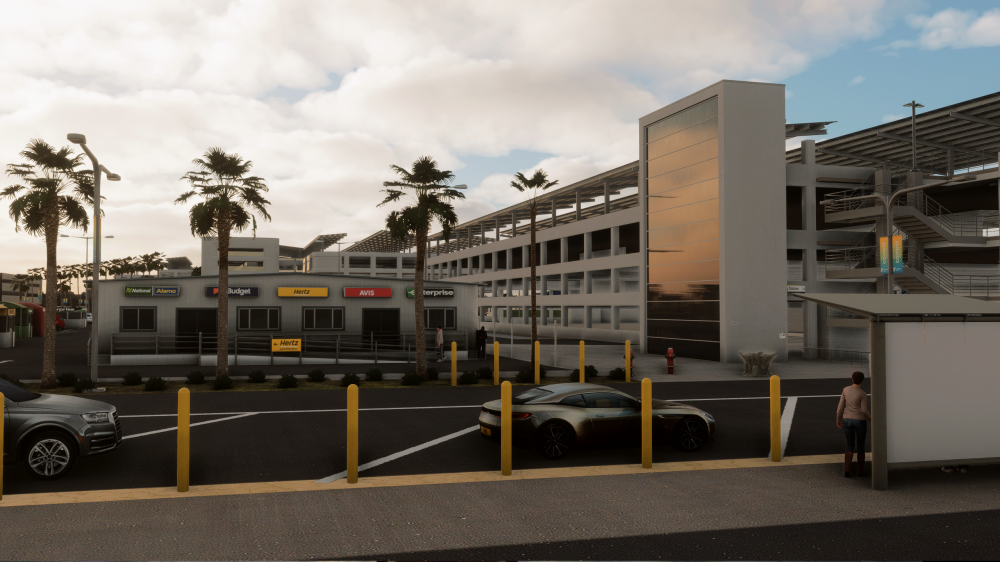
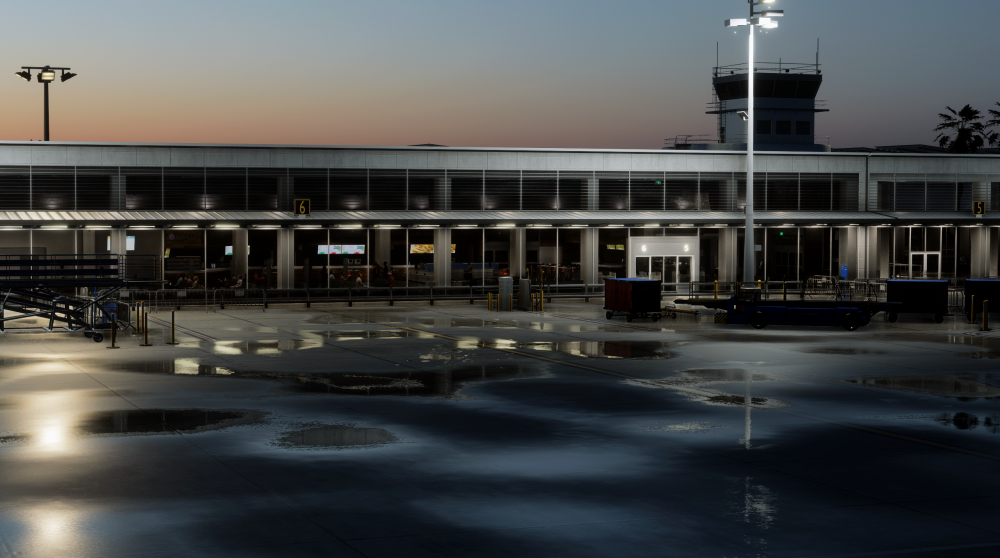
🐚 Welcome to Long Beach Airport (KLGB) – “America’s Coolest Airport” ☀️✈️ Experience one of Southern California’s most unique airports with our rendition of Long Beach Airport (KLGB) for Microsoft Flight Simulator 2024! Developed from the ground up with immersion, detail, and performance in mind, this iconic gateway to Los Angeles is now available to explore like never before. Available now for just £11.99 (excl. VAT) Buy here: https://inibuilds.com/products/xwind-long-beach-klgb-msfs Discover Long Beach Airport Like Never Before! Located in Southern California, Long Beach Airport (KLGB) offers a unique alternative gateway to the Greater Los Angeles area. Proudly retaining its historic 1941 terminal architecture, KLGB is renowned for its open-air boarding areas, palm-lined atmosphere, and relaxed California charm. Handling a blend of domestic leisure routes, business aviation, and cargo traffic, Long Beach sees regular operations from carriers including Southwest, Delta, Alaska Airlines, alongside UPS cargo services. Despite its long runway, the displaced threshold creates a distinctive and sometimes challenging approach, adding another layer of realism to every arrival. This detailed recreation captures the character of this century-old aviation landmark with accurate layouts, authentic signage, bespoke airport assets, and surrounding industrial areas faithfully brought to life. Carriers & Routes Long Beach sees a variety of operations from major domestic carriers and business traffic including: Southwest Airlines - extensive domestic services across the western United States Delta Air Lines - connections to major hubs and leisure destinations Alaska Airlines - regional and west coast operations UPS - cargo operations serving Southern California logistics demand Whether you're hopping down the California coast, arriving from a major hub, or flying cargo into Southern California, KLGB delivers a uniquely relaxed yet engaging experience! Scenery Features: Custom imagery covering the entire airport area Detailed terminal interiors Built using the latest MSFS2024 SDK features True-to-life dynamic night lighting Includes key commercial and industrial surrounding buildings Custom taxiway signage High-quality, optimized textures Custom ground support equipment (GSE) All models optimized for performance with Level of Detail (LOD) From the sunshine-filled open boarding areas to challenging arrivals over Southern California, Long Beach Airport (KLGB) delivers a truly distinctive West Coast flying experience. Welcome to “America’s Coolest Airport” 🌴☀️✈️
-
v1.0.3 of iniBuilds Larnaca (LCLK) for MSFS 2024 has been released. This update fixes some missing jetways at gate 47, adds the Revolut branding to jetways and adds A/B gates to 11-13. This update can be downloaded via the iniManager. v1.0.3Added missing jetway at 47 Added A/B gates to 11-13 Added Revolut branding to jetways
-
v1.0.5 of iniBuilds Southampton (EGHI) for MSFS 2024 has been released. This update addresses the runway lead-in arrow and centreline misalignment as well as adjusts some GP colouring and grass aprons. It also fixes an issue with missing grass and more. v1.0.5Fixed minor runway lead-in arrow and centreline misalignment Adjusted some GP colouring and updated grass aprons Fixed issue with missing grass Terminal and main carpark updated to SPCs with adjusted lighting for FS24
-
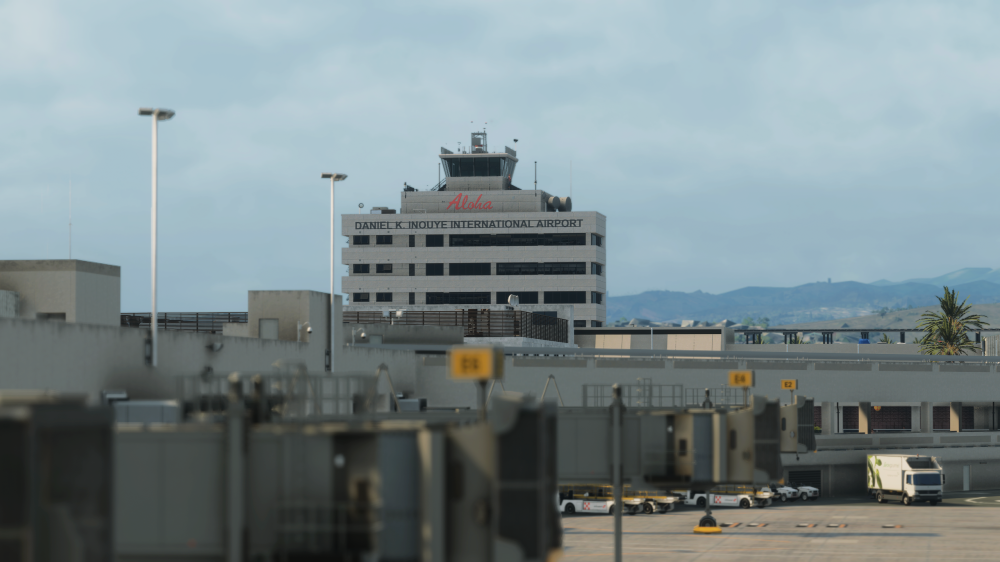
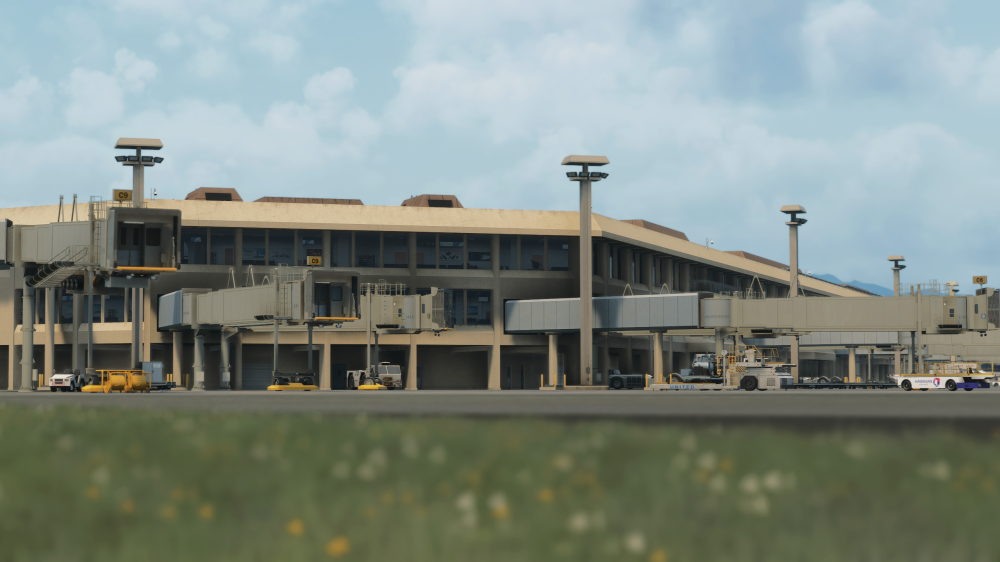
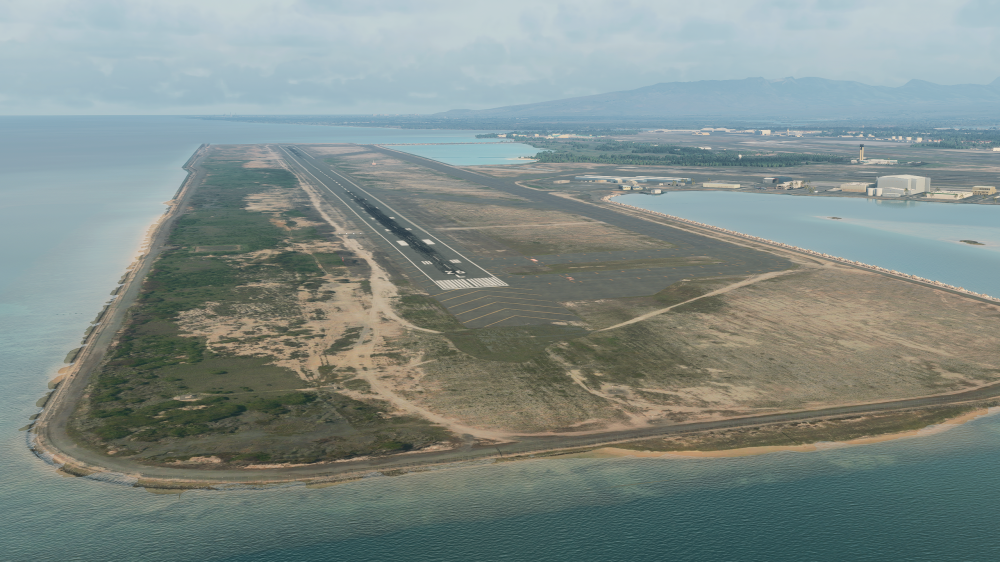
v1.2.3 of iniBuilds Honolulu (PHNL) for MSFS 20/24 has been released. This update focuses on visual and ground environment refinements, bringing improved interior rendering behaviour alongside updated clutter placement, terrain blending, markings, and jetway adjustments for a more polished airport experience. Please note: Users will need to uninstall the existing PHNL install to avoid the detail/parallax interior conflict on reinstall This update can be downloaded via the iniManager. v1.2.3Fixed issue with parallax and detail interior showing at the same time All GSE/clutter/veg placements updated Flattened road bridge on TIN to blend with model Various GP markings fixes Various jetway fixes iniBuilds Team ❤️
-
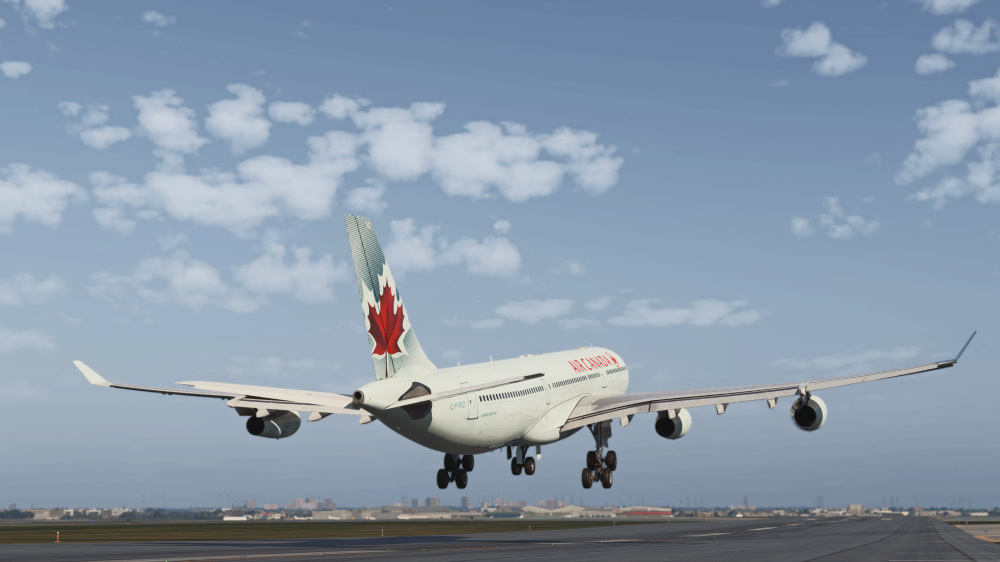
iniBuilds A340 Airliner V1.0.12 Update 🚀The A340 Airliner v1.0.12 update continues our ongoing focus on stability and reliability within the MSFS WASM environment. This update introduces further WASM stability enhancements alongside a fix for the flickering EFB pause message that could occur during heavy simulator load states since SU5, helping to provide a smoother and more consistent experience during demanding operations. This update can be downloaded via the iniManager. V1.0.12SYSTEMS ⚙️FIXED - WASM Stability enhancements EFB 📱FIXED Flickering EFB pause under heavy sim load states since SU5 iniBuilds Team ❤️
-
iniBuilds A300-600R Airliner Premium V1.0.8 Update 🚀The iniBuilds A300-600R Airliner Premium v1.0.8 update is now available, bringing a focused set of improvements to the aircraft’s thrust reverser audio experience. This update refines reverser volume behaviour for smoother transitions, improves sound positioning to provide better audible range between the cockpit and cabin environments, and corrects the overly high-frequency hiss previously present during reverser operation. This update can be downloaded via the iniManager. v1.0.8Changed thrust reverser volume curves to be less abrupt Modified thrust reverser sound positioning for more audible range from cabin - cockpit Fixed thrust reverser producing mostly high frequency hissing noise
-
v1.0.2 of iniBuilds Dubrovnik (LDDU) for MSFS has been released. This update improves overall scenery compatibility and visual bugs, adding new spawn positions whilst resolving jetway transparency issues, package conflicts, and FS24 character placement problems. It also includes LOD adjustments to large structures for smoother rendering and reduced late object swapping. This update can be downloaded via the iniManager. v1.0.2Added 1A, 4A and 16A spawn points (10A not added due to jetway conflict) Fixed jetway glass transparency/reflection issue Fixed possible conflict with other ini packages Adjusted LOD values to large structures to fix late swapping Fixed floating/sunken people in FS24
-
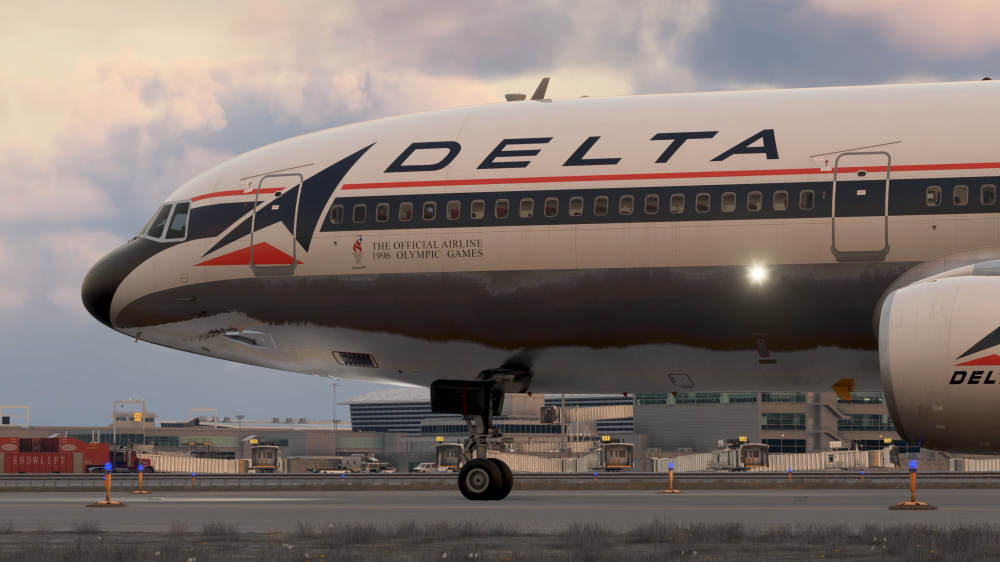
iniBuilds TriStar Airliner V1.0.6 Update 🚀The iniBuilds TriStar Airliner v1.0.6 update focuses heavily on refining core aircraft systems, navigation logic, and overall flight behaviour, with major improvements to VNAV, INS functionality, climb/descent handling, fuel systems, cabin/environmental logic, and autopilot reliability. Alongside a range of visual fixes, this update also expands the PFB with new quality-of-life features including Progressive Fuelling & Loading, Pause at TOD functionality, Auto-Fuel Management, and enhanced map options for improved operational usability. This update can be downloaded via the In-Game Marketplace. V1.0.6SYSTEMS ⚙️ FIXED FO PMS not showing TOD when data input FIXED Stall test does not work FIXED PMS gives too high climb EPR FIXED Measured Pack Flow Logic Reversed FIXED Cabin Zone Temp jumps instead of gradual increase with APU Air FIXED Climb pitch modes can lead to loss of control FIXED When flying in LBS, FF Gauge Decimal is in wrong position FIXED TM mode goes to 000 EPR if AP is off FIXED INS cannot check drift results post flight in INS due to wp parsing error FIXED APU EMER SOV (Fuel Panel) remains illuminated after APU shutdown FIXED SPI - Rudder shows full left deflection, however it is faired and straight FIXED SPI - Elevator indications do not work FIXED Fuel loading distribution is incorrect FIXED Cabin temp very low in flight, regardless of the temp selector position FIXED All INS units - Cannot TK CHG 0 to X if there are "empty" waypoints between 0 and X FIXED INS 9 - 1 deletes manually added waypoints after using auto import FIXED INS MAP (1/2/3) does not erase/reset when all waypoints are wiped from INS FIXED Unable to reset or erase imported waypoints FIXED ILS Mode - Aircraft will climb to capture GS if intercepted from below instead of maintaining present ALT FIXED RMT functionality of ranging still causes leg to be reset to 0-0, which is wrong and breaks navigation FIXED VNAV - After intermediate level off in CLB, dialing new altitude+pressing VNAV mode button does not automatically update TM to CLB epr value FIXED VNAV - After intermediate level off in DES, dialing new altitude+pressing VNAV mode button puts the plane in a +500fpm climb initially FIXED VNAV - In descent, does not transition to 250KIAS quickly enough ART 🎨 FIXED Reversers do not animate via HOLD THROTTLE REVERSE THRUST FIXED Paintkit - missing stabilizer texture FIXED Missing blue transit lights for fuel jettison PFB📜 FIXED CG icon not initialized or has an issue FIXED Current GW vs fuel system GW discrepancy ADDED Progressive Fuelling and Loading ADDED Pause at TOD - Dist to Dest or Timer based ADDED Auto-Fuel Management System ADDED Option to Enroute Page to Toggle Own A/C Position on Map iniBuilds Team ❤️
-
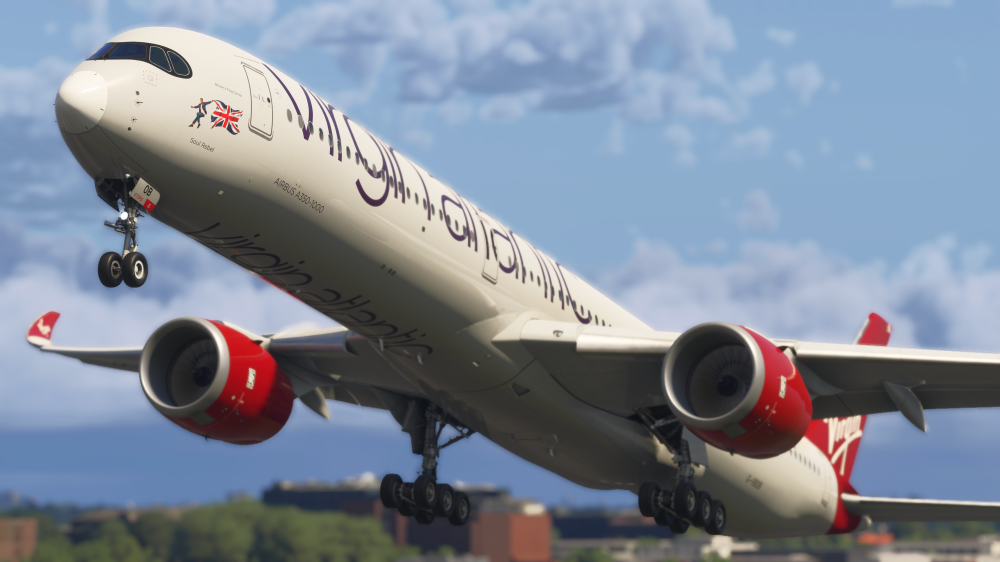
iniBuilds A350 Airliner V1.2.6 Update 🚀The A350 Airliner v1.2.6 update is out now! This is a small update to further improve WASM stability alongside fixes to the auto-derate system, weather radar GPU state behaviour, and the EFB pause message flickering issue that would occur under heavy sim load states. This update can be downloaded via the iniManager. V1.2.6SYSTEMSFIXED - Further WASM Stability enhancements FIXED Auto-derate function not triggering properly FIXED WXR on in on GPU state EFBFIXED Flickering EFB pause under heavy sim load states since SU5 iniBuilds Team ❤️
-
v2.5.6 of the iniManager has been released. This is a small update that addresses some minor background bugs. This update will be downloaded automatically when you launch the app or you can manually download it here. v2.5.6Fixed various minor background bugs.
-
v1.0.1 of iniBuilds Palm Springs (KPSP) Enhanced for MSFS 2024 has been released. This update addresses a few terraforming issues across taxiways, fixes an issue with gate 4, removed custom wind turbines to prevent duplicate turbines showing and includes a fix for AI pathing bugs. This update can be downloaded via the iniManager. v1.0.1Corrected various terraforming issues across taxiways Gate 4 parking moved slightly to allow for correct jetway operation Removed custom wind turbines Fix for AI pathing issues
-
v1.0.3 of iniBuilds Innsbruck (LOWI) for MSFS 2024 has been released. This update fixes a few areas of the scenery in MSFS 2024 such as the ski jump model having some terraforming issues, some missing autogen houses from imagery, a GSE LOD issue and sunken buildings. This update can be downloaded via the iniManager. v1.0.3Fixed ski jump default model showing and terraform issues Removed missing autogen house from imagery Fixed GSE LOD issue Fixed sunken LOJO building
-
v1.0.5 of iniBuilds Southampton (EGHI) for MSFS has been released. This update addresses the runway lead-in arrow and centreline misalignment as well as adjusts some GP colouring and grass aprons. v1.0.5Fixed minor runway lead-in arrow and centreline misalignment Adjusted some GP colouring and updated grass aprons
-
v1.0.2 of iniBuilds Hong Kong (VHHH) Premium for MSFS 2024 has been released. This update addresses a few smaller issues relating to taxi signs, gate numbers and some misplaced cars. This update can be downloaded via the iniManager. v1.0.2Duplicated taxi signs Missing internal gate numbers Floating artefacts Misplaced cars in carpark
-
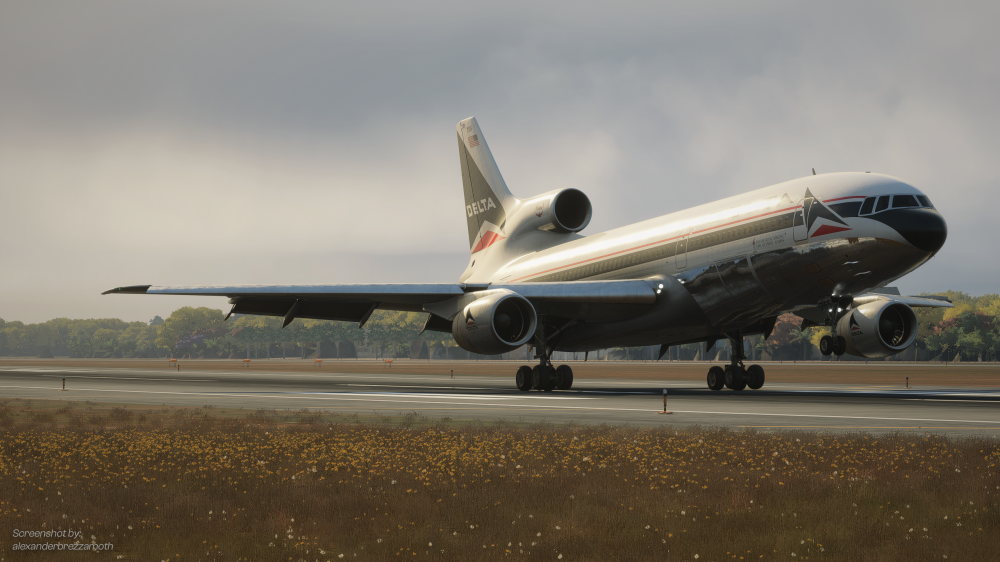
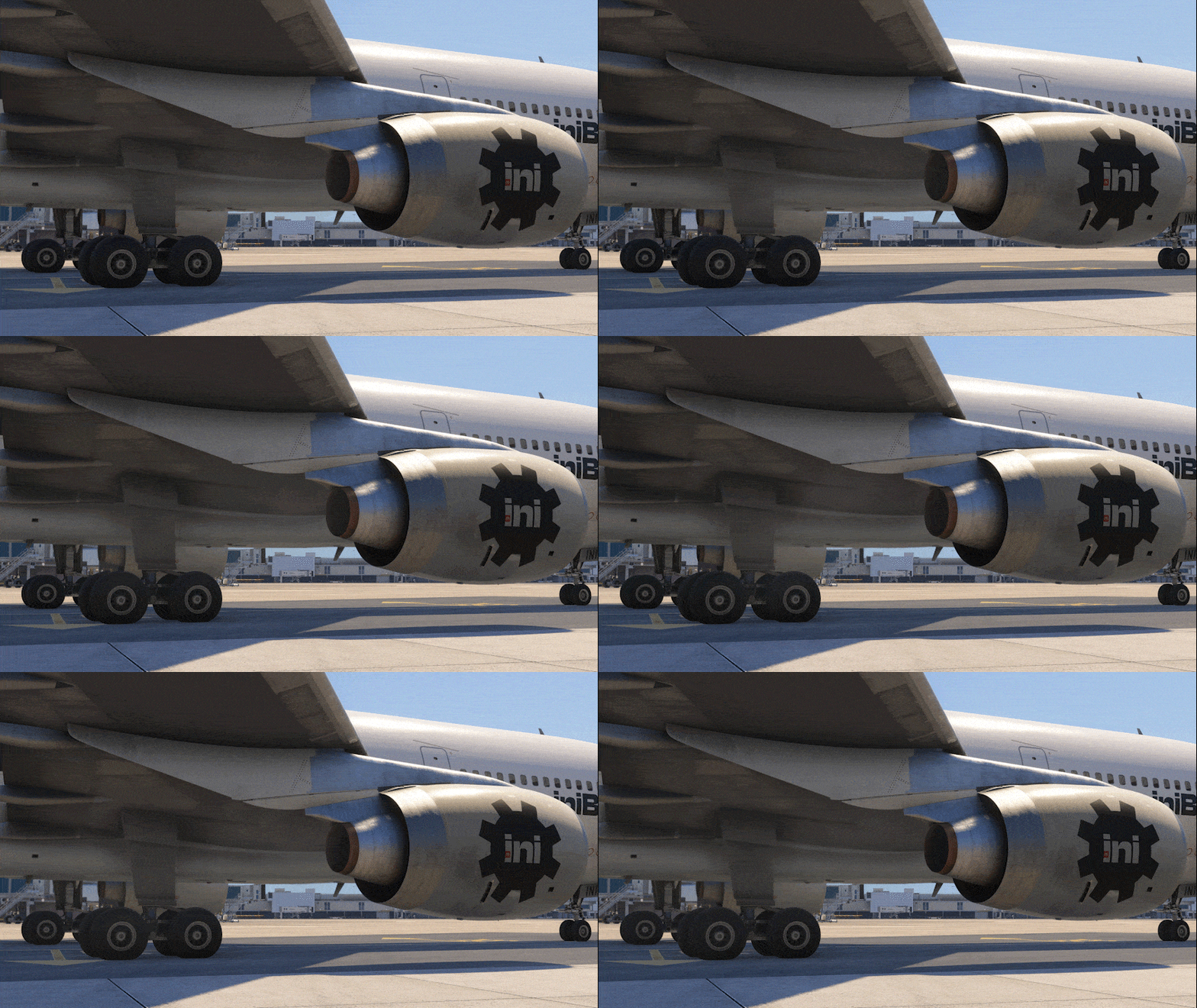
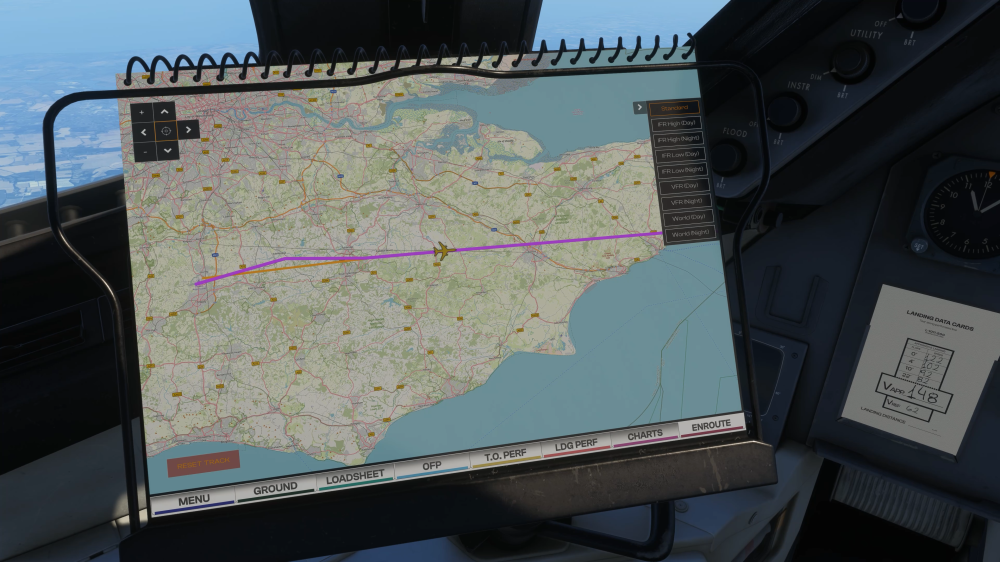
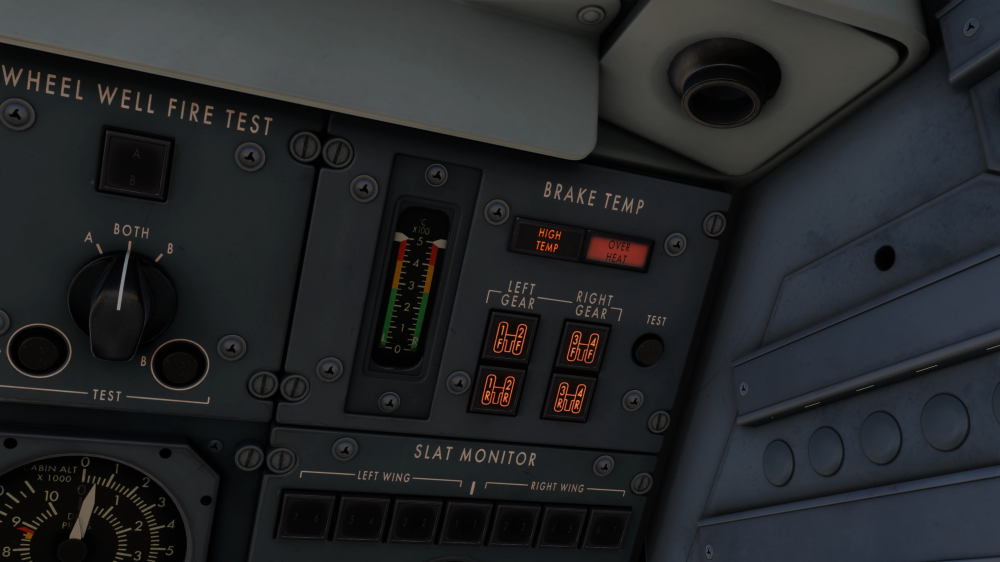
iniBuilds TriStar Airliner V1.0.5 Update 🚀Version 1.0.5 is here, and it addresses a few key areas, there’s a lot packed in! Across the aircraft, we’ve made a wide range of improvements based directly on your feedback. On the systems side, that includes fixes to electrical behaviour, pressurisation, INS, and flight controls. Some key highlights are corrected IDG oil temperature readings, improved go-around and TOGA behaviour, a working stick shaker with proper vibration, and a pressurisation system that now behaves as expected. The INS has also been refined, with remote waypoint loading and post-flight accuracy checks now working again. A number of smaller but annoying issues have been cleared up too, like ALT ALERT flashing incorrectly, ILS lights acting up during taxi, and the DH light triggering when it shouldn’t. We’ve also made targeted fixes to the PMS, including climb speed logic and BOD limits, along with restoring missing GPWS alerts and correcting a few visual quirks like cabin lighting in Cold & Dark. Overall, this update focuses on refining and tightening the experience across the board, with a strong emphasis on improving day-to-day usability. It builds on an already solid foundation, as the TriStar continues to evolve with an expanding set of features that improve accuracy, streamlines workflows, and brings greater depth and realism to every phase of flight. What’s been added since release ✈️Since launch, the TriStar has continued to grow with a range of new features and enhancements that expand both operational capability and overall immersion: Enhanced PFB (Paper Flight Bag) functionality The PFB has been significantly expanded, now featuring an enroute map with SimBrief route overlay (magenta) and live aircraft track (orange) for improved situational awareness. Additional usability upgrades include a rudder/tiller control option for flexible hardware setups, and a “SYNC” function on the landing performance card to streamline workflow and data entry. Improved navigation & INS capability The INS system has been further developed with remote waypoint entry, allowing synced input across multiple units, alongside the ability for each INS to independently draw routes on the map display. In addition, autopilot control via INS3 has been introduced, offering more authentic navigation procedures. Expanded aircraft systems & realism Key systems have been enhanced with the addition of a fully functional fuel jettison system (with visual effects), brake temperature simulation displayed on the FE panel, and refined engine behaviour with subtle parameter variance (N1 / TGT / EPR) to create a more organic, less “perfect” feel. Safety systems & alerts TCAS functionality now includes test capability and RA audio alerts, while GPWS has been expanded with Mode 1 and Mode 5 warnings, delivering accurate “PULL UP” and glideslope deviation callouts when required. Flight deck & operational tools A Takeoff & Landing Data Card has been added to the captain’s side, giving quick access to key performance data during critical phases of flight. Visual & immersion improvements Additional effects such as engine start-up smoke help bring more life to the aircraft, complementing the growing depth of systems and interactivity.s (N1 / TGT / EPR ) All of these enhancements are highlighted in our latest update video, giving you a first-hand look at what’s new. Be sure to check it out to see these additions in action. Watch The Trailer 📽️Features coming soon? 👀We’re not done there! Development on the TriStar is still ongoing, with even more features and QoL upgrades already in the pipeline. From subtle improvements like PFB Pause at Top of Descent, to deeper immersion through progressive aircraft loading, and streamlined workflows with direct SimBrief import into INS3, there’s plenty more on the way. As always, we’ll continue building on this platform with the goal of delivering an even more complete & refined experience! This update can be downloaded via the In-Game Marketplace. V1.0.5SYSTEMS ⚙️ FIXED INS remote loading of WPTs not working FIXED ELEC: IDG oil temp/rise inop FIXED ELEC: FLT STA BUS FAIL lights inop FIXED Auto TOGA logic FIXED Stick Shaker Activation & vibration animation FIXED Pack 2 latched in but no indications on the pack panel FIXED Automatic Go-around FIXED DH light comes on when Radio Altimeter comes alive FIXED Add minima reference bug for the barometric altimeters FIXED Stall test does not work FIXED LTN Sequences when MODE Switch is in Manual FIXED Cabin pressure control panel will randomly fault on climb FIXED Getting positive pack flow indications on pack 2 with bleed air & packs off FIXED Pressurization system sets cabin pressure nearly instantly, ignoring rate setting FIXED Cabin Temp not affected by external A/C Cart FIXED CWS not working correctly FIXED On spawn cabin altitude was way above apt elev FIXED Unable to do INS post flight accuracy check FIXED ILS Deviation light kept flashing on taxi-out FIXED ALT ALERT light keeps flashing erroneously FIXED PMS Limits Numbers Input for BOD to 999 FIXED ATM RPM in Auto - needle logic FIXED PMS IAS>Mach transition during climb FIXED ALT randomly updating target automatically without mode change FIXED Panel states triggering TCAS TEST ART 🎨 FIXED C&D lounge ceiling lights remain on PFB📜 FIXED Add FE Baro Sync setting to PFB Altimeter Sync Option FIXED Ready for Takeoff Panel state - only starting ENG2 FIXED Ready for Takeoff Panel State - missing items SOUNDS🔊 FIXED GPWS - Mode 1 & Mode 5 alerts missing iniBuilds Team ❤️
-
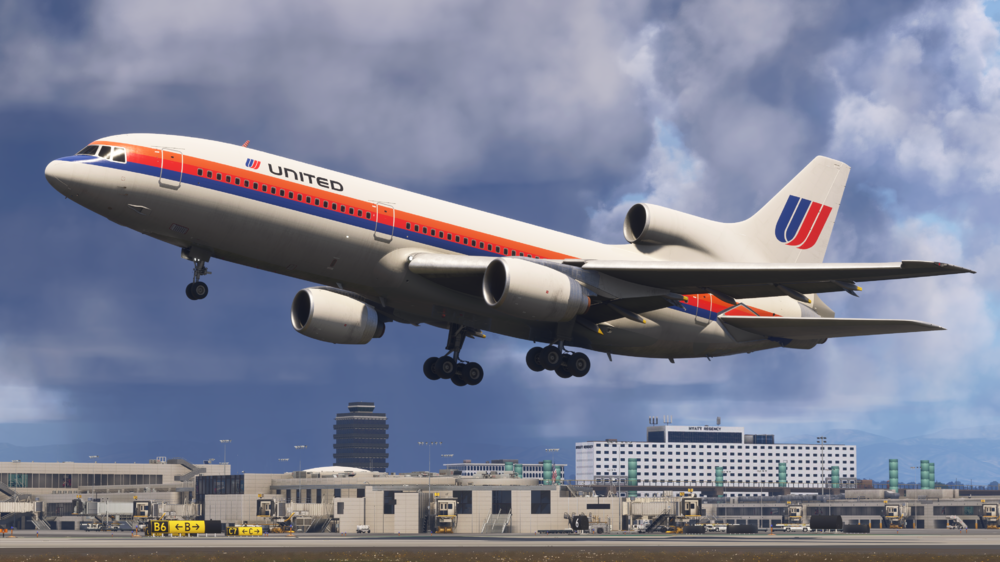
iniBuilds TriStar Airliner V1.0.4 Update 🚀 Another week, another step forward for the TriStar Airliner. Version 1.0.4 is another great update, delivering a broad range of fixes alongside several exciting new additions, all driven by your continued feedback from the community. This update addresses critical stability issues including instrument freezes on the Captain's side, spoiler deployment logic, and a number of INS-related fixes including drift modelling, track accuracy, and display improvements. The PMS has also received significant attention, with dynamic fuel integration, corrected Opt Alt calculations, and formatting fixes across multiple pages. On top of the fixes, V1.0.4 introduces Fuel Jettison, an enroute map path display, dynamic fuel on PMS pages, and several PFB quality-of-life additions including map dragging, a SYNC button for the Landing Performance Calculator, and a rudder/tiller toggle option. As always, thank you for your patience and continued support, more improvements are already on the way. Enjoy the TriStar! ✈️ This update can be downloaded via the In-Game Marketplace. V1.0.4 SYSTEMS ⚙️ FIXED INS WIND display formatting FIXED PMS: TO Page formatting FIXED User Cannot Change INS Track on Bottom INS FIXED No annunciations on the panel when trying to perform an Autoland FIXED DC BUS 3 remains powered without power to AC BUS3 with DC tie open. FIXED PMS: LANDING page EPR format FIXED Anti skid shows ON with gear up FIXED Fuel Temp Drop values incorrect FIXED Add randomized variance in engine parameters FIXED APU startup logic Incorrect FIXED HSI Shows True North When in INS Mode FIXED FM - hard pitch up with speed brakes engaged FIXED Generator Breaker Flow Bars Randomly Extinguish FIXED Captain Side Instruments/Avionics Freeze During Flight FIXED CPT Side INS & INS Related Instruments Freeze FIXED Main instruments "failed" with flags mid-flight FIXED Spoilers not fully deployed despite lever being fully extended on rollout FIXED Thrust Master TCA Throttle Calibration Issues FIXED PMS - Opt Alt is too low FIXED Tank 1A/3A reads 0.9 when its empty FIXED TANK PUMP valves are still all showing flowbars on startup FIXED Texture Artefact - seatback pouch in economy class FIXED BATC - COM2 is permanently showing OFF FIXED GPS randomly resets itself in flight FIXED INS Loses Track Overflying GWC FIXED GPS deviation: wrong wind correction FIXED Add center on position/lock to aircraft button on center display FIXED Make GW on the PMS a dynamic value using fuel consumption FIXED Pack issues due to CAB ALT starting higher than a/c at C&D FIXED Glideslope discrepancy HSI/ADI FIXED Add INS drift to INS waypoints as well ADDED Fuel Jettison ADDED Add path to enroute map (like in 340/350) ADDED INS Display can now display path from all 3 INS ADDED Add dynamic fuel to the PMS pages FIXED Hydraulic ATM test position doesn't appear to work FIXED Nosewheel turns too far with rudder pedal input FIXED FM feedback, noticing some rudder "lag"? FIXED Setting NAV1 via default sim EFB doesn't change displayed frequency FIXED AFCS LOC/GS (arm & active) indications do not show when AP is off FIXED Spoilers Do Not Deploy when configured FIXED TANK 1 QTY indicator 100s digit is not updating/ counting down ART⚙️ FIXED Circuit Breakers not animated FIXED PMS brightness knob inop FIXED Improved VRAM consumption FIXED A few lighting knobs dont have the triangle emissive FIXED Add Perf Card to CPT Side FIXED Engine smoke should start when fuel introduced, not on starter motor FIXED All lavs have the please lock door on the outside FIXED Pod variant, ENG3 cowling clips pod when open FIXED ENG2 mechanic missing eyeballs FIXED Enroute Map UI Buttons disappear when navigraph not signed in FIXED FE Panel - EXT power switch not springing back to "off" when unpowered FIXED Spoilers not going down visually with lever when ABRK disengages PFB⚙️ FIXED cargo loading logic leading to CG out of limits FIXED Chocks ON + GPU connected on gate spawn FIXED Cannot scroll through pages of multi-page LIDO charts in EFB FIXED PFB, map: move displacement icons a bit down FIXED Add version number to PFB FIXED Show / hide card ADDED Map dragging added ADDED Add "SYNC" button to Landing Perf Calculator ADDED Add toggle option "RUDDER CONTROLS TILLER" SOUNDS⚙️ FIXED Chock state affecting ambient external sounds FIXED STBY pwr switch makes a double click sound iniBuilds Team ❤️
-
v1.0.4 of iniBuilds Liverpool (EGGP) Premium for MSFS 2024 has been released. This update focuses on overall performance and visual improvements across the airport, including optimised lighting, improved LODs, and the use of Sim Props for better efficiency. It also enhances realism with additional ground clutter, vegetation, and airfield details, while addressing various lighting issues and environmental fixes around the terminal and taxiways. This update can be downloaded via the iniManager. v1.0.4 - PERFORMANCE update to Terminal (Reduced lights, Implemented Sim Props, Improved LODs) - FIXED lights flickering/disappearing in multiple aircraft including Fenix A320 - ADDED GSE Clutter outside hangars / block 32R - ADDED airfield barriers at edge of Gate 10 - FIXED L holding point signs should be Red/Black/White - FIXED landscaping near helicenter - FIXED fence coverage near skyport hangar - ADDED trees/bushes to perimeter roadside / Hale Rd - ADDED tree/landscaping assets to field next to runway - ADDED taxiway edge lighting at T taxiway entrance - ADDED reflectors across the taxiways between U and V - ADDED fencing around the long stay carpark and down to the FedEx entry road - ADDED aircraft spawn position for the skyport hangar - ADDED more trees in marked area abeam Taxiway A between T and L
-
v2.5.5 of the iniManager has been released. This is a small update to add a few features and to ensure the usability and reliability of the downloader remains in good standing. This update will be downloaded automatically when you launch the app or you can manually download it here. v2.5.5 - Added video support within the product carousel - Improved and upgraded the downloader for better performance and reliability - Updated livery ordering for improved organisation and usability - Various backend changes


