mattY
Administrators
-
Joined
-
Last visited
Everything posted by mattY
-
Welcome to Dubai International Airport (OMDB) V2! ✈️One of the world’s most recognisable and busiest international hubs has received a comprehensive new redevelopment for Microsoft Flight Simulator 2024. Today, we’re excited to introduce iniBuilds Dubai International Airport (OMDB) V2 Premium, featuring extensively refreshed terminals and interiors, upgraded airside and landside environments, custom terrain, Multi-Jetway functionality and much more. Whether you are operating a regional flydubai service, arriving from across the globe or departing Dubai in the iconic A380, OMDB V2 brings a new level of detail and immersion to this essential long-haul destination. Buy Now (20% OFF - Limited Time!) or, update for FREE for existing owners: https://inibuilds.com/products/inibuilds-dubai-omdb-msfs-2024 Home to Emirates, flydubai and an enormous range of international operators, Dubai is a destination synonymous with long-haul operations, widebody traffic and global connectivity. With Version 2, the airport has been extensively rebuilt to reflect the latest iniBuilds scenery standard, bringing major visual, technical and operational improvements throughout both the airside and landside environments. This is far more than a compatibility update. The original Dubai scenery was created several years ago for Microsoft Flight Simulator 2020, and both the simulator and our approach to airport development have evolved significantly since then. OMDB V2 revisits the airport from the ground up, with substantially improved terminals, detailed interiors, updated infrastructure, custom terrain and a host of refinements designed specifically for the MSFS 2024 platform. The passenger experience has been brought right up to date, with fully refreshed terminals built to the latest iniBuilds standard. Terminal interiors across Concourses A, B and C have received a significant overhaul, while Terminal D has also seen extensive improvements. From the busy gate areas and departure spaces to the distinctive architecture that defines Dubai International, every area has been treated with a new level of detail. Beyond the terminals, OMDB V2 includes a major refresh across the airport’s airside and landside environments. New and updated ground polygons, apron detailing, road networks, surrounding buildings and airport infrastructure help create a more complete and accurate representation of Dubai International. The scenery also includes updated Emirates car parks and headquarters, the mosque near Terminal 3 parking, expanded metro infrastructure, underpasses, elevated roads and numerous auxiliary buildings around the airport complex. To further improve day-to-day operations, OMDB V2 includes the iniBuilds Multi-Jetway system, allowing compatible aircraft to connect naturally across the airport’s many stands. Custom, fully functional ILS systems have also been included, alongside custom terrain designed to better represent the airport and its surrounding environment. Whether you are flying a short regional service, operating a busy flydubai rotation or taking the A380 across the world from its home hub, Dubai International V2 provides a much more immersive and up-to-date experience for one of aviation’s most iconic airports. Key Features Redeveloped from the ground up for Microsoft Flight Simulator 2024, featuring extensive updates to modeling, textures, interiors, lighting, and the wider airport environment Completely overhauled Concourses A, B, and C with updated exterior modeling and brand-new, highly detailed interiors throughout Refined and improved D Gates area, featuring enhancements to the existing terminal and passenger spaces Upgraded terminal geometry and materials, bringing true-to-life depth to building façades, roof structures, glass surfaces, and gate environments Enhanced ATC tower featuring improved modeling, updated artwork, and intricate surface detailing Hand-made, high-definition airside and landside ground polygons with crisp, bespoke texture sets built to the latest MSFS standards Custom terrain implementation for a highly accurate representation of the airport's topography Full integration of the custom iniBuilds Multi-Jetway System for authentic widebody turnaround operations Fully functional, custom-built ILS approaches Overhauled airfield detailing, custom ground clutter, and meticulously updated surrounding service areas Accurately modeled and positioned dynamic airport lighting completely overhauled across both interior and exterior spaces Expanded true-to-life landside recreation, including an extended metro line, updated Emirates car parks, and headquarters Highly detailed surrounding road network updates, featuring custom underpasses and elevated roads Brand-new custom modeling of the mosque located within the Terminal 3 parking area, alongside new and improved auxiliary airport buildings scattered throughout the scenery Routes & Carriers 🌎Dubai International is one of the world’s most important long-haul hubs, connecting Europe, Asia, Africa, the Americas and Australasia through a constantly busy network of global operations. As the home base of Emirates and a major hub for flydubai, OMDB sees an incredible mix of aircraft and airlines throughout the day. Whether you are flying a short regional hop across the Gulf, operating a narrowbody service into the Middle East, or taking a long-haul widebody route to London, New York, Sydney, Johannesburg or beyond, Dubai offers almost limitless route possibilities. From flydubai’s busy 737 operations and regional cargo movements to Emirates A380, A350 and 777 services, alongside dozens of international carriers from around the world, Dubai International is an ideal destination for every kind of pilot. Watch the Dubai V2 Trailer 🎥Thank you, as always, for your continued support and enthusiasm throughout the development of Dubai International Airport V2. We’re incredibly proud of what the team has created and cannot wait for you to experience this extensively refreshed rendition of one of the world’s most iconic aviation hubs. Whether you’re flying a short regional service across the Gulf, operating a busy flydubai rotation, or taking an Emirates widebody across the world, Dubai International V2 offers endless possibilities. We look forward to seeing where your next flight takes you! iniBuilds Team ❤️


-
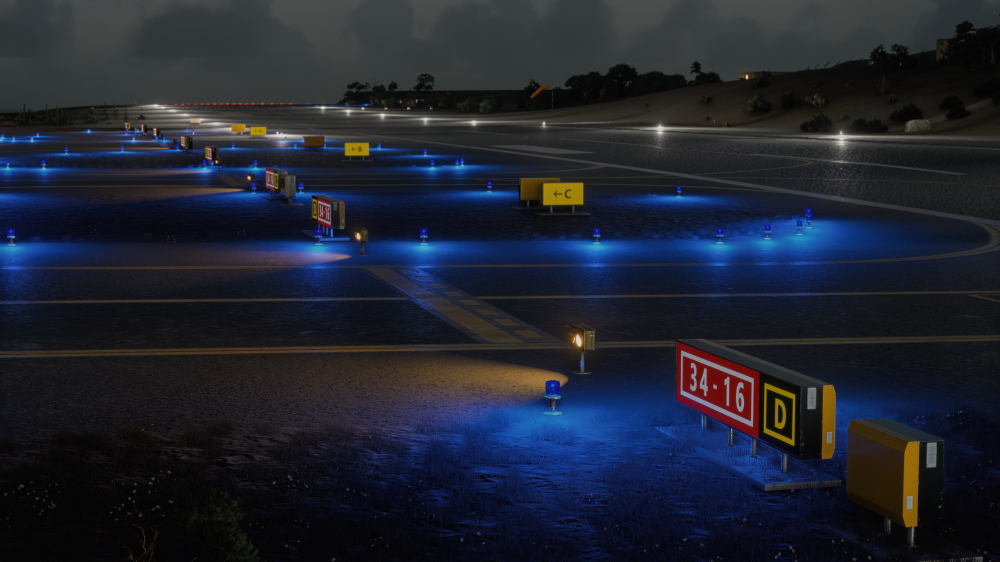
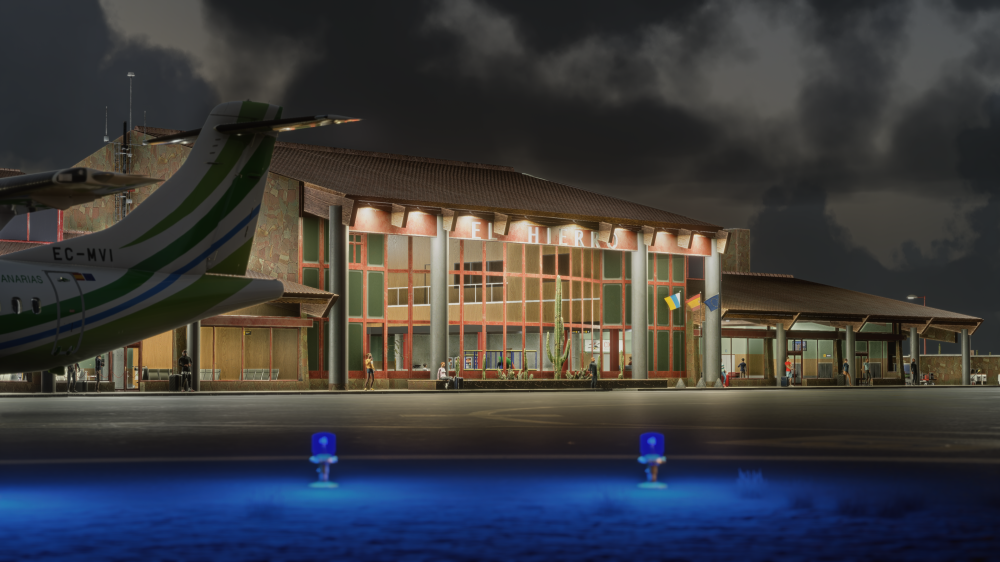
v1.0.1 of iniBuilds El Hierro (GCHI) MSFS 2024 has been released. This update fixes various runway & taxiway light intensities. It also adjusts the emissive textures. This update can be downloaded via the iniManager. v1.0.1Runway lights intensity decreased Taxiway edge lights intensity decreased Lights emissive texture changes
-
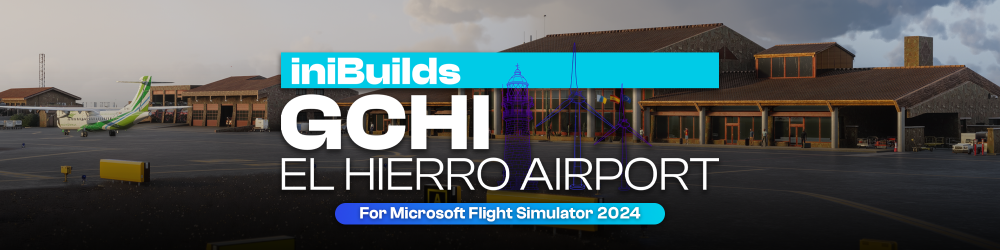
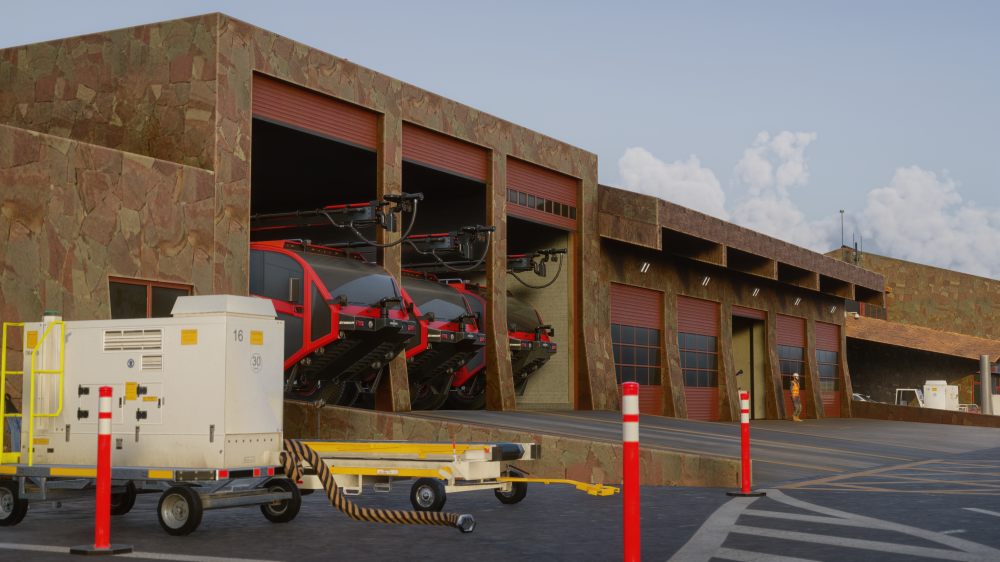
Welcome to El Hierro Airport (GCHI)! ✈️Today, we’re delighted to officially release iniBuilds El Hierro Airport (GCHI) for Microsoft Flight Simulator 2024! Located on the rugged northeastern coast of El Hierro, GCHI serves as the principal air gateway to the smallest and westernmost of the Canary Islands. Surrounded by the Atlantic Ocean, dramatic volcanic terrain and steep coastal cliffs, the airport offers a truly distinctive island setting. Its exposed location, changing winds and scenic approaches make El Hierro a memorable destination for every virtual pilot. Available now for £9.99 (excl. VAT): https://inibuilds.com/products/inibuilds-el-hierro-gchi-msfs-2024 From the compact terminal and apron layout to the surrounding volcanic landscape and rugged shoreline, this handcrafted scenery captures the remote character and natural beauty of one of the Canary Islands’ most unique airports. Every aspect of GCHI has been carefully recreated, including its terminal buildings, taxiways, apron, landside infrastructure and surrounding coastal environment. The combination of detailed airport modelling and dramatic island scenery delivers an immersive experience whether you’re arriving on a regional service or exploring the archipelago in a smaller aircraft. We’ve placed a strong emphasis on the details that define El Hierro, with bespoke ground materials, custom taxiway signage, carefully positioned airport lighting and a detailed recreation of the surrounding buildings and landside areas. Scenery Features Handcrafted ground textures with bespoke materials for the runway, apron, paths and surrounding roads Detailed terminal buildings featuring high-quality exterior and interior modelling Authentic recreation of the airport’s compact apron and operational areas Detailed landside environment featuring custom roads, infrastructure and scenery objects Accurately modelled and positioned dynamic airport lighting throughout the airfield Custom taxiway signs created to match their real-world counterparts High-quality, optimised textures for balanced visual detail and performance Custom models recreating the surrounding buildings and coastal environment Crisp terminal textures capturing the airport’s distinctive modern appearance Built using the latest Microsoft Flight Simulator 2024 SDK features Full iniManager compatibility Routes & Operations ✈️ Despite its remote location and compact size, El Hierro Airport provides a selection of regional and general aviation operations. Regular inter-island services connect El Hierro with Tenerife and Gran Canaria, offering short yet scenic flights across the Canary Islands. GCHI’s exposed coastal position, surrounding volcanic terrain and frequently changing Atlantic conditions can make both arrivals and departures particularly engaging. Whether you’re operating a regional turboprop service, navigating challenging winds or exploring the Canary Islands in a small GA aircraft, El Hierro offers a rewarding flying experience at the edge of the archipelago. 📽️ Watch the TrailerWe can’t wait to see your screenshots, videos and flights into one of the Canary Islands’ most scenic and distinctive airports. See you on final approach into El Hierro! iniBuilds Team ❤️
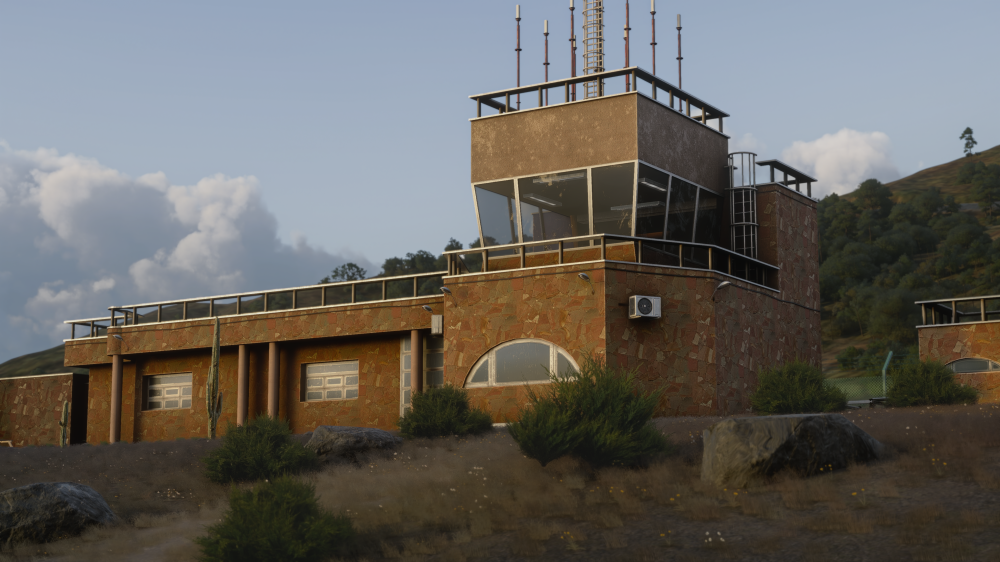
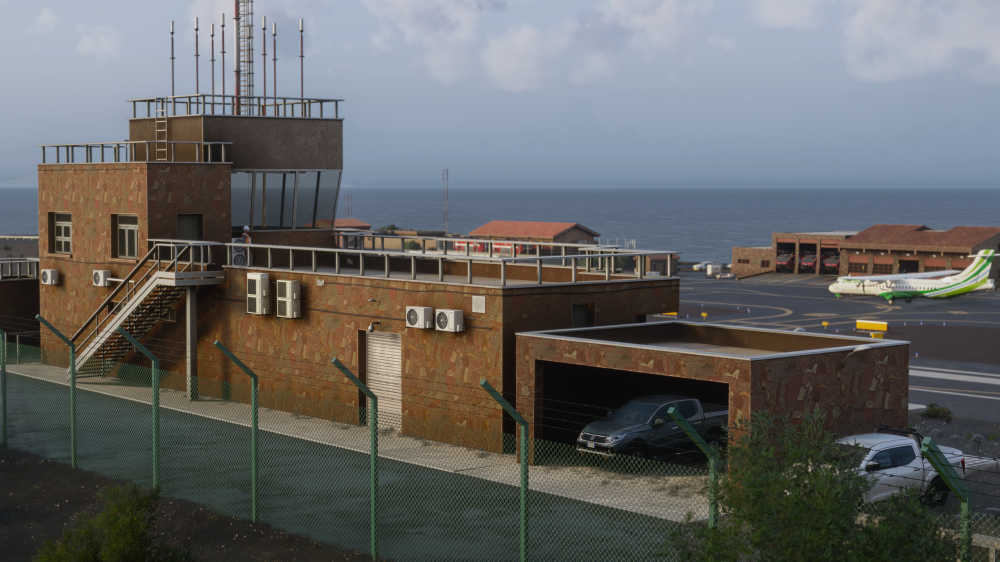
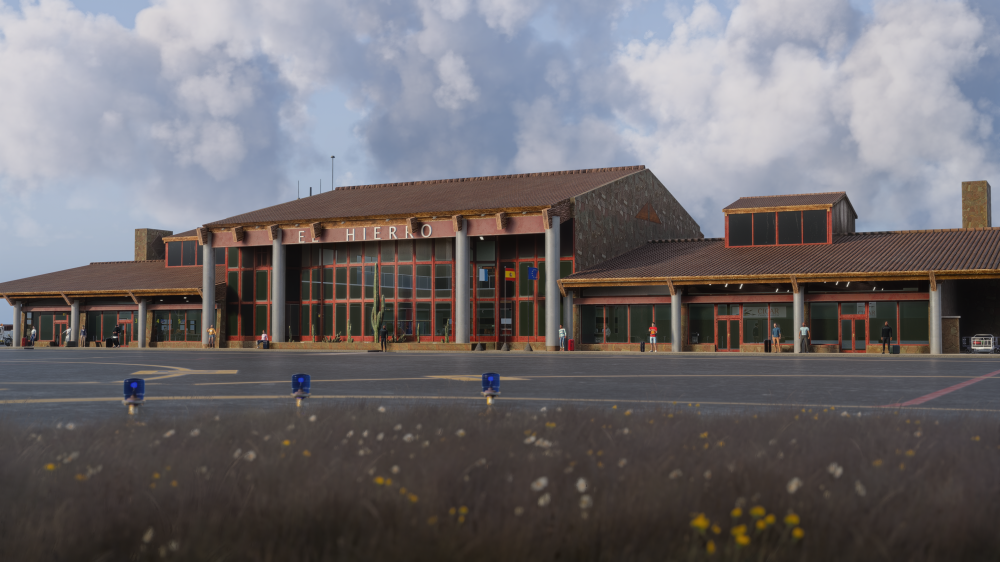
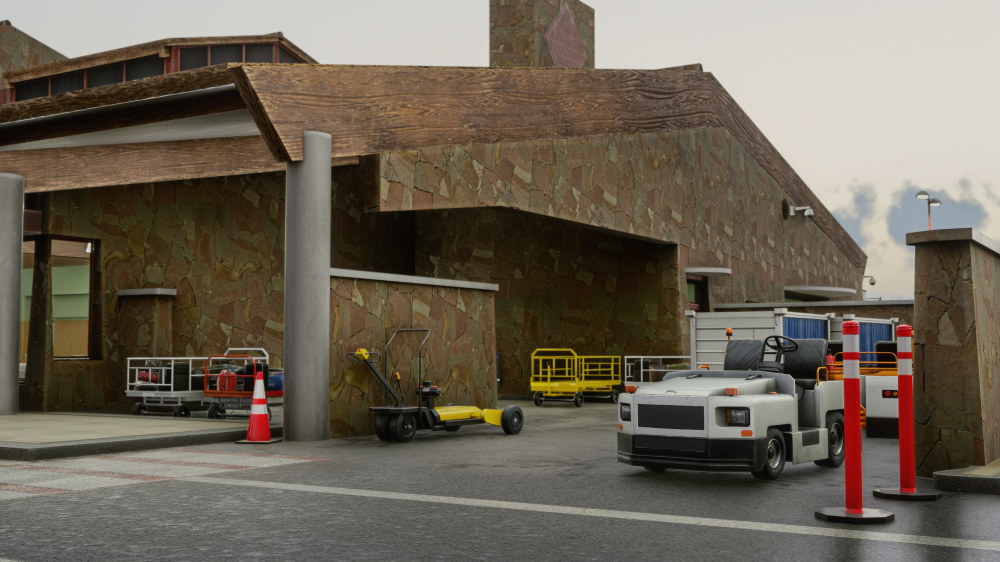
-
v1.0.2 of iniBuilds Chicago O'Hare (KORD) Premium for MSFS 2024 has been released. This update introduces a new configuration option for the animated airport train alongside the latest GSX Profile, while resolving Multi-Jetway detection and jetway duplication issues at Gate M17. Further refinements include corrected heliport lighting, adjustments to people models, texture configurations, interior props and jetway LODs, alongside a range of optimisation work across the airport. Performance ImprovementsThis update also includes a wider optimisation pass designed to improve performance and reduce the airport’s overall rendering and memory overhead. Terminal node counts have been reduced, texture memory usage has been reviewed and optimised, and LOD configurations across interior assets and jetways have been refined. Together, these changes should provide improved performance and more efficient resource usage, particularly around the more detailed terminal areas. This update can be downloaded via the iniManager. v1.0.2Added Configuration option for the animated train Added GSX Profile v1.4 Fixed Gate M17 jetway duplication Fixed Gate M17 Multijetway detection Fixed Heliport light colors (corrected to orange) Disabled cast shadow on people models Adjusted bitmap configurations on multiple textures Adjusted Interior props LODs Adjusted Jetway LODs Reduced Node counts of terminals Reviewed Terminals texture memory overheads
-
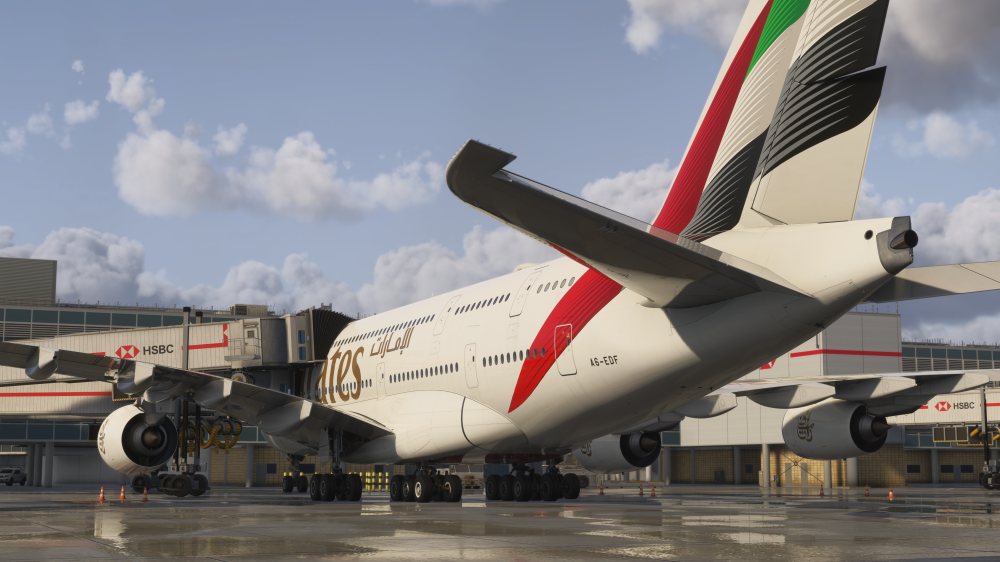
v1.1.0 of London Heathrow (EGLL) Premium for MSFS 2024 has been released. This update introduces support for our new Multi-Jetway System across dual and triple jetway stands at all terminals, allowing compatible aircraft to connect to multiple passenger boarding bridges simultaneously. It also includes an updated GSX Profile v1.5, alongside fixes for offset localisers following the latest magnetic variation changes, a floating underpass near Gate 539, occasional missing textures on static vehicles, and incorrect runway lengths displayed in the default EFB. Multi-Jetway Support Now AvailableWe’re pleased to introduce our new Multi-Jetway System, now available at London Heathrow! This update brings the latest iniBuilds Multi-Jetway technology to dual and triple jetway stands across all terminals, allowing multiple passenger boarding bridges to connect to compatible aircraft simultaneously for an even more immersive turnaround experience. 📽️Watch it in Action!v1.1.0Added Multi-jetway support to Triple and Dual-Jetway stands at all terminals Added GSX Profile v1.5 Fixed Offset Localizers - Magvar Updated (SU6) Fixed Floating Underpass near Gate 539 (SU6) Fixed Static Cars missing textures occasionally Fixed Reported Runway Lengths in default EFB
-
v1.0.1 of iniBuilds Malta (LMML) Premium for MSFS 2024 has been released. This is a small update to address some typos and ortho bleed-through across the airport. This update can be downloaded via the iniManager. v1.0.1Fixed typo on car park sign Fixed ortho bleed-through on main apron Corrected refinery exclusion
-
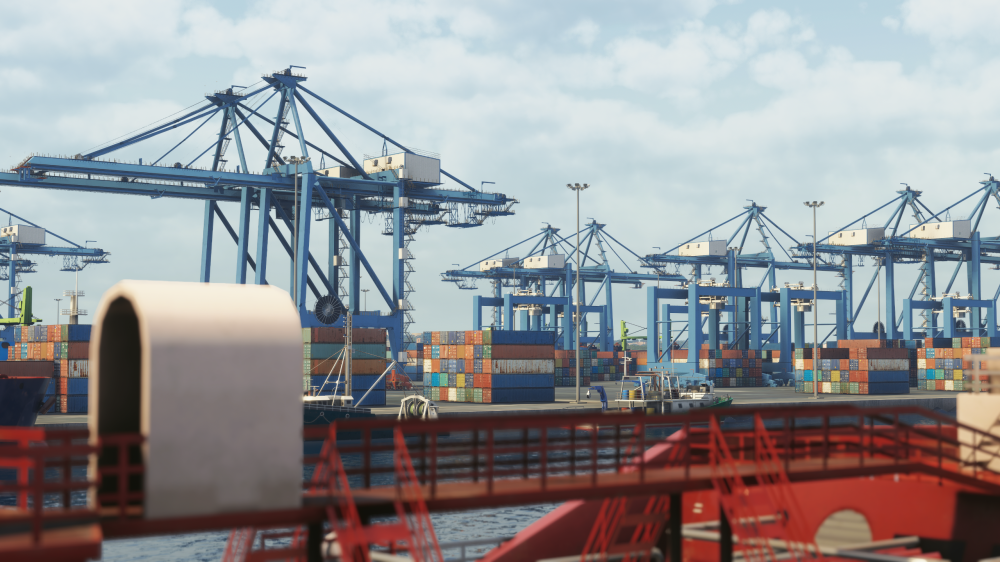
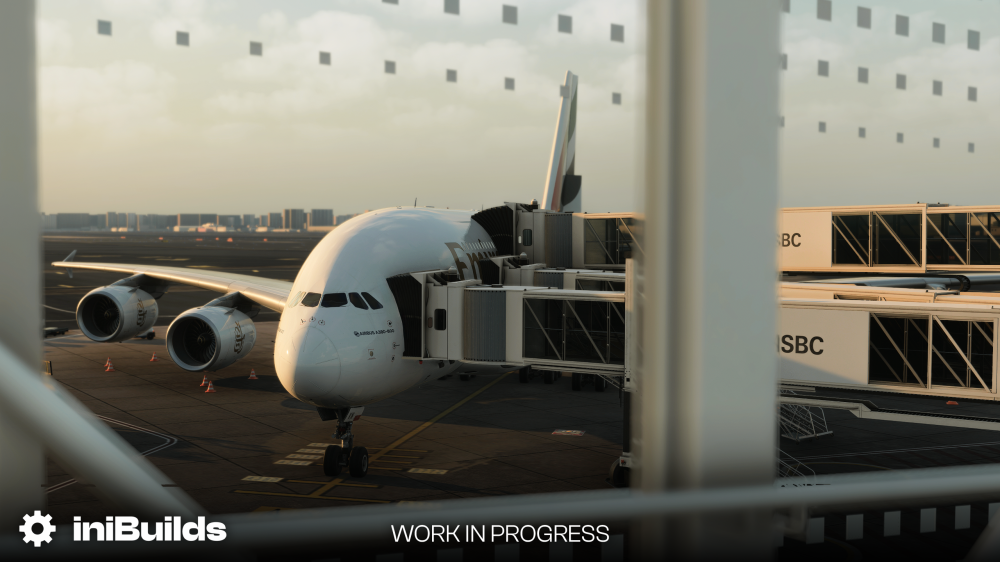
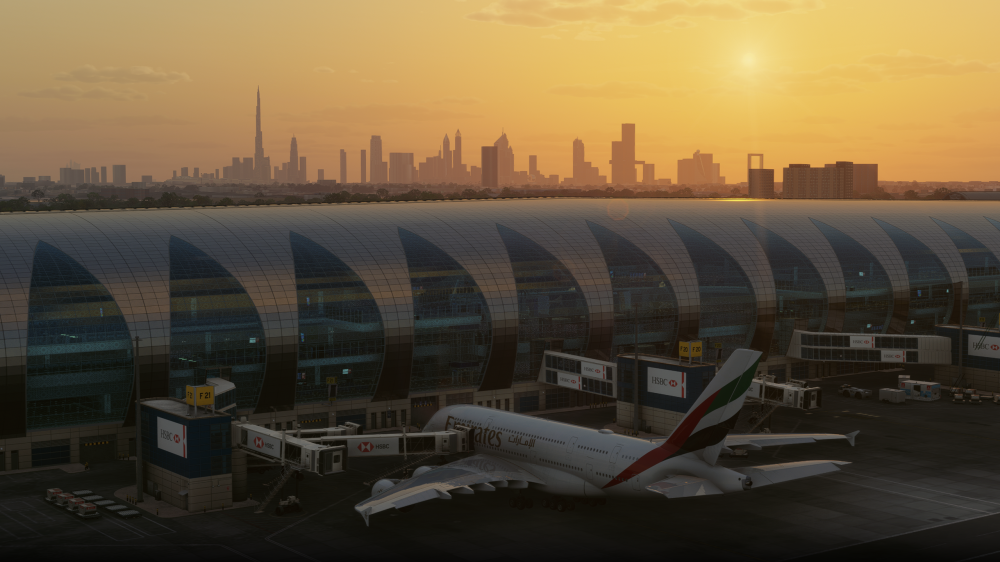
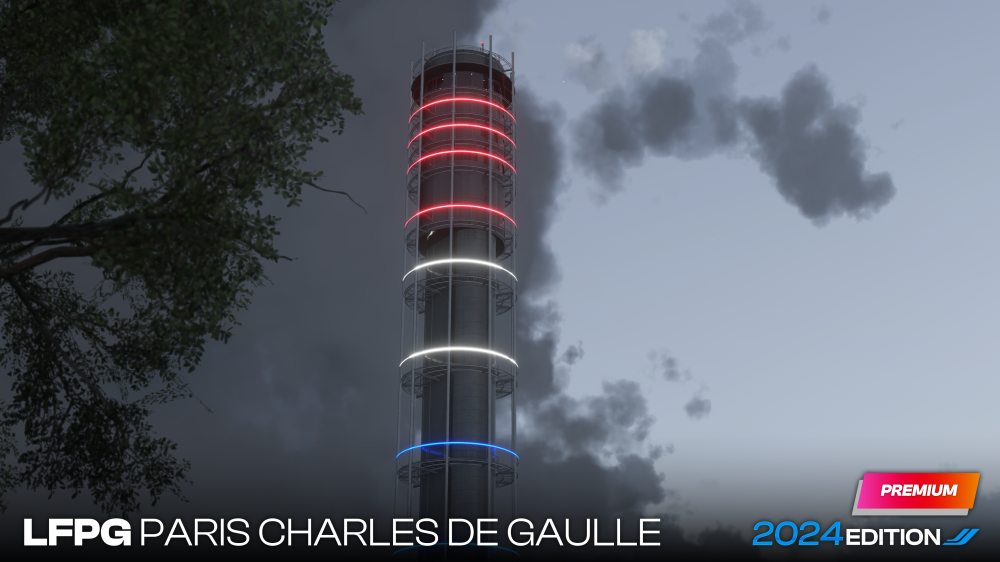
Hello! Since our last scenery development update in June, it has been another couple of months for the scenery team here at iniBuilds! Most notably, we’ve released our largest scenery project to date, Chicago O’Hare, followed most recently by Malta. Behind the scenes, work has continued on a major redevelopment of one of the most popular airports in our scenery collection, alongside updates bringing our latest Multi-Jetway technology to existing airports as well. Dubai V2 represents a substantial step forward from the original scenery, drawing on everything we have learned from developing airports specifically for Microsoft Flight Simulator 2024. From completely revisited terminal environments and improved airside detail to significant optimisation work and the introduction of our Multi-Jetway System, almost every part of the airport has received attention. Looking further ahead, we are also ready to formally announce our next major European airport. It is a project that has already involved extensive research and one where we are keen to work closely with those who know the airport best. Today, we will be looking back at the release of Malta International Airport, taking a much closer look at the work underway on Dubai International Airport V2 and finishing with the formal announcement of our next scenery project. So, let’s get started! iniBuilds Malta (LMML) for Microsoft Flight Simulator 2024!Today we released our latest scenery, and this is what we'll start the development update with, Malta for Microsoft Flight Simulator 2024! Situated between Europe and North Africa, Malta International Airport serves as the island nation’s only commercial airport and provides a varied mix of European, regional, long-haul, cargo and military operations. Malta has always been a popular destination within the flight simulation community. Its Mediterranean setting, distinctive limestone architecture and combination of modern airport infrastructure with the island’s historic surroundings make it an especially interesting airport to recreate. From the beginning of development, our goal was to capture not only the airport itself, but also the atmosphere and character of arriving in Malta. This meant paying close attention to the materials, colours and architecture found throughout the terminal and airfield, alongside the airport’s surrounding environment. The scenery has been developed specifically for Microsoft Flight Simulator 2024 using our latest modelling, texturing and optimisation workflows. The airport features an accurately recreated terminal environment, detailed airside infrastructure, bespoke ground textures, custom signage, airport clutter and a range of details designed to make each arrival and departure feel authentic. Malta International Airport is now live! You can purchase the scenery today through the iniBuilds Store for £14.99 excl. VAT. Buy Now: https://inibuilds.com/products/inibuilds-malta-lmml-msfs-2024 Watch the Trailer 📽️iniBuilds Dubai International Airport (OMDB) V2 for Microsoft Flight Simulator 2024!With Malta now released, attention turns to one of the larger scenery projects currently being worked on by the team. In our previous scenery development update, we revealed that Dubai International Airport V2 was in development. Today, we want to go much further and show just how extensively the airport is being revisited. Dubai International has remained one of the most popular airports in the iniBuilds scenery collection since its original release. As one of the busiest international airports in the world and the home of some of aviation’s most recognisable long-haul operations, it is a destination that continues to play an important role in MSFS. However, the original scenery was created several years ago for Microsoft Flight Simulator 2020. Since then, both the simulator and our approach to scenery development have changed considerably. Rather than applying a simple visual refresh or compatibility update, the team has been using V2 as an opportunity to revisit the airport throughout. Existing assets have been reviewed, rebuilt or replaced, new areas have been introduced and the entire airport is being prepared specifically around the capabilities of Microsoft Flight Simulator 2024. One of the first stages of the project involved reviewing the original scenery and identifying where the greatest improvements could be made. The original Dubai represented the development techniques and simulator capabilities available at the time. Since then, our work on airports such as Chicago O’Hare, London City, Manchester and Malta has allowed us to introduce new modelling methods, more efficient asset workflows and a much deeper understanding of building complex airports for Microsoft Flight Simulator 2024. V2 allows us to apply those lessons throughout Dubai. This includes improvements to modelling, texturing, terminal geometry, interior spaces, airfield detail, lighting and the wider airport environment. Areas which previously relied on older assets or simplified geometry have been revisited, whilst parts of the airport that received limited attention in the original version are now being developed in considerably greater detail. Terminal Modelling and Exterior DetailThe terminal complex is one of the most recognisable parts of Dubai International and has been a major focus throughout the V2 redevelopment. The A, B and C Gates have been completely overhauled, with updated modelling and newly created interiors throughout. The D Gates have also received a range of improvements, although the existing interior did not require the same level of redevelopment. Elsewhere, the ATC tower has been enhanced with improved modelling, updated artwork and additional surface detail. Updated geometry and materials allow the terminal buildings to more closely reflect their real-world appearance, bringing greater depth to the building faces, roof structures, glass surfaces, gate environments and surrounding service areas. These improvements are particularly noticeable around the stands, where aircraft operate close to the terminal buildings and even the smallest details contribute to the overall experience. Expanded Interior EnvironmentsTerminal interiors are another area where the difference between the original scenery and V2 will be immediately noticeable. Areas that previously featured limited or simplified interiors are being revisited with more complete passenger spaces, improved materials, updated lighting and additional detail visible from both the apron and inside the terminal. The aim is not simply to fill the buildings with additional objects. Each interior must contribute to the atmosphere of the airport whilst remaining carefully balanced against performance. Airfield and Ground EnvironmentAway from the terminal buildings, the wider airfield has also received significant attention. Ground textures, markings, taxiway environments, service roads and apron areas have been reviewed and updated to better represent the current airport. Additional clutter, vehicles and ground equipment help give the airfield a greater sense of activity, particularly across the expansive apron areas surrounding the terminal complex. The surrounding airport environment has also been expanded with an extended Metro line, an animated shuttle train serving the D Gates and an animated fountain near the Dubai Airport Freezone. Airport lighting has undergone a complete overhaul, alongside numerous improvements and bug fixes based on feedback from the community. Several new structures have also been introduced throughout the wider airport environment, including multiple underpasses and elevated roads, new Emirates car parks and headquarters parking, additional auxiliary buildings, and a new mosque within the Terminal 3 parking area. Dozens of performance optimisations have been implemented throughout the scenery, including reduced node and vertex counts, fewer draw calls, improved bounding-box sizes, greater use of simulator props across the terminals and further LOD improvements. Almost everything raised within the feedback document has now been addressed, with the exception of static private jets, which can conflict with community traffic configurations. A considerable amount of work has also taken place to improve performance across the airport. This includes the use of vert limits, LOD optimisations and the use of SimProp Containers. Large sections of the airport have been rebuilt and optimised to reduce unnecessary node counts, vertices, draw calls and bounding boxes. The scenery also makes much greater use of our latest Level of Detail workflows, allowing complex assets to be displayed efficiently depending on their distance from the aircraft. For a project of Dubai’s scale, this work is especially important. The airport combines extensive terminal buildings, large numbers of stands, detailed interiors and a dense surrounding environment, all of which must remain manageable throughout arrival, departure and ground operations. The result will be an airport that is not only more detailed than the original, but also built from the outset around the capabilities and requirements of Microsoft Flight Simulator 2024. Multi-Jetway OperationsDubai International is one of the most recognisable homes of the A380, making it the perfect airport for our Multi-Jetway System! At selected compatible stands, multiple passenger boarding bridges will be able to connect to a single aircraft simultaneously, creating a much more authentic turnaround experience for large widebody operations. The system will operate in the same was as other airports that have already received this feature, such as Hong Kong, Gatwick and Chicago. Compatible aircraft will therefore be able to use multiple jetways in much the same way as the default passenger boarding bridges, helping the feature feel like a natural extension of the existing simulator experience. Although especially fitting for A380 operations, the system will also add further authenticity when operating other compatible widebody aircraft through the airport. A Free Update for Existing Enhanced OwnersDubai International Airport V2 will be provided as a FREE update to customers who own iniBuilds Dubai Enhanced, which will be rebranded as iniBuilds Dubai Premium upon release. The existing discounted upgrade path from the MSFS 2020 version to the MSFS 2024 version will be discontinued when V2 launches. Customers who do not already own Dubai Enhanced will therefore need to purchase Dubai V2 Premium at full price. Our Next Destination: ParisWhilst the Dubai team continues working towards the release of V2, another major project has been progressing behind the scenes. Today, we are pleased to formally announce that iniBuilds Paris Charles de Gaulle Airport (LFPG) for Microsoft Flight Simulator 2024! As one of Europe’s largest and most important international airports, Paris Charles de Gaulle offers an enormous variety of operations. From short-haul European services and long-haul passenger flights to extensive cargo operations, the airport serves as a major global hub and presents one of the most varied flying environments in the region. Charles de Gaulle is also an airport defined by its architecture and complexity. Its extensive terminal system, satellite buildings, taxiway network, cargo facilities, hotels, roadways and rail infrastructure combine to create an airport environment unlike almost anywhere else in Europe. Recreating an airport of this scale requires an equally extensive approach to research. The team has already completed a significant amount of research covering the airport’s layout, terminal architecture, airside infrastructure and wider environment. This material is already helping the team recreate the individual character of each terminal area, from the airport’s most recognisable architecture through to the smaller operational details found across the airfield. Can You Help Us?As we have done with projects such as Manchester, we want to work closely with those who know Paris Charles de Gaulle best. We would particularly like to hear from people who currently work at the airport, have worked there previously or regularly operate through it. This could include flight crew, ground handling teams, airport operations staff, engineers and others with first-hand experience of the airport. Your knowledge can help us better understand the smaller details that are difficult to capture through conventional reference material alone, from how particular areas are used to the distinctive features that give each terminal its own identity. If you would like to contribute to the project, please contact the team directly by email. Contact us: management@inibuilds.com We are looking forward to working with members of the community and industry as this project develops, and we cannot wait to share the first proper previews of Paris Charles de Gaulle in the future. Final RemarksFrom the release of Malta International Airport to the extensive redevelopment of Dubai International and the beginning of a new journey in Paris, there is a huge amount happening across the scenery team. Dubai V2 represents an opportunity to bring one of our most popular airports up to the standard of our latest Microsoft Flight Simulator 2024 developments, whilst Paris Charles de Gaulle marks another ambitious project that we hope to build alongside those who know the airport best. Thank you, as always, for your continued support, feedback and enthusiasm. We hope you have enjoyed this closer look at what we have been working on, and we look forward to sharing much more from both Dubai and Paris over the coming months. iniBuilds Team ❤️
-
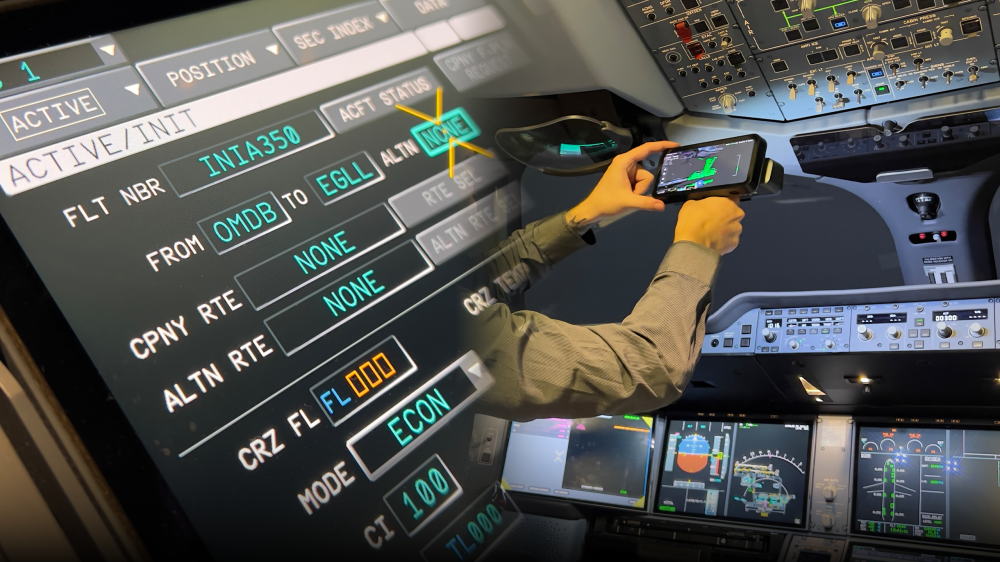
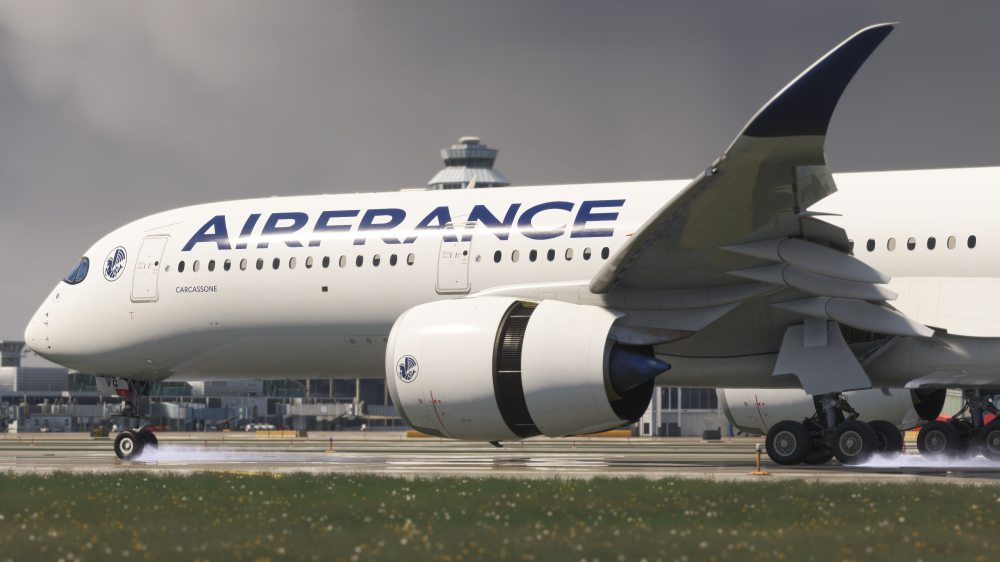
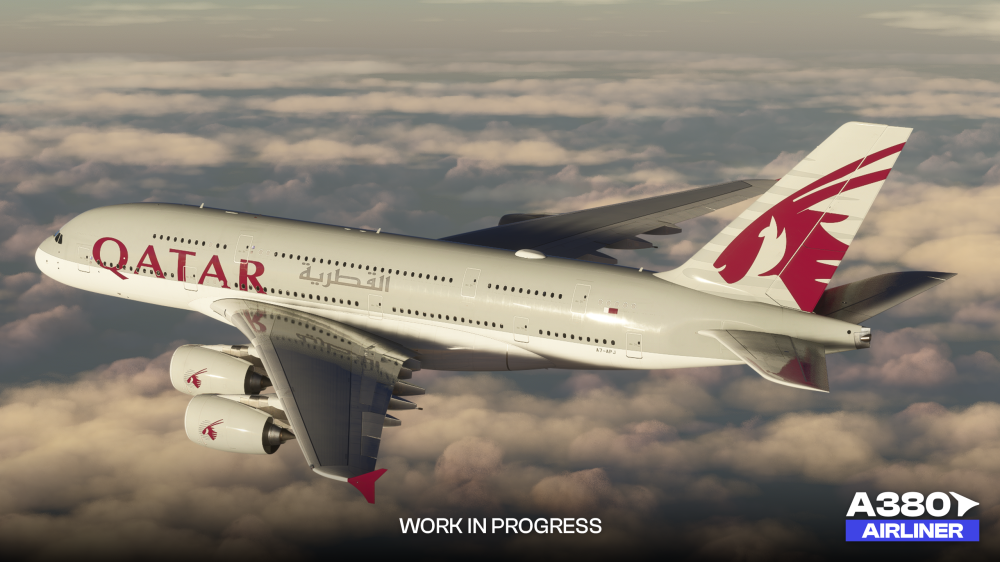
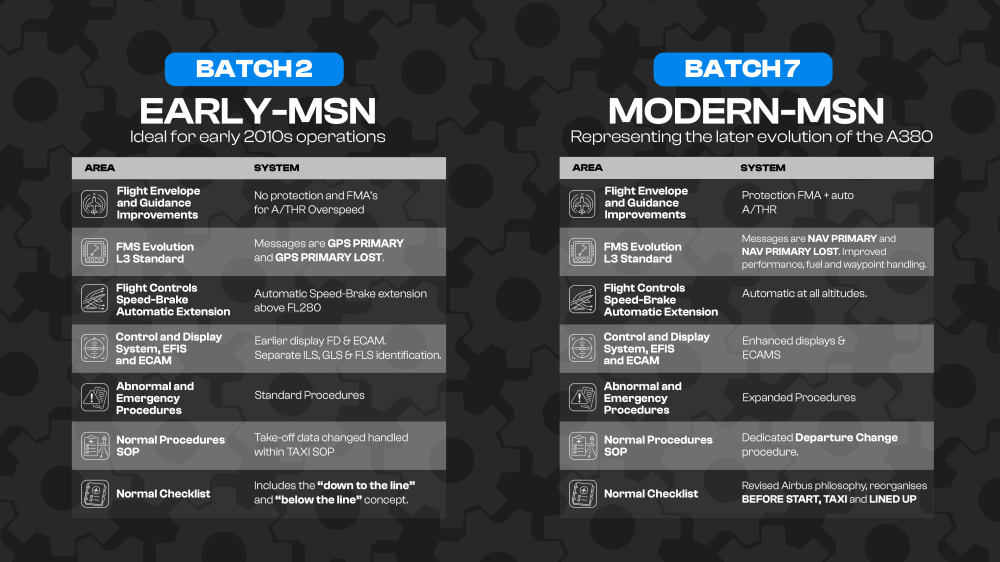
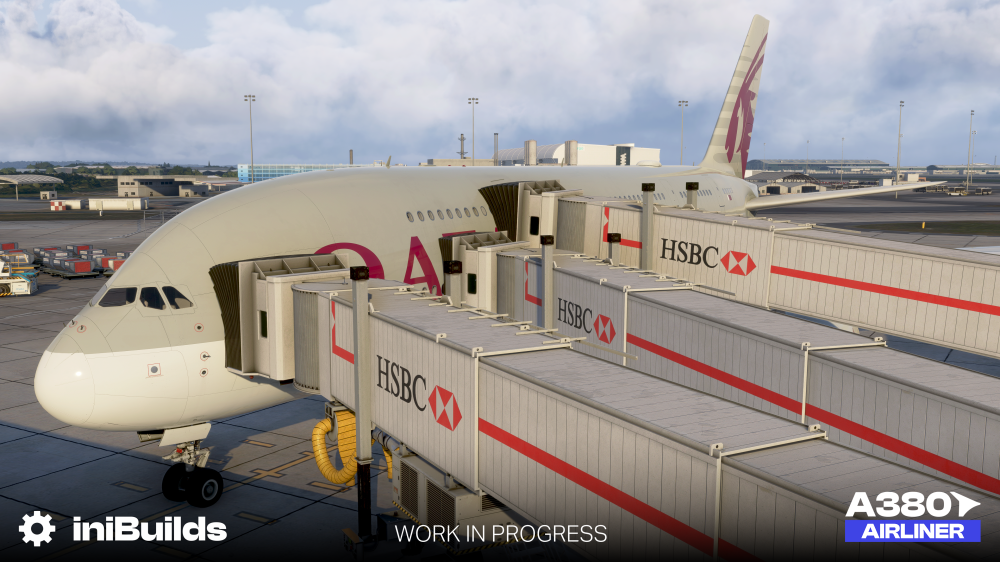
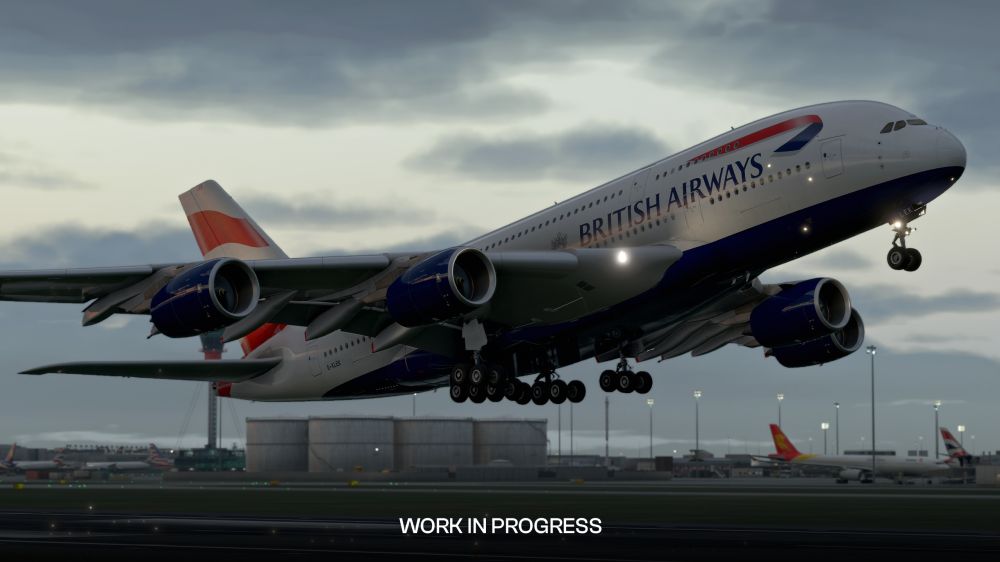
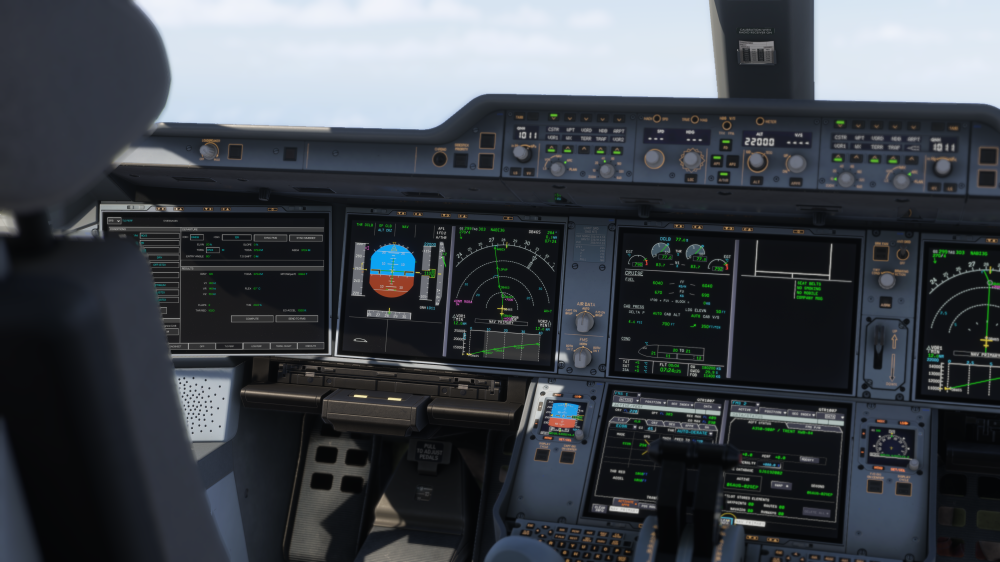
Hello! Welcome back to another iniBuilds Aircraft Development Update! This time, we’ll be taking a closer look at some of the systems, features and technical advancements being introduced with the A380 Airliner, alongside the latest progress on the current A350 Airliner and the upcoming A350 Airliner V2. A380 AirlinerSince our last A380 Airliner development update, work has continued across every area of the aircraft. Alongside introducing a number of completely new features, the team has also spent considerable time revisiting and improving many of the underlying systems already familiar from our previous aircraft. A large amount of this work has taken place behind the scenes, with significant areas of code refactored to improve performance, stability and maintainability while retaining the depth of simulation we are aiming for with the A380. Not every improvement is something you will immediately see in a screenshot, but the work under the hood has been substantial and provides a much stronger foundation for the aircraft as a whole. Let’s get into it! Ground Operations, Persistence and Turnaround 🛬The scale of the A380 extends well beyond the flight deck, and recreating the aircraft properly has meant looking closely at many of the systems and processes involved in operating it on the ground. We have introduced a new aircraft persistence system, allowing important aircraft states such as fuel quantities, switch positions and system conditions to be retained between simulator sessions. Rather than every flight beginning with a completely reset aircraft, you can return to the A380 in the condition in which you previously left it. That persistence extends beyond the cockpit too. The aircraft’s potable water and waste systems are fully simulated, with water consumption, waste accumulation and ground servicing all modelled throughout operation. Combined with persistence, neglecting these systems over multiple sectors can have consequences. Leave the water servicing for long enough and you may eventually find yourself with inoperative lavatories and first class showers! Turnarounds are further brought to life through full compatibility with the iniBuilds Multi-Jetway Technology. At supported airports, multiple passenger boarding bridges can connect to the aircraft simultaneously, allowing the A380’s two-deck configuration to be represented far more authentically during boarding and deboarding. Although this system is not exclusive to the A380, the aircraft was the main reason for its development. What initially began as a solution to the unique requirements of the A380 has since evolved into a wider system that can be used across compatible iniBuilds aircraft and airports. You can learn more about the Multi-Jetway Technology on its introduction post: https://forum.inibuilds.com/topic/37165-an-introduction-to-inibuilds-multi-jetways-technology/ EFB, OIS and Ground-Service Integration 📊The Electronic Flight Bag and Onboard Information System have continued to evolve alongside the rest of the aircraft, bringing together a number of new tools for flight planning, performance and aircraft operation. Take-off planning has also been expanded significantly within the EFB. The integrated take-off performance calculator calculates V-speeds, FLEX temperature and stop margin based on aircraft weight, configuration, runway conditions and weather. This functionality now includes support for intersection departures, allowing pilots to select the intended runway intersection and automatically account for the reduced take-off distance within the performance calculation. An initial implementation of the NSS Avionics domain has also been introduced within the OIS, allowing users to switch between NSS Avionics and Flight Operations functions. AOC communications have been moved into the dedicated NSS inbox, while expanded crew-identification fields allow pilot information and operating status to be entered. Chart handling has been improved across both the EFB and OIS. Search results now include pagination controls, while multi-page Lido charts are supported so that every available page can be viewed and navigated correctly. Numeric entry has received a smaller quality-of-life improvement too, with keyboards on both systems adopting a more familiar numpad-style layout. A new EFB Notification Centre, accessible through the bell icon, provides a central location for reviewing and tracking aircraft and EFB-related notifications. Finally, GSX integration has been updated to V2, providing deeper communication between the aircraft and GSX. This includes revised integration logic, dedicated GSX notifications and a new state panel for monitoring active ground-service operations. Flight Deck, Displays and Controls 🎛️Across the flight deck, development has focused on improving both fidelity and flexibility, from how the aircraft’s displays are managed to the systems supporting the crew throughout operation. Independent Display Unit management allows pop-up displays and swappable cockpit screens to operate separately, more closely reflecting the flexibility of the real aircraft while providing greater freedom for users with multi-monitor or home-cockpit configurations. The A380 Airliner also features a fully integrated Runway Awareness and Advisory System (RAAS), providing realistic runway-related callouts during ground operations. These assist the crew with awareness of runway entries, approaches, exits and potential incursions, particularly when operating at larger or more complex airports. Brake to Vacate (BTV) functionality has also been implemented, providing predicted runway exit performance and automatic turnaround-time calculations. This helps the crew assess the most suitable runway exit during arrival planning and brings another of the A380’s distinctive flight-deck systems into the simulation. Improved PRIM logic, realistic response delays and further tuning of aircraft stability allow the fly-by-wire system to behave more naturally throughout the flight envelope. The Vertical Situation Display (VSD) presents terrain, flight path, altitude constraints and descent planning within a vertical profile of the route. Further improvements to its calculations and logic allow the display to provide more representative output and situational awareness during complex arrivals and descents. Weather radar functionality is also making use of recent simulator API improvements. Adjustable tilt and azimuth controls allow the radar to scan the atmosphere ahead more realistically, helping to identify precipitation and make informed routing decisions around weather. Fuel temperature is also simulated across the aircraft’s tanks. Temperature changes dynamically according to altitude, ambient conditions and flight duration. Should fuel temperatures move outside the expected operating range, the appropriate ECAM indications can be triggered, requiring the crew to assess and manage the situation accordingly. Flight Model & Aircraft Dynamics 💨Recreating the A380’s behaviour has required several areas of the flight model to be approached differently from our previous aircraft. One of the most obvious examples is the landing gear. the A380’s complete landing-gear configuration is represented within the flight model, including functional body-gear steering. The rear body-gear assemblies physically steer in response to pilot inputs, giving the aircraft surprisingly manageable ground handling despite its enormous size. This has been combined with Microsoft Flight Simulator 2024’s new suspension modelling, allowing the individual landing-gear assemblies to react more naturally while taxiing, turning and travelling across uneven surfaces. The aircraft’s complex arrangement of multiple bogies has also required additional work around ground contact and compression. By using additional contact points within the MSFS 2024 flight model, the individual gear assemblies can react progressively as they make contact with the runway. This becomes particularly noticeable during touchdown, where the aircraft can settle naturally across the different bogies rather than behaving as though the entire landing gear were a single rigid contact point. Whether the aircraft touches down firmly, gently or with some roll angle, each assembly responds independently as the weight transfers onto the landing gear. Dedicated A380-specific fly-by-wire rotation laws have also been developed. These simulate the transition between the ground, rotation and airborne phases during take-off, while accounting for the A380’s enormous operating-weight range. Sidestick input is translated into an appropriate pitch response so that the aircraft remains consistent and predictable whether operating relatively light or close to maximum take-off weight. The wings themselves are driven by a custom dynamic wing-flex system, responding to aerodynamic forces, aircraft weight, turbulence and manoeuvring loads. Rather than relying on a simple predefined animation, the wing movement continuously responds to the conditions acting upon the aircraft. Failures and Scenarios⚠️Failures remain an important part of the A380 simulation, and a comprehensive failure-management system has been reorganised around the aircraft’s ATA chapter structure. This makes failures easier to locate and configure while bringing their organisation closer to the way systems and procedures are structured within real-world aircraft documentation. A number of individual scenarios have also been added or received substantial development. Engine fuel leaks can develop under a variety of operating conditions, requiring the crew to identify the problem, follow the appropriate procedures and manage the aircraft through the relevant ECAM-driven workflow. Cabin pressurisation leaks can develop gradually rather than presenting themselves immediately. A small leak may initially be difficult to notice unless the aircraft’s indications are being monitored closely, before eventually requiring intervention, descent or diversion. Individual Display Unit failures allow the loss of primary flight information to be simulated independently. Displays can then be reconfigured using the available alternate procedures, creating a more involved abnormal situation for the crew to manage. Events can now be triggered immediately or occur randomly in your flight, with similar trigger controls available across other scenarios. Allowing the event to occur while still on the ground introduces an entirely different failure-management situation, where the crew may have to make decisions during one of the highest-workload phases of the flight. Choose Your Era 📅The A380 Airliner has continued to evolve throughout its production life, with later MSN aircraft introducing changes across flight guidance, displays, FMS functionality, system logic and operating procedures. As a result, an aircraft delivered during the production's early years can offer a noticeably different flight-deck experience from one operating today. We wanted to represent this evolution rather than treating every A380 as though it were built to one universal standard. Whether you are recreating an early Air France operation from Paris in 2010 or flying a modern-day Emirates service in 2026, the aircraft should reflect the systems and procedures appropriate to that era. Through the EFB, you can switch between two aircraft configurations: Early-MSN, based on the Batch 2 standard, and Modern-MSN, based on Batch 7. Each configuration changes more than a handful of labels, introducing the appropriate FMS capabilities, flight-guidance logic, display behaviour, protections, procedures and checklist philosophy. The comparison below highlights some of the key differences between these two configurations and how the flight deck has evolved over time. Engine Differences 💪Of course, one of the most recognisable differences between A380 operators is sitting underneath the wings. The A380 was offered with two completely different engine families: the Rolls-Royce Trent 900 and Engine Alliance GP7200. These are fundamentally different powerplants. The Trent 900 uses Rolls-Royce’s three-shaft architecture, while the GP7200 uses a two-spool design derived from technologies developed for the GE90 and PW4000 engine families. Because of this, we did not want the engine selection to simply amount to swapping one external model for another. Both engine options are represented as distinct variants, with their own external geometry, sound profile, start and shutdown behaviour, spool dynamics, thrust response and relevant cockpit indications and system behaviour. The result is that selecting the Trent 900 or GP7200 changes more than the appearance of the aircraft. Each option has its own characteristics from engine start through to shutdown, better reflecting the operator and aircraft configuration being flown. Exterior Visuals UpdateAlongside the extensive systems and flight-model work taking place on the A380 Airliner, the art team has continued refining the exterior to ensure the visual experience receives the same level of attention. From further model improvements and interactive exterior features to custom visual effects, there has been plenty of work taking place across the aircraft since we last showcased it. Exterior Model Refinements & FeaturesSince the showcase of what you've seen in our A380 Airliner trailer, the team has continued to revisit several major areas of the exterior model, with significant reworking carried out across the board to bring it to a higher level of detail and accuracy. The A380 is a long-term project since a handful of years to date, and as our internal standards, tools and understanding of the aircraft have improved (and continue to), we have continued QA'ing and revisiting earlier work. The wings in particular have received extensive attention. Alongside improvements to their geometry and detailing, they are fully animated and integrated with the dynamic wing-flex system mentioned earlier in this update. Control surfaces, spoilers and other moving components remain visually connected to the changing shape of the wing as it responds to aerodynamic forces, aircraft weight, turbulence and manoeuvring loads. Both the Trent 900 and GP7200 models have also been revisited, with further refinements to their geometry and detailing to better capture the characteristics of each powerplant. This includes fully modelled engine interiors, while the belly and lower fuselage have received a similar refinement pass. As you have come to expect from our recent aircraft, the exterior also includes a wide range of smaller interactive details for the MSFS 2024 Walkaround Mode. Air-conditioning hatches along the belly can be opened, alongside the ground power connection hatch, rear APU access hatch and other servicing panels around the aircraft. As mentioned earlier, areas such as the potable water and waste servicing points are not purely visual either, and are connected directly to their respective simulated systems and serviceable via GSX as standard. Immersion EffectsAs previously showcased with aircraft such as the TriStar and A350 Airliner, Immersion FX play an important role in making the aircraft feel connected to the environment around it. With the A380, these effects have been expanded to help convey the sheer scale and power of the aircraft throughout different phases of operation. In wet conditions, the aircraft features tyre and wheel water spray, alongside engine water spray and reverse effects. Engine vortices can also form under the appropriate atmospheric conditions, while custom heat blur effects have been developed for both the engines and APU. In flight, the A380 features custom contrail effects alongside dedicated fuel jettison effects when fuel dumping is required. Abnormal events are represented visually too, with engine flame and smoke effects during applicable bird strikes and engine failures, while a tail strike will produce sparks and visual damage to the hull as the aircraft makes contact with the runway. These effects add another layer of visual feedback to the underlying simulation, whether the aircraft is taxiing through standing water, climbing through humid air, jettisoning fuel or dealing with an abnormal event. A350 Airliner: What’s Next?Development on the A350 is continuing on two fronts. The first is A350 Systems and Performance Update 1, which will be released as v1.2.7 for the current aircraft. This update focuses on addressing commonly reported stability, flight-planning, systems and handling issues, while also bringing across applicable improvements developed for the A380 Airliner. Alongside this work, we’re excited to confirm that work on A350 Airliner V2 is underway. This is a much wider core upgrade covering the aircraft’s geometry, exterior and interior artwork, Head-Up Display, EFB, OIS, systems, failures, ECAM functionality and so much more! A350 Airliner V2 is being developed exclusively for Microsoft Flight Simulator 2024 and will be available as a FREE update for all existing A350 Airliner customers. With the release of V2, Microsoft Flight Simulator 2024 will become the sole development platform for the A350 Airliner. At that point, active development and updates for the Microsoft Flight Simulator 2020 version will conclude, with the existing 2020 version remaining available to customers in its current form. This decision allows us to move the A350 forward without being constrained by the technical and architectural limitations of the previous simulator generation. Continuing to develop across both platforms increasingly requires compromises that ultimately hold back what we can deliver. By focusing entirely on Microsoft Flight Simulator 2024, we can make full use of the newer technology, push the depth and capabilities of the A350 further, and ultimately deliver a significantly better product and experience for our customers. V2 represents the next generation of the iniBuilds A350 Airliner, and concentrating our development efforts on MSFS 2024 gives us the freedom to make that next generation everything we want it to be. A350 Systems and Performance Update 1Alongside our work on A350 Airliner V2, we have also been working on an update for the current A350 Airliner. This update is focused on addressing a number of areas highlighted through community feedback and our own continued testing, with particular attention being given to stability, flight planning, navigation and aircraft handling. Stability & Reliability Improved aircraft and display stability across a number of loading and flight-planning scenarios. Improved robustness when entering runway, STAR and transition data into the flight plan. Improved reliability of SimBrief flight-plan imports across a number of edge-case scenarios. Improved auto-save behaviour when the simulator is paused. Flight Planning & Navigation Improved alternate flight-plan creation and waypoint sequencing. Improved along-track waypoint placement and flight-plan insertion. Improved speed and altitude constraint handling following DIR TO operations. Various improvements to VNAV behaviour and flight-plan management. Systems, Performance & Indications Improved RMP navaid audio behaviour for LS, ADF and VOR identifiers. Refinements to cabin vertical-speed behaviour during cruise. Improvements to auto-derated climb-thrust behaviour. Corrected ILS course presentation behaviour following landing. Flight Controls & Handling Further refinements to roll and pitch-axis response. Improvements to fly-by-wire bank-angle protection and bank-hold behaviour. These changes form part of our continued work to refine the current A350 experience while development of the significantly larger A350 Airliner V2 update progresses in parallel. A350 Airliner V2V2 is not simply a collection of fixes or a visual refresh. It is a wider core upgrade to the aircraft, with major work taking place across the cockpit geometry, interior and exterior artwork, aircraft variants, HUD, EFB, OIS, systems, failures, ECAM functionality and more. The update is being developed specifically for Microsoft Flight Simulator 2024, allowing the team to take greater advantage of the platform as we work towards a more accurate, refined and complete recreation of the A350, it will also be completely FREE for current users. Cockpit Geometry and InteriorThe A350 cockpit is undergoing a substantial geometry overhaul using newly collected data. This provides the art team with significantly stronger reference material for revisiting the proportions, positioning and shapes of key flight-deck elements. The new data is being used throughout the cockpit environment, allowing individual panels, controls and surrounding structures to be represented with greater accuracy. The wider interior artwork is also being revisited as part of this process, ensuring the improvements extend beyond individual components and create a more cohesive flight-deck environment. Exterior Geometry and Aircraft VariantsWork is also taking place across the exterior model, with particular attention being given to the differences between the A350-900 and A350-1000. The wing geometry of each variant is being revisited so that the two aircraft more accurately reflect their individual proportions and characteristics. This moves away from the more general representation currently shared between them and allows each variant to present a more distinctive and accurate profile. Head-Up DisplayThe Head-Up Display is receiving a major update, with its logic, symbology and behaviour being revisited throughout the different phases of flight. This work is focused on improving the accuracy of the guidance presented to the crew and ensuring that HUD indications respond appropriately as flight modes, aircraft configuration and operating conditions change. EFB and Onboard Information SystemBoth the EFB and Onboard Information System are being revisited as part of the wider V2 upgrade. The work will improve their functionality and integration with the rest of the aircraft, creating a stronger connection between the information available to the crew and the wider simulated systems. We will have more to share about the individual EFB and OIS improvements as V2 development progresses. Systems, Failures and ECAMA new failure system is being developed alongside significant updates to the underlying systems logic. This will allow failures and abnormal situations to be represented in a more detailed and structured way, while providing a stronger foundation for additional scenarios and functionality in the future. The ECAM displays and associated logic are being revisited at the same time, improving how system states, alerts and abnormal situations are communicated to the crew. Together, these changes will create a much closer relationship between the simulated aircraft systems, the failures affecting them and the information presented on the flight deck. The areas shown here represent only part of the work underway for A350 Airliner V2. We will be taking a much deeper look at the updated cockpit, exterior, systems and onboard functionality as development continues. There is still plenty more to show A350 Airliner V2, and we’ll be sharing more as development continues. Thank you, as always, for your continued support, feedback and patience. We cannot wait for you to get your hands on the A380 Airliner. We’ll be announcing more very soon! iniBuilds Team ❤️

-
v1.0.4 (hotfix) of iniBuilds Liverpool (EGGP) Premium for MSFS 2024 has been released. This is a small hotfix to address the missing trees around the airport perimeter. v1.0.4- Fixed missing trees
-
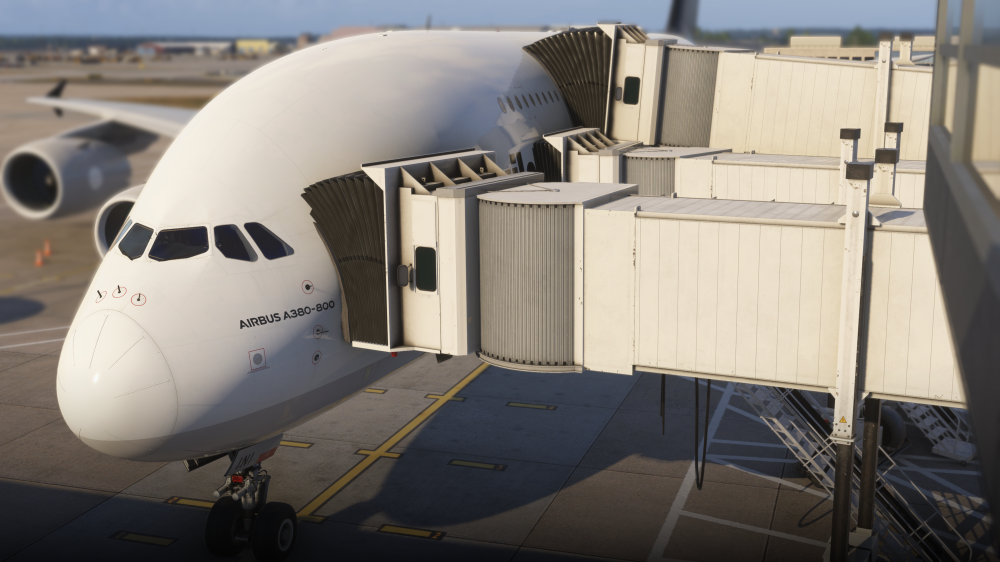
v1.1.0 of iniBuilds London Gatwick (EGKK) for MSFS 2024 has been released. This update introduces the new Multi-Jetway System at Gates 558/559, adds Taxiway Link E and updated IHPs with accompanying signage, and improves taxiway pathing and offset-threshold behaviour for ATC and AI traffic. This update can be downloaded via the iniManager. v1.1.0Added multi jetway system [Gate 558/9] Added taxiway LINK E and signage Added new/changed IHPs (MARLO, JACKA, N2, P2, Q2, R2) and signage Taxiway paths have been decluttered to help with ATC/AI pathing Taxiway/runway entries on offset thresholds should now show correct behaviour
-
v1.1.1 of iniBuilds Luton (EGGW) Compatible for MSFS 2020 & 2024 has been released. This update brings more airport layout changes, including the expanded ERB with Parking Stands 101–103, adjusted hold points and stand numbering, new DART bridge lighting, the removal of duplicated scenery elements, and fixes for pink texture issues. This update can be downloaded via the iniManager. v1.1.1Expanded ERB with Parking 101-103 Adjusted hold points and numbering New DART bridge lighting Removed some duplicated elements Fixed pink textures
-
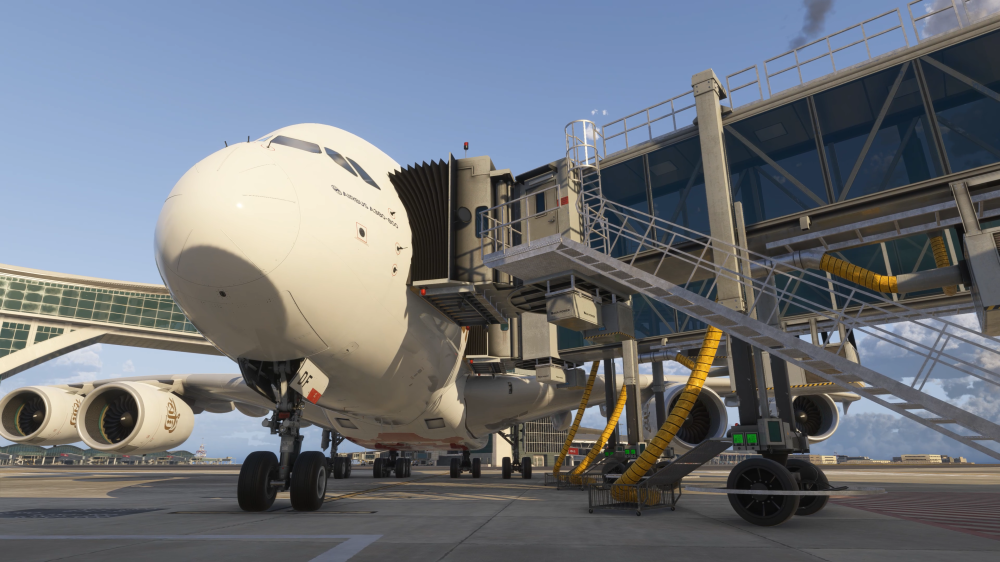
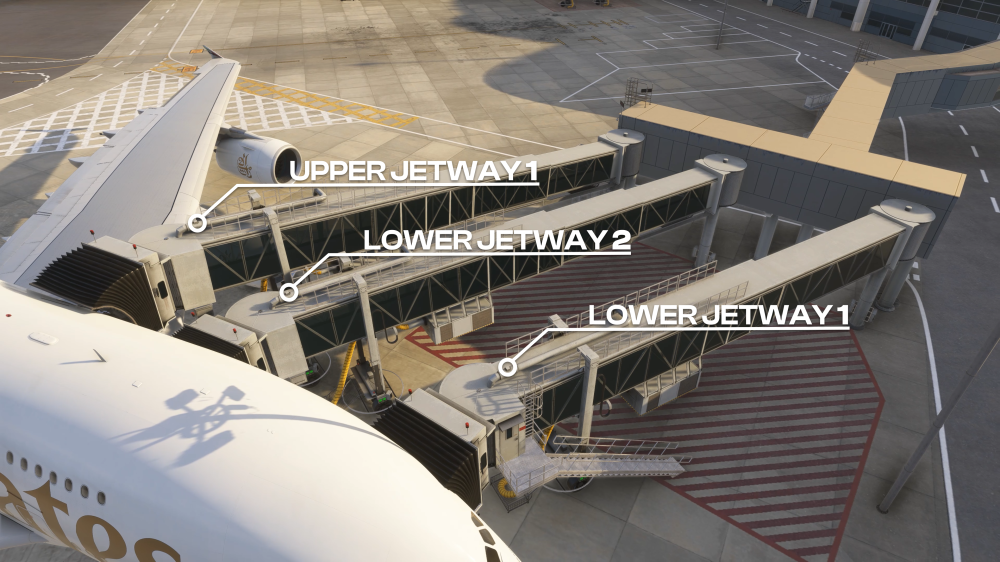
v1.1.0 of iniBuilds Hong Kong (VHHH) Premium for MSFS 2024 has been released. This update introduces support for our new Multi-Jetway System, allowing compatible aircraft to connect to multiple passenger boarding bridges simultaneously. It also includes an updated Multi-Jetway Tool, a revised GSX profile, and a fix for an additional PAPI on Runway 07C. Multi-Jetway Support Now AvailableWe're pleased to introduce our new Multi-Jetway System, now available at Hong Kong International! This update brings the latest iniBuilds Multi-Jetway tech to this global hub, allowing multiple passenger boarding bridges to connect to compatible aircraft simultaneously, bringing an even greater level of realism to your turnaround experience. Multi-Jetway Tool UpdateThe Multi-Jetway Tool has been updated for compatibility with the latest VHHH update. To install the latest version: Open the product page of any compatible scenery in the iniManager. Expand the Multi-Jetway Tool section. Click Uninstall on the existing installation. Once complete, click Install to download the latest version. GSX Profile UpdateAn updated GSX profile is required for compatibility with the latest VHHH update. The updated profile is available to download via the product page. Known LimitationsDue to the custom nature of the Multi-Jetway System and current simulator architecture, the following limitations currently apply: Default Input EventsThe standard Toggle Jetway command is not compatible with the custom jetways. As a result, they cannot be operated using: The default Microsoft Flight Simulator ATC menu. Built-in aircraft EFB "Operate Jetways" functions. Third-party ground handling utilities. AI TrafficAI aircraft can park at compatible gates but will not operate the custom jetways, as they cannot detect them. GSX CompatibilityThe Multi-Jetway System has been designed to work alongside the wider Microsoft Flight Simulator ecosystem, including GSX. However, some limitations currently exist: GSX may display "BAD JETWAY DATA" when operating jetways, as it does not recognise the custom jetway state. Although airport profiles suppress ground stairs in favour of jetway boarding, GSX is currently unable to detect when the custom jetways are connected and may dispatch stairs instead. We have been in contact with FSDreamTeam regarding these compatibility issues and are awaiting further feedback. We'll provide updates as soon as we have more information. 📽️Watch it in Action!This update can be downloaded via the iniManager. v1.1.0ADDED Multi-jetway support FIXED Additional PAPI on 07C
-
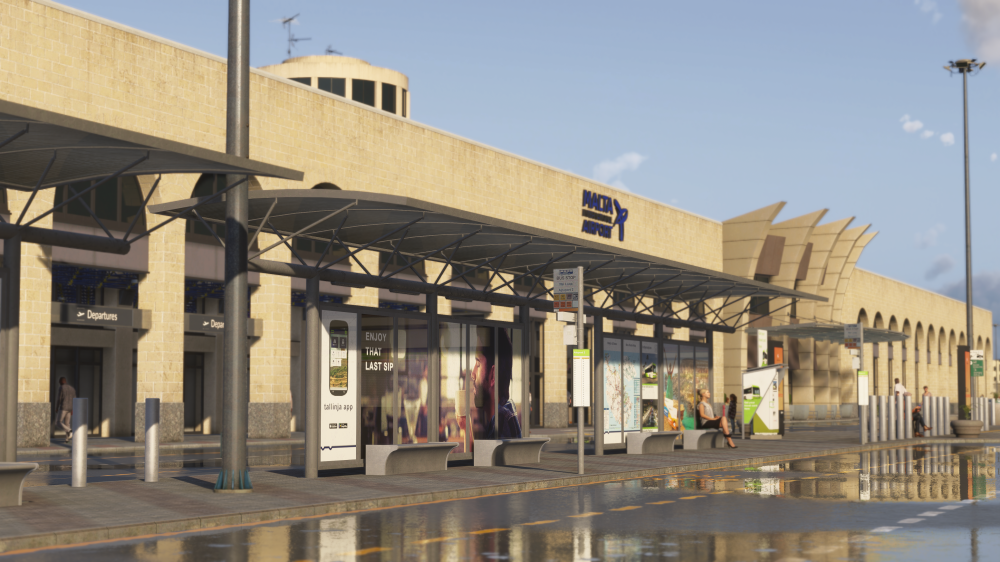
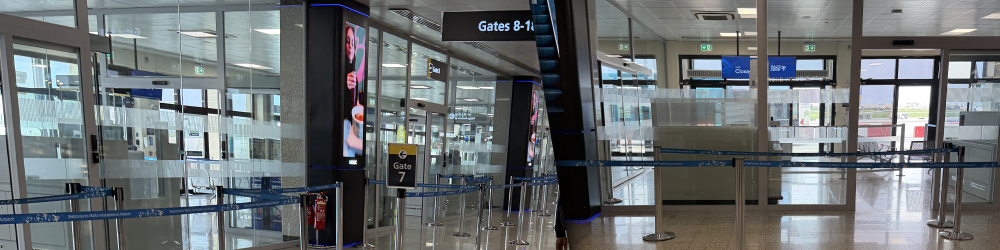
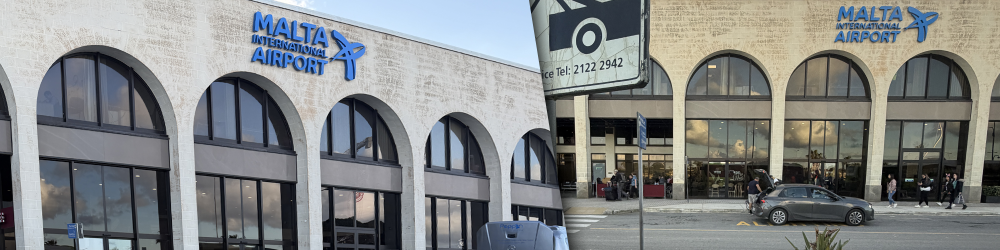
Welcome to Malta International Airport (LMML) for Microsoft Flight Simulator 2024! ⛵Today, we're delighted to officially unveil the next scenery project, releasing soon, iniBuilds Malta International Airport (LMML) for Microsoft Flight Simulator 2024! Located in the heart of the Mediterranean, Malta International serves as the island nation's only commercial airport and is a vital gateway connecting Europe, North Africa and the Middle East. Despite its relatively small footprint, Malta offers a unique blend of airline operations, military history and amazing coastal approaches that have made it a favourite. From the iconic approach over the Maltese coastline to its distinctive terminal architecture and bustling apron activity, Malta is an airport full of character. Capturing that atmosphere has been at the centre of development from the very beginning. Behind the ScenesAs with many of our recent scenery projects, recreating them starts long before any modelling begins. Earlier this year, a member of the iniBuilds team travelled to Malta to conduct an extensive on-site reference visit, allowing us to gather hundreds of photographs and videos from across the airport. While publicly available imagery provides an excellent starting point, nothing compares to experiencing an airport firsthand. From terminal interiors and passenger areas to apron equipment, signage, lighting, surface materials and the countless small details often missed by satellite imagery, the visit has played a vital role in ensuring every area of the airport feels true to life. Throughout the visit, particular attention was given to the airport's unique blend of modern terminal facilities and the surrounding historic architecture that gives Malta its unmistakable identity. Every reference captured has helped shape the airport's materials, proportions, weathering and atmosphere, allowing the team to faithfully recreate the experience both airside and landside. Development ProgressSince that reference visit, development has been going at a great pace. Work has taken place across every area of the airport, including highly detailed terminal exteriors, immersive interior modelling, custom ground textures, bespoke signage, dynamic lighting, airport clutter and optimisation throughout. As always, performance remains a major focus throughout development. Every asset has been carefully optimised to ensure the airport delivers a highly detailed experience whilst maintaining smooth performance across a wide range of hardware. Scenery Features Hand-crafted ground textures with bespoke runway, taxiway and apron materials Highly detailed terminal interiors and exterior modelling True-to-life landside recreation with custom vegetation, decals and infrastructure Accurately modelled dynamic airport lighting Custom taxiway signage built to real-world specification Bespoke airport clutter, service vehicles and ground equipment Up-to-date airport layout reflecting the current real-world configuration Official GSX profile included Optimised LODs throughout the scenery for balanced performance Built using the latest Microsoft Flight Simulator 2024 SDK features Full iniManager compatibility A Closer LookBelow you'll find a selection of in-development previews showcasing various areas of Malta International Airport. From the terminal building and interior spaces through to apron environments and surrounding infrastructure, these screenshots highlight the level of detail the team has been working towards across the entire project. While we're not quite at release yet, we're incredibly pleased with how the project is progressing and look forward to sharing even more, very soon! As always, thank you for your continued support! iniBuilds Team ❤️
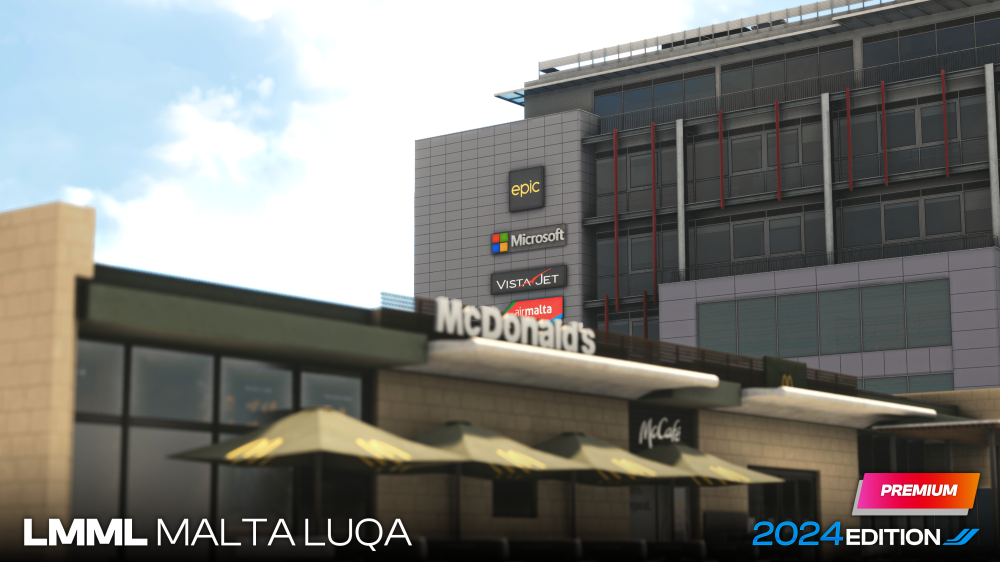
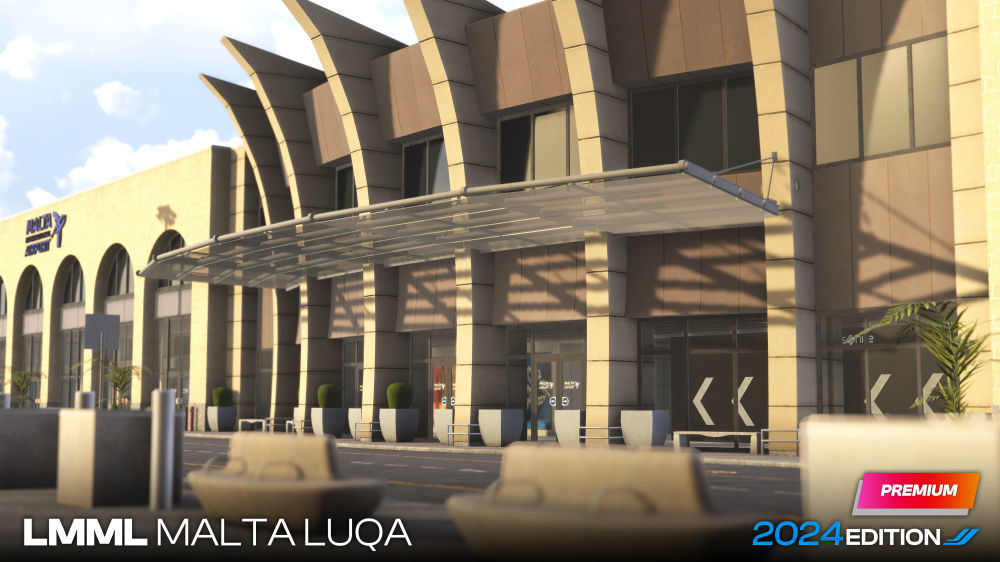
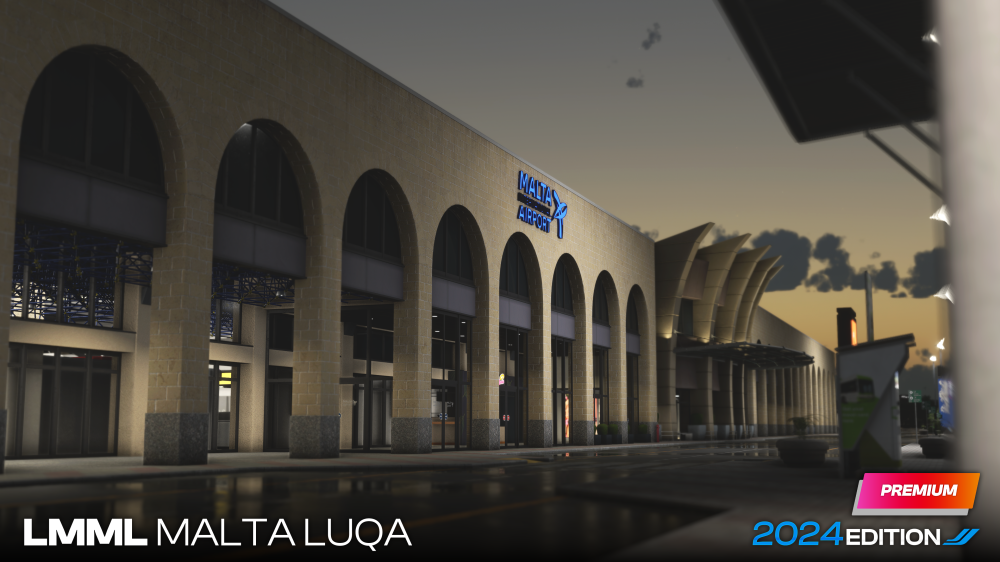
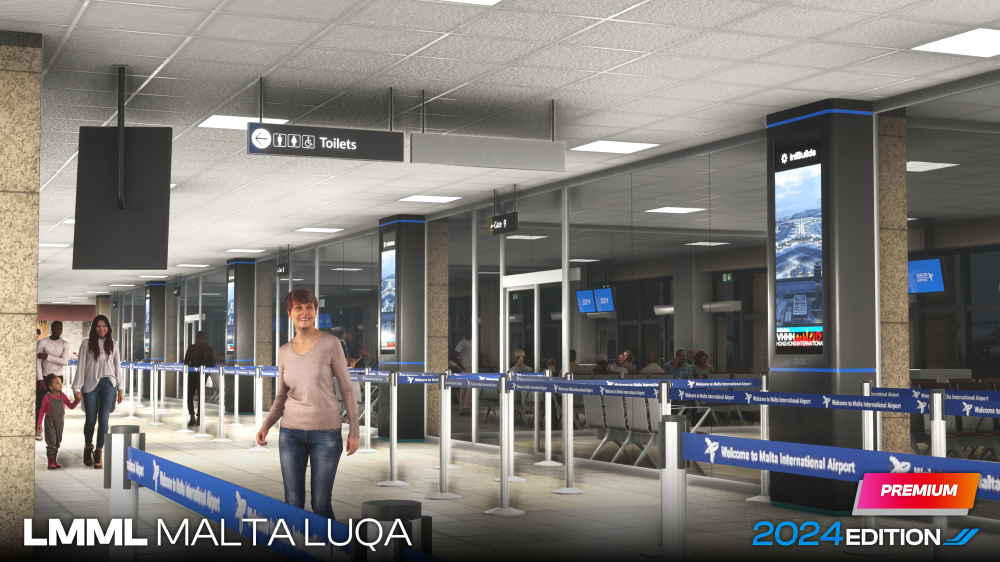
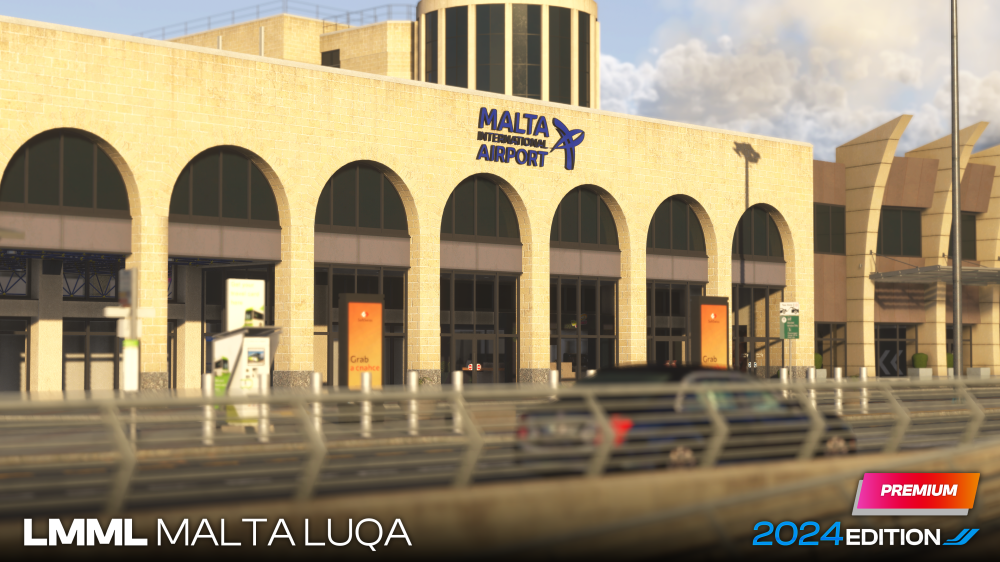
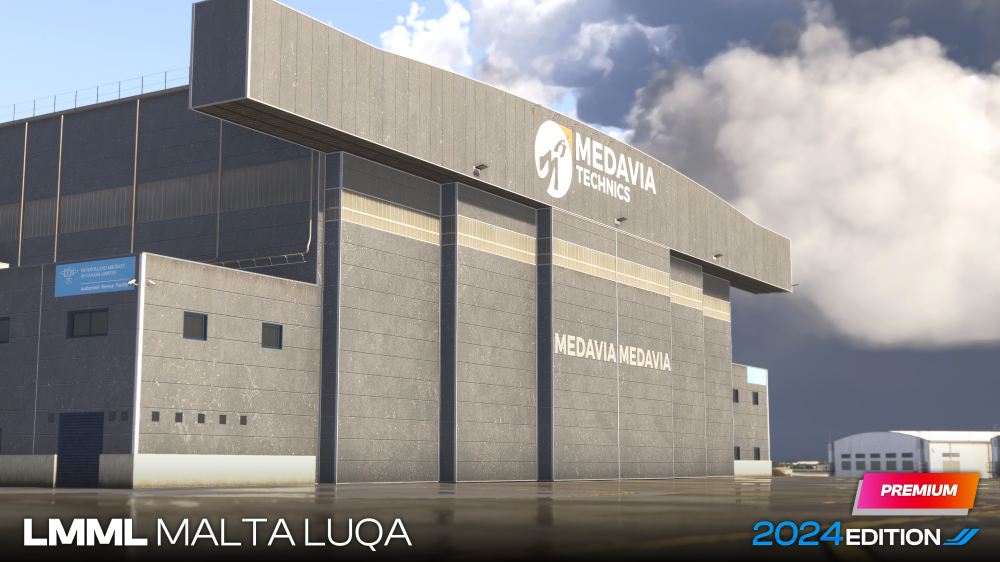
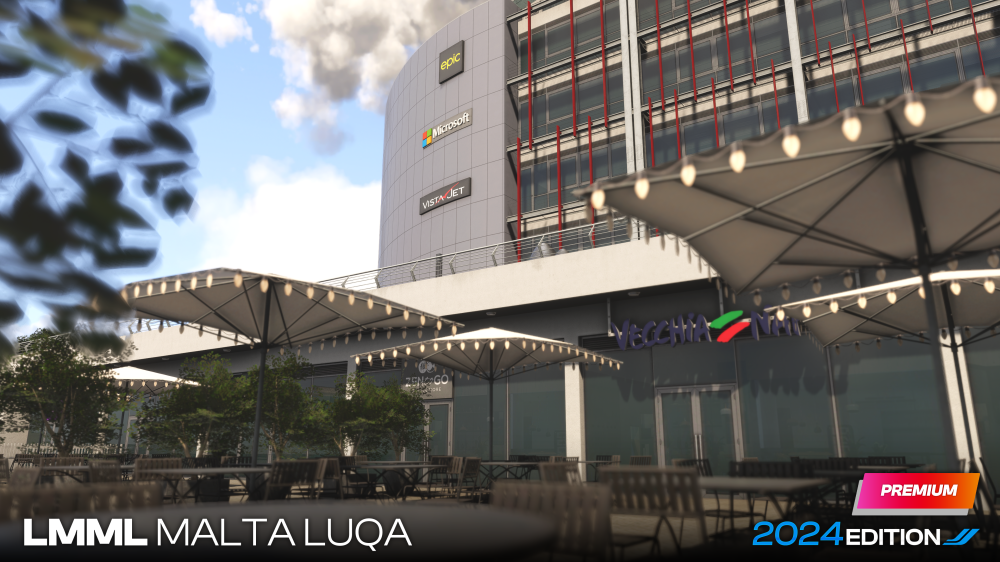
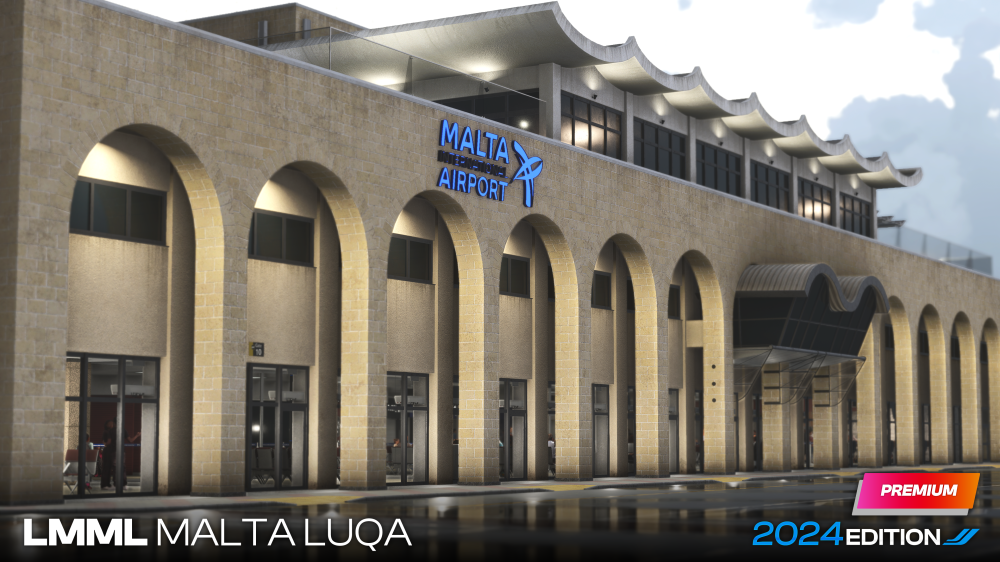
-
v2.5.9 of the iniManager has been released. This is a small update to provide users with access to the Synaptic A220 Terrain Map Server downloads. This update will be downloaded automatically when you launch the app or you can manually download it here. v2.5.9Added Synaptic A220 Terrain Map Server Download
-
v1.0.1 of iniBuilds Chicago O'Hare (KORD) Premium for MSFS 2024 has been released. This update refines the airport with improvements to terminal glass materials, taxiway signage, jetway connections, GSE placement and terrain around the airfield. It also introduces new helicopter parking and helipad facilities, adds the iconic "Welcome to Chicago" sign, includes an option to disable static VDGS for improved GSX compatibility, and resolves a number of visual issues including flickering, stray taxiway lighting and other airport refinements. This update can be downloaded via the iniManager. v1.0.1FIXED Adjustments to terminals glass transparency/colour FIXED Reduced flicker on T2 FIXED Taxisign corrections on placement and orientation FIXED Terraform issues along taxiway P FIXED Stray taxiway lighting FIXED Adjustments to placement/types of GSE FIXED Jetway hood connection issues ADDED Option to disable static VDGS (for GSX compat) ADDED Helipad and helicopter parking ADDED "Welcome to Chicago" sign
-
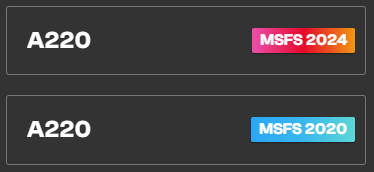
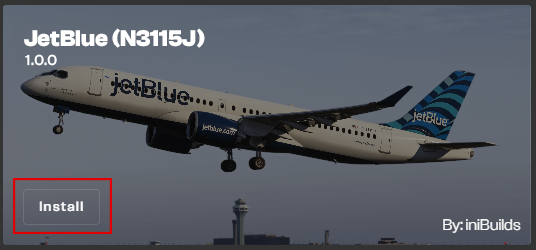
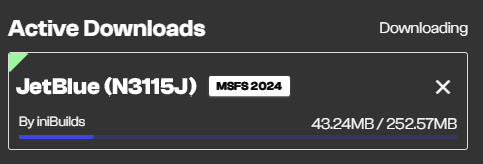
OverviewThe Synaptic A220 comes with a variety of liveries made by our in-house artists for you to re-create your preferred Airlines experience. These liveries are available for download via the iniManager directly into your sim's Community folder. IniManager - Installation & SetupNew UsersDownload the latest version of iniManager from https://inibuilds.com/inimanager-v2 Log in using your iniBuilds Store account. Set your MSFS 2024 & MSFS 2020 Community Packages Folder paths: a. Default Location: Press the 'Scan Now' button to run an automatic scan for the default Community folder path. b. Custom Location: Press the '...' button to manually navigate to your custom Community folder path. Done! You may now download your desired products and liveries. iniManager - Liveries ManagementAccessing LiveriesOpen the iniManager Select the 'Liveries' from the sidebar Select the 'A220 MSFS2024' or 'A220 MSFS2020' Find your desired livery from the list. You may use the 'Filters' or 'Search Liveries' section at the top-right corner. Installing LiveriesClick the 'Install' button on the desired livery. Read the disclaimer and press 'I Understand' button. Wait for the download to complete. You can see the status of your download via the Active Downloads icon on the top right corner. Done! You may now close the iniManager. Uninstalling / Updating LiveriesClick the 'Uninstall' or 'Update' button on the desired livery. Done! You may now close the iniManager.
-
iniBuilds A300-600R Airliner Premium V1.0.11 Update 🚀The iniBuilds A300-600R Airliner Premium v1.0.11 update is now available, this small update ensure that the A300-600R is ready to use on specific multi-jetway stands. This update can be downloaded via the iniManager. v1.0.11Compatibility for multi-jetways added.
-
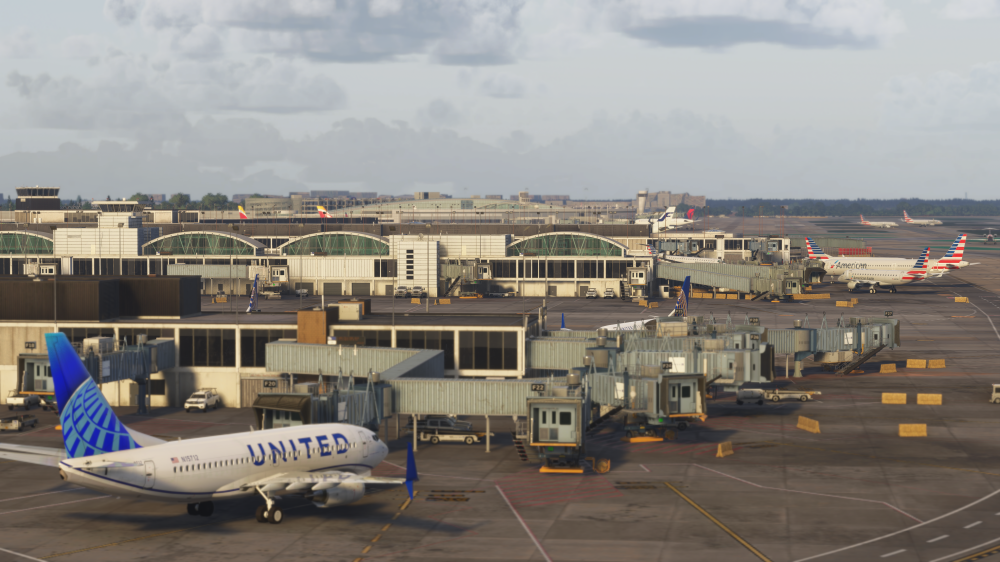
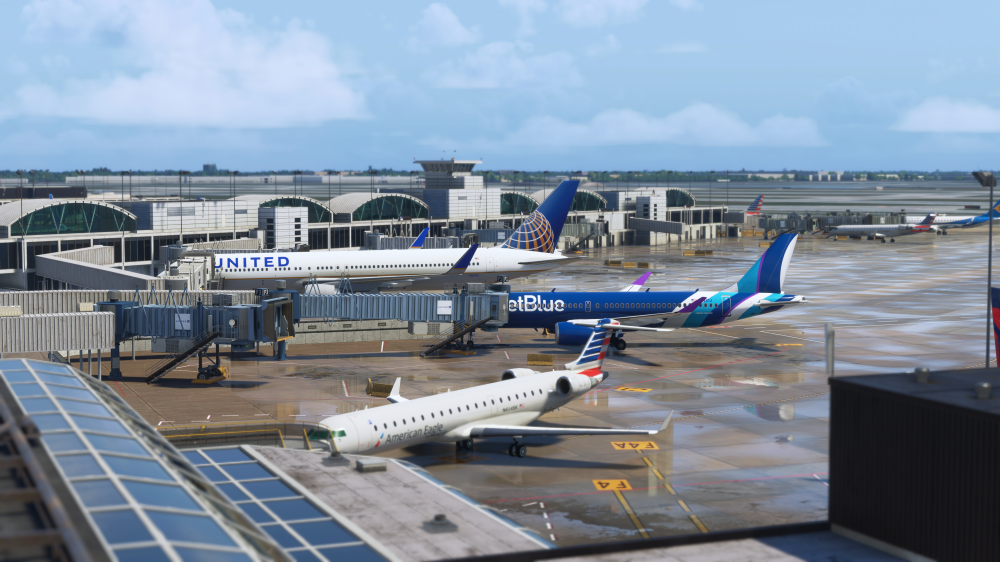
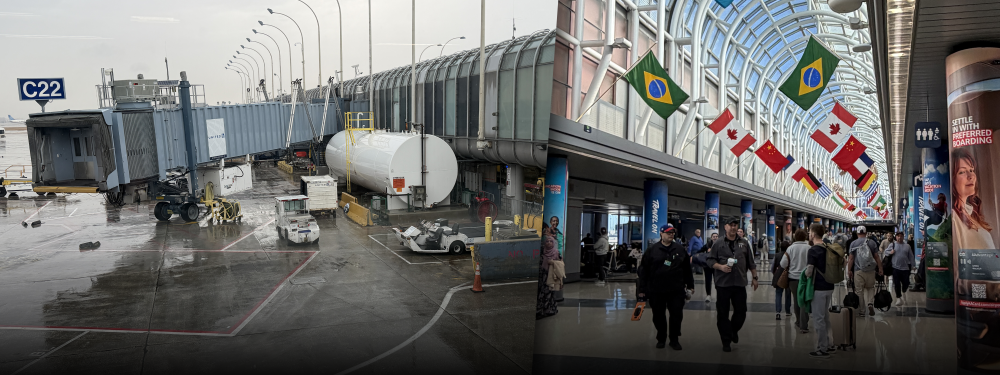
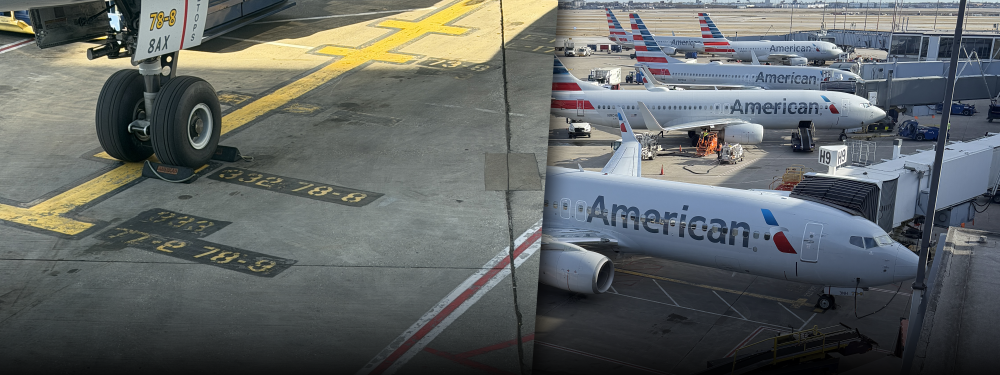
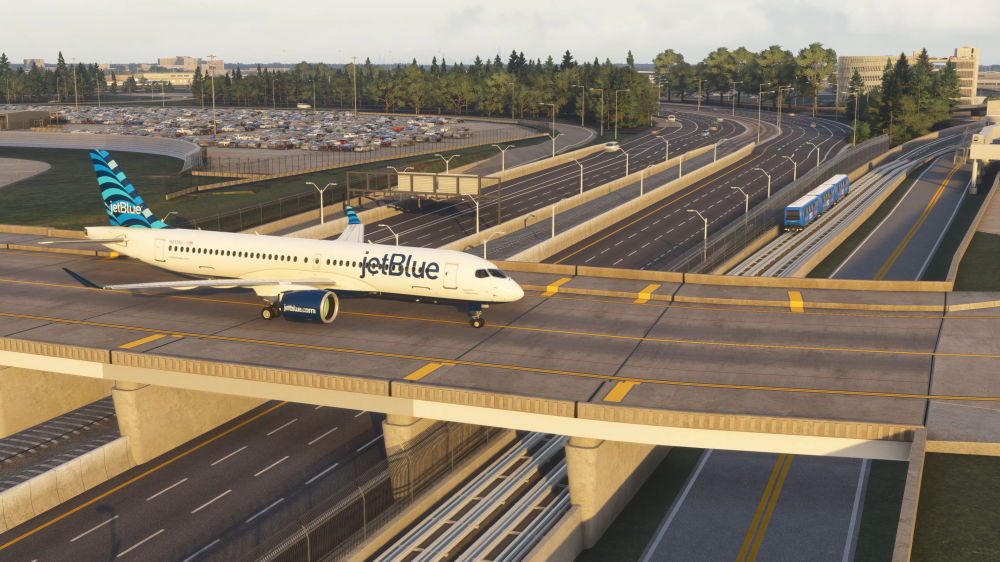
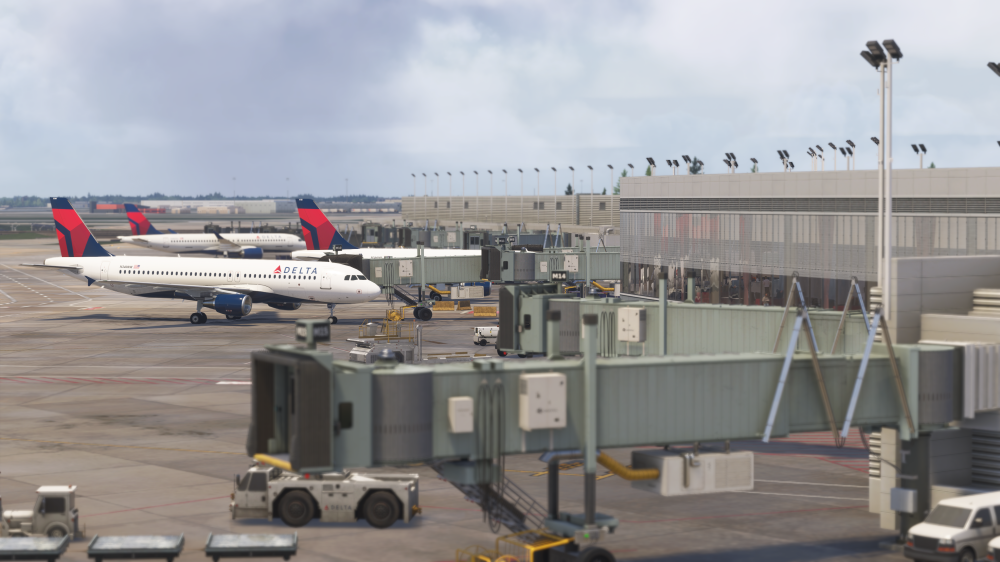
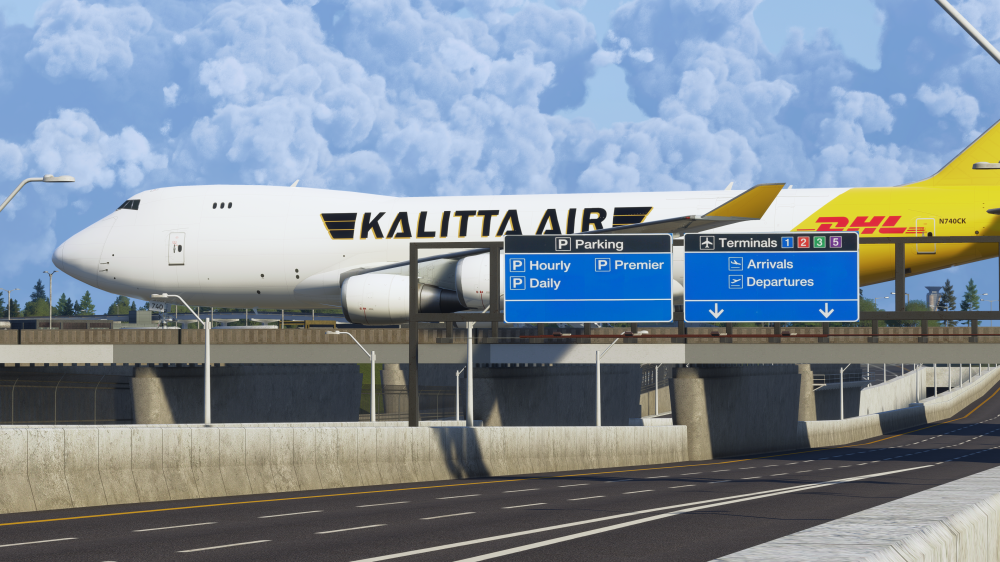
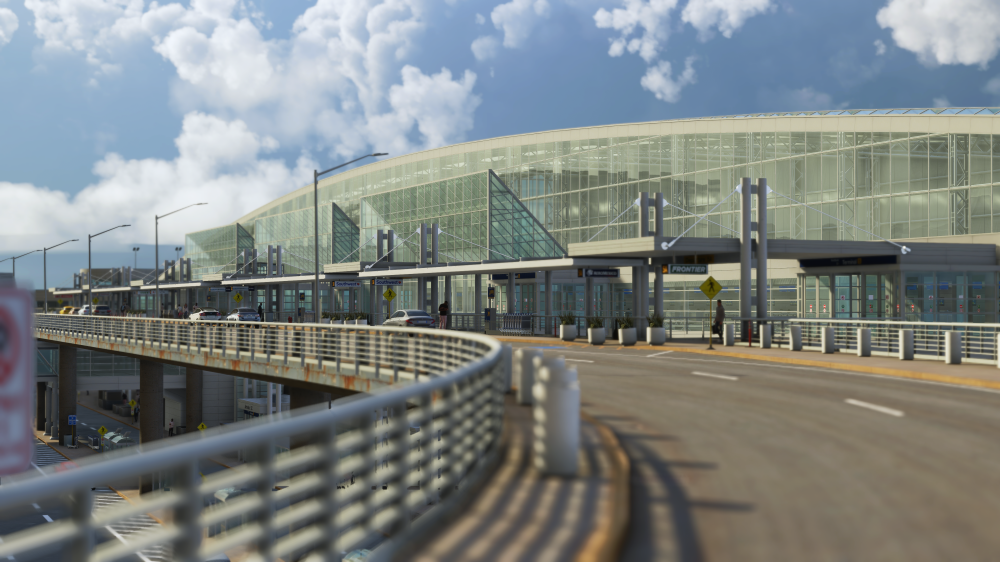
Welcome to Chicago O'Hare (KORD)!✈️Recently we unveiled our upcoming rendition of Chicago O'Hare International Airport (KORD) for Microsoft Flight Simulator 2024. Today, we're excited to take a closer look at one of North America's most iconic aviation hubs and showcase what's available now! Buy Now: https://inibuilds.com/products/inibuilds-chicago-ohare-kord-msfs-2024 As one of the busiest airports in the world, Chicago O'Hare is a destination that never stands still. From the constant stream of domestic traffic to heavy international arrivals and departures, the airport offers an incredible variety of operations around the clock. Recreating that scale, atmosphere and operational complexity has been one of our biggest airport projects to date, with every terminal, concourse and airside area carefully crafted to deliver an immersive experience while maintaining excellent performance. Behind the ScenesDuring development, one of our team members took a trip out to Chicago O'Hare, giving us the opportunity to gather an additional collection of up-to-date photographic references from around the airport. These images helped validate numerous areas across the scenery, from terminal finishes and gate equipment to signage, landside details and smaller environmental features. Combined with extensive research and the team's ongoing development work, these references allowed us to refine countless details throughout the airport, ensuring the final product closely reflects today's O'Hare. As development progressed, every area of the airport continued to receive attention, from the vast terminal buildings and cargo facilities through to maintenance areas, support buildings and the extensive network of taxiways connecting the airport together. Introducing iniBuilds Multi-Jetway TechnologyChicago O'Hare also becomes the first airport to feature our brand-new iniBuilds Multi-Jetway Technology. Compatible aircraft can now connect to multiple passenger boarding bridges simultaneously, creating a far more authentic boarding & turnaround experience at selected gates. Whether you're operating a widebody international departure or arriving after a long-haul flight, multiple jetways help bring the scale of modern hub operations to life like never before. This new technology has been built to support future iniBuilds airport releases and will also be introduced to selected existing airports where suitable. You can read a full breakdown of how Multi-Jetway Technology works, supported aircraft and compatible gates in our dedicated forum post here. Scenery Features Hand-crafted ground textures with bespoke runway, taxiway, apron and landside materials Introducing iniBuilds Multi-Jetway Technology for compatible aircraft True-to-life landside recreation with custom decals, vegetation, barriers and infrastructure Accurately modelled and positioned dynamic airport lighting Hundreds of handcrafted buildings, jetways, vehicles and bespoke airport objects Highly detailed terminals and concourses with bespoke textures throughout Full HD ground polygon matching the latest real-world airport layout Up-to-date 2026 airport layout Bespoke taxi signage built to real-world specifications Official GSX profile included Optimised LODs across every model for excellent performance Built using the latest Microsoft Flight Simulator 2024 SDK features Full iniManager compatibility Routes & Carriers 🌎Chicago O'Hare isn't just one of the busiest airports in the world, it's one of the most connected. Serving as a major hub for both United Airlines and American Airlines, alongside dozens of international and regional carriers, O'Hare offers an enormous variety of operations at every hour of the day. Whether you're flying a short regional hop across the Midwest, a busy domestic shuttle to New York or Los Angeles, or a long-haul service to Europe, Asia, the Middle East or South America, O'Hare provides almost endless route possibilities. From narrowbody workhorses and regional aircraft to the world's largest widebodies, the airport sees an incredible mix of traffic every single day, making it an ideal destination for every type of pilot. Watch the Chicago O'Hare Trailer 🎥Thank you, as always, for your continued support and enthusiasm throughout development. We're incredibly proud of what the team has created, and we can't wait for you to experience one of the world's busiest aviation hubs for yourself. Whether you're flying a quick regional hop, a busy domestic service, or a long-haul international route, Chicago O'Hare offers endless possibilities. We look forward to seeing where your next flight takes you! iniBuilds Team ❤️
-
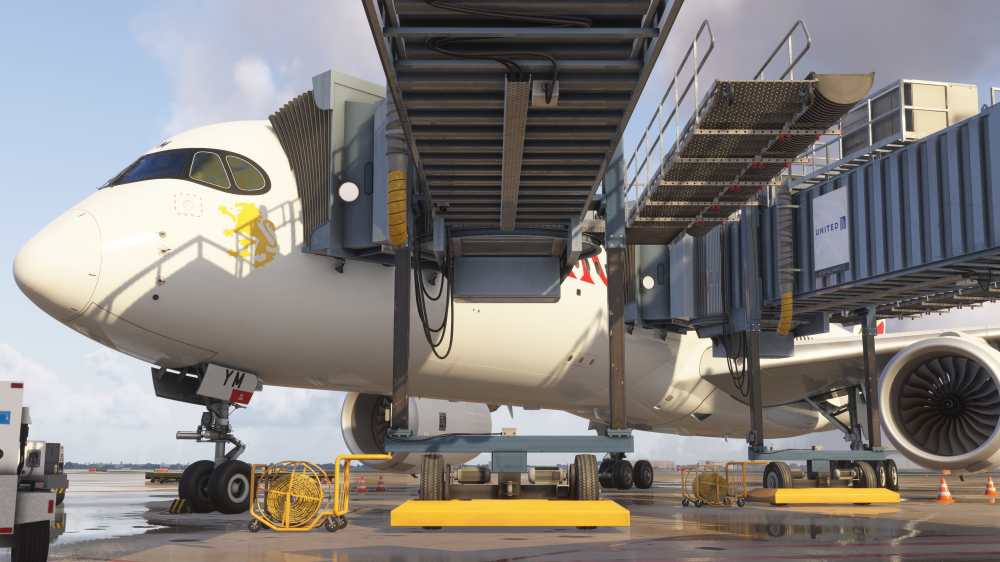
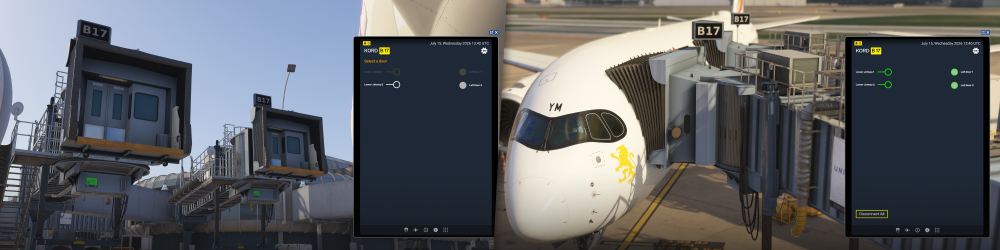
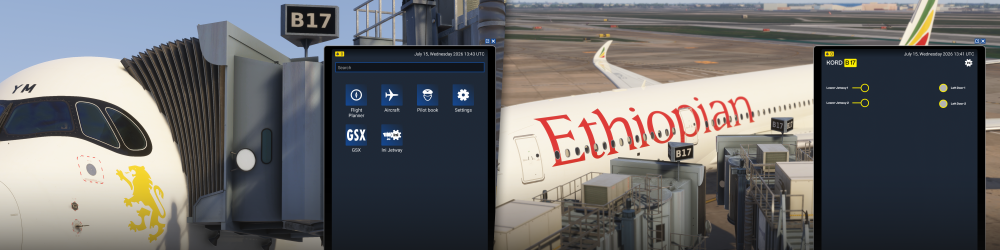
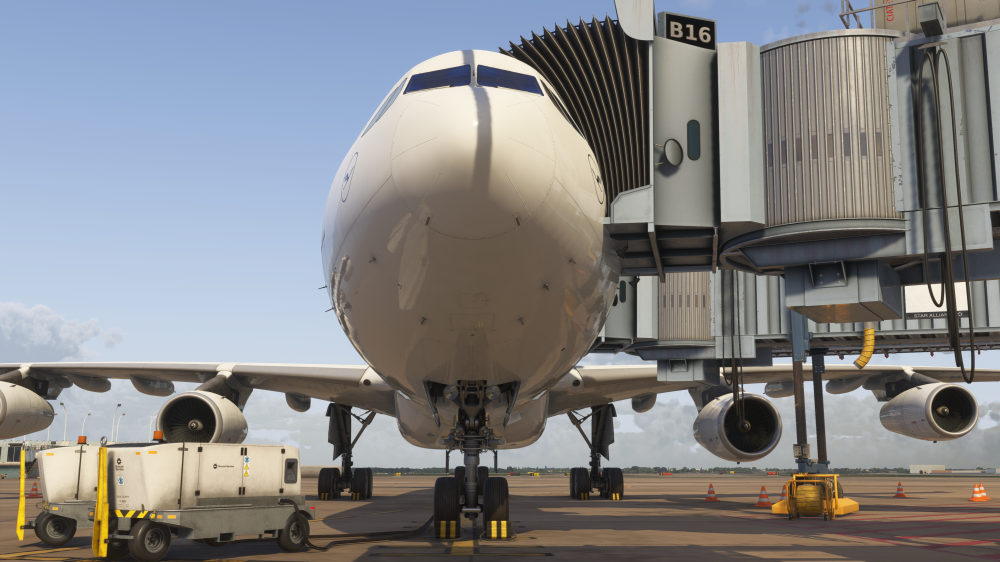
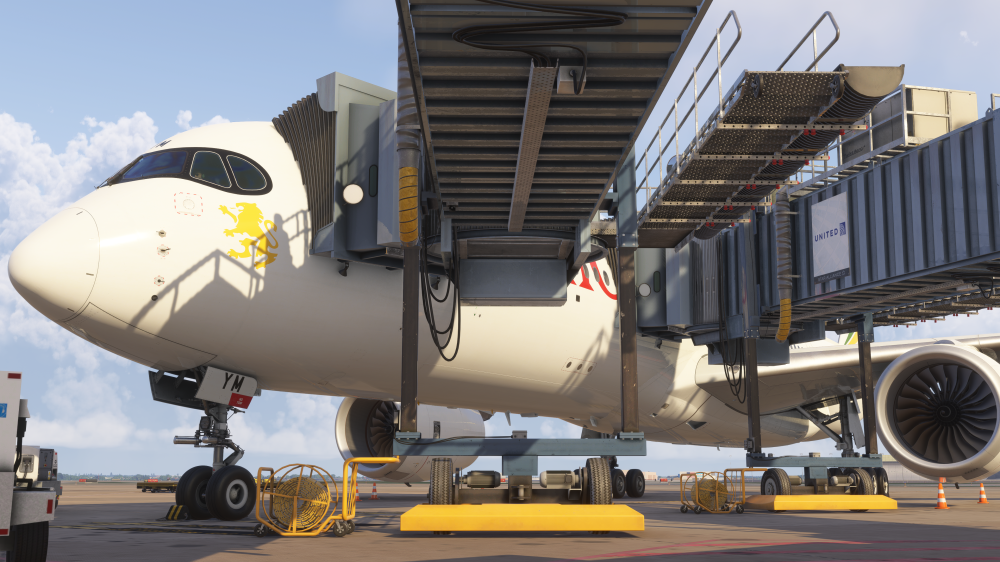
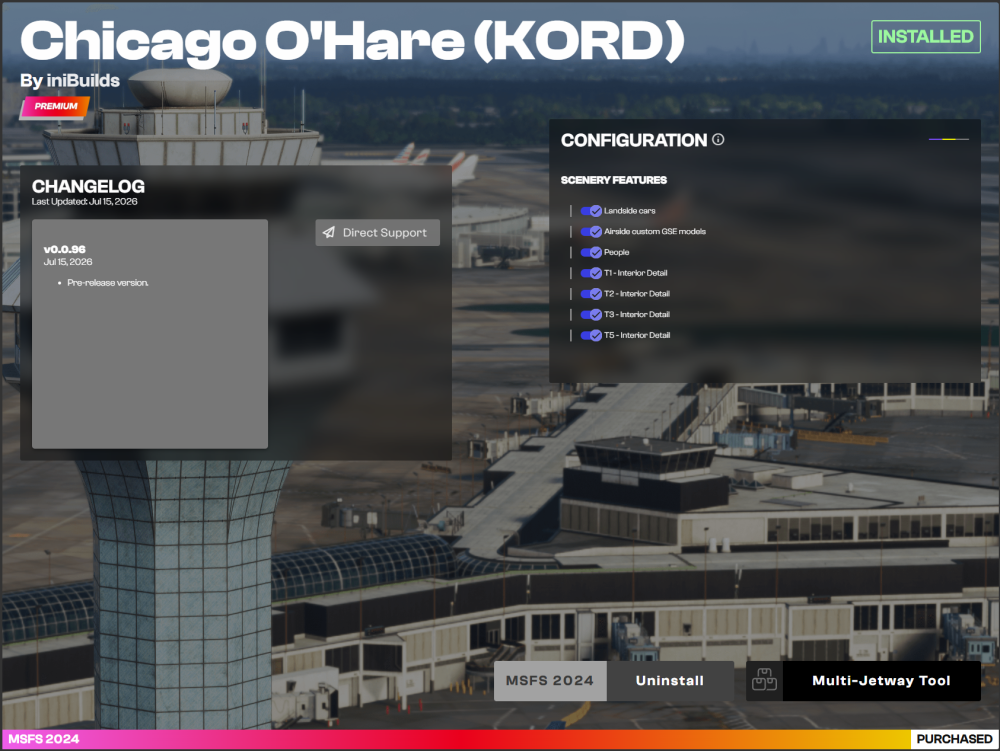
For the first time in Microsoft Flight Simulator, compatible iniBuilds airports can now support multiple passenger boarding bridges connecting to a single aircraft, bringing an entirely new level of realism to the simulator! Making it's debut with iniBuilds Chicago O'Hare (KORD), this new technology allows selected gates to automatically connect up to three passenger boarding bridges where appropriate, accurately reflecting real-world airport operations. This is only the beginning. The Multi-Jetway System has been designed as a platform that will continue expanding across future iniBuilds scenery, while also being backported to selected existing airports where suitable. What is the Multi-Jetway System?The iniBuilds Multi-Jetway System is a new feature designed to bring more realistic airport operations to Microsoft Flight Simulator 2024. Powered by a lightweight WASM module, it detects compatible aircraft at supported gates and manages the connection of multiple passenger boarding bridges where available. The system integrates seamlessly with compatible scenery, automatically positioning and controlling additional jetways without any manual setup required. Built with simplicity in mind, the Multi-Jetway System has been designed to deliver this enhanced realism while maintaining a minimal performance impact, ensuring a smooth experience even at some of the simulator's busiest airports. How to Download the ToolThe iniBuilds Multi-Jetway System is included as an optional tool through the iniManager and other distribution channels, making installation quick and straightforward. Simply head to the product page of any compatible scenery, open the Multi-Jetway Tool section, click Multi-Jetway Tool, and the required components will be downloaded automatically. Once installed, the system will be ready to use with all supported airports and aircraft, with no additional configuration required. Using Multi-JetwaysUsing the Multi-Jetway System has been designed to be as simple as possible. Once you're parked at a compatible gate in a supported aircraft, the system takes care of the rest. Through the in-sim EFB app (Usually 'TAB' to open), you can quickly connect or disconnect the available passenger boarding bridges, with the system automatically determining the correct number of jetways and positioning them to match your aircraft's door layout. No additional configuration or setup is required, allowing you to focus on your turnaround and departure. Step 1: Select the Jetway you want to dock → Step 2: Select the Door you want to dock it to → Step 3: Click either the Jetway or the Door again to disconnect the Jetway connected to the Door → Step 4: You're done! Available Gates at Chicago O'HareA selection of gates have been made available at iniBuilds Chicago O'Hare (KORD), these gates are where multiple passenger boarding bridges are used in real-world operations. When using a supported aircraft, these gates will automatically enable the Multi-Jetway System, allowing up to three passenger boarding bridges to connect where appropriate. The following gates currently support the feature: Terminal Gate Terminal 1 B16 Terminal 1 B17 Terminal 1 C10W Terminal 1 C16W Terminal 1 C18W Terminal 1 C20W Terminal 5 M17 Terminal 5 M39W *Please note the gates at Terminal 5 will only be operational on release. Any pre-release footage will not have Terminal 5 gates operational. Natively Supported AircraftThe Multi-Jetway System has been designed to work seamlessly with a growing range of compatible aircraft. When a supported aircraft is parked at a compatible stand, the system automatically detects the aircraft type and configures the appropriate passenger boarding bridges for that aircraft's door layout. Support is available for the following aircraft: Aircraft Status iniBuilds/Synaptic A220 ✅ Supported iniBuilds A300-600R ✅ Supported iniBuilds/Microsoft A310 ✅ Supported iniBuilds/Microsoft A320neo ✅ Supported iniBuilds/Microsoft A321LR ✅ Supported iniBuilds/Microsoft A330-200 ✅ Supported iniBuilds/Microsoft A330-300 ✅ Supported iniBuilds A340-300 ✅ Supported iniBuilds A350-900/-1000 ✅ Supported iniBuilds A380 ✅ Supported iniBuilds TriStar ✅ Supported GSX CompatibilityThe Multi-Jetway System has been designed to work alongside the wider Microsoft Flight Simulator ecosystem, including GSX. While the feature operates independently, it is compatible with community-developed GSX profiles, allowing users to enjoy realistic boarding operations alongside multiple connected passenger boarding bridges. As GSX profiles are maintained by the community, compatibility and functionality may vary between airports and aircraft, with support continuing to evolve as new profiles become available. The only limitation is you must call the jetways manually via the in-sim EFB app. You cannot request the iniBuilds Multi-Jetway system via GSX. Why am I seeing a No Jetways Detected error?The controller currently only works on select gates with custom multiple jetways. For gates with single-jetways please use the default jetway commands as normal via your aircraft EFB, sim-ATC or third party tools. For DevelopersThe system has been developed to be easily integrated into both existing and future aircraft projects. To enable compatibility, developers simply need to define the locations of their aircraft doors and expose the required data so the system can accurately position and operate multiple passenger boarding bridges. Once implemented, supported airports will automatically recognise the aircraft and connect the appropriate jetways without requiring any additional input from the user. For an aircraft to be compatible, its doors must simply be defined correctly in the flight_model.cfg, following the documentation from Asobo. The only difference to note is that a dockable door may be of either type 0 (Main Exit) or 2 (Emergency Exit), all other door types are considered invalid. Additionally, legacy entries such as [EXITS] may result in the simulator incorrectly reporting the door type as unsupported (99). If developers require support in getting their planes working, please feel free to email management@inibuilds.com. iniBuilds Team ✈️
-
v1.0.5 of iniBuilds New York (KJFK) for MSFS 2024 [Enhanced] has been released. This is a small update to address the missing options for the control panel. This update can be downloaded via the iniManager. v1.0.5Fixed missing options for control panel.
-
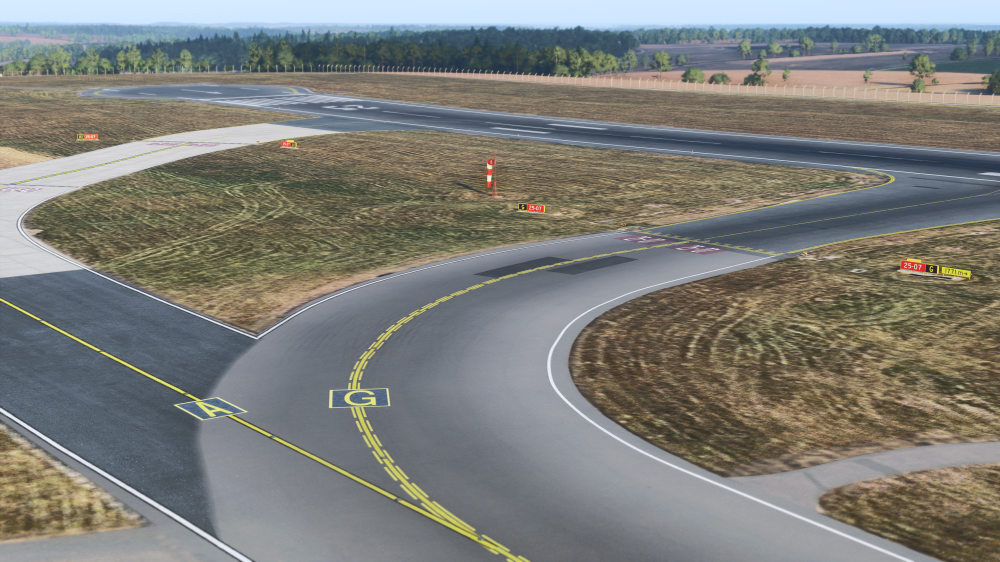
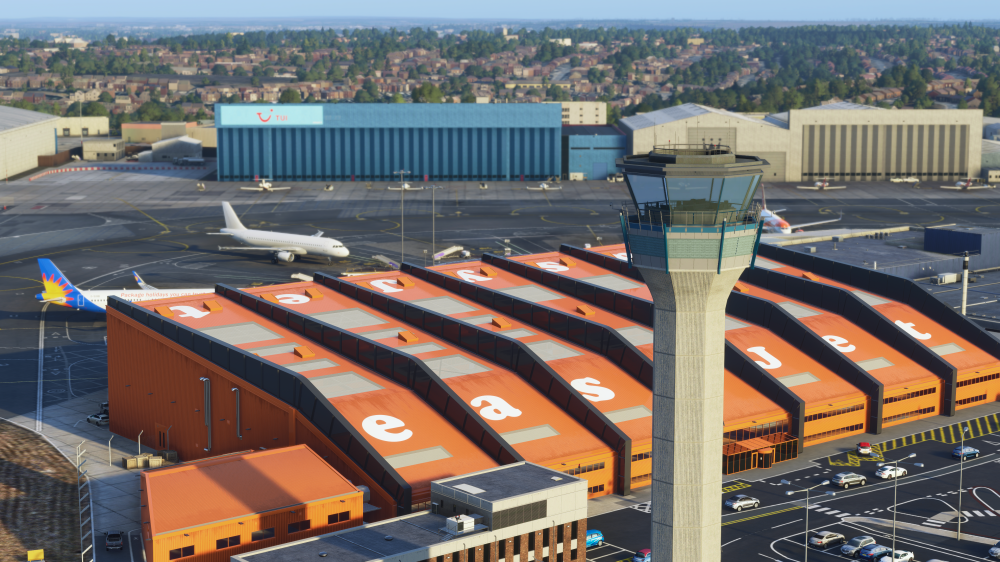
v1.1.0 of iniBuilds Luton (EGGW) Compatible for MSFS 2020 & 2024 has been released. This update adds the latest airport layout changes, including Taxiway G and its associated signage, alongside new stop bar lighting, terraforming fixes, and updated Jet2 branding on the taxiway bridge. For Microsoft Flight Simulator 2024, it also introduces native taxiway lighting, refreshed FS24-specific ground assets, updated lighting, and performance optimisations. This update can be downloaded via the iniManager. v1.1.02020 & 2024Added taxiway G and associated signage Added stop bar lighting Fixed terraform issues Adjusted taxiway bridge Jet2 ad FS24 OnlyReplaced custom taxiway lighting Updated all GSE, People, cars and clutter models with 24-specific models with balanced LODs Updated lighting General performance streamlining in accordance with FS24 SDK
-
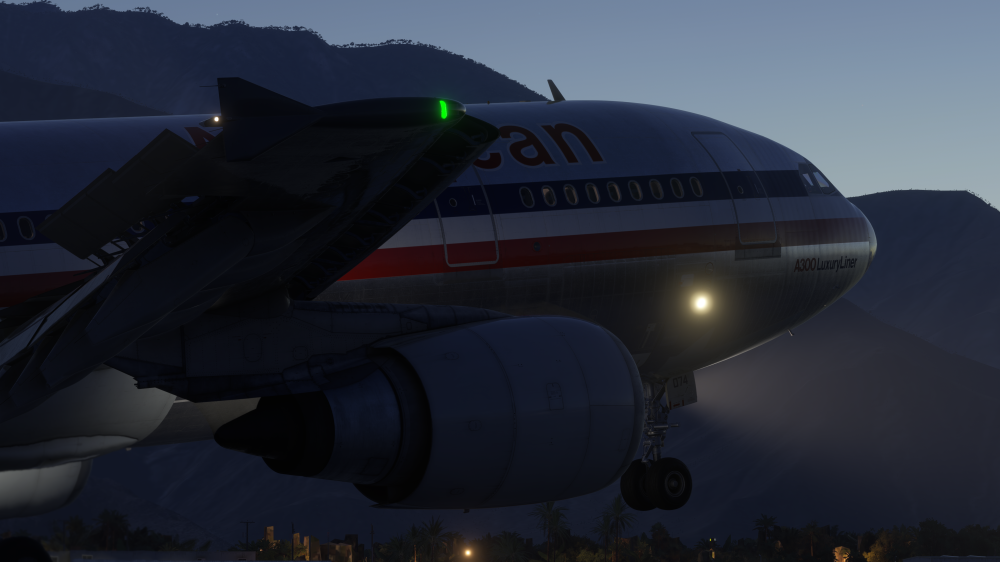
iniBuilds A300-600R Airliner Premium V1.0.10 Update 🚀The iniBuilds A300-600R Airliner Premium v1.0.10 update is now available, delivering another comprehensive round of refinements across aircraft systems, visuals and the EFB to further enhance the overall flying experience. This update places particular focus on autoflight logic, FMS accuracy, cockpit functionality and day-to-day usability, while resolving a wide range of community-reported issues. Highlights include refinements to FCU climb and descent mode behaviour, FMS speed calculations, panel state management, and CPDLC compatibility with SayIntentions. The update also introduces a range of visual improvements throughout the cockpit, cabin and exterior, alongside EFB enhancements including improved LIDO Charts functionality, chart rendering fixes and enroute map usability improvements for a more polished and reliable experience. This update can be downloaded via the iniManager. v1.0.10SYSTEMS ⚙️ ADDED N1 Spoolup delay on PW variants FIXED DES - When already in SPD nothing should change, no mode nor value FIXED CLB - When already in MACH, nothing should change, no mode nor value FIXED FCU When switching from PROF to V/S the speed window should ALWAYS open in SPD FIXED FCU V/S window should be blacked out straight away when selecting a different mode in climb or descent FIXED IVSI TCAS FAIL flag missing FIXED FMS Green dot, S and F Speeds broken on APP (LBS) FIXED FMS not resetting TACT page after turnaround FIXED Say Intentions CPDLC Logon FIXED MCDU Export on External HW formatting issues - STAR and MODE pages ART🎨 FIXED OVHD Oxygen indicator gauges texture not readable without backlight FIXED Small artifact floating above Right Wing FIXED Main Cargo door Skin detaches on switch from 145 to 70 after opening FIXED Z-fighting with reflections on all cabin windows FIXED Cabin Windows - Missing rain FX FIXED Cockpit Windows - Missing Rain Wipe Mask (SU5.1) FIXED Pilots still spawning outside cockpit randomly FIXED LOD issue with the main deck door locking mechanism EFB📱 FIXED No way to view multiple pages of LIDO charts FIXED EFB Chart zoom and center symbology sometimes missing on load FIXED Enroute map aircraft icon superimposing over settings menu FIXED Panel State confirmation menu populating behind popup menu FIXED Auto-Tiller Disconnect option state not saving consistently FIXED Cargo Stairs spawn on cold and dark load in Pax variants occasionally SOUNDS🔊 FIXED Missing Landing/Rollout Sounds on Pax variant FIXED Main Deck Freighter door sound does not play between 70 to 145 degrees FIXED PACKS sound in the Cabin - base volume adjusted FIXED Missing External Power Sounds in External Camera - attenuation widened FIXED Engine audio clipping at the center of cabin at high thrust settings FIXED Engine audio mix adjusted through climb/cruise phases iniBuilds Team❤️
-
v1.0.3 of iniBuilds New York (KJFK) for MSFS 2024 [Enhanced] has been released. This is a small update focuses on the overall KJFK experience, with improvements to terrain accuracy, airport lighting and third-party integration compatibility. The update addresses several terrain-related issues around taxiway bridges and runway areas, adds additional lighting throughout the cargo facilities. This update can be downloaded via the iniManager. v1.0.3Fixes terrain around taxiway bridges due to base TIN changes Added extra lighting around cargo areas Fix for terrain issues along runways.
-
After a few months on the Microsoft Flight Simulator Marketplace, we're pleased to announce that the iniBuilds TriStar Airliner is now available to purchase directly through the iniBuilds Store! We'd like to thank everyone who has supported the aircraft since its release and shared valuable feedback with the team. That feedback has been instrumental in helping us continue to refine and improve the experience. To celebrate the iniBuilds Store launch, enjoy 15% off for one week only. This is a strictly limited introductory offer, with the iniBuilds TriStar Airliner not expected to be discounted again for the foreseeable future. If you own the iniBuilds TriStar Airliner on the Marketplace, you can complete the form below to gain access to your product via the iniManager! Order Transfer Form: https://forms.inibuilds.com/order-transfer or Buy Now: https://inibuilds.com/products/inibuilds-tristar-airliner-msfs-2024 This update can be downloaded via the iniBuilds Store. Alongside the store release, we're also pleased to release Version 1.0.8, bringing a comprehensive range of improvements across systems, avionics, flight guidance and overall cockpit functionality. This update places particular focus on INS/PMS behaviour, fuel handling and autopilot logic, alongside numerous fixes and quality-of-life enhancements to further improve the overall flying experience. As always, we'd like to thank our community for your continued support and feedback, and we look forward to bringing you further updates in the future. AutopilotAutopilot and flight director behaviour has received several refinements. Vertical speed selection is now handled more consistently when engaging the autopilot, preventing the selected vertical speed from incorrectly changing to the aircraft’s current vertical speed. Bank angle and turn-rate behaviour has also been improved, along with lateral flight director guidance when the autopilot is off. Additional corrections have been made to INS autopilot tracking, including cases where the aircraft could follow an offset path. INS & PMS UpdateWe've implemented a significant refinement to the TriStar's INS navigation logic, particularly during long-haul operations. Previously, leg tracking used a fixed bearing calculated at the start of each leg, rather than continuously evaluating the aircraft's position along the great-circle route. Whilst this resulted in generally accurate navigation, it could lead to slightly longer flown distances, and small cross-track deviations on extended legs. The navigation system now continuously calculates the aircraft's track based on its current position along the great-circle path, allowing the commanded bearing to update naturally throughout the leg—just as real-world INS systems do. This brings the aircraft's routing, fuel predictions and overall navigation performance into much closer agreement with SimBrief, Navigraph and real-world flight planning. As part of this work, several additional INS and PMS improvements have also been implemented. Cross-track error indications now behave more reliably when flying with track offsets, drift logic has been refined, manual waypoint entry in AUTO mode no longer causes unintended track changes, and CDI behaviour has been further improved on long sectors. Please note: when viewing flights in applications such as Volanta or other 2D map providers, you may notice the aircraft no longer follows the straight line drawn between waypoints on very long legs. This is expected behaviour. These applications display straight-line projections, whereas the TriStar now correctly follows the shortest great-circle route across the Earth's surface, which naturally appears as a curve on a flat map. Navigation performance is therefore more accurate than ever, with all INS and instrument calculations now aligned around the same great-circle navigation model. The Performance Management System has received a number of refinements aimed at improving consistency and day-to-day usability. Page transitions now respond more reliably to the current phase of flight, PERF MGT interactions have been refined, and active mode annunciations now operate as expected. Together, these changes deliver a more predictable and authentic PMS workflow throughout all phases of flight. EFB & SystemsA number of system-level improvements have been made across the aircraft. Electrical system behaviour has been refined, including a fix for the APU EMER SOV indication remaining illuminated after APU shutdown, as well as an issue causing Flight Engineer panel instrument lighting to reset following a camera or view change. What’s next for this product line?Whilst modern airliners continue to be a major focus for iniBuilds, we also have a passionate team dedicated to preserving and recreating some of aviation's most iconic aircraft from the golden age of jet travel. We have several exciting projects planned in this space, and today we're delighted to reveal the first of them. Introducing the iniBuilds TriStar Operations Pack. This will be a paid expansion for the iniBuilds TriStar Airliner, available at a discounted price for existing TriStar owners, whilst also being available as a standalone purchase for those who are more interested in cargo and special mission operations than traditional passenger flying. The Operations Pack transforms the iconic L-1011-500 into a truly multi-role platform, introducing Air-to-Air Refuelling, Strategic Freighter, and Medical & Humanitarian Evacuation configurations. Each variant has been carefully developed to capture the unique operational characteristics of these specialised aircraft, opening up an entirely new range of missions beyond commercial airline operations. Whether you're conducting long-range logistics, supporting humanitarian relief efforts, transporting critical cargo, or taking part in air-to-air refuelling missions, the TriStar Operations Pack offers a completely new way to experience one of aviation's most versatile widebody aircraft. The variants are being developed as far more than a visual conversion. Our aim is to create a dedicated tanker experience, introducing bespoke systems, cockpit functionality and operational logic that reflect the aircraft's new role. Development is still in its early stages, but work is already underway on tanker-specific controls, refuelling system logic, Flight Engineer functionality, exterior equipment and operational lighting, all designed to make the aircraft feel distinct from its passenger counterpart. The tanker will also feature a reconfigured interior, replacing the traditional passenger cabin with a more mission-focused layout tailored towards military support, cargo and operational transport duties. We look forward to sharing more details on this as development progresses. We will continue to update the main iniBuilds TriStar Airliner pack as and when required. In the meantime, we hope you enjoy this update! V1.0.8SYSTEMS ⚙️ FIXED Issues with C&D electrical bus and ESS behaviour FIXED AFCS Mode indications split for AUTOLAND, FD ONLY APPROACH and AP COUPLED APPROACH FIXED APU EMER SOV (Fuel Panel) remains illuminated after APU shutdown FIXED INS - XTK value when HSI shows a track offset FIXED INS - Drift Logic improvements FIXED INS - Manual Waypoint Entry in Auto Mode Triggers Track Change FIXED AP maximum bank angle and turning rate inconsistencies in certain scenarios FIXED AFCS VS target should not update on AP engagement if VS mode is already active FIXED FE Panel Fuel totalizer under indicating vs PFB FOB value by 400 lbs FIXED FD Lateral guidance needle jitters after lateral mode change from TOGA FIXED AFCS AP INS mode shows offset on HSI (wind & GC correction) FIXED PMS - PERF MGMT button should automatically load active phase page FIXED PMS - Pages do not auto display with phase of flight FIXED PMS - PMS Active mode indication lights INOP FIXED FD1 Switch active on cold & dark spawn on some variants FIXED Greater Circle deviation on longer legs (CDI, Display Map, Enroute Map) FIXED Walkaround Mode missing ART 🎨 FIXED Multiple Cockpit Reg & Selcal placards via Livery Updates (N311EA, N388LS, N765BE, G-BFCB, N11006, CS-TEB) FIXED Aggressive cabin LOD in 3rd person (SU5 LOD curve adjustments) FIXED FE Panel INSTR lights reset on view change (SU5 LOD curve adjustments) FIXED Z-Fighting on pylons and wing due to weathering FIXED Z-Fighting on Delta livery engine decal PFB📱 FIXED TOD Timer - user fields still editable when Pause at TOD/Timer is armed iniBuilds Team ❤️
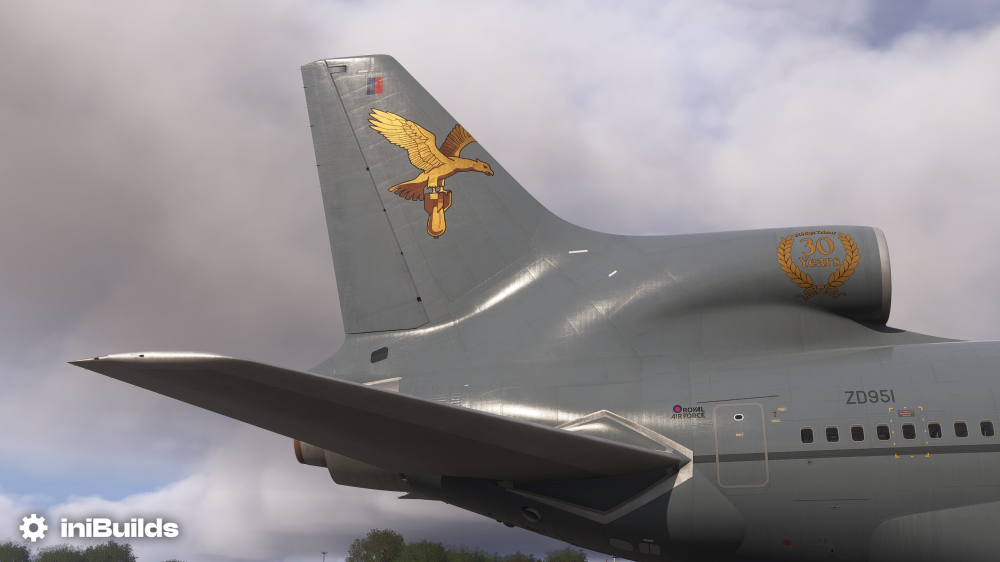
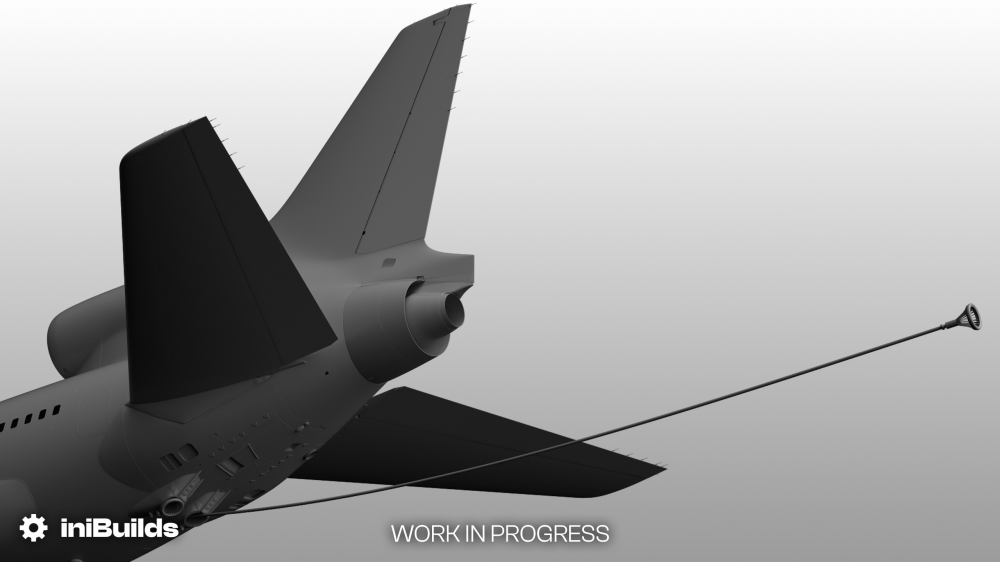
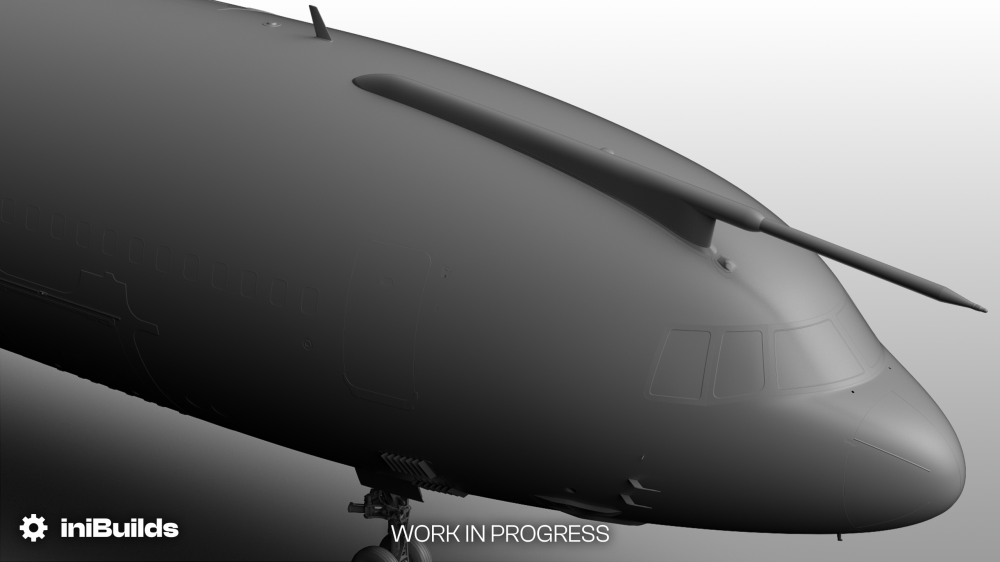
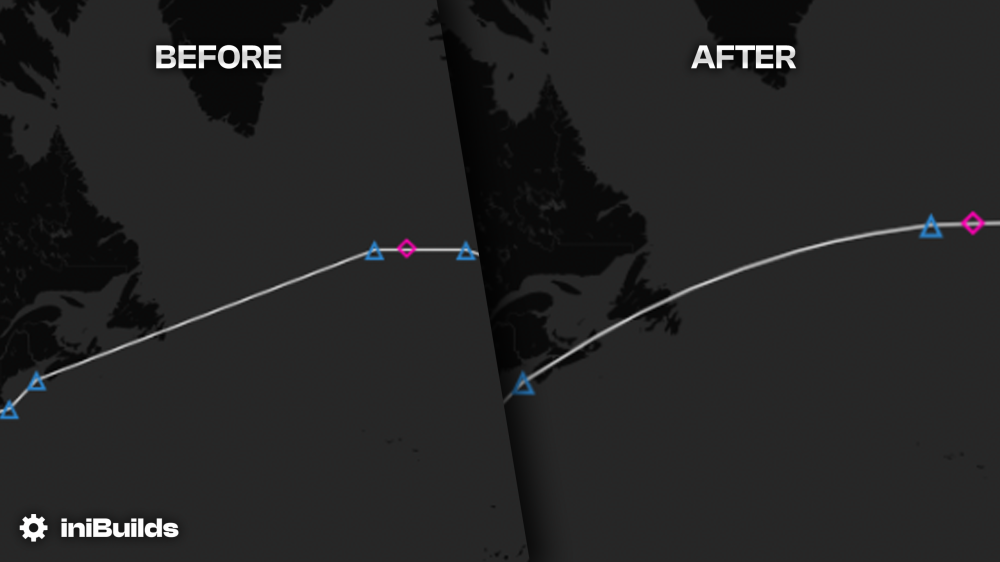
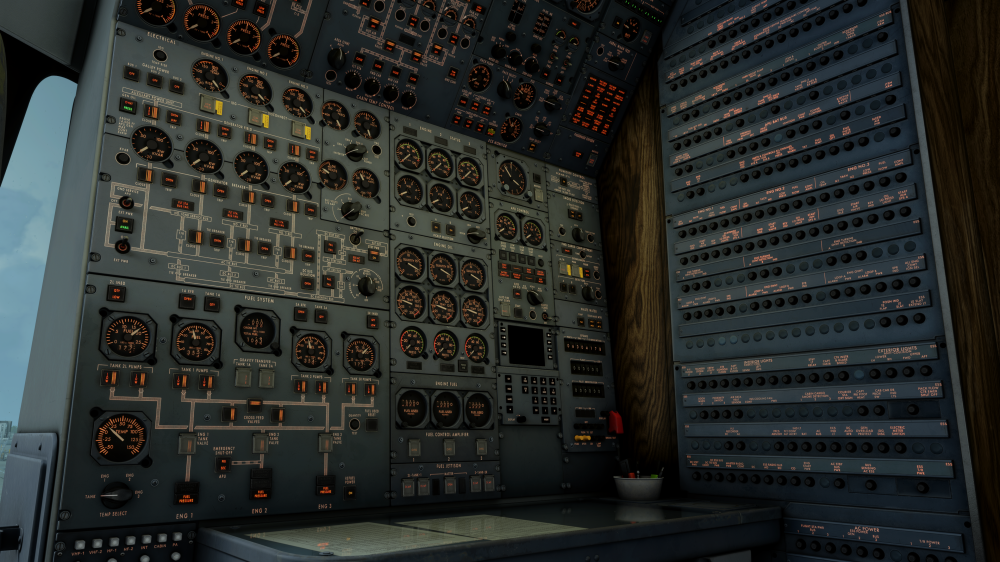
-
iniBuilds A300-600R Airliner Premium V1.0.9 Update 🚀The iniBuilds A300-600R Airliner Premium v1.0.9 update is now available, bringing a range of refinements across systems, visuals and sounds to further improve the overall aircraft experience. This update focuses on enhancing operational accuracy, navigation functionality and aircraft fidelity, while addressing a number of community-reported issues. Highlights include improvements to flight planning and MCDU behaviour, engine start and spool logic, radio functionality, and CPDLC operations. The update also introduces a selection of visual refinements across both passenger and freighter variants, alongside audio enhancements including improved gear touchdown sounds and rebalanced GPWS callouts for greater immersion. This update can be downloaded via the iniManager. Another Update On It's Way!We do have another A300 update coming very soon. However, rather than waiting to bundle these changes into a larger update, we wanted to get a number of recent fixes and improvements into your hands as quickly as possible to continue improving the overall experience. Alongside the fixes included in this update, we've also implemented our latest WASM logging and telemetry framework. This gives our team much greater visibility into WASM-related behaviour and issues, allowing us to identify, diagnose and resolve problems more effectively. Should you encounter a WASM-related issue, the additional diagnostic information now available will help us pinpoint the root cause significantly faster, leading to quicker fixes and an overall smoother support experience. As always, thank you for your continued feedback and support. We're already working on the next update and look forward to sharing those improvements with you soon. v1.0.9SYSTEMS ⚙️ FIXED F/CTL page spoiler digit indications FIXED Secondary FPL LAT REV should also include NEW RTE TO FIXED INIT page coordinate format FIXED EFIS ARPT display on ND should be magenta FIXED Engine generators should come online at 52% N2 FIXED GE engine start N1 display delay FIXED GE engine spool up times refined FIXED Green dot, S and F Speeds displayed in the MCDU do not match the PFD FIXED ILS Radio - Unable to tune multiple frequencies in the ".XX" ranges FIXED BATC radio freqs auto-switch not always working FIXED "WILCO" not working on Hoppie network ART🎨 FIXED Clouds bleed through pax variant cockpit FIXED Logo lights not working on pax variant FIXED Main landing gear - Missing hoses and other model bits FIXED Wing - missing vortex generators on Left side FIXED Main Deck cargo door opening time too quick SOUNDS🔊 FIXED Gear touchdown/runway deacceleration missing FIXED GPWS callouts are too quiet compared to the rest of the aircraft audio. FIXED Modified event cues to prevent sound loading issues FIXED Missing trim whooler sound FIXED Improved sound cabin system sound balancing FIXED Improved attenuation with L1 door open FIXED GE lightoff time FIXED Leveled out cockpit mix with cabin mix iniBuilds Team❤️