schizzel
Member
-
Joined
-
Last visited
Everything posted by schizzel
-
-
I saw the implementation of an electrical management system in the Inibuilds Globaljet. Does that mean we will get an implementation of Avionics Network?
-
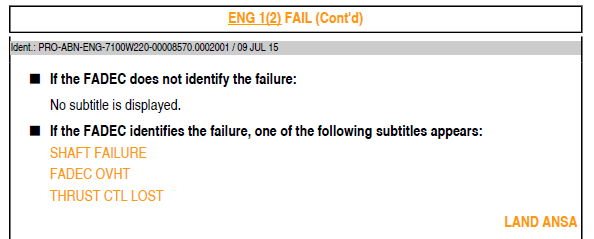
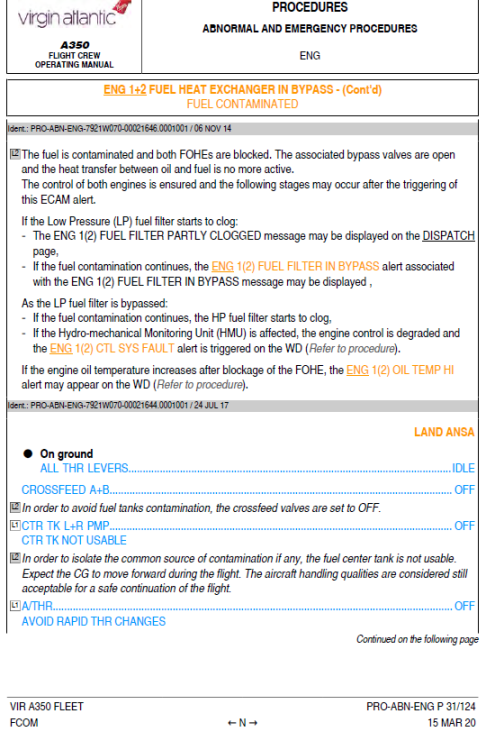
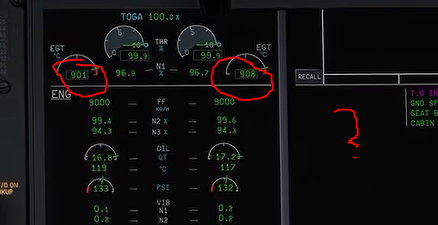
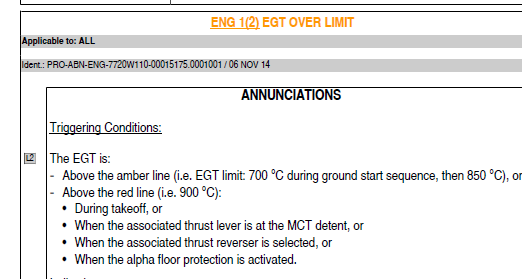
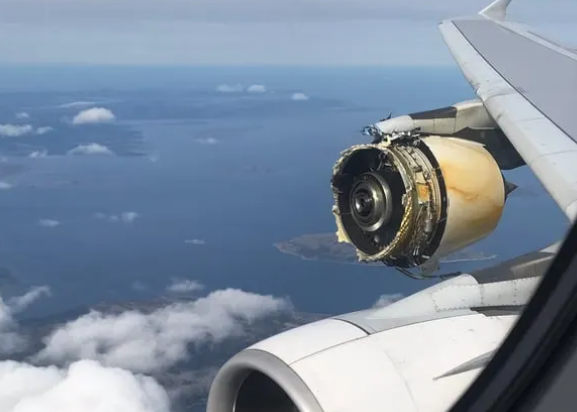
Hi inikyle, one more thing about the additional improvements to the fuel simulation in case this one is planned to be implemented. It is not just the fuel FOHE being clogged, but also the fuel filter. This introduces unique challenges to long haul ETOPS flight Caption: Since the FOHE is clogged, the engine behavior might get affected resulting in increased oil temperature with OIL TEMP HI and FUEL FILTER CLOGGED alerts. Since center tank not usable, it might be nose heavy. The logic should be applicable to the a380 but with a different procedure. And one more thing, its weird that the current a350 has no triggers related to EGT exceedance. Because according to FCOM, more than 900C EGT should trigger the respective ECAM alert: Then finally, since you guys have implemented the dynamic vibration, try to add a chance of fan blade and cowling loss similar to the Air france 066 a380 incident in order to add consequences for mishandling the failure. Caption: Mishandling the engine failure whether oil, FOHE, EGT, engine fire, or engine vibration must have serious consequences. If this is not allowed to be modeled externally due to legal reasons, then maybe a vibrating cockpit and cabin due to the aerodynamic changes of a cowling loss will suffice due to this. And a low oil pressure/leak should give symptoms to the engine like abnormal high EGT, vibration, FADEC altn, GENERATOR faults before finally giving out to an engine seizure. Hope it helps!
-
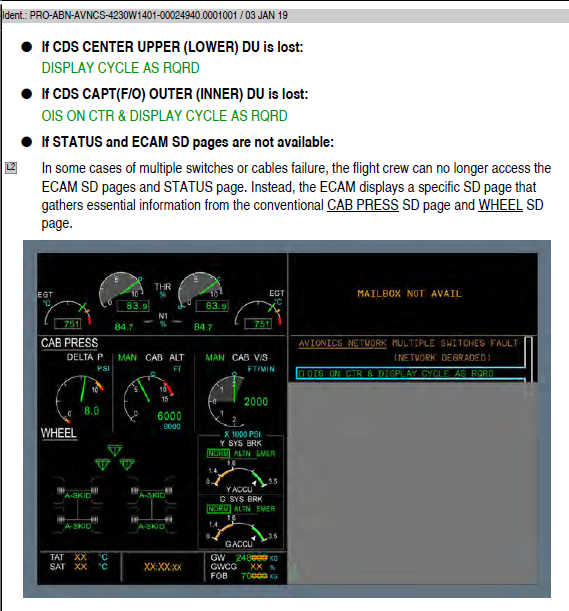
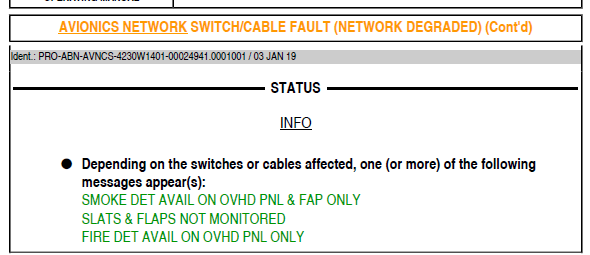
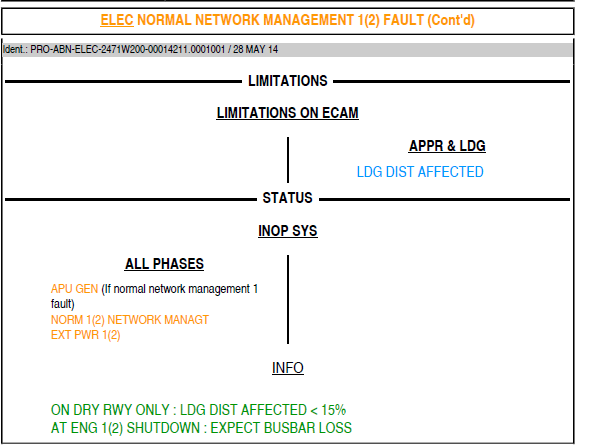
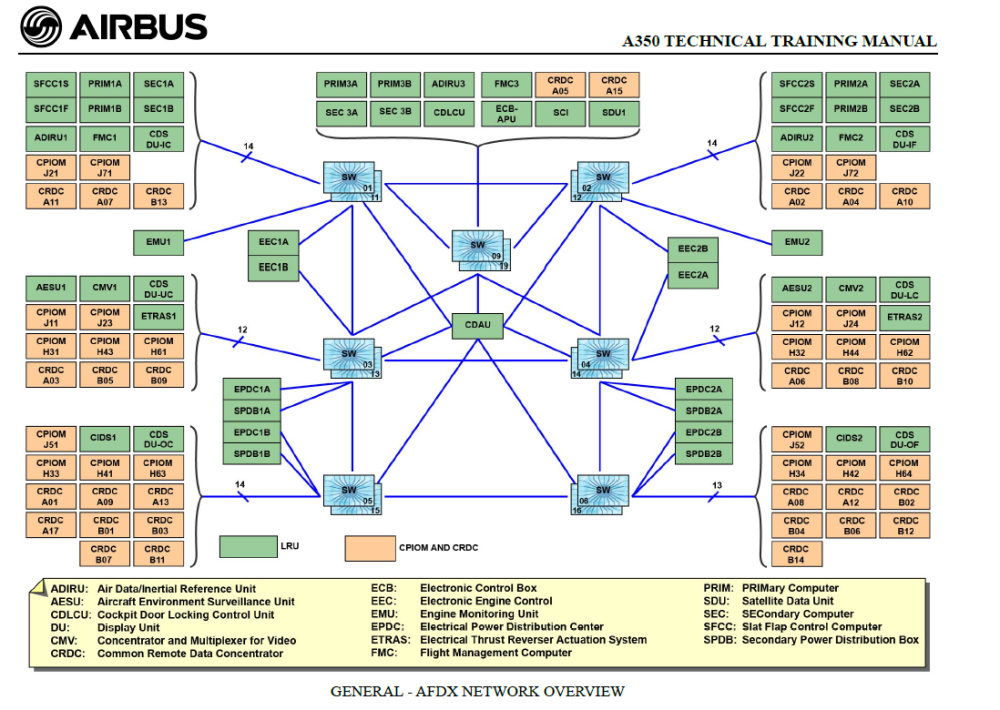
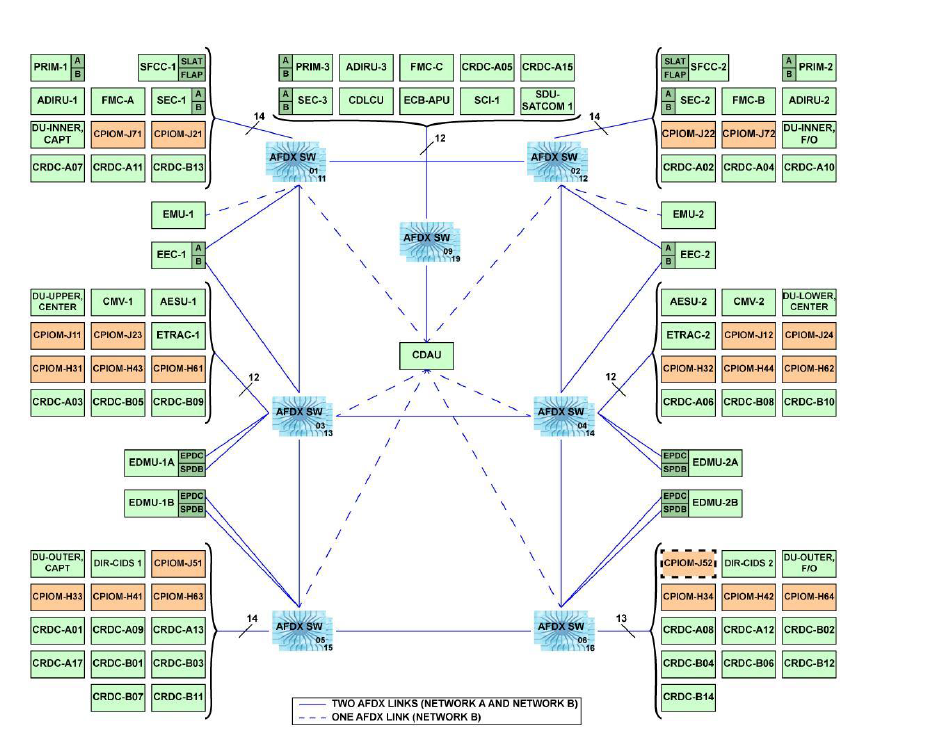
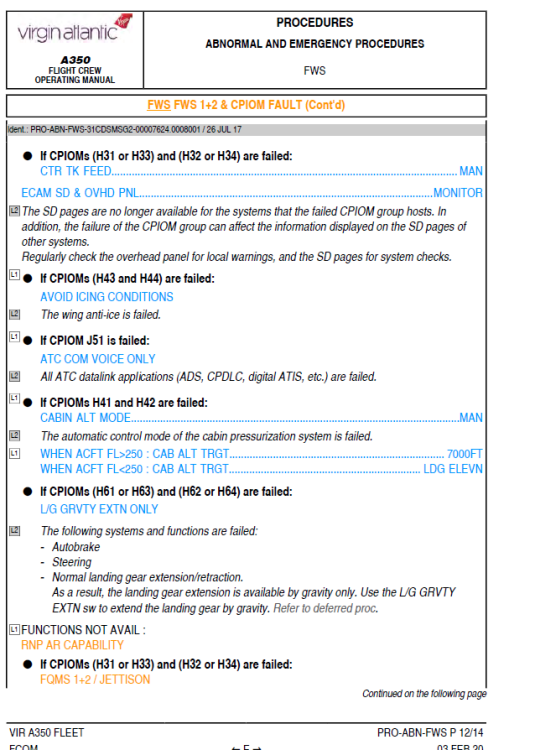
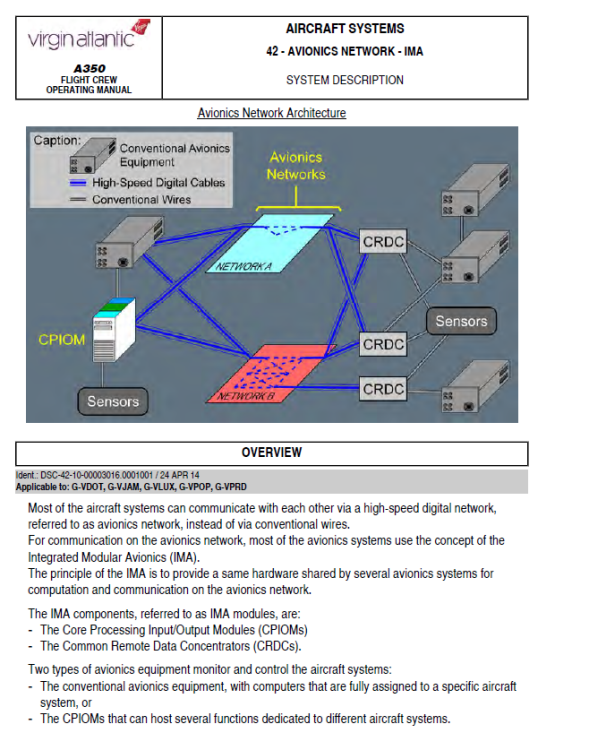
Hi inikyle! I might have figured out how the AFDX works except the switching part, and why the FCOM says the CPIOM letter J has access to the sounds and CPIOM H has much bigger connections. When you trigger faults during abnormal operations, when you run through the checklists and status, the Avionics network is responsible for cross checking each systems hosted in the CPIOMs shared in the network for abnormal data vs normal, then, it was formulated into level 1, 2 and 3 failures, relayed to the ECAM by fws as abnormal sensed procedures, For example: The limitations messages in your ECAM such as NO L/G RETRACTION AVOID ICING CONDITIONS ATC COM VOICE ONLY USE VHF3 FUEL CONSUMPTION INCSD LDG DIST AFFECTED FOR BETTER RANGE: REDUCE CRZ/MCH SPEED MANEUVER WITH CARE SLATS SLOW FL100 MEA/MORA MIN RAT SPD: 140 knots AT SHUTDOWN: EXPECT BUSBAR LOSS And plenty of abnormal ecams Are calculated and researched by the Avionics network group depending on the severity of the failures. CPM J is connected to sounds because they house the urgent systems when they fail such as the fcdc, fire protection, the flight warning system and the atc comms. Meanwhile, The H cpm needs a lot of networks because they need a lot of data to cross check and monitor the respective data within each other's respective systems in order for proper functioning like the fuel, fuel quantity management, doors, emergency slides, landing gear, cabin air conditioning, pressurization, oxygen system and monitoring. They are essentially the network infrastructure that sends the needed data to your ECAM and the SD page, as well as that auto pitch trim after engine start for example, and I have a hunch that the modules for hydraulic, FQMS and the FCDC are cooperating with each other with the help of the network. Caption: This is the entire aircraft system connected to the network. It contains 14 switches divided into two identical networks each with 7 switches and related AFDX cables. These switches interconnect the A/C system. And, this is why the FWS 1 + 2 and CPIOM fault is very catastrophic as you lose all system indications in SD pages, ecam abn messages as you lost the FWS, and automatic control assigned to these systems as you were only reverted back to manual mode. Hope this helps with your ECAM research and consult your qualified engineer for the rest of the pieces!
-
Just like with the a350 comment I gave on the other side, this is important to the ECAM system as it communicates to the AFDX network in order to sense erroneous data which in turn used as a basis to generate the appropriate fault message. However, when the FWS module failed, you wont get any ECAMs nor memos.
-
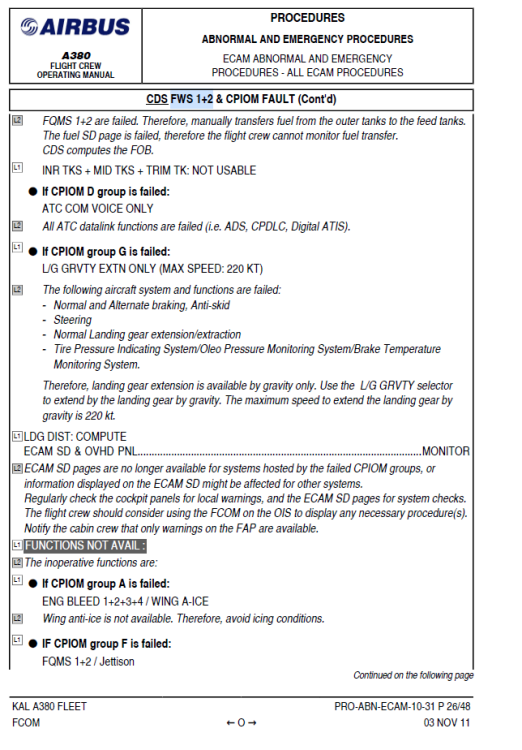
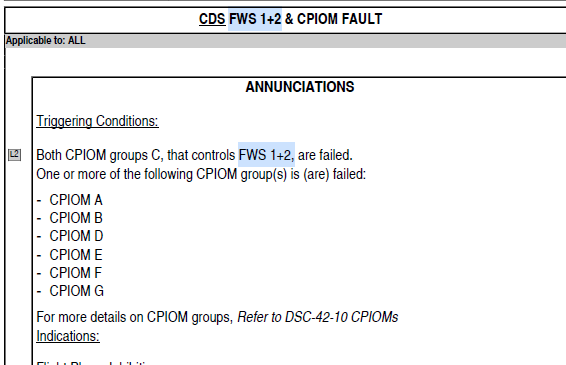
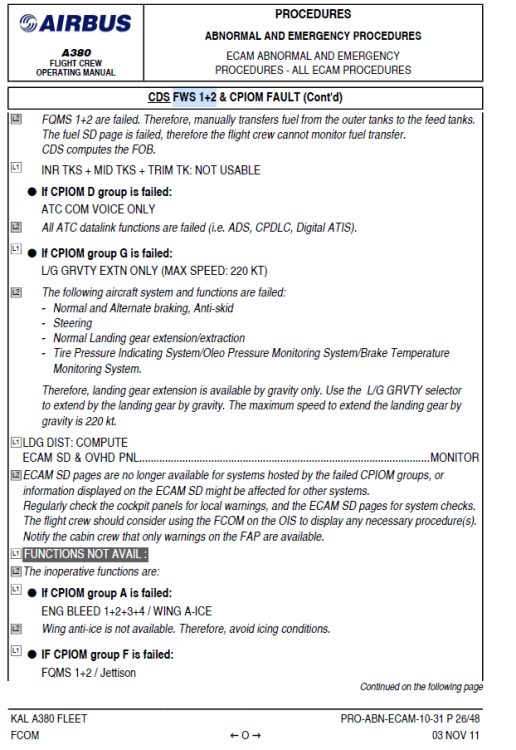
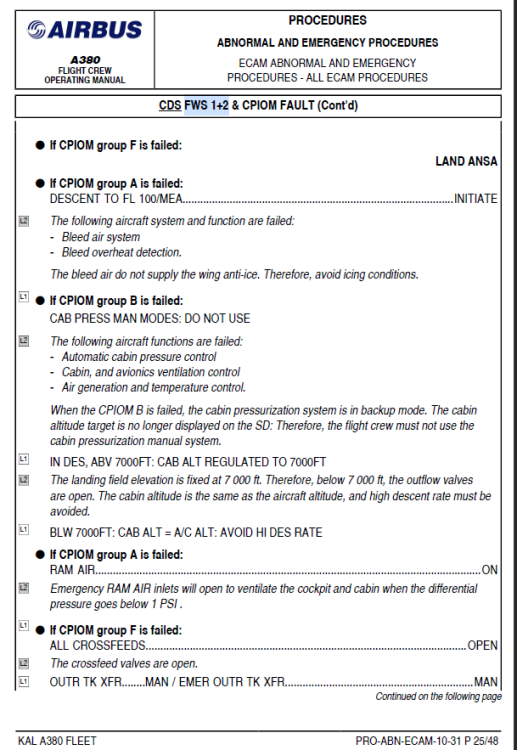
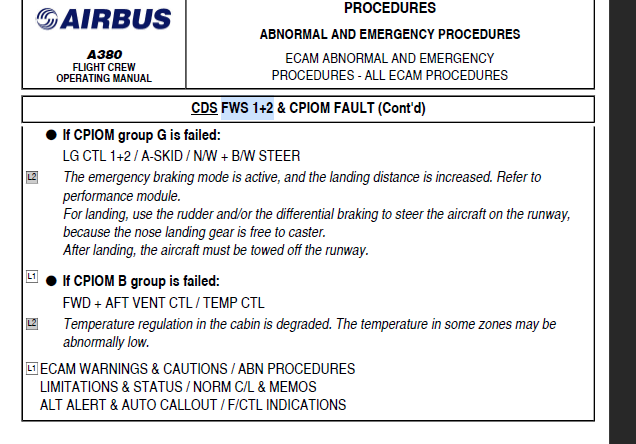
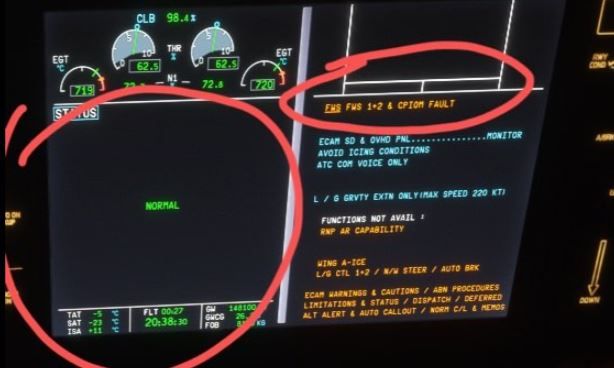
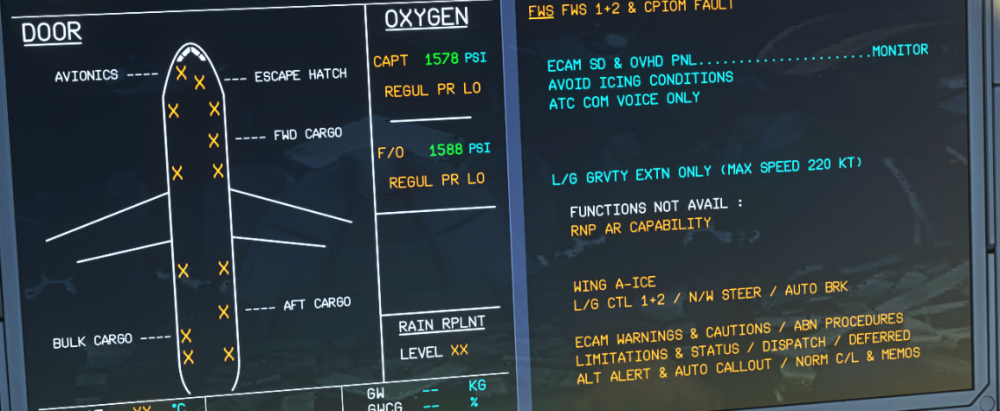
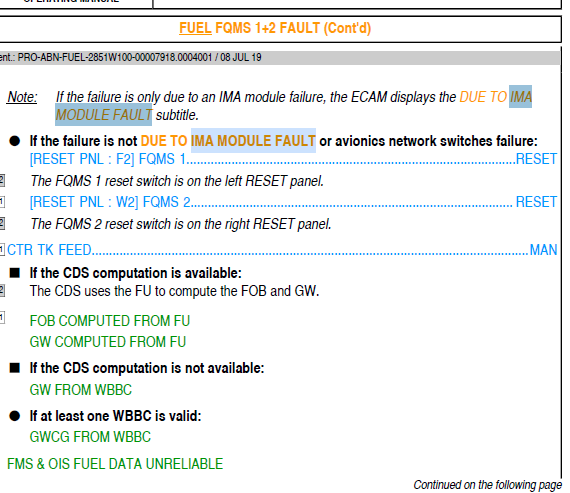
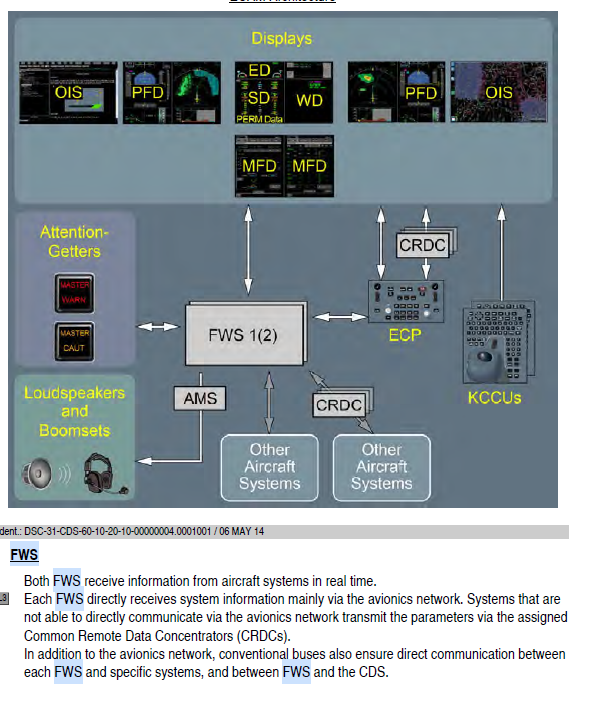
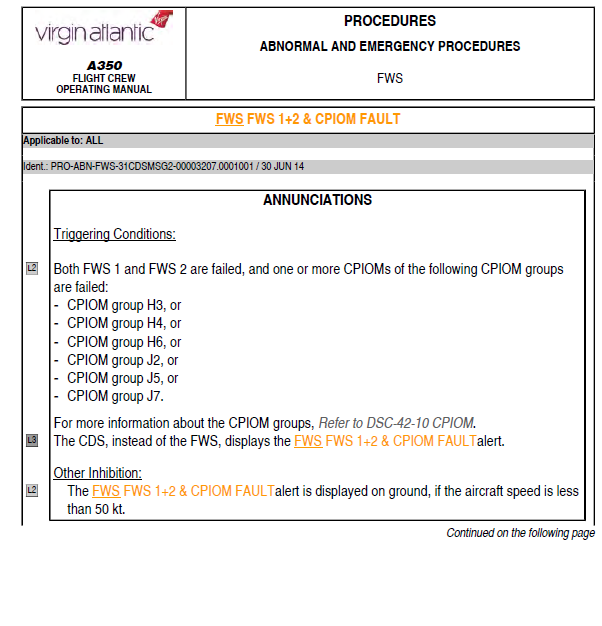
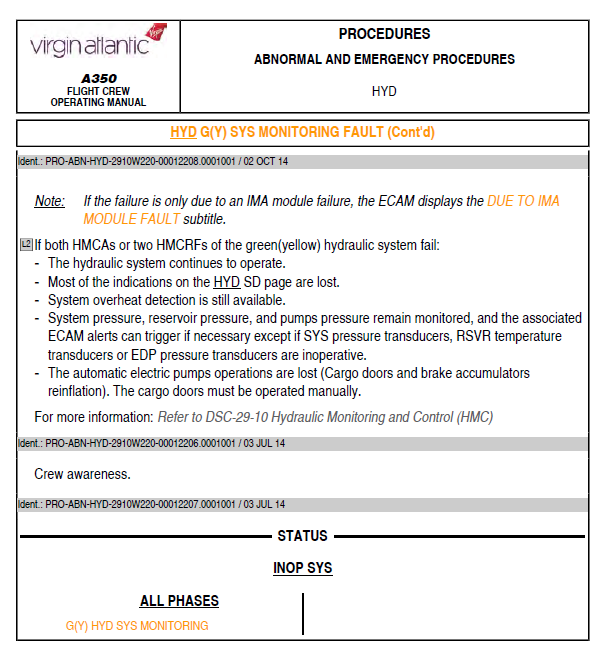
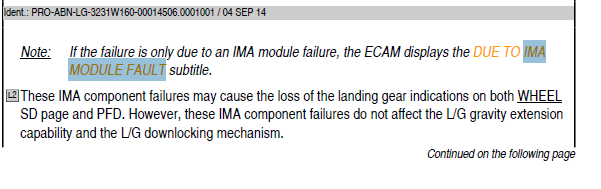
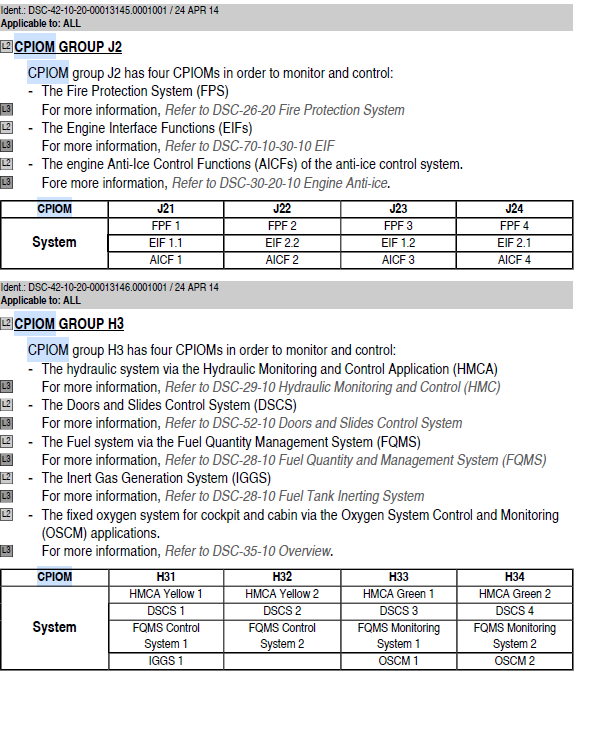
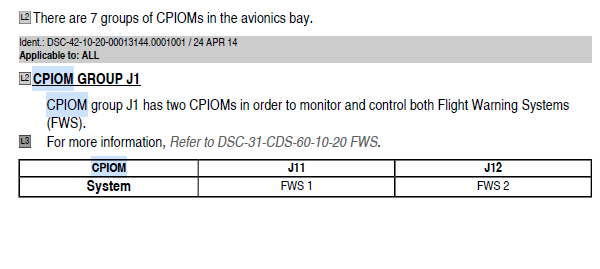
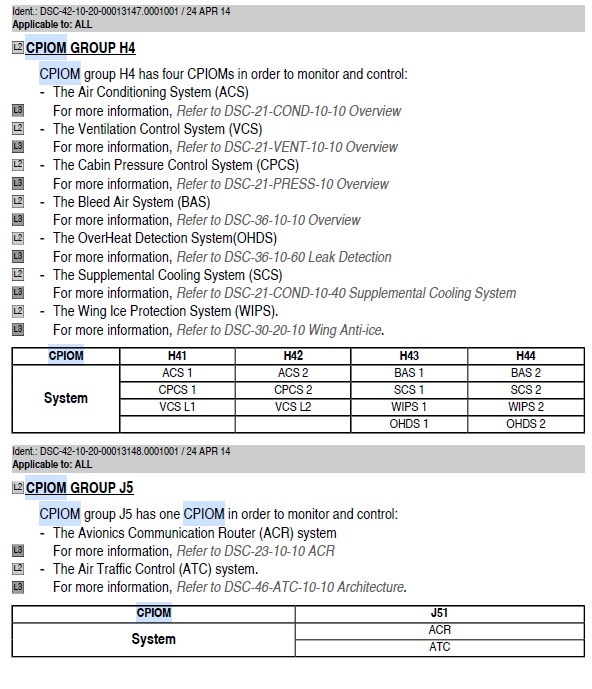
Did you know that the aircraft cockpit and ECAM system is run entirely via the communications in the AFDX? All that System Display numbers and monitoring for ATC Communications wing anti ice, fire protection, Electrical load management system, Engine interface and monitoring, Flight control data concentrator system Oxygen system, flight warning system, doors and slides, Bleed air, vent control, Hydraulic Quantity control and monitoring Fuel quantity control and monitoring calculations and Landing gear monitoring get data passed through the AFDX before being displayed in the ECAM and SD Pages as sort of like a group of middlemen. One example is the sensed items during an active abnormal checklist messages in which buttons in the cockpit are pressed to finish the sensed item. I think that each CPIOM module was in charge of those items such as bleed, engine, fire, fuel or landing gear respectively. I already have a diagram of the AFDX in this forum. In the event of the total loss of the AFDX, you get the FWS 1 + 2 and CPIOM Fault. Caption: Currently in the ini350v1 its not working as it should. Caption: How the FWS recieves data to display appropriate faults. For Example, When both Flight Warning Systems (FWS) are not working (they are hosted on CPIOMs, and they could lose power!), the aircraft loses its capability to display any ECAM alerts and procedures. Instead, a rudimentary screen is displayed by the Control and Display System (CDS) in its place to provide the pilots with limited information. Because of its limited capabilities, it will not paginate the lines, instead, depending on which CPIOM is working or not, it'll show/hide certain lines that are applicable/not applicable. Caption; Notice how door page has only amber crosses because the distributor IMA is still booting with the FWS. The fire test sound isnt working while CPIOM Fault display was implemented in yours so... Based on the virgin atlantic FCOM, each group controls and monitors the following systems, probably contains all of the data displayed in the SD ECAM: AFDX CPIOM number 1 CPIOM number 2 CPIOM number3 CPIOM number 4 CPIOM group j1 FWS1 FWS2 CPIOM group j2 FPF 1 EIF1.1 AICF 1 FPF 2 EIF2.2 AICF 2 FPF 3 EIF1.2 AICF 3 FPF 4 EIF2.1 AICF 4 CPIOM group H3 Hydraulic HMCA Yellow 1 Doors and slides Control system 1 FQMS control system 1 Inert gas generation system 1 Hydraulic HMCA Yellow 2 Doors and slides Control system 2 FQMS control system 2 Hydraulic HMCA Green 1 Doors and slides Control system 3 FQMS monitor system 1 Oxygen system and control monitoring 1 Hydraulic HMCA Green 2 Doors and slides Control system 4 FQMS monitor system 2 Oxygen system and control monitoring 2 CPIOM group H4 Air conditioning system 1 CPCS 1 Ventilation control system VCS L1 Air conditioning system 2 CPCS 2 Ventilation control system VCS L2 Bleed air system 1 Supplemental cooling system 1 Wing Ice protection system 1 OverHeat detection system 1 Bleed air system 2 Supplemental cooling system2 Wing Ice protection system 2 OverHeat detection system 2 CPIOM group J5 Avionics Communication Router ATC system CPIOM group H6 BCS Control system 1 LGERS 1 WSCS Monitoring system 1 LGMS 1 BCS Control system 2 LGERS 2 WSCS monitoring system 2 LGMS 2 BCS Monitoring system 1 LGERS 1 WSCS Control system 1 BCS Monitoring system 2 LGERS 2 WSCS Control system 2 CPIOM group J7 FCDC1 FCU Backup 1 Elec load management function 1 Exterior light controller 1 FCDC2 FCU Backup 2 Elec load management function 2 Exterior light controller 2 Thus, what happens if you get a failure of a single group of CPIOM? You get a system connected to the AFDX with the failure of the module with the subtitle called DUE TO IMA Module fault.
-
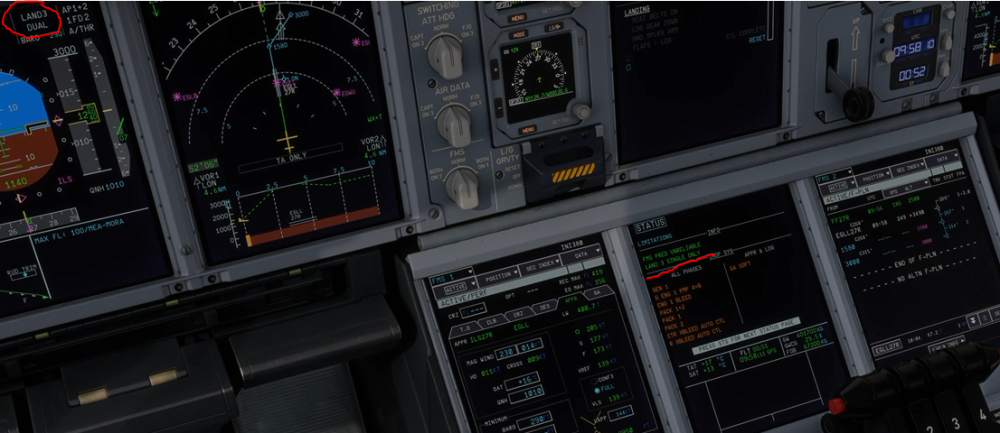
Was this supposed to be LAND3 Single only?
-
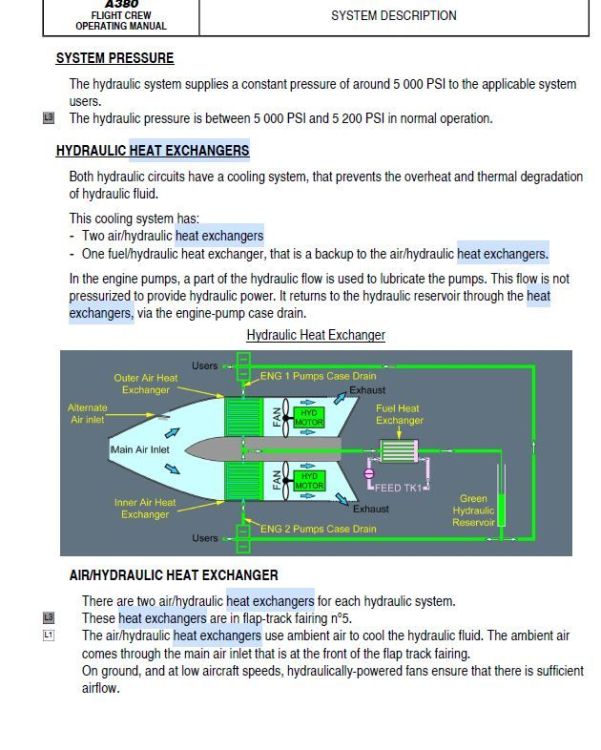
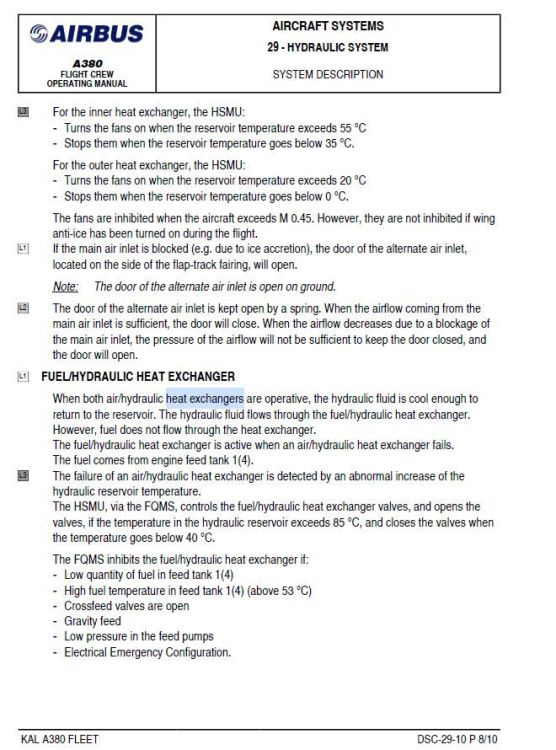
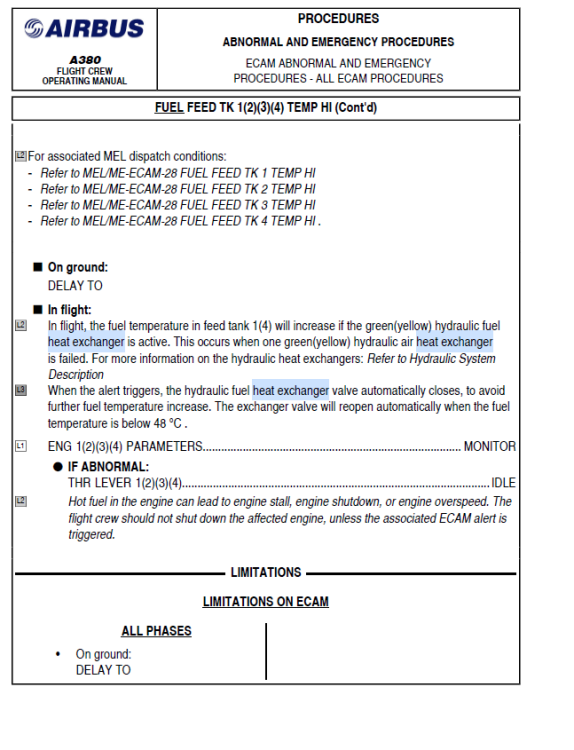
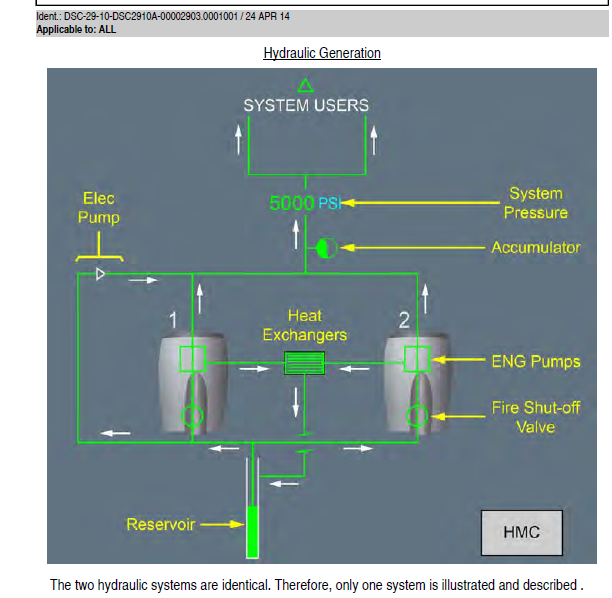
With the introduction of the HSMU monitoring system and associated faults, the fuel tank temperature sim can be used to cool the hot hyd oil. But depending on OAT, outside air can be used as well. The HSMU monitors: ‐ The pressure of the engine pumps ‐ The pressure and temperature of the electric pumps ‐ The pressure and level of the reservoir ‐ The position of the fire shut-off valves ‐ The temperature of the system. THus, in the event that the fuel is low and oil is hot: The FOHE is similar in both a350 and a380 so no comment there. I'll try and investigate the plane once I got the sim. Hope it helps!
-
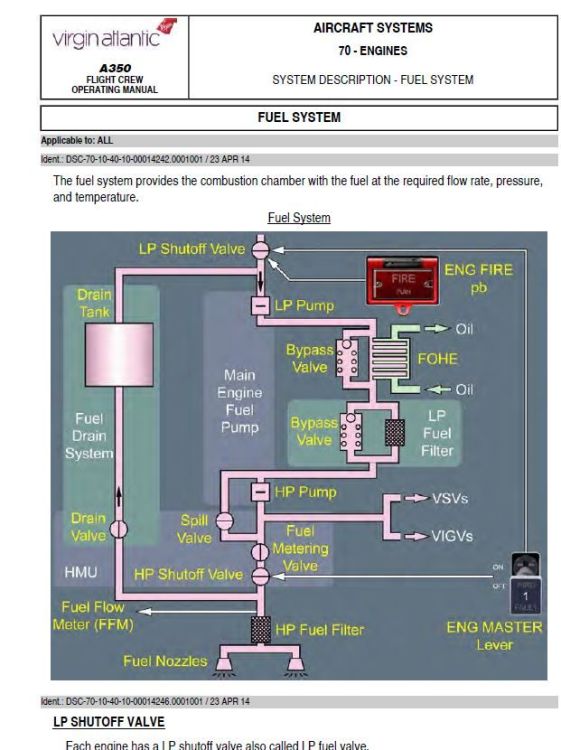
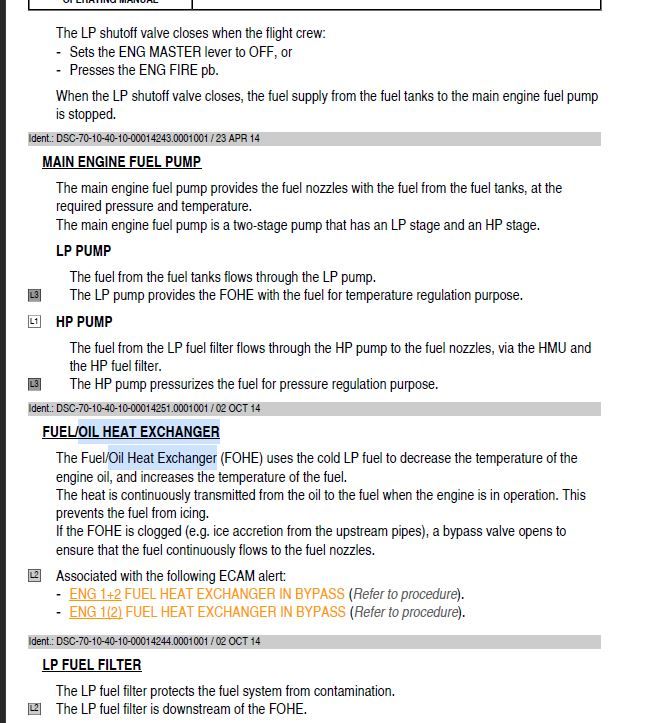
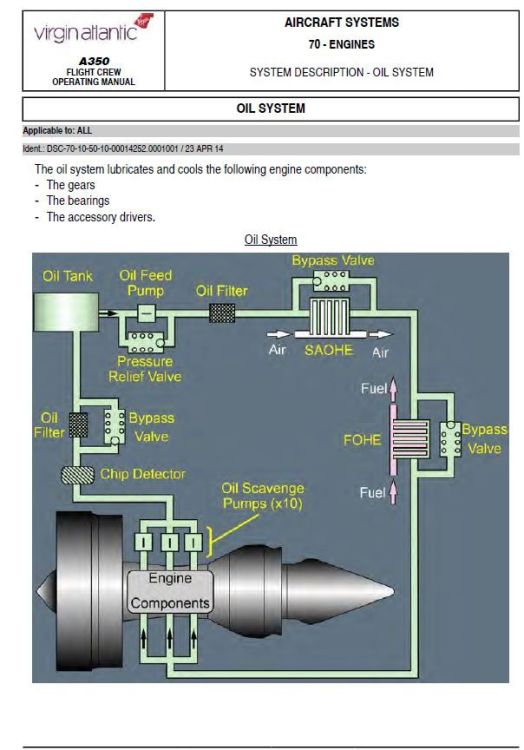
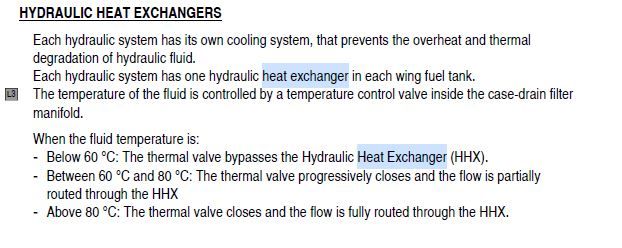
I saw the use of your fuel temperature simulation in the a380. In that case, I think your team figured out that fuel and bleed air can be used to cool the hydraulics, hydraulic pumps and engine oil through heat exchangers as a thermal heat sink and hopefully your team did notice as shown in the diagram shown below. However, it is different with the a380. Thus, one of the additional evolution to the existing failure system could include this: Thus, in an event of a fuel contamination, the heat exchanger gets clogged, the associated ECAM messages gets displayed and its only a matter of time before engine components get damaged and stuff leading to a LAND ANSA. As for the A380, I'll place it there as its irrelevant here because the FQMS and the HCMA control their respective heat exchangers in an event of an abnormal operation. Hope this helps!
-
Ahh I see. So there is a potential of screwing things up that could have a use case of an MEL. However, it could be adding a new layer of realism that is similar to TFDI's failure one. Oh! This ACMS maint page is a neat use case that could boost your system depth quality and coordinate with the possible dispatch/MEL system. Look up Dennis Vijverberg, Brakes Released Aaaand here is an example of an MEL based off of a real failure! Recorded by the same guy! https://www.youtube.com/watch?v=-tf-pQlS7h8

-
Well if they would look into MELs, they would also have a look at dispatch mode and dispatch messages which is more fitting for the A350, considering that the a380 and v2 will have persistence and system status. However, it would be a paid feature than included into the updates of the a350 just like with TFDI. What do you think iniKyle?
-
I see. I would understand if it is not high in your list at the moment as it is a too niche and rare procedure for the a350v2, however, another improvement point to your complex electrical simulation is the Integrated Modular Avionics as faults such as the fws 1+2 & CPIOM faults can be triggered by your existing elec sim by screwing around in the failure options such as the dc 1,2 and emer buses (Consult your engineers for this one, as most if not all systems rely on CPIOMs for communication) and this fault appears upon cold and dark startup then disappears. There are at most 24 CPIOM's divided into 7 groups that control all system communications of the A350. The CRDC is a remote gateway and data concentrator module that interfaces the following aircraft systems to the avionics network: ‐ A wide range of sensors and/or actuators ‐ Conventional avionics equipment not compatible with the avionics network. L3 The CRDC transforms data signals from a specific format (e.g. ARINC 429 data buses, analog signals) into digital format usable by the aircraft systems connected to the avionics networks, and vice versa. L1 Most of the aircraft systems that use CRDCs are connected to two or more CRDCs, to ensure the redundancy of all functions of the aircraft systems. L2 There are 29 CRDCs. L1 The CRDCs are in the pressurized area of the aircraft, next to the relevant groups of sensors and actuators. . Two types of avionics equipment monitor and control the aircraft systems: ‐ The conventional avionics equipment, with computers that are fully assigned to a specific aircraft system, or ‐ The CPIOMs that can host several functions dedicated to different aircraft systems. The CRDCs are an interface between some conventional avionics equipment and the avionics networks. The CPIOMs, the CRDCs, and some conventional avionics equipment are directly connected to the avionics networks. Also, please note that I heard this feedback and the reset panels is for the a350v2 which is a native fs24 which has a SDK can support this deep system simulation. I am also looking forward to any attempts at reset panels if it is doable in the fs24 sdk. Hope this helps and consult your inhouse pilot's FCOM as this might be outdated!
-
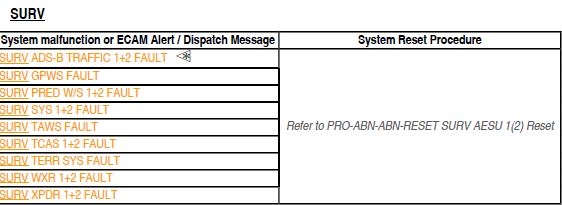
Hello! I am the one who wrote the suggestions for bird strike! Now, let’s move on to another potential additional procedures to your existing failure simulation: reset panels For example: According to FCOM (own copy but please consult your pilots and engineer’s for discrepancy) Faults associated with GPS jamming includes: Or all faults associated with SURV Can be eligible for an AESU 1(2) reset in the reset panel provided that The ECAM/OEB procedure permits it The reset is permitted in the reset table to ECAM faults such as those faults above They are only permitted one at a time and cycled once. No two attempts As failure to follow reset FCOM advice could lead to a reset in factory on ground settings such as the fmc a, b and c. The reset panels could risk erasing all data and flight plan in those systems. What’s more, Faults such as FWS (1)2, Flaps 1(2) fault and FQMS 1(2) are eligible for reset according to the reset table. I noticed that there is a dynamic vibration option in your failures menu thus I would like to look forward on how it behaves with a bird strike situation. Hope it helps!
-
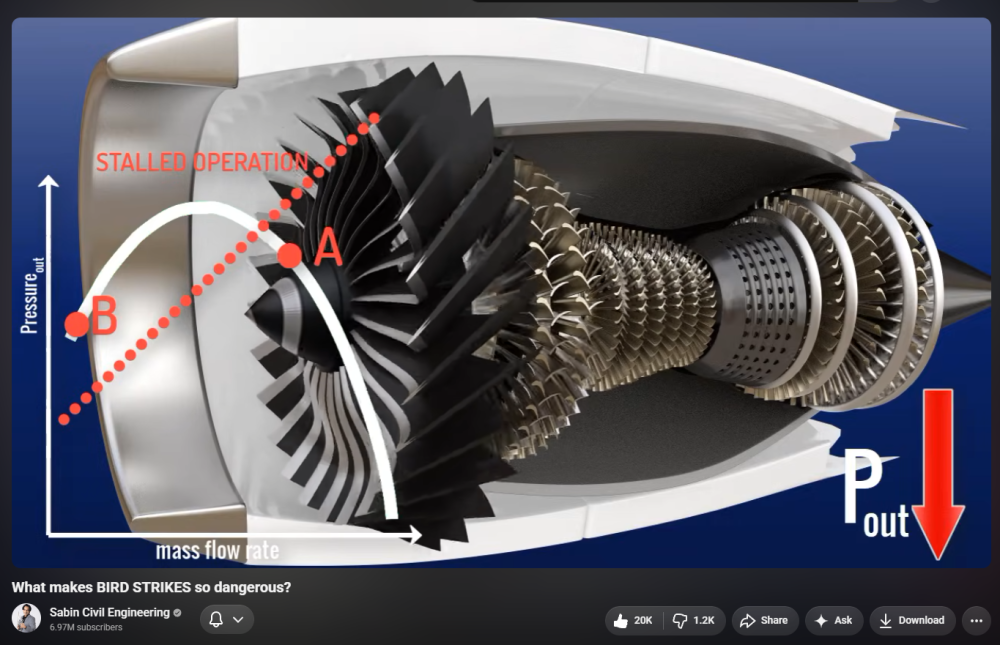
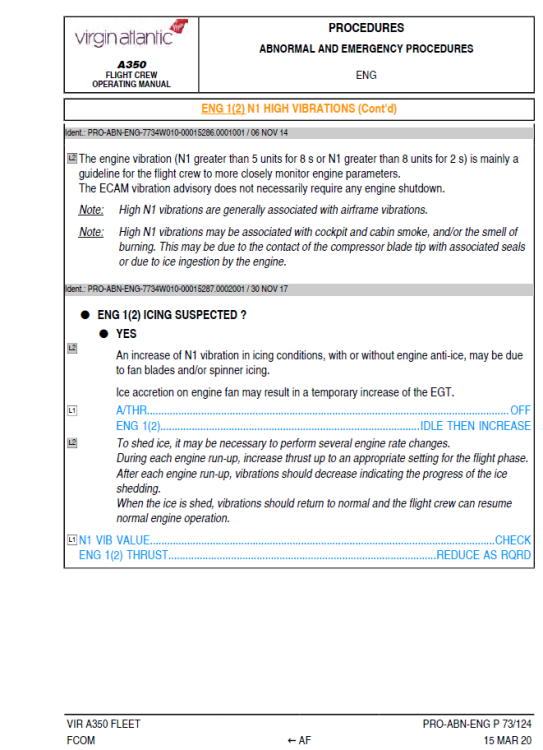
Hi inikyle! For a much better understanding of this failure, I also found a much better video reference named "Why bird strikes are dangerous" which covers this thread much clearer https://www.youtube.com/watch?v=HzYdiWjN48A But wait, theres more! I also found a procedure for fan blade ice shedding! What should happen for this to occur on extreme icing conditions that you need to do a cold start and a throttle cycle procedure, another addition to your engine modeling and something you could pass along to your team. Hope this helps!
-
Ok. So, for this engine failure to be easier to refine: A compressor stall is just a backfire in a turbofan engine. the same as when you hear a loud bang when a piston engine backfires. Cause - turbulence in the air flow over the compressor blades (in other words a "Stall") in the compressor section causing a reduction in air pressure and consequent imbalance of fuel /air during combustion. This causes excess unburned fuel to be ejected from the combustion chamber and be ignited in the turbine section causing a lot of flame and noise at the back of the engine. (just like in the exhaust pipe on your car) and a great reduction in thrust on that engine. Of course its a much bigger bang! (much bigger engine!). In a Jet engine this could interrupt the combustion cycle and shut down the engine completely (like blowing out a candle so, its called a "flame out?)) necessitating a restart procedure and a change of pants for the pilot. In a high bypass turbo fan, since the combustion cycle is not interrupted, the condition just repeats itself until the pilot takes remedial action to correct the fuel/air imbalance and stop the compressor stall, then generally returns to have the engine inspected for any possible damage. - Hope that helps!
-
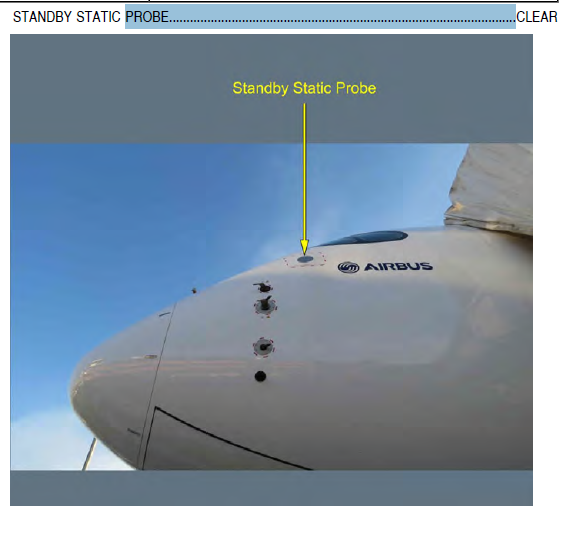
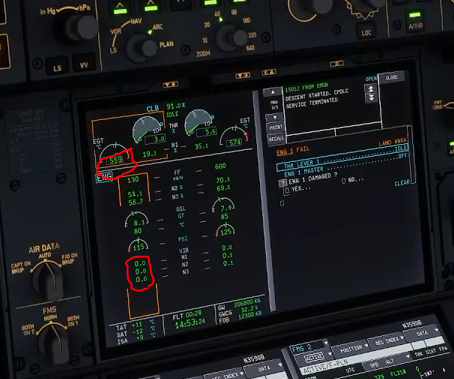
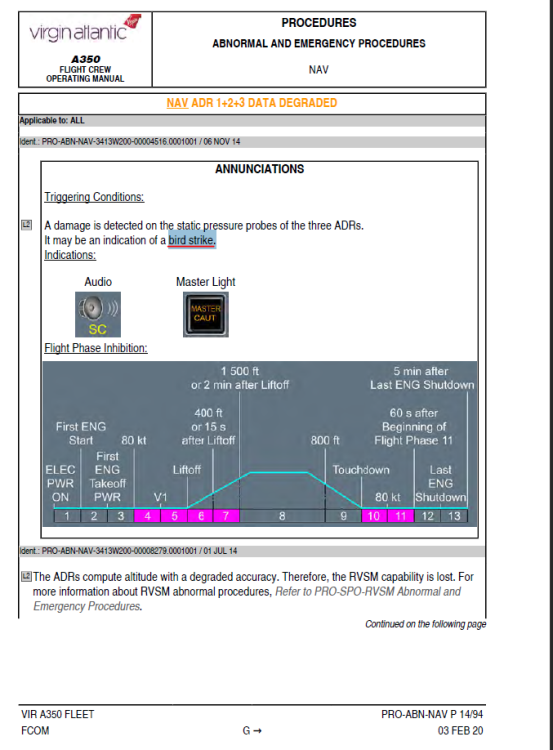
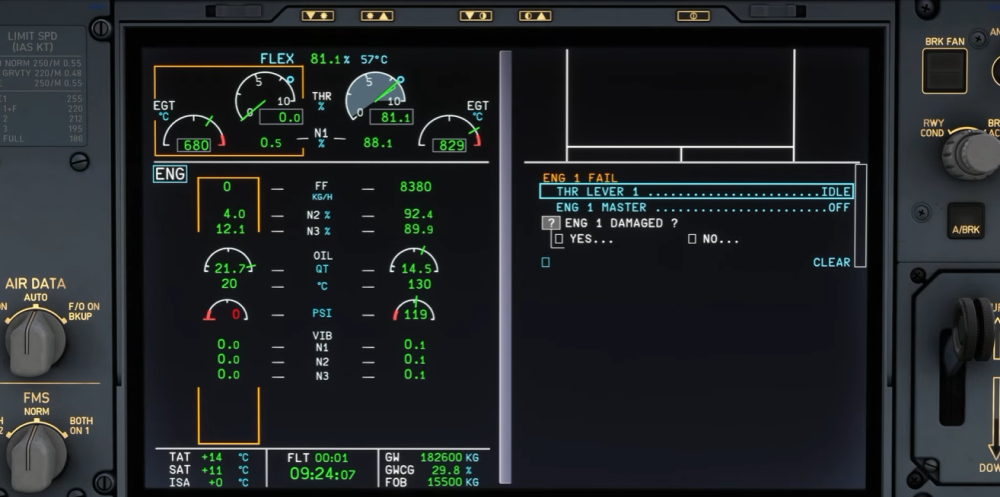
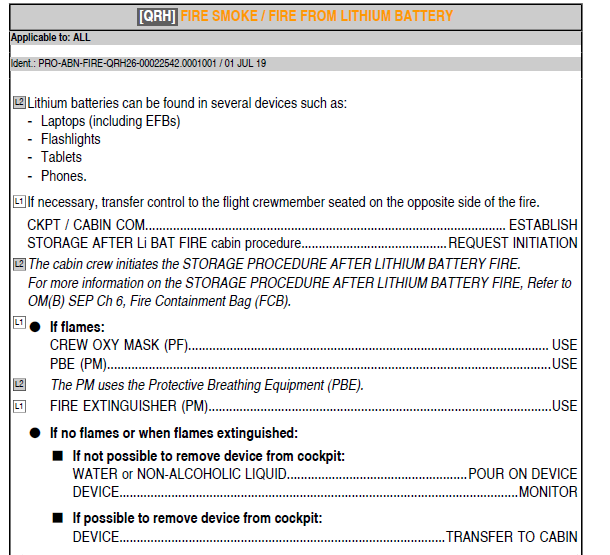
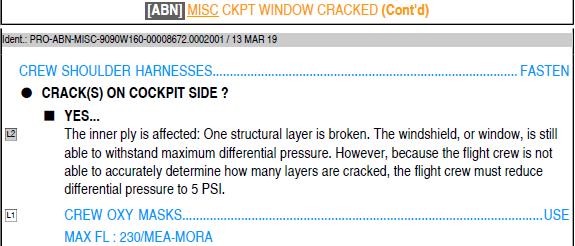
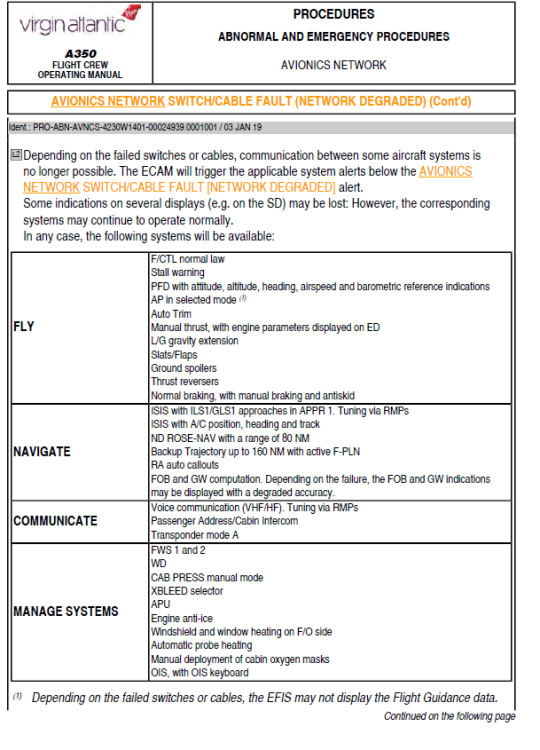
Recently I observed the gradual improvements of additional ECAMs especially for flaps and l/g, therefore showing potential into system depth with an already deep ECAM simulation. However, I think other failures might need attention here as behavior is different in real world documentation. For example: Bird strike situation should also affect outside TAT probes and windshield These probes such as AoA, airspeed, ice detection and static are located below the windshield and should have a random chance of failing due to bird strike to the cockpit since they could be located near the impact point. Interestingly, according to the virgin atlantic FCOM below, bird strike can affect the data that feeds to the ADRs and the current way of failing it other than turning those off is not available in the EFB, nor the bird strike situation. Another thing is window strike damage which will need the ABN COCKPIT WINDOW CRACKED checklist which is available in your ECAM but not in the bird strike simulation. Some engine systems such as engine relight simulation, EGT and vibration need work I am no engineer, but crosscheck this with other Airbus engineers. Bird strike doesnt necessarilly cause the engine to fail, but, when they do, its ingestion to the compressor might cause turbulent airflow into the compressor leading to a stall or surge. This should show the telltale signs such as high fluctuating egt, n1, fuel flow and abnormal vibration while the engine bangs occur. However, the eng page does not reflect to your external engine failure animation due to bird strike. It could be recoverable provided that the compressor returns to its normal airflow configuration ehich recovers the imbalance vs combustor. I also noticed that your engine failure in the efb induces it in such a way that it still windmills and has no abnormal vibration, which can consider a relight in flight. However, recovery cannot be done for some reason? Because, in that case, I would love an option for a recoverable (and unrecoverable) engine failure option in the efb, while showing the key differences between the two failures. In some FCOM documentation, unrecoverable ones could show a reason: The oil low pressure should gradually trigger high vibration and abnormal egt first before engine seizure, which should give off a more authentic engine simulation, as well as FADEC shaft failure trigger, any of these in order. You also forgot about the situation for lithium batteries too. This is also from real world operations: I look forward to the update of the a350v2, but please do a C check of your failure and system depth.