schizzel
Member
-
Joined
-
Last visited
-
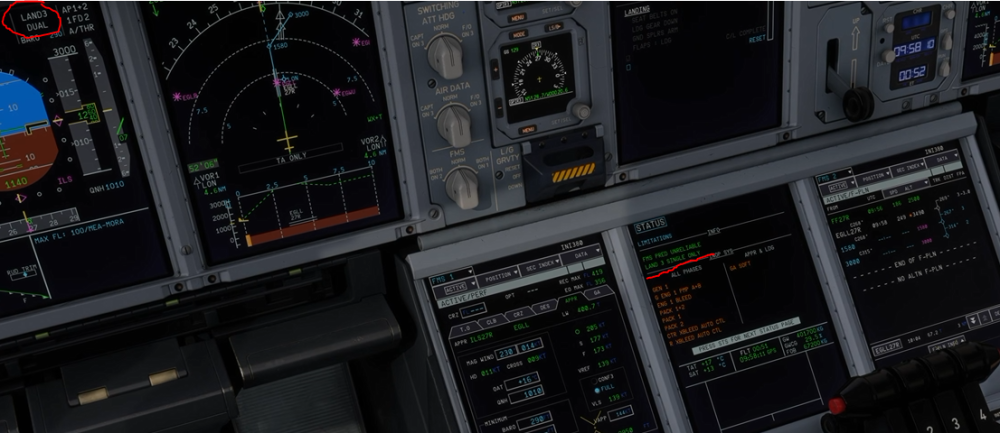
Was this supposed to be LAND3 Single only?
-
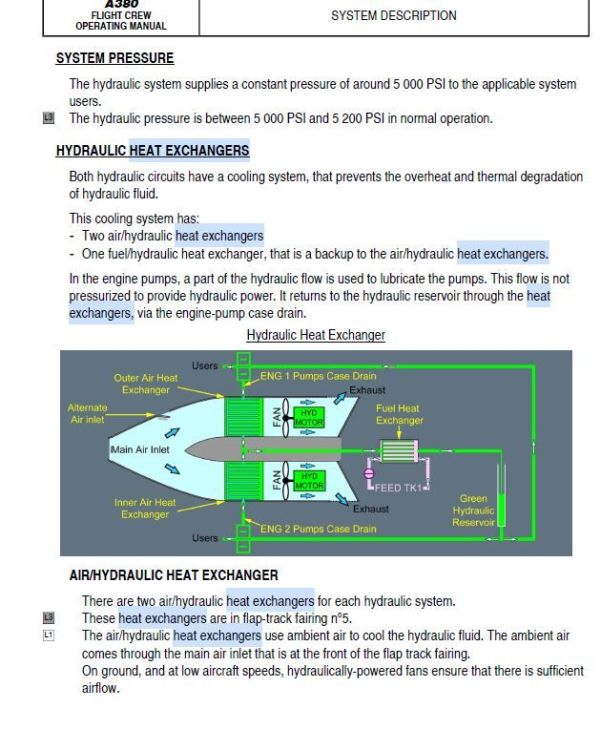
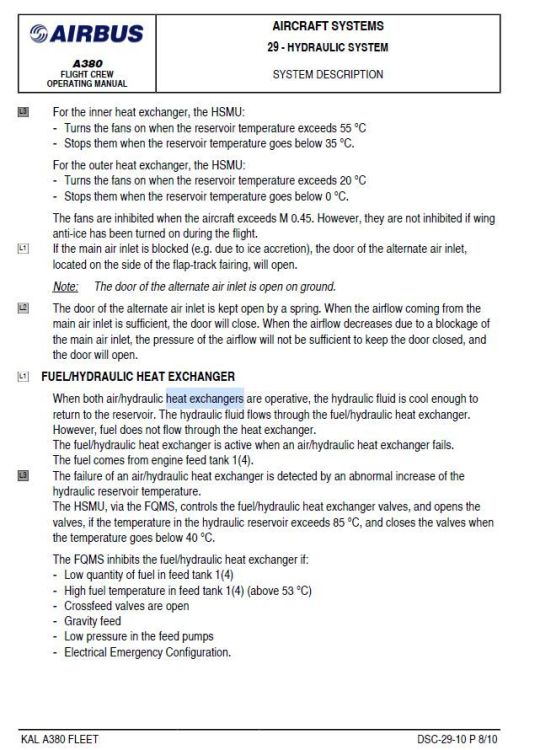
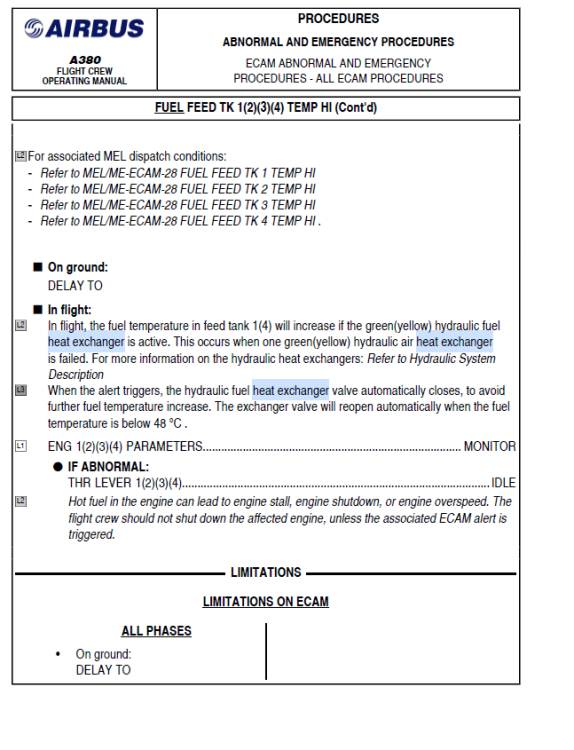
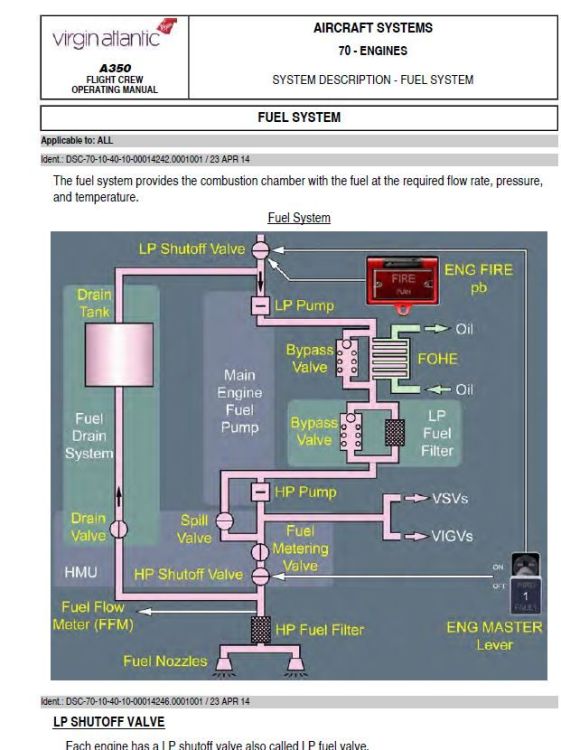
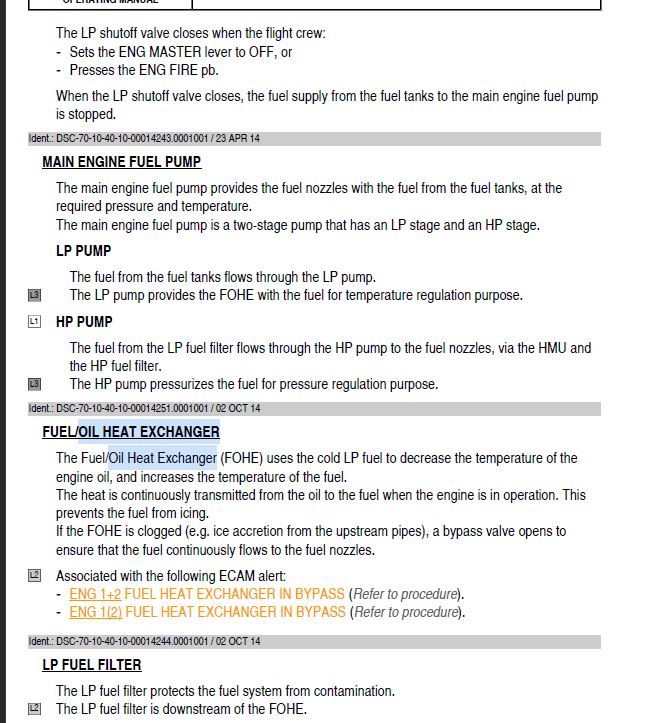
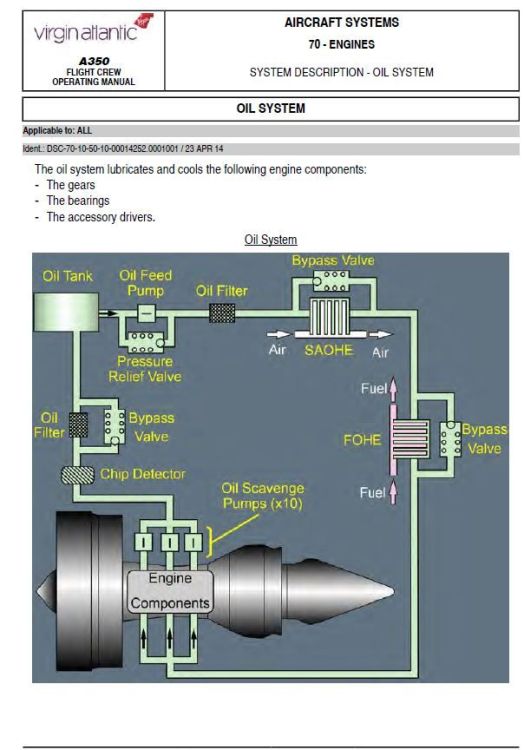
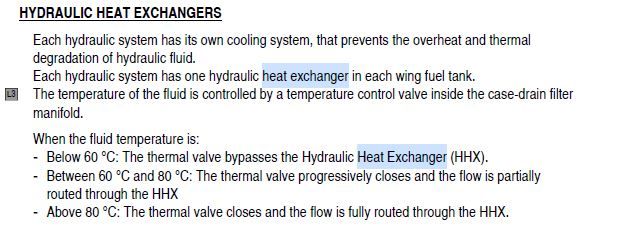
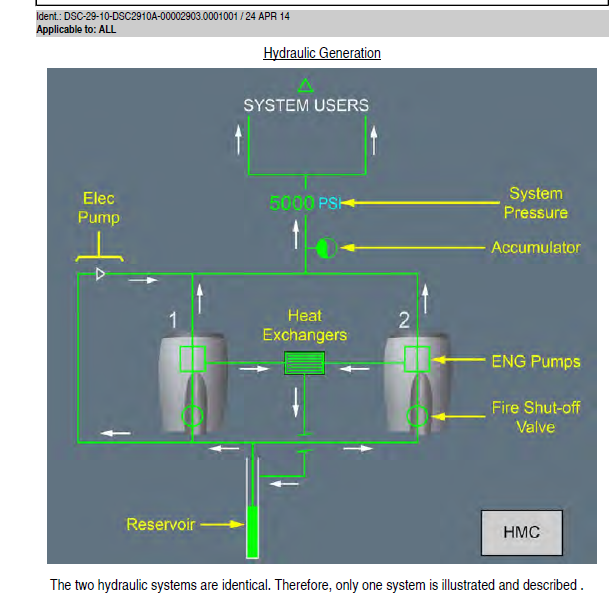
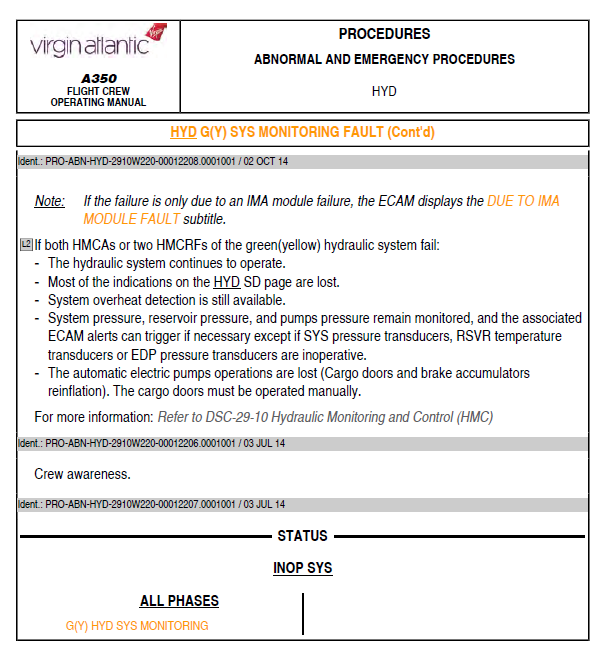
With the introduction of the HSMU monitoring system and associated faults, the fuel tank temperature sim can be used to cool the hot hyd oil. But depending on OAT, outside air can be used as well. The HSMU monitors: ‐ The pressure of the engine pumps ‐ The pressure and temperature of the electric pumps ‐ The pressure and level of the reservoir ‐ The position of the fire shut-off valves ‐ The temperature of the system. THus, in the event that the fuel is low and oil is hot: The FOHE is similar in both a350 and a380 so no comment there. I'll try and investigate the plane once I got the sim. Hope it helps!
-
I saw the use of your fuel temperature simulation in the a380. In that case, I think your team figured out that fuel and bleed air can be used to cool the hydraulics, hydraulic pumps and engine oil through heat exchangers as a thermal heat sink and hopefully your team did notice as shown in the diagram shown below. However, it is different with the a380. Thus, one of the additional evolution to the existing failure system could include this: Thus, in an event of a fuel contamination, the heat exchanger gets clogged, the associated ECAM messages gets displayed and its only a matter of time before engine components get damaged and stuff leading to a LAND ANSA. As for the A380, I'll place it there as its irrelevant here because the FQMS and the HCMA control their respective heat exchangers in an event of an abnormal operation. Hope this helps!
-
Ahh I see. So there is a potential of screwing things up that could have a use case of an MEL. However, it could be adding a new layer of realism that is similar to TFDI's failure one. Oh! This ACMS maint page is a neat use case that could boost your system depth quality and coordinate with the possible dispatch/MEL system. Look up Dennis Vijverberg, Brakes Released Aaaand here is an example of an MEL based off of a real failure! Recorded by the same guy! https://www.youtube.com/watch?v=-tf-pQlS7h8

-
Well if they would look into MELs, they would also have a look at dispatch mode and dispatch messages which is more fitting for the A350, considering that the a380 and v2 will have persistence and system status. However, it would be a paid feature than included into the updates of the a350 just like with TFDI. What do you think iniKyle?
-
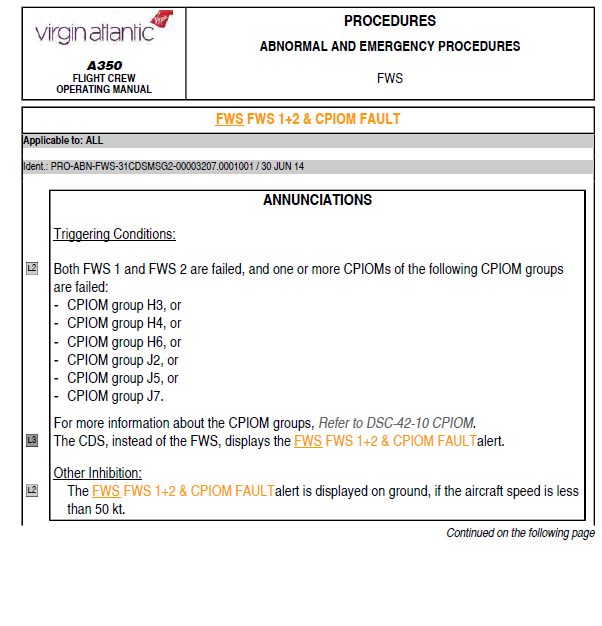
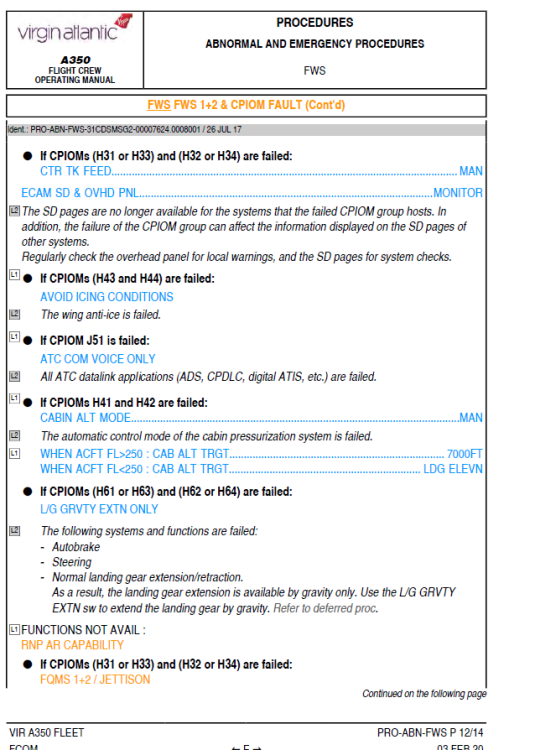
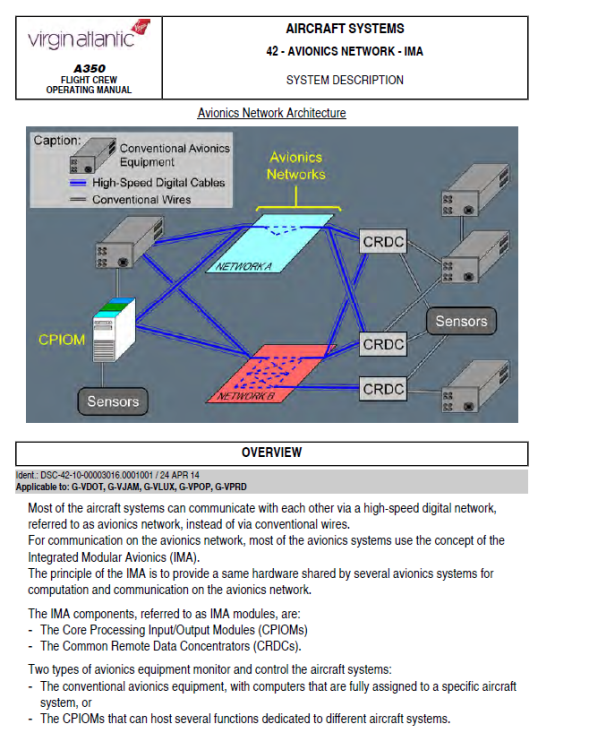
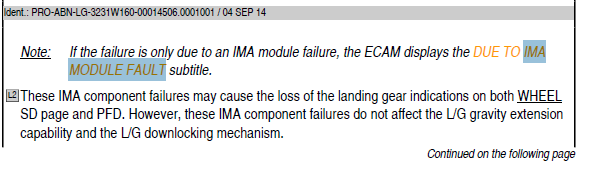
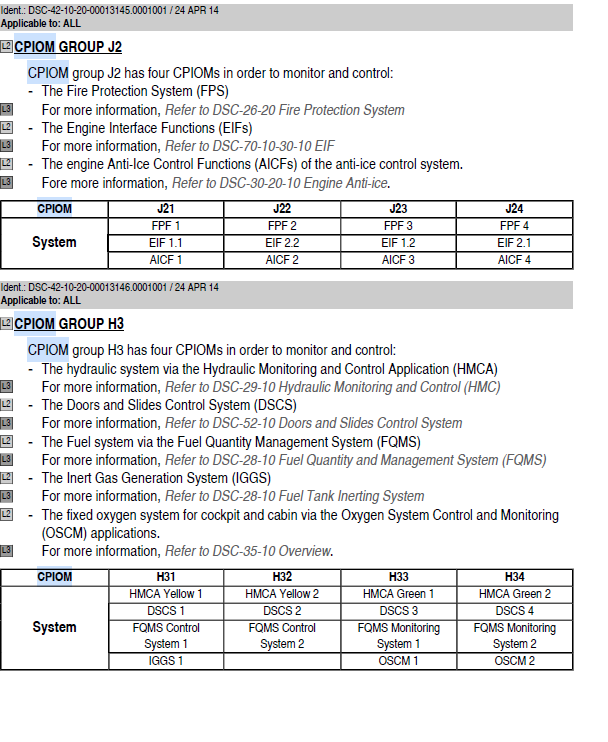
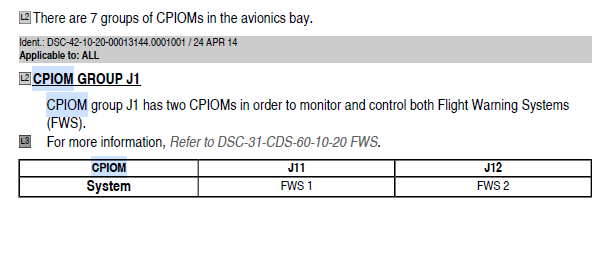
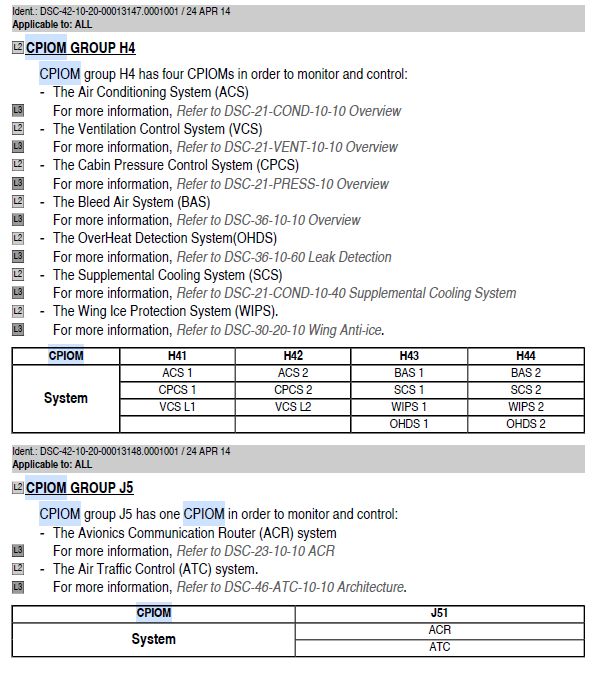
I see. I would understand if it is not high in your list at the moment as it is a too niche and rare procedure for the a350v2, however, another improvement point to your complex electrical simulation is the Integrated Modular Avionics as faults such as the fws 1+2 & CPIOM faults can be triggered by your existing elec sim by screwing around in the failure options such as the dc 1,2 and emer buses (Consult your engineers for this one, as most if not all systems rely on CPIOMs for communication) and this fault appears upon cold and dark startup then disappears. There are at most 24 CPIOM's divided into 7 groups that control all system communications of the A350. The CRDC is a remote gateway and data concentrator module that interfaces the following aircraft systems to the avionics network: ‐ A wide range of sensors and/or actuators ‐ Conventional avionics equipment not compatible with the avionics network. L3 The CRDC transforms data signals from a specific format (e.g. ARINC 429 data buses, analog signals) into digital format usable by the aircraft systems connected to the avionics networks, and vice versa. L1 Most of the aircraft systems that use CRDCs are connected to two or more CRDCs, to ensure the redundancy of all functions of the aircraft systems. L2 There are 29 CRDCs. L1 The CRDCs are in the pressurized area of the aircraft, next to the relevant groups of sensors and actuators. . Two types of avionics equipment monitor and control the aircraft systems: ‐ The conventional avionics equipment, with computers that are fully assigned to a specific aircraft system, or ‐ The CPIOMs that can host several functions dedicated to different aircraft systems. The CRDCs are an interface between some conventional avionics equipment and the avionics networks. The CPIOMs, the CRDCs, and some conventional avionics equipment are directly connected to the avionics networks. Also, please note that I heard this feedback and the reset panels is for the a350v2 which is a native fs24 which has a SDK can support this deep system simulation. I am also looking forward to any attempts at reset panels if it is doable in the fs24 sdk. Hope this helps and consult your inhouse pilot's FCOM as this might be outdated!
-
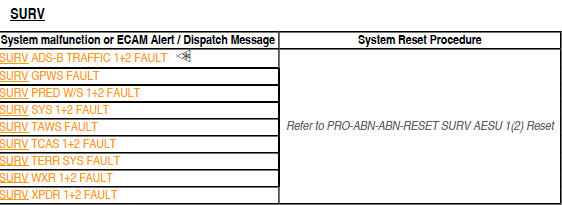
Hello! I am the one who wrote the suggestions for bird strike! Now, let’s move on to another potential additional procedures to your existing failure simulation: reset panels For example: According to FCOM (own copy but please consult your pilots and engineer’s for discrepancy) Faults associated with GPS jamming includes: Or all faults associated with SURV Can be eligible for an AESU 1(2) reset in the reset panel provided that The ECAM/OEB procedure permits it The reset is permitted in the reset table to ECAM faults such as those faults above They are only permitted one at a time and cycled once. No two attempts As failure to follow reset FCOM advice could lead to a reset in factory on ground settings such as the fmc a, b and c. The reset panels could risk erasing all data and flight plan in those systems. What’s more, Faults such as FWS (1)2, Flaps 1(2) fault and FQMS 1(2) are eligible for reset according to the reset table. I noticed that there is a dynamic vibration option in your failures menu thus I would like to look forward on how it behaves with a bird strike situation. Hope it helps!
-
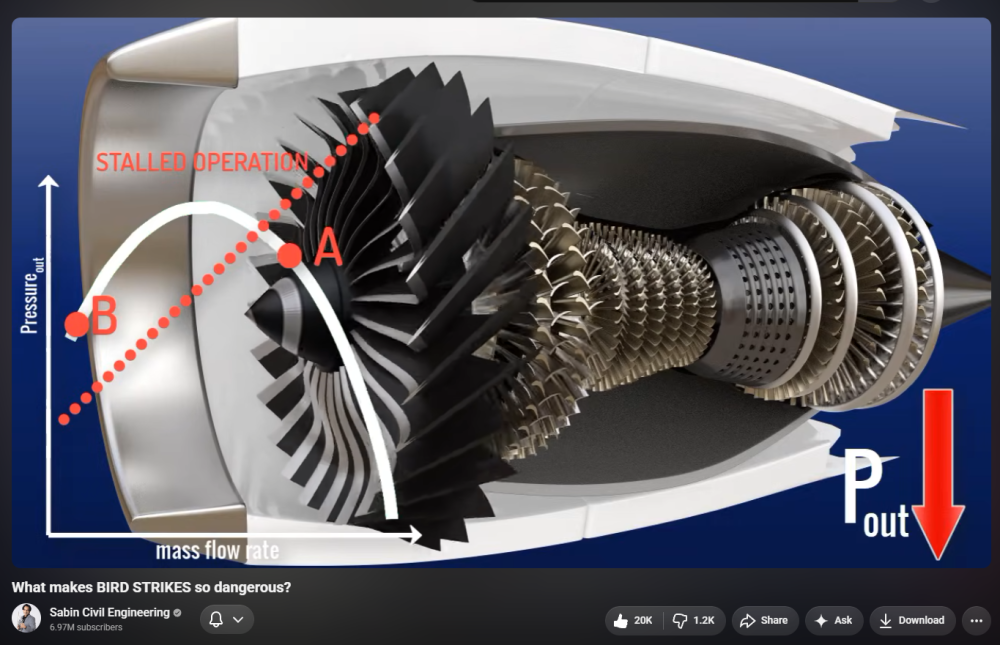
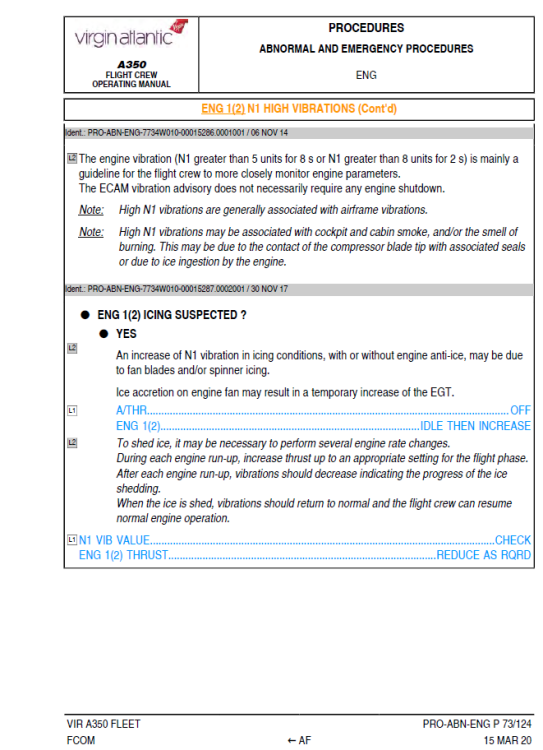
Hi inikyle! For a much better understanding of this failure, I also found a much better video reference named "Why bird strikes are dangerous" which covers this thread much clearer https://www.youtube.com/watch?v=HzYdiWjN48A But wait, theres more! I also found a procedure for fan blade ice shedding! What should happen for this to occur on extreme icing conditions that you need to do a cold start and a throttle cycle procedure, another addition to your engine modeling and something you could pass along to your team. Hope this helps!
-
Ok. So, for this engine failure to be easier to refine: A compressor stall is just a backfire in a turbofan engine. the same as when you hear a loud bang when a piston engine backfires. Cause - turbulence in the air flow over the compressor blades (in other words a "Stall") in the compressor section causing a reduction in air pressure and consequent imbalance of fuel /air during combustion. This causes excess unburned fuel to be ejected from the combustion chamber and be ignited in the turbine section causing a lot of flame and noise at the back of the engine. (just like in the exhaust pipe on your car) and a great reduction in thrust on that engine. Of course its a much bigger bang! (much bigger engine!). In a Jet engine this could interrupt the combustion cycle and shut down the engine completely (like blowing out a candle so, its called a "flame out?)) necessitating a restart procedure and a change of pants for the pilot. In a high bypass turbo fan, since the combustion cycle is not interrupted, the condition just repeats itself until the pilot takes remedial action to correct the fuel/air imbalance and stop the compressor stall, then generally returns to have the engine inspected for any possible damage. - Hope that helps!
-
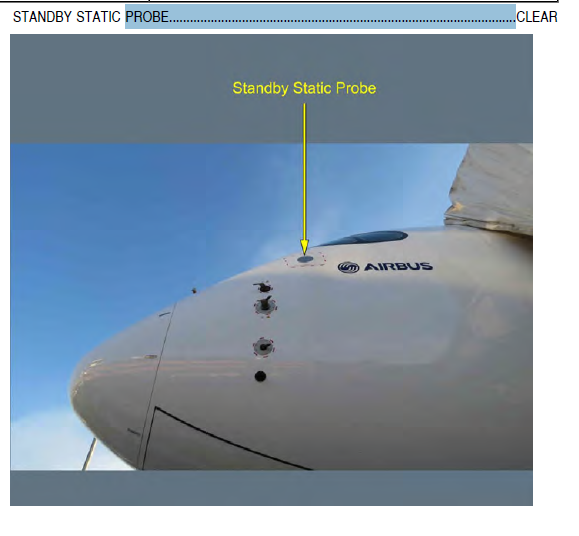
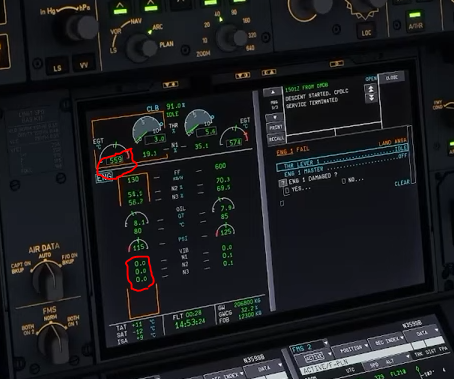
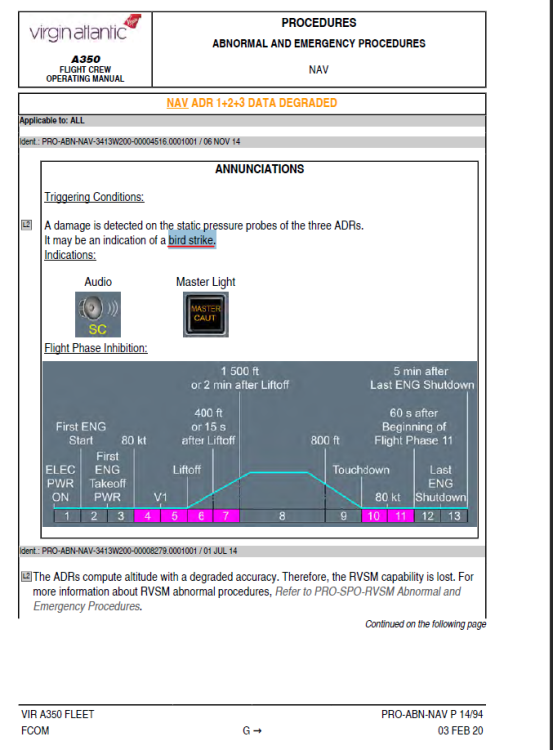
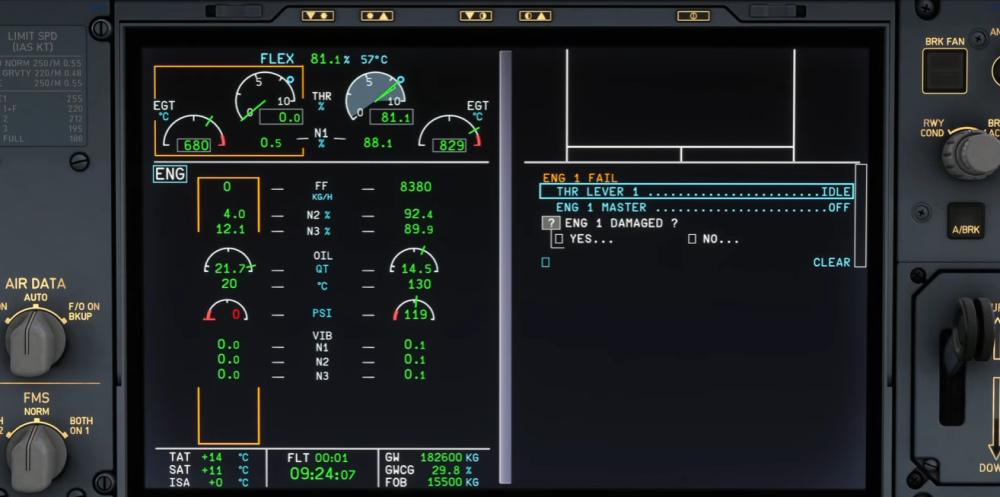
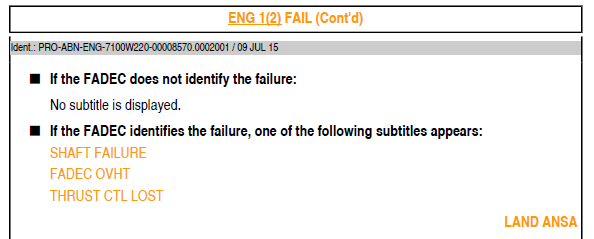
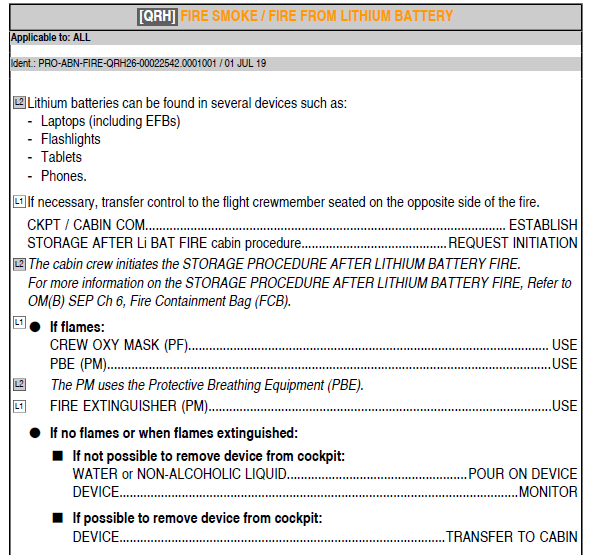
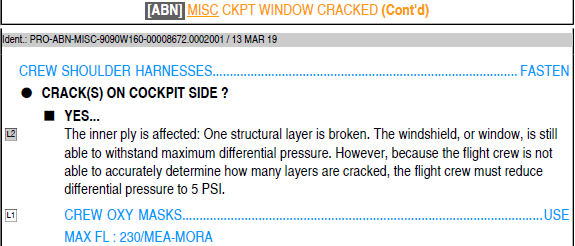
Recently I observed the gradual improvements of additional ECAMs especially for flaps and l/g, therefore showing potential into system depth with an already deep ECAM simulation. However, I think other failures might need attention here as behavior is different in real world documentation. For example: Bird strike situation should also affect outside TAT probes and windshield These probes such as AoA, airspeed, ice detection and static are located below the windshield and should have a random chance of failing due to bird strike to the cockpit since they could be located near the impact point. Interestingly, according to the virgin atlantic FCOM below, bird strike can affect the data that feeds to the ADRs and the current way of failing it other than turning those off is not available in the EFB, nor the bird strike situation. Another thing is window strike damage which will need the ABN COCKPIT WINDOW CRACKED checklist which is available in your ECAM but not in the bird strike simulation. Some engine systems such as engine relight simulation, EGT and vibration need work I am no engineer, but crosscheck this with other Airbus engineers. Bird strike doesnt necessarilly cause the engine to fail, but, when they do, its ingestion to the compressor might cause turbulent airflow into the compressor leading to a stall or surge. This should show the telltale signs such as high fluctuating egt, n1, fuel flow and abnormal vibration while the engine bangs occur. However, the eng page does not reflect to your external engine failure animation due to bird strike. It could be recoverable provided that the compressor returns to its normal airflow configuration ehich recovers the imbalance vs combustor. I also noticed that your engine failure in the efb induces it in such a way that it still windmills and has no abnormal vibration, which can consider a relight in flight. However, recovery cannot be done for some reason? Because, in that case, I would love an option for a recoverable (and unrecoverable) engine failure option in the efb, while showing the key differences between the two failures. In some FCOM documentation, unrecoverable ones could show a reason: The oil low pressure should gradually trigger high vibration and abnormal egt first before engine seizure, which should give off a more authentic engine simulation, as well as FADEC shaft failure trigger, any of these in order. You also forgot about the situation for lithium batteries too. This is also from real world operations: I look forward to the update of the a350v2, but please do a C check of your failure and system depth.